Phoslo (Calcium Acetate) — Patient Information (UK)
Phoslo is a medicine containing calcium acetate. It is used to help manage high phosphate levels (a common issue in people with long-term kidney disease). This patient-friendly guide explains how it works, how to take it safely, and what to expect. Always follow the instructions given by your healthcare professional or the product label.
Key Product Information
- Active ingredient: Calcium acetate
- Medicine name: Phoslo
- What it’s for: Treatment of hyperphosphataemia, particularly in chronic kidney disease
- How it works: Binds phosphate in the gut so less phosphate is absorbed
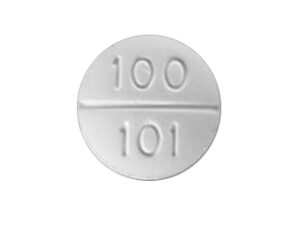
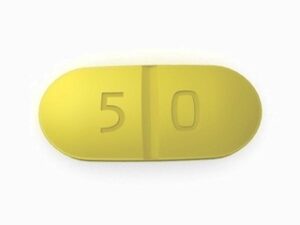
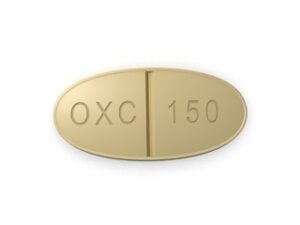
- Typical form: Capsules or tablets (availability may vary by strength and supplier)
In the UK, Phoslo is supplied through pharmacy channels and is used as part of a broader plan that may also include dietary phosphate restriction, regular blood tests, and sometimes other medicines.
How Phoslo Works (Mechanism of Action)
Phosphate levels in the blood can rise when the kidneys cannot remove phosphate effectively. Calcium acetate works within the digestive system:
- Phosphate binding in the stomach and intestines: Calcium acetate releases calcium in the gut.
- Formation of insoluble complexes: Calcium binds dietary phosphate, forming compounds that are not absorbed.
- Reduced phosphate absorption: With less absorbed phosphate, blood phosphate levels may fall over time.
For this reason, timing with meals is important. The highest phosphate load comes from food, so taking Phoslo with meals helps it bind phosphate effectively.
Pharmacokinetics (What the Body Does to the Medicine)
Phosphate binders like calcium acetate act mainly in the gut. Therefore, only small amounts of calcium acetate are absorbed systemically.
- Absorption: Limited absorption of calcium acetate; its main effect is local (in the gastrointestinal tract).
- Distribution: Any absorbed calcium contributes to the body’s calcium pool.
- Metabolism: Calcium acetate dissociates; calcium and acetate are handled by normal body pathways.
- Elimination: The non-absorbed portion passes through the digestive tract. Absorbed calcium is removed mainly via the kidneys and other normal metabolic routes.
People with kidney impairment may be more sensitive to calcium changes. This is why monitoring blood tests for calcium and phosphate is important during treatment.
What Phoslo Is Used For (Indications)
In the UK, calcium acetate is used to treat hyperphosphataemia, especially in patients with:
- Chronic kidney disease (CKD), particularly in later stages
- Patients on dialysis who need control of phosphate levels
- Other clinical situations where a phosphate binder is appropriate, as determined by a healthcare professional
Management usually includes a combination of:
- Phosphate binder therapy (e.g., Phoslo)
- Dietary phosphate restriction
- Monitoring of calcium, phosphate, and sometimes parathyroid hormone (PTH)
- Vitamin D / other bone-mineral treatments when needed
Timing and How to Take Phoslo
Take it with meals
Phoslo is designed to bind phosphate present in food. As a rule:
- Take Phoslo during meals (or immediately with/after the meal, depending on the exact product instructions you have been given).
- Do not take it on an empty stomach unless specifically advised by your clinician.
- If you take it with snacks, take it only if the snack contains phosphate and as advised.
Splitting doses
Doses are often divided across the day to match meal frequency. Your prescribed schedule may look like several doses with meals.
Swallowing and administration
- Swallow capsules/tablets with water.
- If you have swallowing difficulties, speak to your healthcare professional or pharmacist about options.
- Do not crush or alter the product unless your healthcare professional or pharmacist confirms this is safe for your specific formulation.
Typical Adult Dosing (General Guidance)
Dosing must be individual. The dose of phosphate binders is adjusted based on your serum phosphate and the dietary phosphate intake.
Typical approach in clinical practice:
- Start at a dose that provides phosphate binding capacity with meals.
- Blood tests are checked regularly.
- The dose may be increased or decreased until phosphate is controlled.
- Calcium levels are monitored to avoid excessive calcium.
Because each patient’s phosphate level and diet differ, you should follow the exact dose instructions on your label. If you are unsure, check with your pharmacist.
Missed dose
- If you miss a dose with a meal, take it with your next meal unless advised otherwise.
- Do not double up to compensate.
Food Interactions (Important)
Phoslo’s effect depends on food. Key points include:
- Meals: Phosphate from food is what Phoslo binds. Taking it with meals improves effectiveness.
- Dietary phosphate: Medicines work best alongside dietary phosphate restriction.
- Calcium intake: Avoid excessive calcium supplements unless recommended; too much calcium may increase risk of hypercalcaemia.
How long to keep phosphate controlled?
Phosphate binding is not a “one-off” effect. The aim is consistent day-to-day control, which depends on taking doses with food and regular monitoring.
Alcohol and Medicine Interactions
There is no universal “hard” rule that alcohol is forbidden with calcium acetate, but alcohol can affect health decisions in people with kidney disease. Consider the following:
- Alcohol may worsen dehydration or affect kidney function in some circumstances.
- Diet and medication adherence: Alcohol may encourage dietary changes that increase phosphate intake.
- Overall medication safety: Some people take multiple medicines for CKD-related bone-mineral disorders; alcohol can increase side-effect risk indirectly (e.g., dizziness, nausea).
If you drink alcohol, ask your healthcare professional or pharmacist for advice tailored to your condition and other medicines.
Other Medicine Interactions
Calcium-based phosphate binders can interact with medicines by binding them in the gut or affecting absorption. Not all interactions apply to every patient, so confirm with your pharmacist if you take the medicines below or anything else not listed here.
Medicines that may be affected
- Iron preparations: Calcium can reduce absorption of some oral iron products.
- Levothyroxine (thyroid hormone): Calcium may reduce absorption; spacing may be needed.
- Tetracycline antibiotics (and similar antibiotics): absorption may be reduced—separate doses may be necessary.
- Quinolone antibiotics (e.g., ciprofloxacin): calcium can reduce absorption—separate dosing is often recommended.
- Bisphosphonates (for bone disease): may require careful spacing.
- Some vitamin preparations and supplements: high calcium intake can compound calcium load.
General separation principle
If you take medicines that might be affected, you may need to take them at a different time of day to avoid reduced absorption. Your pharmacist can advise the safest interval based on your exact regimen.
Always tell your pharmacist about all medicines you take, including over-the-counter products and herbal supplements.
Safety Profile and Side Effects
Most people tolerate Phoslo well when taken as directed, but it can cause side effects. The main safety concern is related to calcium and digestion.
Common side effects
- Constipation
- Indigestion or stomach discomfort
- Nausea
- Abdominal pain or bloating
Less common but important risks
- High blood calcium (hypercalcaemia) — may cause tiredness, weakness, confusion, increased thirst, frequent urination, nausea, or constipation
- Kidney stone risk may be increased in some circumstances when calcium is high
- Alkalosis (rare) especially if large calcium loads occur
- Mineral imbalance affecting bone-mineral metabolism (requires monitoring)
When to seek urgent help
Contact urgent medical help if you develop severe symptoms such as marked confusion, severe vomiting, fainting, chest pain, or signs of a serious allergic reaction (e.g., swelling of face/lips, trouble breathing, widespread rash).
Practical Use Tips (Getting the Best Results)
- Take it consistently with meals: This is the single most important factor for phosphate binder effectiveness.
- Keep to your monitoring schedule: Blood tests for phosphate and calcium help ensure the dose is correct and safe.
- Check your diet: If phosphate intake increases (e.g., due to processed foods), you may need dose adjustment.
- Don’t double up after missed doses: Follow missed-dose guidance and ask your pharmacist if unsure.
- Stay hydrated if advised: Dehydration can worsen symptoms and kidney-related risks.
- Manage constipation early: If constipation occurs, discuss lifestyle and treatment options with your healthcare professional.
- Review supplements: Tell your pharmacist about calcium, vitamin D, and mineral supplements to avoid excess calcium.
Alternative Options (Other Phosphate Binders)
Phosphate binders come in different types. Choice depends on your laboratory results, medical history, diet, and tolerability. Alternatives your clinician may consider include:
- Lanthanum carbonate (a non-calcium binder)
- Sevelamer (a non-calcium, polymer-based binder)
- Other calcium-based binders (e.g., different calcium salts where available)
- Dietary strategies as a foundation—phosphate restriction remains important regardless of binder choice
Your healthcare team can explain which option best suits your calcium levels, cardiovascular risk profile, and phosphate targets. If you switch medicines, dosing changes are often needed, so do not substitute without guidance.
Market and Legal Context in the UK
In the United Kingdom, medicines are regulated by the Medicines and Healthcare products Regulatory Agency (MHRA) and must have a UK marketing authorisation or appropriate regulatory status. Phosphate binders like calcium acetate are used widely in clinical practice for kidney-related bone-mineral management.
For pharmacy supply, the specific legal classification and patient-facing materials (e.g., the patient information leaflet for the exact product) can vary by formulation and strength. Your pharmacist can confirm the correct product details for your item.
Ongoing monitoring is a standard part of treatment in CKD because dosage may need adjustment based on blood tests and side-effect risk.
Recent Guidance and Monitoring (What to Expect)
Clinical practice in the UK commonly follows recommendations for CKD bone-mineral disorders, including:
- Regular monitoring of serum phosphate and calcium
- Assessment of PTH and vitamin D status where appropriate
- Use of dietary phosphate restriction alongside binders
- Adjusting therapy based on lab targets and individual tolerance
Your clinician may set specific phosphate targets for you and adjust binder dosing accordingly. It is normal to have periodic reviews, especially during dose titration.
Delivery and Availability (UK)
Phoslo availability may depend on strength, formulation (capsules/tablets), and stock levels with the supplying pharmacy. Online pharmacies in the UK typically offer:
- Home delivery to UK addresses
- Tracking updates where available
- Secure packaging to protect tablets/capsules during transit
If an item is temporarily out of stock, you may be offered an alternative strength (if clinically appropriate) or a substitute phosphate binder—your pharmacist will advise. Delivery times vary by provider and postcode.
FAQ (Frequently Asked Questions)
1) Is Phoslo only used for kidney disease?
Phoslo is primarily used for hyperphosphataemia, most commonly in chronic kidney disease and dialysis patients. Your healthcare professional will determine if a phosphate binder is appropriate in your situation.
2) Why must Phoslo be taken with meals?
Calcium acetate binds phosphate from food in the gut. Taking it with meals improves binding and reduces phosphate absorption. If taken between meals, it may not bind the phosphate you eat at a later time.
3) What blood tests should I expect?
Many patients have regular tests including serum phosphate and calcium. Some may also have tests for parathyroid hormone (PTH) and vitamin D. The results guide dose adjustments and safety monitoring.
4) What happens if I forget a dose?
If you forget a dose, take the next dose with your next meal unless your pharmacist or clinician advises otherwise. Do not take a double dose to make up for a missed tablet.
5) Can I take Phoslo with other medicines?
Many medicines can be taken alongside Phoslo, but absorption interactions are possible with some oral medicines (such as certain antibiotics, thyroid medicine, iron, and others). Your pharmacist can advise whether you need to space doses apart.
6) Will Phoslo cause constipation?
Constipation is one of the more common side effects. If it occurs, discuss with your healthcare professional—sometimes diet, fluid intake, or appropriate constipation treatments may help. Seek advice promptly if constipation is severe or persistent.
7) Are there foods I should avoid?
The goal is usually to limit high-phosphate foods, especially processed foods with phosphate additives. Your dietitian or clinician can provide a tailored list. Phoslo helps bind phosphate from food, but it does not replace dietary management.
8) Is alcohol allowed?
Alcohol is not universally contraindicated, but it may affect overall health and medication routines in people with kidney disease. If you drink alcohol, ask your clinician or pharmacist for personalised guidance.
9) Are there alternatives if Phoslo doesn’t work or causes side effects?
Yes. Other phosphate binders (such as sevelamer or lanthanum carbonate) may be considered depending on your blood tests and tolerance. Do not switch without guidance because dosing and monitoring needs may change.
10) When should I contact a doctor urgently?
Contact urgent medical help if you experience severe symptoms such as confusion, severe vomiting, fainting, signs of an allergic reaction, or symptoms that may suggest very high calcium. If you are worried about side effects, contact your healthcare team promptly.
Summary
Phoslo (calcium acetate) helps lower high phosphate levels by binding phosphate in the gut, reducing absorption. It is typically taken with meals and requires ongoing monitoring—especially of blood calcium and phosphate. With correct use and regular review, Phoslo can be an effective part of CKD bone-mineral management.
If you have questions about how to take your dose, interactions with your other medicines, or what to watch for, speak to your pharmacist for tailored advice.