


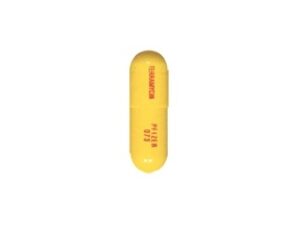
Dilantin (Phenytoin) – Patient Guide (UK)
Dilantin is a brand of phenytoin, an antiepileptic medicine used to help control seizures in certain types of epilepsy. This page explains what phenytoin does, how it behaves in the body, how it is usually taken, important safety points, and practical tips for day-to-day use in the United Kingdom.
Quick facts
- Active ingredient: Phenytoin
- Medicine type: Antiepileptic (antiepileptic/anti-seizure drug)
- Common form: Tablets/capsules depending on product
- How it helps: Stabilises nerve cell activity to reduce seizure spreading
- Important monitoring: Blood levels may be checked in some circumstances
Basic product information
Dilantin (phenytoin) works by reducing abnormal electrical activity in the brain. In clinical practice, phenytoin is used when appropriate for seizure control. Different people require different dose schedules based on seizure type, response, and individual factors.
In the UK, phenytoin products are available through community and hospital pathways. Availability may vary by manufacturer and formulation, and you may see different brands and generics.
How phenytoin works (mechanism of action)
Phenytoin primarily acts on voltage-gated sodium channels in nerve cells. By affecting the flow of sodium through these channels, it helps to:
- Decrease excessive neuronal firing (reducing the likelihood of seizure initiation)
- Limit seizure propagation (helping prevent a seizure from spreading)
- Improve electrical stability in brain networks involved in seizures
The overall effect is to make brain activity less likely to switch suddenly into seizure patterns.
Pharmacokinetics: how the body handles phenytoin
Pharmacokinetics describes absorption, distribution, metabolism, and elimination. Phenytoin is notable for having non-linear (saturable) metabolism—meaning small dose changes can sometimes lead to disproportionate changes in blood levels.
Absorption and onset
- After taking by mouth, phenytoin is absorbed from the gastrointestinal tract.
- Onset of seizure control may occur over days, but stabilisation can take longer, depending on your baseline control and dose adjustments.
Distribution
- Phenytoin binds extensively to plasma proteins (especially albumin).
- In some situations (for example, low albumin or certain medical conditions), the amount of “free” (active) drug may be higher than expected.
Metabolism
- Phenytoin is metabolised mainly by the liver (CYP enzymes).
- Drug interactions are common because phenytoin can influence liver enzyme activity and can be influenced by other medicines.
Elimination
- Phenytoin is cleared over time, but its elimination may be slow.
- Because of non-linearity, dose changes should be made carefully and with clinical/lab guidance where appropriate.
Why this matters: monitoring blood levels may be used if you are starting treatment, changing dose, experiencing breakthrough seizures, or dealing with interactions or liver-related issues.
Typical uses in the UK
Phenytoin is used as an antiepileptic medicine for the treatment of certain seizure types. The specific choice of medicine depends on your epilepsy diagnosis, seizure frequency and type, age, other medical conditions, and tolerance.
It may be considered for:
- Focal (partial) seizures (with or without impairment of awareness) in appropriate patients
- Generalised seizures in selected cases, depending on clinical judgment
- Prevention/treatment strategies where a clinician has chosen phenytoin as suitable
If you are unsure whether Dilantin/phenytoin is right for your particular seizure type, ask your healthcare professional to explain the treatment plan and expected outcomes.
How to take Dilantin: timing, dose schedule and missed doses
Timing
- Try to take your doses at the same times each day.
- Consistency helps maintain steadier blood levels, particularly important due to phenytoin’s non-linear kinetics.
With or without food
Phenytoin can generally be taken with or without food. However, taking it with food may help if it upsets your stomach. Follow the directions provided with your specific product.
Swallowing instructions
- Take tablets/capsules with water.
- Do not crush or chew unless the product guidance allows it.
What if you miss a dose?
If you miss a dose, take it when you remember unless it is close to the time of your next dose. Do not take a double dose to make up for a missed dose. If you regularly miss doses or your schedule is difficult, discuss a practical routine with your pharmacist or prescriber.
Seek urgent medical advice if you miss multiple doses, especially if seizures are not well controlled.
Food interactions and absorption
Food is unlikely to drastically change phenytoin’s action for most people, but certain dietary or gastrointestinal factors can affect absorption and tolerance.
- Consistent routine: Taking phenytoin similarly each day can help minimise day-to-day variability.
- General stomach issues: If you have reflux, vomiting, diarrhoea, or gut problems, absorption may be affected.
- Enteral feeding: If you use tube feeding, absorption may differ; you should receive specific guidance.
If you need to change your meal times, start a new diet plan, or develop persistent vomiting/diarrhoea, ask for advice.
Alcohol and medicine interactions
Alcohol
Alcohol can increase the risk of side effects such as drowsiness, dizziness, and impaired coordination. In people with epilepsy, alcohol may also affect seizure threshold in some individuals.
- Avoid binge drinking.
- Be cautious with regular alcohol use, especially when adjusting dose.
Medicines that interact with phenytoin
Phenytoin has significant interaction potential with many medicines. Some medicines can increase phenytoin levels (raising side effects/toxicity risk), while others can decrease levels (reducing seizure control). Phenytoin can also affect other medicines by altering liver enzyme activity.
Examples of common interaction categories (not exhaustive):
- Other antiepileptic medicines: certain combinations require careful monitoring.
- Antibiotics and antifungals: some can raise phenytoin levels.
- Cardiac medicines: interactions can affect effectiveness or side effect risk.
- Anticoagulants (blood thinners): warfarin and others may be affected.
- Oral contraceptives and hormonal treatments: phenytoin may reduce effectiveness of some formulations.
- Antacids and gastrointestinal medicines: may influence absorption in some situations.
- Herbal products: St John’s wort can affect seizure control and levels of medicines.
Always tell your pharmacist or healthcare professional about all medicines you use, including over-the-counter products and herbal remedies. If any new medicine is added or stopped, ask whether it could interact with phenytoin.
Indications: when phenytoin is used and who may benefit
In the UK, phenytoin is used for seizure control in appropriate patients. The best choice of treatment depends on seizure type, epilepsy syndrome, age, and medical history.
Your clinician may consider phenytoin when:
- Your seizures are consistent with types where phenytoin can be effective.
- Other treatments have been inadequate or are unsuitable.
- Phenytoin’s specific risk/benefit profile is appropriate for you.
The decision should be individual, and dose adjustments are usually based on clinical response and, when needed, blood concentration results.
Dosing: general guidance and the importance of consistency
Dosing must be individual. This section provides general information about how dosing decisions are typically made. It does not replace personalised advice.
Starting dose
- Clinicians typically start at a dose appropriate to age, seizure history, and overall health.
- Because of non-linear metabolism, dose changes are usually not made too rapidly.
Maintenance dose
- Maintenance dosing aims to balance seizure control and side effects.
- Blood levels may be checked if control is poor, side effects appear, adherence is uncertain, or interacting medicines are started.
Non-linear dose-response (why small changes matter)
Phenytoin has saturable metabolism. This means:
- Small dose increases can sometimes lead to a large rise in blood levels.
- Small dose decreases can sometimes cause a larger drop in blood levels.
As a result, dosing should be adjusted carefully under healthcare supervision.
Missed doses and restarting
If you miss multiple doses or stop unexpectedly, do not restart on your own at a higher amount. Seek advice for a safe plan.
Safety profile: important risks and side effects
Like all medicines, phenytoin can cause side effects. Many people tolerate it well, but some adverse effects require prompt medical attention. Because phenytoin blood levels can change, side effects may indicate that levels are too high or that drug interactions have occurred.
Common or well-known side effects
- Dizziness or unsteadiness
- Drowsiness or fatigue
- Nausea or stomach upset
- Headache
- Gum issues (gingival overgrowth) in some people
- Changes in coordination
Signs of high phenytoin levels (possible toxicity)
If you experience a cluster of symptoms—especially after dose changes or interacting medicines—seek medical advice promptly. Examples include:
- Severe dizziness or marked unsteadiness
- Nystagmus (rapid, uncontrolled eye movements)
- Blurred vision
- Slurred speech
- Confusion
- Persistent vomiting
Serious but less common risks
- Allergic reactions (rash, swelling, breathing difficulty)
- Severe skin reactions (for example, blistering or peeling)
- Liver problems (yellowing of skin/eyes, dark urine, severe fatigue)
- Blood count changes (unexplained bruising, infections, unusual bleeding)
- Bone health issues with long-term use (risk of reduced bone density)
- Pregnancy-related concerns with antiseizure medicines (discuss family planning early)
If you notice symptoms suggestive of serious reactions, contact urgent medical services or emergency care as appropriate.
Practical use tips for day-to-day living
- Use a routine: take it at the same times daily; consider phone alarms.
- Maintain consistent brand/formulation when possible: if your supply changes, ask your pharmacist whether substitution is equivalent.
- Do not abruptly stop: sudden stopping can increase seizure risk. Plan any changes with a clinician.
- Track side effects: note timing and severity, especially after dose changes or new medicines.
- Oral hygiene: gum health checks may help reduce gum overgrowth risk—ask your dentist about guidance.
- Avoid overheating and dehydration: these can affect overall wellbeing; also take care during illness.
- Plan driving/safety: seizure control and legal requirements apply. Follow UK guidance on driving with epilepsy.
Blood level monitoring: why it may be needed
Monitoring is not required for everyone in the same way, but blood tests may be used to:
- Confirm dosing is achieving target levels
- Investigate breakthrough seizures
- Check for suspected toxicity
- Assess situations with protein binding changes (e.g., low albumin)
- Review drug interactions
If your clinician requests blood tests, attending them as scheduled helps ensure safe and effective treatment.
Alternative options to Dilantin (phenytoin)
Several antiepileptic medicines exist. Alternatives may be considered based on seizure type, side effects, and individual factors. Examples of other options include medications such as:
- Levetiracetam
- Lamotrigine
- Carbamazepine
- Valproate (where appropriate and clinically suitable)
- Oxcarbazepine
- Phenobarbital (in selected circumstances)
Choice of medicine depends heavily on your epilepsy diagnosis and personal risk factors. Ask your clinician about what options may be safer or more convenient for you, particularly if you experience side effects, complex interactions, or unstable blood levels.
Market and legal context in the United Kingdom
In the UK, phenytoin products are regulated medicines. The supply chain and availability can be influenced by manufacturing schedules, formulation availability, and demand. Pharmacies may hold multiple sources (including different manufacturers and generics).
Medicines used for epilepsy are generally subject to careful prescribing and dispensing standards, including:
- Correct product and strength identification
- Clear patient counselling on dosing timing and adherence
- Support for medicine reviews and safety monitoring
If you experience shortages, ask your pharmacist about equivalent alternatives or product options that maintain consistent dosing.
Recent guidance and clinical considerations
UK epilepsy care is influenced by evidence-based clinical practice and ongoing safety reviews. While guidance evolves over time, common themes include:
- Prioritising seizure control while minimising adverse effects
- Recognising drug–drug interactions as a major safety concern with phenytoin
- Encouraging consistent dosing and careful switching of formulations where relevant
- Assessing suitability for pregnancy in people who could become pregnant
- Monitoring bone health for long-term use when appropriate
For the most up-to-date information, your healthcare professional may refer to current UK epilepsy guidance and medicines safety updates.
Delivery, availability and what to expect when ordering online (UK)
Availability of Dilantin (phenytoin) can vary depending on the exact product strength and form. Online pharmacies typically offer standard and tracked delivery options within the UK.
When placing an order, you may be asked to confirm:
- The strength you need
- The formulation (for example, specific tablet/capsule type)
- Your preferred delivery address and contact details
After dispatch, you usually receive a tracking notification. If stock is temporarily unavailable, a pharmacy may contact you to discuss alternatives or timing.
FAQ
1) What is Dilantin used for?
Dilantin (phenytoin) is an antiepileptic medicine used to help control certain types of seizures in people with epilepsy. The exact use depends on your seizure type and clinical assessment.
2) How long does it take to work?
Some seizure control may be noticed relatively quickly, but stable control often takes longer, particularly when starting or adjusting dose. Your clinician will monitor progress and may check blood levels where needed.
3) Can I take phenytoin with food?
In many cases, phenytoin can be taken with or without food. If you find it upsets your stomach, taking it with food may help. Keep to a consistent routine and follow product instructions.
4) Can I drink alcohol?
Alcohol may increase drowsiness and dizziness and could affect seizure control in some people. It’s best to avoid heavy drinking and to discuss your situation with your healthcare professional.
5) What medicines commonly interact with phenytoin?
Many medicines can interact with phenytoin, including some antibiotics, antifungals, anticoagulants, hormonal treatments, and other antiepileptic medicines. Always check with a pharmacist before starting or stopping any medicine or herbal product.
6) Why do blood levels sometimes get checked?
Phenytoin has non-linear metabolism, and interacting medicines, dose changes, or protein binding differences can affect blood levels. Checking levels can help confirm appropriate dosing and investigate breakthrough seizures or side effects.
7) What should I do if I miss a dose?
Take it when you remember unless it is close to your next dose. Do not take a double dose. Seek advice if you miss multiple doses or seizures worsen.
8) What side effects should make me seek urgent help?
Seek urgent medical help if you develop signs of a severe allergic reaction, severe skin reactions, breathing difficulties, jaundice or severe liver symptoms, or strong signs of toxicity such as marked unsteadiness, confusion, blurred vision, or persistent vomiting.
9) Are there alternatives if I cannot tolerate Dilantin?
There are other antiepileptic medicines. If you experience unacceptable side effects or complex interactions, talk to your clinician about alternatives suitable for your seizure type and personal circumstances.
10) What if my pharmacy provides a different brand or generic?
Different brands/generics may be equivalent, but if your dosing changes or seizures become unstable, tell your pharmacist or clinician. They can advise whether it is safe and whether extra monitoring is needed.
Summary
Dilantin (phenytoin) is a well-established antiepileptic medicine that works by stabilising nerve cell activity. Because phenytoin can interact with many medicines and has non-linear metabolism, careful dosing, consistency, and prompt attention to side effects are important. If you have questions about how to take your medicine, possible interactions, or what to do if seizures change, speak to a healthcare professional or pharmacist.
| Topic | Key points for patients |
|---|---|
| Mechanism | Stabilises nerve cells by acting on voltage-gated sodium channels to reduce abnormal firing and seizure spread. |
| Monitoring | May include blood levels in certain situations due to non-linear metabolism and interaction potential. |
| Taking time | Take at consistent times daily; follow product-specific instructions. |
| Food | Often taken with or without food; consistency may help. If stomach symptoms occur, ask for advice. |
| Alcohol | Can worsen dizziness/drowsiness and may affect seizure control. Avoid heavy drinking. |
| Interactions | Significant interactions with many medicines; always check before starting/stopping anything. |
| Safety | Watch for side effects and possible toxicity signs; seek urgent help for severe or worsening symptoms. |