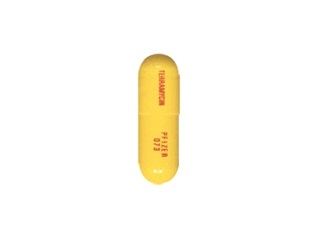


Terramycin (Oxytetracycline) — Patient Information (UK)
Terramycin is the brand name of oxytetracycline, a member of the tetracycline antibiotic group. It is used to treat certain bacterial infections, where appropriate. This page explains what Terramycin is, how it works, how it behaves in the body, typical uses, and practical guidance for safe and effective use in the United Kingdom.
Important: Always follow the instructions provided with your medicine. If you are unsure whether Terramycin is suitable for you (or whether your infection is bacterial), speak to a healthcare professional.
1) Basic product information
| Item | Details |
|---|---|
| Medicine name | Terramycin |
| Active ingredient | Oxytetracycline |
| Antibiotic class | Tetracycline antibiotic |
| Common forms | May be available in oral forms and, depending on product line, topical forms. Availability can vary. |
| What it treats | Selected bacterial infections (not viruses such as colds/flu). |
| How it works | Stops bacteria from making proteins needed to grow and multiply. |
2) How Terramycin works (mechanism of action)
Oxytetracycline works by inhibiting bacterial protein synthesis. It binds to the bacterial 30S ribosomal subunit, blocking the attachment of transfer RNA (tRNA) to the ribosome. As a result, bacteria can’t produce proteins required for growth and replication, leading to slowed growth or bacterial death depending on the organism and concentration.
Because it is a tetracycline antibiotic, oxytetracycline is effective against susceptible bacteria. However, resistance can occur, and it is important that the antibiotic choice matches the infection and local resistance patterns.
3) Pharmacokinetics (what happens in the body)
Pharmacokinetics describes how the medicine is absorbed, distributed, metabolised and excreted. The main points for oxytetracycline include:
- Absorption: Oral oxytetracycline is absorbed from the gastrointestinal tract, but absorption can be reduced by certain foods and minerals (see “Food interactions” below).
- Distribution: It distributes into body tissues and fluids, including areas where infections may occur. It can also bind to sites with calcium.
- Metabolism: Oxytetracycline is not extensively metabolised in the way some other medicines are; most activity relates to the drug itself.
- Excretion: It is mainly eliminated via the kidneys (urine) and can also be affected by liver function.
- Binding to minerals: It forms complexes with calcium, magnesium, aluminium and iron, which is one reason certain foods/supplements can interfere with absorption.
Your prescriber/clinician may adjust timing or dosing based on kidney function, age, and the specific infection.
4) Typical uses and indications
Terramycin is used for bacterial infections caused by susceptible organisms. In the UK, oxytetracycline may be considered for specific conditions depending on local practice and availability.
Indications may include (examples):
- Certain respiratory or skin bacterial infections when susceptible bacteria are involved.
- Infections where tetracyclines are appropriate based on the organism and clinical judgement.
- Other specific bacterial infections where oxytetracycline is recommended by guidelines and susceptibility data.
Not all infections respond to tetracyclines. Oxytetracycline does not treat viral infections such as colds, influenza or most sore throats. Using an antibiotic when it’s not needed can cause side effects and contribute to antibiotic resistance.
5) Dosing and timing (general guidance)
Dosing depends on the infection being treated, severity, kidney function, and the formulation you have. Follow the instructions on your label or as advised by a healthcare professional.
General adult timing tips
- Take oxytetracycline at evenly spaced times if you’re instructed to take it multiple times per day.
- Try to take each dose consistently (e.g., morning and evening) to maintain steady levels.
- Finish the full course unless you’re told to stop (stopping early can allow infection to return).
Missed dose
- If you miss a dose, take it when you remember unless it is near the time of the next dose.
- Do not take a double dose to make up for a missed one.
Example schedule (illustrative only)
Some oxytetracycline regimens are taken twice daily or three times daily, depending on the product and infection. For the exact schedule for your medicine, check your packaging instructions.
6) Food interactions (including dairy and minerals)
One of the most important practical issues with tetracyclines is that they can bind to minerals in food and supplements, lowering absorption. This may make the antibiotic less effective.
To reduce interference:
- Avoid taking oxytetracycline at the same time as dairy products (milk, cheese, yoghurt) due to calcium content.
- Avoid or separate from supplements containing iron, zinc, magnesium or calcium.
- Be cautious with antacids and products that contain aluminium or magnesium.
- If you take multivitamins, discuss timing with a pharmacist (or separate dosing by several hours if advised).
A common approach is to take oxytetracycline with water and keep a gap from mineral-rich foods or supplements. The best timing for your specific product can be confirmed with the packaging instructions or a pharmacist.
7) Alcohol interactions
Moderate alcohol may not directly react with oxytetracycline in a way that is always predictable, but alcohol can worsen side effects such as nausea, stomach upset and dizziness.
In addition, some tetracyclines can rarely affect the liver. If you have liver disease, drink heavily, or are taking other medicines that affect the liver, it is sensible to be cautious and seek advice.
- Consider limiting alcohol while you’re taking the antibiotic.
- Stop alcohol if you notice worsening side effects.
- If you have concerns about liver health, discuss with a pharmacist or clinician.
8) Medicine interactions (important UK-relevant examples)
Oxytetracycline can interact with other medicines, often by affecting absorption or increasing side effects. Tell a healthcare professional about all medicines you take, including over-the-counter products and herbal supplements.
Key interaction categories
- Mineral-containing products (iron, zinc, magnesium, calcium, antacids): can reduce absorption—separate doses where possible.
- Retinoids (e.g., isotretinoin, acitretin): tetracyclines may increase the risk of raised intracranial pressure (rare but serious). Avoid combining unless specifically advised.
- Warfarin (and other blood thinners): antibiotics can affect gut bacteria and clotting control; monitor if advised.
- Oral contraceptives (combined pills): some antibiotics are not expected to reduce effectiveness, but gastrointestinal side effects (e.g., vomiting/diarrhoea) can. If you have severe diarrhoea/vomiting, you may need additional contraceptive precautions.
- Other antibiotics or medicines that affect the gut: ask for guidance if you’re on multiple treatments.
This is not exhaustive. If you want, you can check your specific medicines with a pharmacist to confirm safe spacing.
9) Safety profile: who should take care
Like all antibiotics, Terramycin can cause side effects. Most people experience mild effects, but some reactions can be serious. If you have concerns, seek medical advice promptly.
Common side effects
- Stomach upset, nausea
- Diarrhoea
- Abdominal pain
- Headache
- Loss of appetite
- Vaginal thrush symptoms in some people (due to changes in normal bacteria/yeast balance)
Less common but important warnings
- Allergic reactions: seek urgent help if you develop swelling of the face/lips, difficulty breathing, severe rash or widespread hives.
- Severe or persistent diarrhoea (especially watery or with blood/mucus): could indicate antibiotic-associated colitis. Contact urgent medical care if severe.
- Skin sensitivity to sunlight (photosensitivity): you may burn more easily. Use sun protection.
- Raised intracranial pressure (rare): symptoms can include severe or persistent headache, blurred vision, or visual changes.
- Tooth/teeth effects in children and effects in developing bones: tetracyclines can affect developing teeth and are generally avoided in young children and during pregnancy (see below).
Who should avoid or get specialist advice
- Pregnancy: tetracyclines are generally avoided unless a specialist advises otherwise.
- Breastfeeding: discuss with a clinician; tetracyclines can pass into breast milk.
- Children (especially younger age groups): generally avoided due to effects on teeth/bone development.
- Liver disease or significant kidney impairment: may require caution and dose adjustment.
If you fall into any of the above groups, you should not self-start Terramycin without appropriate medical advice.
10) Practical use tips (to improve effectiveness and comfort)
How to take oxytetracycline
- Take with a full glass of water.
- Try to remain upright for a short time after swallowing tablets/capsules (particularly if you’ve experienced throat irritation before).
- Use consistent dosing times to help the medicine work properly.
Managing stomach upset
- If your medicine instructions allow, taking with a small snack may reduce nausea (but avoid dairy/minerals at the same time).
- Stay hydrated—especially if you develop diarrhoea.
Preventing sunlight reactions
- Use sunscreen with adequate protection.
- Avoid prolonged direct sun exposure.
- If you develop an unusual rash after sun exposure, seek advice.
Finish the course
Even if you feel better, complete the course as directed. This helps clear the infection and reduces the chance of relapse or resistance.
11) Alternative options (what you may discuss with a clinician)
The “best” antibiotic depends on the suspected bacteria, site of infection, severity, allergies, and local resistance patterns. Alternative options may include different antibiotic classes (e.g., amoxicillin, doxycycline, macrolides, etc.) depending on the indication.
If you’re considering alternatives because of side effects, lack of response, or interactions, it’s important to obtain medical guidance. Switching antibiotics should be based on clinical assessment and—where available—tests such as culture or sensitivity.
Non-antibiotic supportive care
- Pain and fever relief (e.g., paracetamol/ibuprofen if suitable for you)
- Hydration and rest
- Managing diarrhoea with fluids and advice as directed
12) UK market and legal context (overview)
In the United Kingdom, antibiotics are regulated medicines. Products containing oxytetracycline are used under established clinical practice and are subject to medicines regulation.
Online pharmacies in the UK operate under strict requirements regarding:
- Medicines governance and quality standards
- Correct product identification (brand vs. generic)
- Customer suitability checks where applicable
- Safe communication about use, interactions and side effects
If you are purchasing any antibiotic online, ensure it comes from a legitimate UK-licensed provider and that the product details (active ingredient, strength, form, and expiry date) are clearly stated.
13) Recent guidance and antimicrobial stewardship (what to expect)
UK guidance continues to emphasise antimicrobial stewardship—using antibiotics only when needed and choosing the most appropriate agent. Clinicians typically consider:
- Whether the likely cause is bacterial or viral
- Local resistance patterns
- Patient factors (allergies, previous antibiotic exposure, pregnancy status, kidney/liver function)
- Severity and likely complications
If your symptoms don’t improve within the expected timeframe, or worsen, seek medical advice rather than changing the dose yourself.
14) Delivery and availability (UK online pharmacy)
Availability of Terramycin/oxytetracycline can vary depending on product formulation and stock levels. When ordering online through a UK pharmacy, you typically can expect:
- Clear product details including strength, dosage form and pack size
- Estimated delivery times displayed at checkout
- Secure packaging to protect tablets/capsules or topical preparations
- Tracking options in many cases
If you need the medicine for ongoing treatment, plan ahead for delivery delays—especially if your course is time-sensitive.
15) Storage and handling
- Store at room temperature as indicated on the packaging.
- Keep away from heat, moisture and direct sunlight.
- Keep out of the sight and reach of children.
- Do not use after the expiry date.
16) FAQ — Terramycin (Oxytetracycline)
What is Terramycin used for?
Terramycin (oxytetracycline) is an antibiotic used for specific bacterial infections caused by organisms that are susceptible to oxytetracycline. It does not treat viral illnesses such as colds or flu.
How quickly should I feel better?
Many people notice some improvement within 48–72 hours, depending on the infection. If you do not improve or your symptoms worsen, seek medical advice.
Can I take Terramycin with food?
Some people find it easier on the stomach with food, but mineral-rich foods can reduce absorption. Follow the instructions on your product label. As a general rule, avoid taking it at the same time as dairy products.
Should I avoid dairy while taking oxytetracycline?
It is usually recommended to avoid taking oxytetracycline with dairy because calcium may interfere with absorption. You may need to separate dairy from your dose—check your label and ask a pharmacist if unsure.
What if I miss a dose?
Take it when you remember unless it is nearly time for your next dose. Do not take a double dose.
Are there foods or supplements I must avoid?
Avoid taking the medicine at the same time as supplements or products containing iron, zinc, magnesium or calcium, and be cautious with antacids. Mineral spacing can be crucial.
Can I drink alcohol while taking Terramycin?
Alcohol isn’t always an absolute prohibition, but it may worsen side effects and could be risky if you have liver problems. Consider reducing alcohol and seek advice if you’re concerned.
Does Terramycin interact with the pill?
Antibiotics don’t always reduce contraceptive effectiveness, but severe diarrhoea or vomiting can. If you have significant gastrointestinal upset, follow the contraceptive advice given by your healthcare professional or pharmacist.
When should I seek urgent help?
Seek urgent medical attention if you experience signs of a serious allergic reaction (swelling, breathing difficulty, severe rash), severe watery diarrhoea, blood in stools, or symptoms suggesting raised intracranial pressure (severe headache, vision changes).
What should I do if side effects are bothering me?
Mild stomach upset may improve as your body adjusts. If side effects are persistent, severe, or include signs of infection such as worsening symptoms, contact a healthcare professional for advice.
Is Terramycin suitable for children?
Tetracyclines are generally avoided in young children due to potential effects on developing teeth and bones. Discuss with a clinician for age-appropriate treatment.
Can I take Terramycin if I’m pregnant or breastfeeding?
Tetracyclines are usually avoided unless a specialist advises otherwise. If you’re pregnant or breastfeeding, ask for professional guidance.
What are common alternatives if oxytetracycline isn’t suitable?
Alternatives depend on the infection and your individual situation, including allergies and previous antibiotic use. A clinician or pharmacist can advise the best options for your diagnosis.
Disclaimer: This information is provided to help you understand Terramycin (oxytetracycline) and is not a substitute for individual medical advice. Always read the patient information leaflet included with your medicine and follow the instructions on the label.