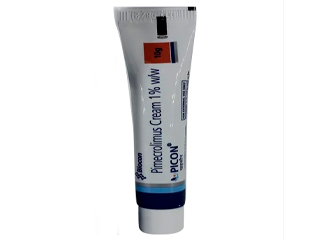
Pimecrolimus (Cream) – Patient-Friendly Guide (UK)
Pimecrolimus is a medicine used on the skin to help control certain inflammatory skin conditions. It belongs to a group called topical immunomodulators, meaning it works locally in the skin to calm inflammation. This page explains how pimecrolimus works, when and how to use it, common precautions, and practical tips to help you get the best results.
If you have questions about your specific condition or treatment plan, speak with a healthcare professional. The information below is designed to be helpful and easy to understand.
1) Basic product information
| Category | Details |
|---|---|
| Medicine name | Pimecrolimus |
| Common formulation | Cream (topical) |
| How it’s used | Applied to affected areas of skin |
| Typical conditions | Moderate-to-mild inflammatory skin conditions, commonly atopic eczema |
| Where it acts | Local action in the skin |
| Availability in the UK | May be supplied by pharmacies; availability depends on brand and stock |
Note: Brand names and strengths can vary. Always check the label on your specific product for exact instructions.
2) What pimecrolimus is and how it works (mechanism of action)
Pimecrolimus is a calcineurin inhibitor used topically. In skin cells and immune cells within inflamed areas, it helps reduce the signals that drive inflammation.
- It modulates the immune response locally by affecting pathways involved in inflammatory cytokine production.
- By reducing these inflammatory signals, it can help ease redness, itching and irritation associated with flare-ups.
- Because it is used on the skin, systemic absorption is generally low when used as directed.
Many people notice symptom improvement after starting treatment, but the timing can vary depending on the severity of the condition and how consistently the cream is applied.
3) Pharmacokinetics (how the body handles it)
When pimecrolimus cream is applied to the skin, most of the dose remains local. Absorption through the skin is generally low when used appropriately.
Key points
- Absorption: Low systemic absorption is expected with topical use.
- Distribution: Any absorbed fraction distributes through the bloodstream, but overall exposure is typically limited.
- Metabolism: The medicine is metabolised mainly in the body through usual metabolic pathways.
- Elimination: The body removes absorbed drug over time; with topical use, systemic levels are generally small.
Your doctor may adjust advice for children or for more extensive areas, especially if treatment is prolonged or if the skin barrier is significantly affected.
4) Typical use and timing
What it’s used for
In the UK, pimecrolimus cream is commonly used for inflammatory skin conditions such as atopic eczema (also known as atopic dermatitis), particularly for mild-to-moderate flare management.
Your pharmacist or healthcare professional can confirm whether it is the right option for your specific skin type and severity.
When to start
For many people with eczema, early use when flare symptoms begin (such as itching or redness) can be helpful to control inflammation sooner.
Follow the instructions on your product label or provided by your healthcare professional.
How quickly it works
Some improvement is often seen within days, but eczema symptoms can fluctuate. If you do not see improvement after the recommended trial period, or if the skin worsens, seek advice.
5) Indications (when pimecrolimus may be recommended)
Indications depend on the product licence and local guidance. Generally, topical pimecrolimus is considered for conditions such as:
- Atopic eczema (atopic dermatitis) in adults and children (age limits may depend on the product)
- Inflammatory skin flares where non-steroid or steroid-sparing approaches are considered
- Maintenance or intermittent treatment to help prevent flare-ups in some patients
If you’re unsure whether your condition matches the indication for your specific product strength, ask a pharmacist.
6) Dosing and how to apply
Always use pimecrolimus exactly as directed on the carton or by your healthcare professional. The sections below provide general guidance to help you apply it correctly.
Typical dosing approach (general)
- Apply a thin layer to the affected skin only.
- Use as prescribed (frequency is product- and patient-specific).
- Continue for the time recommended to control flare symptoms, then reassess.
Important: Do not use it more often or for longer than advised. If you are treating children, follow the dosing guidance carefully and check age suitability for your product.
Step-by-step practical application
- Wash your hands before and after applying the cream.
- Clean gently and pat the skin dry (avoid aggressive rubbing).
- Apply a thin layer to the affected area.
- Allow it to absorb. Avoid covering with tight bandages unless advised.
- If your hands are not the treatment area, ensure you do not accidentally spread the cream elsewhere.
How to use alongside moisturisers
Moisturisers are often a key part of eczema care. If you use a moisturiser, apply pimecrolimus first and wait briefly, then apply moisturiser if needed (or follow the product/clinician instructions).
7) Food interactions
Because pimecrolimus is used on the skin and has low systemic absorption when used correctly, food interactions are not usually expected.
You can generally eat and drink normally while using this cream, unless your healthcare professional has advised otherwise.
8) Alcohol interactions and medicine interactions
Alcohol
There is typically no direct alcohol interaction expected with pimecrolimus topical use. However, eczema can be affected by skin irritation and general wellbeing, and some people find alcohol worsens flushing or triggers symptoms.
If you notice your skin flares after alcohol, consider reducing alcohol intake and discuss it with your clinician.
Other medicines
With topical pimecrolimus, clinically significant drug interactions are not commonly expected due to low absorption. However, it’s still important to tell a healthcare professional about all medicines you use, including:
- Other creams or ointments (especially corticosteroids, antifungals, or antiseptics)
- Medicines affecting the immune system
- Any treatments applied to the same skin area
If you’re using another topical product, ask whether you should apply them at different times of day.
9) Safety profile: side effects and precautions
Like all medicines, pimecrolimus can cause side effects. Many people tolerate it well, but some experience irritation at the application site. Stop using and seek advice if you have severe or worrying reactions.
Common side effects
- Burning, stinging or warmth at the application site
- Skin irritation or mild redness
- Itching or dry skin where the cream is applied
Less common but important reactions
- Signs of skin infection such as increasing pain, swelling, spreading redness, pus, or fever
- Allergic reactions such as swelling of the face/lips, widespread rash, or difficulty breathing (seek urgent help)
When to seek medical advice
Get prompt medical advice if:
- Your eczema becomes infected or you suspect infection
- Symptoms worsen or do not improve as expected
- You develop a severe rash, blistering, or swelling
- You need to treat large areas for extended periods and are unsure about monitoring
10) Practical use tips to get the best results
Reduce flare triggers
Eczema often has triggers. Common ones include dry air, irritant soaps, overheating/sweating, and skin friction. Consider:
- Using gentle, fragrance-free cleansers
- Moisturising regularly (even when skin is calmer)
- Wearing breathable cotton clothing
- Avoiding harsh detergents and fabric softeners
Avoid sunlight exposure to treated areas
If you apply pimecrolimus to exposed areas, protect the skin from strong sunlight. Follow product instructions regarding sun exposure and how to manage treated skin outdoors.
Don’t use on broken, infected, or weeping skin unless advised
If your eczema skin is open, infected, or oozing, seek advice before applying. Treatments for infection may differ.
Use with correct amounts
Using too much may increase local irritation and can be unnecessary. A thin layer is usually sufficient. If you’re unsure how much to apply, ask a pharmacist about the “unit” amount (e.g., fingertip measurements).
Keep a simple treatment routine
Using the cream at consistent times (as instructed) can improve control. Pair it with moisturiser use and good skin care habits.
11) Alternative options (what else you can consider)
Treatment for eczema varies by severity, age, and personal history. If pimecrolimus is not suitable, or if it doesn’t control symptoms well enough, alternatives may include:
Non-steroid options
- Topical calcineurin inhibitors (another immunomodulator such as tacrolimus, where appropriate)
- Barrier-repair moisturisers (regular emollients are fundamental for long-term control)
- Anti-inflammatory skin care regimens guided by a clinician
Anti-inflammatory medicines
- Topical corticosteroids for short courses during flare-ups (strength depends on site and severity)
- Other topical agents depending on diagnosis and clinical assessment
For severe or difficult cases
Some people may need specialist-led options such as advanced phototherapy or systemic treatments. A clinician can advise on what’s appropriate.
Do not start or stop treatments without professional advice, especially in children.
12) UK market and legal context (supply, regulation, and stewardship)
In the United Kingdom, medicines are regulated to ensure quality, safety, and effectiveness. Information about products, licensing details, and safety updates is managed through the relevant authorities and healthcare channels.
- Quality and licensing: Products sold in the UK must meet regulatory standards and have appropriate licences.
- Pharmacy supply: A pharmacist can check suitability, contraindications, and how to use the product safely.
- Safety monitoring: Medicines may have additional warnings and updated safety communications over time.
- Antibiotic stewardship: For eczema, if infection is suspected, clinicians may treat infection appropriately rather than using anti-inflammatory therapy alone.
Always follow the instructions supplied with your specific cream and keep follow-up appointments if advised.
Recent guidance and clinical context
National eczema management in the UK generally emphasises:
- Emollients and skin barrier care as a foundation of treatment
- Early flare control to prevent worsening and reduce treatment burden
- Appropriate anti-inflammatory therapy based on severity and body site
- Reviewing response to determine whether to continue, adjust, or switch treatment
Pimecrolimus may be used as part of a tailored plan. Your pharmacist or clinician can explain where it fits within the broader regimen.
13) Delivery, availability, and what to expect from an online pharmacy (UK)
Availability varies by brand, strength, and stock levels. When ordering online in the UK, you can typically expect:
- Clear product listing details including strength and pack size
- Delivery options (often standard or expedited, depending on location)
- Secure packaging to protect the cream from damage
- Delivery tracking for many orders
If an item is temporarily out of stock, the pharmacy may offer alternatives such as equivalent products (if appropriate) or inform you of expected restock dates.
Always store the cream according to the label instructions (commonly at room temperature and away from direct heat or sunlight).
14) Storage and shelf life
- Store: Follow the storage instructions on the carton (usually at room temperature).
- Protect: Keep away from heat and excessive light.
- Check expiry: Use before the expiry date shown on the packaging.
- Keep out of reach: Children should not access medicines unsupervised.
15) Frequently asked questions (FAQ)
Is pimecrolimus the same as a steroid?
No. Pimecrolimus is a topical immunomodulator (calcineurin inhibitor), not a corticosteroid. Some people use it as a steroid-sparing option, particularly for sensitive areas, but suitability depends on your diagnosis and treatment plan.
How long will it take to see results?
Many people notice improvement within days. Eczema symptoms can fluctuate, so consistent use as directed is important. If you don’t see improvement after a reasonable trial period, seek advice.
Can I use it on my face or around the eyes?
Some eczema areas can be sensitive. Always check the product instructions and follow clinician advice regarding use near eyes and on face. Avoid getting the cream into your eyes.
What if I accidentally miss a dose?
If you miss an application, apply it when you remember if it’s still within the same recommended schedule. Do not apply extra to make up for a missed dose.
Can I cover treated skin with bandages or dressings?
Unless your healthcare professional advises otherwise, avoid tight or occlusive dressings over treated areas. If you need to cover the area (e.g., to protect clothing), ask a pharmacist for specific guidance.
Can I use pimecrolimus with moisturisers?
Yes, moisturisers are often helpful. In general, apply the pimecrolimus first, allow time to absorb, then apply moisturiser. Follow your product instructions.
Is it safe for children?
Pimecrolimus may be used in children under specific conditions and age limits depending on the product licence. Check the packaging and ask a pharmacist if you’re unsure.
Will it affect my immune system?
When used correctly, systemic absorption is low, and the effect is intended to be local in the skin. Still, tell your healthcare professional if you have immune-related conditions or take medicines that affect immunity.
What should I do if the skin becomes infected?
If you notice signs such as increasing redness, pain, oozing, crusting with worsening symptoms, or fever, get medical advice. Infected eczema may require additional treatment, and you should not delay seeking help.
Can I drink alcohol while using it?
There is generally no direct interaction expected with topical pimecrolimus. If alcohol appears to worsen your eczema symptoms, consider reducing intake and discuss with a healthcare professional.
Are there alternatives if it doesn’t work for me?
Yes. Options may include other topical anti-inflammatory treatments, different strengths, or adjustments to moisturiser and skincare routines. A clinician can tailor therapy to your needs.
16) Summary
Pimecrolimus is a topical immunomodulator cream used to help manage inflammatory skin conditions such as atopic eczema. It works locally to calm immune-driven inflammation in the skin. When used correctly—applying a thin layer to affected areas, maintaining moisturiser routines, and avoiding inappropriate coverage—many people find it helpful for controlling flare-ups.
If you experience side effects, worsening symptoms, or signs of infection, seek medical advice promptly. For personal guidance on dosage frequency, suitability for children, and how to combine with other skin treatments, consult a pharmacist or healthcare professional.