
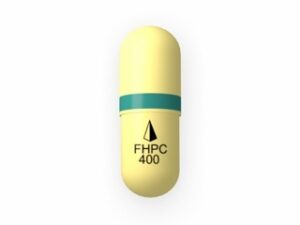

Prometrium® (Progesterone) — Patient Information (UK)
Prometrium is a brand of micronised progesterone, a hormone used to support the body’s natural hormonal balance in specific situations. This page explains what Prometrium is, how it works, how it’s typically used, and important safety and practical considerations for people in the United Kingdom.
Basic product information
| Item | Details |
|---|---|
| Active ingredient | Progesterone (micronised) |
| Brand name | Prometrium® |
| Medicine type | Hormone replacement / progestogen therapy |
| Common formulation | Oral soft capsules (micronised progesterone) |
| Therapeutic area | Support of the menstrual cycle and endometrium; prevention/treatment of progesterone deficiency; use alongside oestrogen when appropriate |
Prometrium contains progesterone, a naturally occurring hormone that helps prepare and maintain the lining of the womb (endometrium) and supports early pregnancy in certain circumstances.
How progesterone works (mechanism of action)
Progesterone acts mainly on the endometrium and influences reproductive hormones throughout the cycle. After ovulation, progesterone helps:
- Transform the endometrium into a receptive state for implantation.
- Support early pregnancy by helping maintain the uterine environment.
- Reduce excessive endometrial growth when oestrogen is present (important for people with a uterus receiving oestrogen therapy).
- Contribute to normal regulation of bleeding patterns in people with progesterone deficiency or hormonal imbalance.
In hormone replacement therapy (HRT), progesterone is often used to protect the uterine lining against the effects of unopposed oestrogen.
Pharmacokinetics (how the body processes Prometrium)
Pharmacokinetics describes how the body absorbs, distributes, metabolises, and eliminates progesterone. With micronised progesterone, oral absorption can occur through the gastrointestinal tract, with effects depending on dose and timing.
- Absorption: Progesterone is absorbed after oral administration. Micronised progesterone is designed to improve bioavailability compared with older formulations.
- Distribution: Progesterone circulates in the bloodstream and acts on target tissues, especially the uterus and reproductive organs.
- Metabolism: It is metabolised mainly in the liver.
- Elimination: Metabolites are excreted primarily via the urine.
- Onset: Clinical effects (for example, bleeding regulation or endometrial support) typically depend on the condition being treated and the duration of use.
Your prescriber may tailor the schedule based on your individual cycle, symptoms, or treatment plan.
What Prometrium is used for (typical uses and indications)
Prometrium is commonly used in women where progesterone support is needed. The exact reason for taking it varies by individual circumstances. In the UK, progesterone medicines like Prometrium are used under clinical guidance for the following common indications:
1) Hormone replacement therapy (HRT)
- Protection of the endometrium in people who have a uterus and are receiving oestrogen therapy. Progesterone helps reduce the risk of endometrial overgrowth linked to unopposed oestrogen.
2) Progesterone deficiency support
- Support in conditions involving low progesterone, including irregular cycles or luteal phase deficiency, where a clinician has identified a progesterone-related issue.
3) Fertility and reproductive support (as clinically appropriate)
- Support for early pregnancy in selected scenarios where progesterone supplementation is considered beneficial by a healthcare professional.
If you are unsure why you were offered Prometrium, check your treatment instructions or speak to a clinician. Different routes and dosing schedules may be used depending on the indication.
Timing and how to take Prometrium
The most important “timing” factor is to follow the schedule given for your specific condition. Typical regimens differ between HRT and reproductive support.
General timing guidance
- Consistency matters: try to take Prometrium at the same times each day.
- Evening dosing may help comfort: some people prefer evening doses because progesterone can cause dizziness or drowsiness.
- Cycle-based schedules: if your course is linked to the menstrual cycle, you may start at a specified day range.
- Do not double doses: if you miss a dose, follow the advice in your information leaflet or from your healthcare professional.
Practical tips for taking capsules
- Take with water.
- Swallow the capsule whole unless your clinician advises otherwise.
- If the capsule feels difficult to swallow, ask your pharmacist for advice on techniques that suit you.
- Keep a simple reminder (alarm on your phone, medication chart) to support adherence.
Dosing: typical approaches (UK overview)
Dosing depends on the indication, your medical history, and how your body responds. The information below is intended as a patient-friendly overview of common patterns. Always use the dose and schedule provided by your healthcare professional.
Common dosing patterns
- HRT regimens: progesterone is often given as a continuous daily course or as a sequential course (for example, adding progesterone for part of the cycle) depending on the oestrogen regimen.
- Progesterone deficiency support: dosing is frequently tailored to cycle timing and may be taken for a specified number of days each month.
- Reproductive support: schedules can vary widely and may be adjusted during early pregnancy under specialist guidance.
If you tell us your indication and your capsule strength (for example, 100 mg or another strength), we can help you understand how your prescribed regimen typically aligns with standard approaches—without replacing clinical advice.
Food interactions and what to expect
Food can influence the absorption and tolerability of many oral medicines. With progesterone capsules, the key practical point is: follow your usual routine and stay consistent.
- Absorption: taking progesterone with food may change absorption speed in some people.
- Tolerability: nausea or stomach discomfort may be more noticeable on an empty stomach for some individuals.
- Consistency: if you choose to take Prometrium with food, try to do this each day.
If your symptoms worsen after a particular routine (with or without food), speak to your pharmacist to adjust timing where appropriate.
Alcohol and medicine interactions
Alcohol does not usually “cancel out” progesterone, but it may increase side effects such as dizziness, drowsiness, and impaired concentration. If you experience these effects on Prometrium, it may be sensible to reduce or avoid alcohol.
When to take extra care
- If you need to drive or operate machinery (drowsiness can affect safe decision-making).
- If you have a history of migraines, vertigo, or sensitivity to sedating medicines.
- If you’re taking other medicines that affect the central nervous system (CNS) such as some anti-anxiety medicines, sleeping tablets, or strong antihistamines.
Other important medicine interactions (overview)
Progesterone is metabolised in the liver. Certain medicines can affect liver enzymes and therefore influence progesterone levels. Examples of medicine classes that may interact include:
- Enzyme inducers (some medicines used for epilepsy, certain infections, and herbal preparations such as St John’s wort) may reduce progesterone levels.
- Liver-metabolised medicines may compete for metabolism pathways.
- Medicines affecting clotting risk may require careful assessment because hormonal treatments can influence clotting risk in some individuals.
Always check with a pharmacist for advice if you’re taking: anticoagulants/antiplatelets, medicines for seizures, rifamycin antibiotics, antifungals, some HIV medicines, or herbal products.
Safety profile: who should be cautious
Prometrium is generally well tolerated when used appropriately. However, like all medicines, progesterone can cause side effects and is not suitable for everyone. People with specific medical histories require extra caution and closer monitoring.
Common side effects
- Headache
- Nausea or stomach discomfort
- Dizziness
- Breast tenderness
- Bloating or fluid retention
- Mood changes
- Changes in bleeding pattern (spotting or changes in regularity)
- Fatigue or sleepiness
Serious warnings (seek urgent medical attention)
Stop and seek urgent advice if you develop symptoms that could indicate a serious condition, such as:
- Signs of a blood clot: sudden shortness of breath, chest pain, coughing blood, leg swelling/pain (especially one-sided), or sudden neurological symptoms.
- Severe allergic reaction: swelling of face/lips, difficulty breathing, widespread rash.
- Severe headache or visual disturbances, especially if new or worsening.
- Yellowing of the skin or eyes (jaundice) or severe abdominal pain.
Who should consult a healthcare professional before starting
- History of thrombosis or clotting disorders
- Known liver disease
- Unexplained vaginal bleeding that has not been assessed
- History of hormone-dependent cancers (individual risk assessment required)
- Severe migraines (especially with neurological symptoms)
- Pregnancy-related or reproductive conditions where benefits and risks must be discussed individually
If you have any of the above, it doesn’t automatically mean Prometrium is impossible, but it does mean you should receive professional guidance before using it.
Practical use tips (to help you feel confident)
- Track symptoms and bleeding: keep a short note of any spotting, breakthrough bleeding, mood changes, headaches, or breast tenderness.
- Be consistent with your routine: if you take capsules with food, repeat that routine daily to reduce variability.
- Plan for possible drowsiness: if you feel sleepy or dizzy, consider taking your dose in the evening and avoid alcohol.
- Use medication reminders: setting an alarm can help prevent missed doses.
- Check for new medicines: whenever you start antibiotics, antifungals, seizure medicines, or herbal products, consult your pharmacist about possible interaction effects.
- Don’t stop suddenly without advice: especially if using Prometrium for reproductive support or cycle regulation—ask a clinician for guidance.
Alternative options for progesterone support
If Prometrium isn’t suitable (or if you need a different approach), there may be alternative progesterone or progestogen options available in the UK. Choice depends on the indication, route (oral, vaginal, injection), and your personal tolerance.
Common alternative approaches
- Other micronised progesterone preparations (same active ingredient, different brand or formulation).
- Vaginal progesterone products (often used in fertility settings, depending on clinician preference and availability).
- Other progestogens used in HRT (selection depends on whether uterine protection is needed and on the oestrogen regimen).
Your pharmacist or clinician can discuss which alternative best matches your treatment goal, side-effect profile, and schedule.
UK market and legal context (high-level)
In the United Kingdom, medicines containing progesterone are regulated and dispensed according to UK medicine licensing and pharmacy standards. Availability may vary by product strength and formulation, and medicines are supplied through licensed routes in line with UK requirements.
- Pharmacy supply: progesterone products are typically supplied through NHS or private prescribing pathways depending on your circumstances.
- Medicines regulation: products must meet UK regulatory standards and safety monitoring requirements.
- Ongoing safety monitoring: patient safety is supported through post-marketing surveillance and pharmacovigilance in the UK.
For the most accurate and up-to-date information for your specific product, check the patient leaflet supplied with your medicine or speak to a pharmacist.
Recent guidance and clinical considerations (UK relevance)
Clinical practice around progesterone use evolves with new evidence, and guidance may differ based on the situation (HRT versus fertility or early pregnancy support). In the UK, healthcare professionals commonly emphasise:
- Individual benefit–risk assessment (especially regarding clotting risk and medical history).
- Appropriate uterine protection when oestrogen is used in people with a uterus.
- Clear dosing schedules for cycle-dependent indications and early pregnancy support.
- Monitoring for side effects and unusual symptoms (such as heavy or unexplained bleeding).
Always follow the plan created for your circumstances. If your symptoms change or you experience unexpected bleeding patterns, contact your clinician promptly for review.
Delivery and availability in the UK
Availability of Prometrium depends on the product strength, stock levels, and the supply channel used by the online pharmacy. Once ordered, delivery is commonly arranged using tracked postal services or courier options, with dispatch times that may vary.
What to expect
- Stock checks: reputable online pharmacies typically confirm availability before dispatch.
- Tracked delivery: shipments often include tracking for delivery confidence.
- Cold chain: progesterone capsules are typically stored at controlled room temperature; follow the storage instructions on the pack.
- Packaging: medicines are usually packed to protect from light and damage.
When you place an order, review the estimated delivery timeframe shown on the checkout page and ensure you provide a correct delivery address.
FAQ — Prometrium (progesterone)
1) What is Prometrium used for?
Prometrium (micronised progesterone) is used to support progesterone needs in specific situations, including protection of the uterine lining when oestrogen is used in HRT, and for progesterone-related support in reproductive care where clinically appropriate. Your exact reason may differ, so follow your individual treatment instructions.
2) How long does it take to work?
Some effects (like changes in bleeding pattern) may take days to weeks depending on your regimen and indication. For cycle-based uses, progesterone support generally relates to the timeframe in which it’s taken. In reproductive settings, outcomes depend on many factors, so clinicians usually assess progress at scheduled intervals.
3) Can I take Prometrium with food?
Many people take progesterone capsules with food to help comfort. Food may influence absorption and side effects in some individuals. If you experience nausea on an empty stomach, consider taking it with a meal—while remaining consistent day to day.
4) Is it safe to drink alcohol while taking Prometrium?
Moderate alcohol may not be strictly contraindicated for everyone, but alcohol can increase dizziness, drowsiness, and impaired concentration. If you feel sleepy or unsteady on Prometrium, it’s best to reduce alcohol or avoid it and avoid driving until you know how you respond.
5) What should I do if I miss a dose?
The best action depends on your dosing schedule and indication. Refer to the patient leaflet provided with your medicine or speak to your pharmacist for advice specific to your regimen. Avoid doubling doses unless instructed.
6) What side effects are most common?
Common effects include headache, nausea, dizziness, breast tenderness, bloating, mood changes, and changes in bleeding. If side effects are severe or persistent, seek advice.
7) Are there any warning signs that mean I should get urgent help?
Yes. Seek urgent medical attention if you develop symptoms suggestive of a blood clot (such as sudden breathlessness, chest pain, coughing blood, or one-sided leg swelling/pain), severe allergic reactions, jaundice, or severe worsening headaches with visual or neurological symptoms.
8) Can I take Prometrium if I have liver problems?
Caution is needed with liver disease because progesterone is metabolised in the liver. Discuss your medical history with a clinician or pharmacist before use.
9) Does Prometrium interact with other medicines?
It can. Medicines that affect liver enzymes or other metabolic pathways may change progesterone levels. This can include certain seizure medicines, some infection treatments, and herbal products such as St John’s wort. Tell your pharmacist about all medicines and supplements you take.
10) What are the storage and expiry considerations?
Follow the storage instructions on the pack and keep capsules in their original packaging. Do not use beyond the expiry date. If you have concerns about damaged packaging, ask your pharmacist.
Summary (quick take-home points)
- Prometrium contains micronised progesterone used for specific hormone-related indications.
- It helps prepare and maintain the endometrium and supports hormonal balance.
- Use the timing and dose tailored to your condition and remain consistent.
- Food may affect comfort and absorption in some people—consider taking it with food if it helps you feel better.
- Alcohol may worsen dizziness or drowsiness; use caution.
- Seek urgent help for warning symptoms such as possible blood clots or severe allergic reactions.
- Check interactions with your pharmacist, especially for medicines that affect liver metabolism.