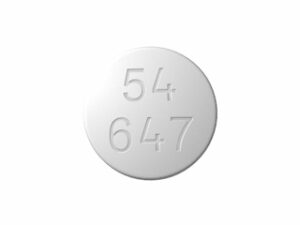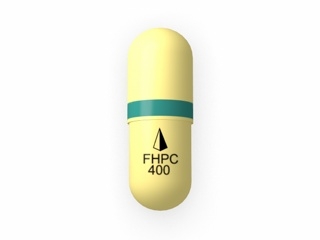


Ponstel (Mefenamic Acid) – Patient Guide (UK)
Ponstel contains mefenamic acid, a non-steroidal anti-inflammatory drug (NSAID) used to relieve pain and inflammation. This guide explains how Ponstel works, how it’s used, what to expect, and important safety information for adults in the United Kingdom.
Always follow the directions on the product packaging and any advice from your healthcare professional. If you are unsure whether Ponstel is suitable for you, speak to a pharmacist.
Quick overview
- Active ingredient: Mefenamic acid
- Drug type: NSAID (pain reliever and anti-inflammatory)
- Common use: Relief of pain related to inflammatory conditions and painful periods (dysmenorrhoea)
- How it’s taken: Usually by mouth, with regular dosing over a short course
- Key cautions: Risk of stomach irritation/ulcers and increased bleeding risk; avoid with certain conditions and medicines
Basic product information
| Feature | Details |
|---|---|
| Medicine | Ponstel (mefenamic acid) |
| Group | NSAID (non-steroidal anti-inflammatory drug) |
| Available as | Oral capsules/tablets depending on brand presentation (check your specific pack) |
| Typical duration | Short-term use; for menstrual pain usually only for the days you have symptoms |
| Common reasons for use | Pain with inflammation; painful periods (dysmenorrhoea) |
How Ponstel works (mechanism of action)
Mefenamic acid is an NSAID that reduces pain and inflammation by blocking the production of certain chemicals called prostaglandins. Prostaglandins are involved in:
- Pain signalling in the nervous system
- Inflammation and swelling in tissues
- Fever (NSAIDs can reduce fever in some cases)
- Uterine contractions during menstruation, which can contribute to cramping
By lowering prostaglandins, Ponstel can help relieve pain and make you feel more comfortable.
Pharmacokinetics (how the body handles mefenamic acid)
Pharmacokinetics describes the path the medicine takes through the body—absorption, distribution, metabolism, and elimination. Exact values vary by person, formulation, and dose, but the general pattern for mefenamic acid is:
- Absorption: After oral dosing, mefenamic acid is absorbed from the gastrointestinal tract.
- Distribution: It binds to proteins in the blood and reaches target tissues where pain and inflammation occur.
- Metabolism: The body metabolises mefenamic acid primarily in the liver.
- Elimination: Metabolites are removed mainly via the kidneys and also via bile/intestinal pathways.
- Half-life: The medicine is cleared over time; dosing is structured to keep symptom relief consistent.
If you have kidney or liver problems, the way mefenamic acid is processed can be affected—ask a pharmacist for advice.
Typical uses and indications in the UK
Ponstel is used to relieve pain associated with inflammatory conditions, and specifically for painful menstrual periods (dysmenorrhoea).
Common indications include:
- Dysmenorrhoea: Cramps and lower abdominal pain around menstruation
- Pain with inflammation where an NSAID is appropriate
Ponstel is not meant as a long-term daily pain medicine for chronic conditions unless your clinician advises otherwise. For ongoing or worsening pain, seek medical advice.
When to take Ponstel (timing and how often)
The best timing depends on the symptoms you’re treating and your personal risk factors. In general, NSAIDs work best when taken early enough for pain to be controlled before it becomes severe.
For painful periods (dysmenorrhoea)
- Start taking Ponstel when symptoms begin (or at the start of menstruation, if that’s when your cramps usually start).
- Continue only for as long as you need it—typically for the duration of the painful period.
For other short-term pain
- Take at the first sign of pain.
- Keep doses evenly spaced through the day as directed on your pack.
Important: Always follow the dosing schedule provided with your specific Ponstel product. Different strengths and formulations may lead to different instructions.
Dosing guidance (adults)
Dosing must be individualised based on age, symptoms, and risk factors (especially for stomach and cardiovascular side effects). Below is general dosing information that may match typical adult regimens; check your pack for the exact schedule.
- Usual adult dose: Taken by mouth, typically several times per day.
- Maximum daily dose: Do not exceed the maximum stated on the package.
- Duration: Use for the shortest time needed to control symptoms.
Children and adolescents: Ponstel is generally not used for children unless a clinician specifies an appropriate paediatric regimen. For children’s pain, ask your pharmacist for suitable age-appropriate options.
If you miss a dose, take it when you remember unless it’s close to the next dose. Do not take double the amount to make up for a missed dose.
Food interactions and what to eat
Food can affect how well NSAIDs are tolerated in the stomach. For mefenamic acid, the main practical concern is gastrointestinal irritation.
- Taking with food: Taking Ponstel with meals or milk can reduce the chance of stomach upset.
- Avoid empty stomach: If you have a sensitive stomach or a history of indigestion, ulcers, or reflux, take it with food.
- Hydration: Drink water with each dose.
There are no specific “must avoid” foods listed for mefenamic acid in the way some medicines interact with dairy or caffeine, but keeping your stomach well-protected with meals is a sensible approach.
Alcohol and medicine interactions
Combining NSAIDs with alcohol can increase the risk of stomach irritation and bleeding. Alcohol can also worsen dizziness or drowsiness in some people.
Alcohol
- Recommendation: Avoid alcohol or keep it minimal while taking Ponstel.
- Higher risk situations: If you’ve had a stomach ulcer, gastrointestinal bleeding, or take blood-thinning medicines, discuss alcohol use with a pharmacist.
Other medicines that may interact with Ponstel
Ponstel can interact with medicines that affect blood clotting, the kidneys, or the stomach lining. Before starting, consider discussing with a pharmacist if you take any of the following:
- Other NSAIDs (e.g., ibuprofen, naproxen, diclofenac, aspirin for pain): increases risk of stomach and kidney side effects
- Anticoagulants (blood thinners) such as warfarin and similar agents: increases bleeding risk
- Antiplatelet medicines (e.g., clopidogrel): may increase bleeding risk
- SSRIs/SNRIs (antidepressants such as sertraline or venlafaxine): can raise bleeding risk when combined with NSAIDs
- Corticosteroids (e.g., prednisolone): may increase ulcer risk
- Diuretics (“water tablets”) and medicines for high blood pressure (ACE inhibitors/ARBs): may affect kidney function when combined with NSAIDs
- Lithium: NSAIDs can increase lithium levels, raising risk of toxicity
- Methotrexate: may increase toxicity risk
- Digoxin: possible changes in levels
If you take several medicines, it can help to keep an up-to-date list and show it to your pharmacist. This is especially important for older adults and people with long-term conditions.
Safety profile: side effects and when to stop
Like all medicines, Ponstel can cause side effects. Many people tolerate NSAIDs well when used correctly, but there are important risks to understand—particularly regarding the stomach, kidneys, and heart/blood pressure.
Common side effects
- Stomach upset, nausea, indigestion
- Abdominal pain
- Heartburn
- Dizziness in some people
- Headache
Serious side effects – seek urgent medical help
Stop taking Ponstel and seek urgent medical advice if you experience any of the following:
- Signs of stomach bleeding: vomiting blood, black/tarry stools, or blood in stool
- Severe allergic reaction: swelling of the face/lips, wheezing, or difficulty breathing
- Severe skin reactions: blistering rash or peeling skin
- Chest pain, sudden shortness of breath, or weakness on one side (possible cardiovascular event)
- Reduced urination, swelling in legs/ankles, or severe persistent tiredness (possible kidney issue)
- Unexplained severe headache or vision changes
Who should be extra cautious
Talk to a pharmacist before using Ponstel if you have any of the following:
- A history of stomach ulcers or gastrointestinal bleeding
- Heart disease, stroke history, or uncontrolled high blood pressure
- Kidney disease or dehydration
- Asthma that has worsened with aspirin/NSAIDs (NSAID-exacerbated respiratory disease)
- Liver disease
- Are older or frail (side effects may be more likely)
- You are pregnant (especially later pregnancy—NSAIDs can be harmful)
- You are trying to conceive or have fertility concerns (ask for advice)
Practical use tips (how to get the best results safely)
- Use the lowest effective dose for the shortest time needed to control symptoms.
- Take with food if you’re prone to indigestion or stomach discomfort.
- Stay hydrated, particularly if you’re unwell or not eating much.
- Don’t combine NSAIDs: avoid taking Ponstel together with ibuprofen, naproxen, diclofenac, or similar products.
- Check “cold and flu” medicines: some contain additional painkillers that can duplicate NSAID effects.
- Track symptoms: if pain is not improving after a short course, seek advice rather than extending use.
- Be mindful with driving: if you feel dizzy or drowsy, avoid driving or operating machinery.
Alternative options for pain relief
If Ponstel isn’t suitable for you, several alternatives may be available depending on your symptoms and medical history. For menstrual pain and inflammatory pain, options often include:
Common alternative analgesics
- Paracetamol (acetaminophen): often gentler on the stomach than NSAIDs; useful for mild to moderate pain.
- Other NSAIDs: some people may tolerate another NSAID better, but risks are similar across the class.
- Non-medicine approaches (especially for period pain): heat packs, rest, gentle exercise, and stress reduction can help.
Choosing the right option
The best alternative depends on your history (for example, ulcer risk, kidney function, blood pressure, and other medicines). A pharmacist can help you compare options.
Market and legal context (UK)
Ponstel (mefenamic acid) is an established NSAID product available in the UK through pharmacies and regulated supply channels. Medicines in the UK are provided under the medicines framework overseen by the regulatory authorities, and pharmacy supply must comply with relevant legislation and safety requirements.
Availability can vary by supplier, stock levels, and the specific formulation/strength. If a pack is temporarily out of stock, we may offer comparable alternatives where appropriate.
Recent guidance and safety trends (general)
In the UK, healthcare professionals continue to emphasise NSAID safety:
- Using the lowest effective dose and shortest duration (especially in older adults).
- Extra caution for people with previous ulcers, those on blood thinners, and those with cardiovascular risk.
- Considering stomach protection strategies for higher-risk individuals (discuss with a pharmacist/clinician).
- Reviewing medicine interactions before starting NSAIDs.
Delivery and availability (online pharmacy)
Ponstel may be supplied as per the product listing on this website. Availability can change, and delivery times depend on:
- Current stock in the warehouse
- Dispatch cut-off times
- Your delivery address within the UK
- Carrier schedules
After placing an order, you should receive confirmation and tracking details (if offered). If the product is temporarily unavailable, you may be contacted about alternatives.
FAQ
1) What is Ponstel used for?
Ponstel (mefenamic acid) is used to relieve pain, particularly for painful menstrual periods (dysmenorrhoea), and for pain related to inflammatory conditions where an NSAID is appropriate.
2) How quickly does it work?
Many people notice symptom relief within a short time after taking an oral dose. The exact speed varies by person and whether you take it with food. If your pain is not improving, seek advice rather than extending use indefinitely.
3) Can I take Ponstel with food?
Yes. Taking Ponstel with meals or milk may help reduce stomach upset. If you get indigestion, taking it with food is generally a good idea.
4) Can I take Ponstel with ibuprofen or other NSAIDs?
Avoid combining NSAIDs unless a clinician specifically tells you to. Taking multiple NSAIDs increases the risk of stomach bleeding, kidney problems, and other side effects.
5) Can I drink alcohol while taking Ponstel?
It’s best to avoid or minimise alcohol. Alcohol can increase the risk of stomach irritation and bleeding when used with NSAIDs.
6) Who should not use Ponstel?
Ponstel may not be suitable for people with a history of stomach ulcers or bleeding, certain kidney or heart conditions, those with NSAID-sensitive asthma, or during later pregnancy. If you’re unsure, ask a pharmacist for personalised guidance.
7) What should I do if I miss a dose?
Take it when you remember unless it’s close to the next dose. Do not take double the dose to catch up.
8) What side effects are most common?
Common side effects include indigestion, nausea, abdominal discomfort, and sometimes dizziness or headache. Seek urgent help for signs of stomach bleeding or an allergic reaction.
9) Is Ponstel safe for long-term use?
Ponstel is generally intended for short-term use. If you need pain relief for a persistent problem, talk to a healthcare professional to ensure the underlying cause is addressed and to consider safer long-term strategies.
10) What if I’m already taking other medicines?
Some medicines—including blood thinners, corticosteroids, certain antidepressants, and blood pressure or kidney medicines—can interact with NSAIDs. Check your medicine list with a pharmacist before starting Ponstel.
Summary
Ponstel (mefenamic acid) is an NSAID that helps reduce pain and inflammation by blocking prostaglandins. It is commonly used for painful periods and for short-term painful inflammatory conditions. For best results, use it with food when needed, avoid combining with other NSAIDs, and watch for stomach bleeding or allergy symptoms. If your pain persists or you have risk factors, seek advice promptly.