
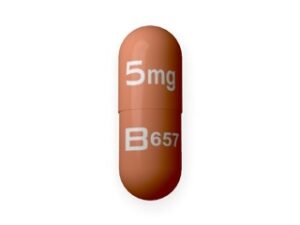

Provigil (Modafinil) — Patient Information (UK)
Provigil is the brand name commonly used for modafinil, a medicine used to promote wakefulness. This guide is written to help you understand how modafinil works, how it’s typically taken, and what to consider for safe use. It is intended for patient-friendly information available for online pharmacy shoppers in the United Kingdom.
Always follow advice from your healthcare professional and the instructions on your specific product label. Medicines can affect people differently.
Quick Overview
| Topic | What to know |
|---|---|
| Active ingredient | Modafinil |
| Common purpose | Helps maintain wakefulness in certain sleep disorders |
| How it works | Promotes wakefulness by influencing brain chemical pathways |
| Typical dosing | Often taken once daily in the morning; dose varies by condition |
| Common side effects | Headache, nausea, nervousness/insomnia, dry mouth |
| Key cautions | Interactions, mood/psych symptoms, heart rhythm/BP monitoring in some patients |
| UK availability | Subject to UK medicine classification and supply rules |
Basic Product Information
Provigil (modafinil) is a wakefulness-promoting agent. It is used in adults for specific conditions where excessive daytime sleepiness is a key feature. These conditions are generally diagnosed by clinicians after careful evaluation of sleep patterns and underlying causes.
Depending on the formulation you receive, modafinil may come in tablet strengths (commonly 100 mg and 200 mg). Your local online pharmacy listing should provide the strength per tablet and the manufacturer.
How Provigil (Modafinil) Works (Mechanism of Action)
Modafinil’s exact mechanism is not completely understood, but it is known to promote wakefulness by affecting signalling pathways in the brain. It influences neurotransmitters and related systems involved in alertness, including pathways that involve:
- Dopamine (indirectly through regulation of dopamine-related signalling)
- Orexin/hypocretin systems that support wakefulness
- Other related signalling networks that modulate arousal and energy
- Brain regions involved in vigilance, attention, and sleep–wake regulation
Unlike some traditional stimulants, modafinil is generally described as having a different pharmacological profile and is typically used for medical sleep-related indications. It does not “replace” sleep; it helps reduce excessive sleepiness.
Pharmacokinetics (Absorption, Distribution, Metabolism, Elimination)
Pharmacokinetics describes what the body does to a medicine. For modafinil, key points include:
- Absorption: Modafinil is absorbed after oral dosing. Peak levels typically occur within several hours. Many people find it takes time after the morning dose to feel full effects.
- Distribution: It distributes into body tissues and can cross into the central nervous system (brain), contributing to its wakefulness effects.
- Metabolism: Modafinil is primarily metabolised in the liver by enzymatic pathways (commonly involving CYP enzymes). This is important for drug–drug interactions.
- Elimination: Metabolites are eliminated mainly via the kidneys (urine). The medicine has a relatively long duration of action, which is why timing of the dose matters for sleep at night.
Typical Uses and Indications (UK context)
In the UK, modafinil is used in certain adults with diagnosed sleep disorders associated with excessive daytime sleepiness, such as:
- Narcolepsy (with or without cataplexy) — to help reduce excessive daytime sleepiness.
- Obstructive Sleep Apnoea (OSA) — only in selected patients where sleep apnoea has been treated (for example with continuous positive airway pressure, CPAP) and sleepiness persists.
- Excessive sleepiness associated with shift work — when excessive sleepiness occurs in people working rotating or night shifts and standard sleep strategies are insufficient.
The exact suitability depends on diagnosis, severity, other health problems, and potential interactions with your current medicines. Your clinician will typically evaluate sleep hygiene and address underlying causes before starting modafinil.
How to Take Provigil (Timing and Dosing)
General timing advice
Because modafinil can promote wakefulness and may interfere with night-time sleep, it is commonly taken in the morning. Many people find that earlier dosing helps minimise insomnia.
- Take in the morning: Often once daily, earlier in the day.
- Avoid late dosing: Taking it too late can cause difficulty falling asleep or staying asleep.
- Be consistent: Similar timing each day helps maintain stable effect.
Typical dosing (must be personalised)
Doses can vary by indication and patient factors. Your clinician will determine the most appropriate dose and whether adjustments are needed. Below is a patient-friendly overview of what is commonly described in product information and clinical practice.
| Condition (overview) | Common adult dosing approach | Timing |
|---|---|---|
| Narcolepsy | Often starts at a lower dose and may be adjusted based on response | Usually morning |
| OSA with persistent sleepiness despite treatment | Typically once daily with possible adjustment | Usually morning |
| Shift work-related excessive sleepiness | Often taken before the work period (as advised) | Before shift, avoiding overlap with intended sleep |
Important: Always follow the dosing instructions you receive with your specific product and clinical plan. Do not change dose frequency or take extra tablets to “catch up” if a dose is missed.
If you miss a dose
- If you remember soon after your planned time, take it as instructed.
- If it is late in the day or close to your bedtime, wait until the next morning (or next planned dose) to reduce insomnia risk.
- If unsure, ask a pharmacist for guidance.
Food Interactions (Can You Take It With Meals?)
For many people, modafinil can be taken with or without food. However, food may affect how quickly it takes effect for some individuals.
- With food: May be easier on the stomach if you get nausea.
- Without food: Some people may notice earlier onset.
- Consistency helps: Try to take it the same way each day.
If you experience stomach upset, take the tablet with a meal or snack and speak to your pharmacist or clinician.
Alcohol and Medicine Interactions
Alcohol
Alcohol may increase side effects such as dizziness, tiredness, impaired judgement, or nausea. Even though modafinil promotes wakefulness, it does not reliably “cancel out” the effects of alcohol on reaction time and decision-making.
- Avoid heavy drinking while taking modafinil.
- Be cautious if you plan to drive or operate machinery.
- If you notice increased dizziness or mood changes after drinking, avoid alcohol and seek advice.
Interactions with other medicines
Modafinil can interact with other medicines due to its impact on liver enzymes involved in drug metabolism. It may change how quickly other medicines are cleared, which can affect both effectiveness and side effects.
Tell your pharmacist or clinician about all medicines you take, including:
- Prescription medicines
- Over-the-counter medicines
- Herbal products (e.g., St John’s wort)
- Supplements
Common interaction considerations include:
- Hormonal contraception: Some enzyme-inducing effects may reduce effectiveness of certain hormonal contraceptives. If this applies to you, discuss reliable contraception options with your clinician.
- Antiepileptic medicines: Interaction risks may exist, especially if you take medicines for seizures.
- Medicines affecting mood or sleep: Combining with antidepressants, anxiety treatments, or sedatives may affect overall alertness or increase side effects.
- Warfarin or blood thinners: Monitoring may be needed because changes in metabolism can affect bleeding risk.
- Other CNS-active drugs: Concurrent use may increase nervous system side effects.
Do not start, stop, or adjust dose of other medicines without professional guidance.
Safety Profile: Side Effects and When to Seek Help
Common side effects
Side effects vary by person. Many are mild and may improve after the first few days or weeks.
- Headache
- Nausea or stomach discomfort
- Nervousness, anxiety, or restlessness
- Insomnia (especially if taken too late)
- Dry mouth
- Reduced appetite
- Back pain (reported in some patients)
Serious side effects (urgent medical advice)
Seek urgent medical advice if you experience signs of serious reactions. For example:
- Allergic reaction: swelling of face/lips, rash with breathing difficulty
- Severe skin reactions: blistering, peeling skin, painful sores in the mouth/eyes
- Mood or behavioural changes: agitation, unusual aggression, hallucinations, severe confusion
- Chest pain, fainting, or severe palpitations
- Severe headache with neurological symptoms (e.g., weakness on one side, trouble speaking)
If you are unsure whether symptoms are serious, contact a clinician or urgent care service promptly.
Who should be extra cautious?
- History of mental health conditions (especially bipolar disorder or psychosis)
- History of seizures or epilepsy (discuss risks)
- Significant heart conditions or rhythm problems
- Significant liver or kidney impairment (may require dose adjustment and monitoring)
- Older adults who may be more sensitive to side effects
- People combining modafinil with other stimulating or sleep-modifying agents
Practical Use Tips (Getting the Best Benefit Safely)
1) Start at the right time for your schedule
- Morning use: Helps reduce insomnia risk.
- Shift work: Take before your work period as advised, keeping in mind your “sleep window”.
2) Don’t rely on it instead of sleep
Modafinil can reduce sleepiness, but it cannot replace the restorative effects of sleep. Maintaining good sleep hygiene improves outcomes and reduces the risk of “catch-up sleep” problems.
3) Monitor how you feel during the first 1–2 weeks
- Check for headache, nausea, anxiety, and sleep quality.
- If you notice worsening symptoms, inform your clinician rather than increasing dose.
4) Keep an eye on driving and safety
Excess sleepiness can be dangerous. At the same time, side effects like dizziness, mood changes, or impaired judgement can occur. If you feel “off,” avoid driving or hazardous tasks.
5) Hydration and meals
- Headaches and dry mouth may improve with regular water intake.
- Taking with food can help if you experience nausea.
Alternative Options (If modafinil isn’t suitable)
The best alternative depends on your diagnosis and individual health profile. Clinicians may consider:
- Optimising treatment of the underlying sleep disorder
- For OSA: adherence to CPAP and addressing mask fit and comfort
- For narcolepsy: sleep scheduling and behavioural strategies alongside medication plans
- Other wakefulness-promoting medicines
- Some patients may be switched to medicines with different dosing schedules or side effect profiles, depending on local prescribing practices and suitability.
- Addressing lifestyle and sleep hygiene
- Consistent sleep–wake times
- Light exposure strategies
- Managing shift-work sleep disruption
- Behavioural and supportive therapies
- For shift work, targeted scheduling and naps may reduce sleepiness.
If modafinil causes unacceptable side effects or interactions, ask your healthcare professional about the most appropriate alternative for your specific condition.
Market and Legal Context in the United Kingdom
In the UK, medicines are regulated through processes that determine legal status, supply conditions, and prescribing/dispensing pathways. The availability of modafinil products is subject to UK medicines regulation and classification.
Online pharmacies typically must comply with UK requirements for:
- Authorised supply by an appropriate regulated pharmacy
- Provision of accurate product information including active ingredient and strength
- Patient safety checks (such as ensuring medicines are appropriate and interactions are considered)
- Controlled/regulated product handling where applicable under UK law
Because regulatory rules can change, your pharmacy listing may include information about product status, delivery conditions, and required patient checks.
Recent Guidance and Ongoing Safety Considerations
Safety communications and clinical guidance in the UK can evolve as more evidence becomes available about side effects, interactions, and best prescribing practice. Key ongoing themes include:
- Careful patient selection for excessive daytime sleepiness indications
- Monitoring for mood changes and unusual behavioural effects
- Awareness of drug interactions, particularly via liver metabolism pathways
- Ensuring sleep disorders are properly treated (especially CPAP for OSA)
- Maintaining appropriate dosing and timing to reduce insomnia
If you are currently using modafinil, it’s sensible to have regular reviews with your healthcare professional, especially if your dose changes or new medicines are started.
Delivery and Availability (UK)
Availability can vary depending on stock levels and supply arrangements. If you shop online, the pharmacy website usually provides:
- Tablet strength and pack size
- Expected delivery timeframe
- Service area coverage within the UK
- Packaging and temperature/storage notes (if relevant)
- Order tracking options
For regulated medicines, the pharmacy may also carry out safety checks to confirm suitability before dispatch. If you have questions about delivery or product availability, you can contact customer support through the online pharmacy.
Safety When Using Provigil: Storage and Handling
- Store tablets according to the instructions on the packaging.
- Keep out of sight and reach of children.
- Check the expiry date before use.
- Do not use tablets that look damaged or differ from the usual appearance.
FAQ (Frequently Asked Questions)
Is Provigil the same as modafinil?
Yes. Provigil is commonly a brand name for the active ingredient modafinil. Different manufacturers may supply modafinil under brand or generic names.
When should I take modafinil?
Many people take it in the morning to reduce the chance of insomnia. For shift-work related sleepiness, timing may be different—often taken before the work period—based on your clinical plan.
Can I take it with food?
Generally, modafinil can be taken with or without food. If you get nausea, taking it with a meal may help. For best predictability, try to take it the same way each day.
Will modafinil make me feel “energised” like a stimulant?
Some people feel more alert and less sleepy, while others mainly notice reduced sleepiness without feeling “stimulated.” Effects can vary, and side effects such as anxiety or insomnia can also occur.
Can I drink alcohol while taking Provigil?
Alcohol may increase side effects and impair judgement. Modafinil does not reliably prevent alcohol-related impairment. It’s best to limit alcohol and avoid driving or risky activities if you’ve been drinking.
What medicines interact with modafinil?
Modafinil can interact with other medicines due to liver metabolism effects. Particular attention is needed with some hormonal contraceptives, seizure medicines, blood thinners, antidepressants/sedatives, and other medicines processed by liver enzymes. Always review your full medication list with a pharmacist or clinician.
What side effects should I watch for?
Common effects include headache, nausea, dry mouth, nervousness, and insomnia. Seek urgent medical attention for serious allergic reactions, severe skin reactions, chest pain, fainting, or significant mood/behaviour changes.
How long does it take to work?
Many people notice effects within a few hours after taking a dose. Full benefit can develop as your body adapts and your dose/timing is optimised.
Can I stop modafinil suddenly?
Do not stop or change your dose without speaking to your healthcare professional. If you want to stop because of side effects or concerns, discuss a safe plan with your clinician.
Is modafinil safe for everyone?
Not for everyone. Extra caution may be needed with certain mental health conditions, seizure disorders, heart conditions, liver impairment, or when taking interacting medicines. Your pharmacist or clinician can assess suitability based on your medical history and current medicines.
What if I can’t sleep after taking it?
Insomnia is a key reason to check timing. Try taking it earlier in the day and avoid late dosing. If insomnia continues or worsens, contact your healthcare professional—do not increase dose to “balance” sleep issues.
Are there alternatives to Provigil?
Yes. Depending on your sleep disorder, clinicians may consider other wakefulness-promoting medicines or focus on optimising treatment of the underlying condition (for example CPAP for OSA) and sleep hygiene strategies.
Important Reminder
If you are experiencing excessive daytime sleepiness, it is important to get an accurate diagnosis and to treat the underlying condition appropriately. Modafinil can help manage symptoms, but it must be used responsibly and safely, particularly regarding timing, interactions, and side effects.