Samsca (Tolvaptan) – Patient Information (UK)
Samsca is the brand name of tolvaptan, a medicine used to treat a specific type of low sodium level in the blood known as hyponatraemia. This page explains how it works, how it’s used, key safety information, and practical tips to help you use your medicine more confidently. It is written for people in the United Kingdom.
If you have been prescribed Samsca, follow your prescriber’s instructions and the information provided with your medicine. Always contact a healthcare professional if you have questions or if you feel unwell.
Basic product information
- Medicine: Samsca
- Active ingredient: Tolvaptan
- Medicinal class: Vasopressin (ADH) receptor antagonist (V2-receptor blocker)
- What it treats: Certain cases of hyponatraemia (low sodium), particularly where fluid balance is involved
- How it is taken: Typically by mouth, once daily
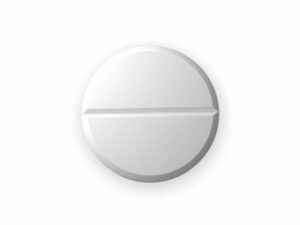
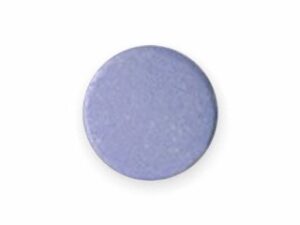
Samsca comes in tablet form. The exact strength you use depends on your individual situation and your local product presentation.
How Samsca works (mechanism of action)
Your body uses a natural hormone called vasopressin (also known as ADH). Vasopressin helps the kidneys hold onto water. It mainly acts on V2 receptors in the kidney collecting ducts.
Tolvaptan blocks the V2 receptors. This reduces the effect of vasopressin, making your kidneys excrete more water while retaining sodium and other electrolytes.
- Net effect: Increases “free water” excretion (water diuresis).
- Result: Helps raise blood sodium in appropriate hyponatraemia.
This approach differs from many other diuretics because the primary aim is to correct water-related hyponatraemia rather than simply “drain” fluid.
Pharmacokinetics (how the body processes tolvaptan)
Pharmacokinetics describes what happens after you take a medicine—absorption, distribution, metabolism, and elimination. For tolvaptan, key points include:
- Absorption: Tolvaptan is absorbed after oral dosing.
- Time to effect: Changes in urine output and water balance can occur after dosing.
- Metabolism: Tolvaptan is metabolised mainly in the liver.
- Elimination: The medicine and its metabolites are eliminated from the body primarily through the liver/bile route.
Because metabolism depends on liver function and some interactions may involve liver enzymes, it is important to discuss your medical history and other medicines with a healthcare professional before starting or changing Samsca.
Typical use in the UK
Samsca is used to treat hyponatraemia in certain settings where:
- There is low sodium in the blood
- The hyponatraemia is associated with fluid imbalance where correcting free water retention is helpful
- Your sodium needs to be corrected in a controlled manner
In practice, Samsca is often considered in situations where sodium levels are significantly low or not responding to other measures. The exact choice of treatment depends on the cause of hyponatraemia and how quickly it developed.
Indications (when Samsca is used)
Samsca is indicated for the treatment of clinically relevant euvolaemic and hypervolaemic hyponatraemia in adults. Your healthcare team will determine whether your specific type of hyponatraemia is suitable for tolvaptan.
Hyponatraemia may occur for different reasons, such as heart failure, liver disease, or certain hormone-related conditions. Correct diagnosis is essential because treatment must be tailored and because correcting sodium too quickly can be dangerous.
Dosing (general information)
Dosing is individual and should follow the instructions provided by your healthcare professional and the product information leaflet. Below are general considerations commonly used with tolvaptan in clinical practice.
- Starting dose: Often starts at a low dose to gauge response.
- Titration: Dose may be adjusted based on your blood sodium results and symptoms.
- Monitoring: Sodium levels and fluid status may be monitored closely, particularly during the early stages of treatment.
- Duration: Use may be limited depending on the underlying condition and response.
Important: Your prescriber will decide the dose and schedule that are right for you. Never change your dose without medical advice.
Timing and how to take Samsca
Samsca is usually taken once daily. Because it promotes water excretion, timing can affect how often you need to urinate.
- Take at the same time each day as instructed.
- Avoid taking very late in the day if this causes troublesome nighttime urination.
- Stay hydrated appropriately in line with your healthcare advice.
If you have been given guidance about fluid intake or fluid restriction, follow it carefully. These instructions are part of preventing rapid sodium correction and managing your overall fluid balance.
Food interactions
Most people take Samsca with or without food, but individual product guidance should be followed. In general, food is not usually the main driver of whether tolvaptan works, but the following points can help:
- Consistency: Try to take it the same way each day (with food or without food) to keep your routine stable.
- Avoid sudden major fluid or dietary changes unless advised.
- Tell your healthcare team about any special diet you follow (e.g., kidney diet, salt restriction).
If you have liver problems or chronic conditions, ask your pharmacist whether any dietary considerations apply to you.
Alcohol and medicine interactions
Alcohol
Alcohol can contribute to dehydration and may affect your sodium level and overall fluid balance. It may also increase dizziness or tiredness in some people. Because Samsca changes how much water your kidneys remove, it’s generally sensible to:
- Avoid binge drinking.
- Discuss moderate alcohol use with a healthcare professional if you drink regularly.
- Be extra cautious if you feel light-headed, weak, or unusually thirsty.
Medicine interactions (general)
Tolvaptan can interact with other medicines, particularly those affecting liver metabolism or fluid balance. Always review your full list of medicines (including over-the-counter products and supplements).
Common interaction themes include:
- Liver enzyme effects: Medicines that inhibit or induce liver enzymes may change tolvaptan levels.
- Other diuretics: Combined effects may worsen dehydration or affect electrolyte balance.
- Medicines that affect sodium: Treatments that also alter sodium/water balance may change the risk of sodium shifts.
- Hyperkalaemia/hypokalaemia medicines (and kidney-related medicines): Your overall electrolyte management needs individual review.
If you are unsure about any medicine, check with a pharmacist. Providing your exact medicine names helps ensure safe advice.
Safety profile: important risks to know
Like all medicines, Samsca can cause side effects. The most important concerns relate to:
- Too rapid correction of sodium (which can be harmful)
- Over-correction and dehydration due to increased water loss
- Liver injury in some cases
- Urinary frequency and thirst
Commonly reported side effects
- Thirst
- Increased urination
- Dizziness or feeling light-headed
- Dry mouth
- Weakness or fatigue
Serious warning signs – seek urgent medical help
Contact urgent medical services or seek immediate advice if you experience symptoms suggesting serious complications, such as:
- Severe headache, confusion, drowsiness, seizures, or trouble speaking
- Fainting or severe dizziness
- Signs of severe dehydration (very low urine output, severe weakness, inability to keep fluids down)
- Symptoms that may suggest liver problems, such as yellowing of the skin/eyes (jaundice), dark urine, severe nausea/vomiting, or upper-right abdominal pain
Liver-related safety (UK relevance)
Tolvaptan has been associated with liver injury in some patients. Healthcare professionals generally monitor liver function during treatment. You should inform your prescriber promptly if you develop symptoms suggestive of liver problems.
Additional liver precautions may apply if you already have liver disease, heavy alcohol use, or are taking medicines that can affect the liver.
Practical use tips (to help you take Samsca safely)
- Follow fluid guidance exactly: If you have been given instructions about fluid restriction or recommended drinking, stick to them. Adjustments may prevent dangerous sodium swings.
- Expect increased urine output: Plan your daily routine accordingly, especially around bedtime.
- Keep appointments for blood tests: Sodium levels and sometimes liver tests may need monitoring.
- Report symptoms early: If you feel confused, very unwell, extremely thirsty, or dizzy, contact a healthcare professional.
- Use medication timing consistently: Take it at the same time each day.
- Avoid dehydration: Balance thirst management with the fluid plan you were given. Don’t “overcorrect” by drinking large amounts unless specifically advised.
Alternatives to Samsca (tolvaptan)
Treatment of hyponatraemia depends strongly on the cause and severity. Alternatives may include:
- Fluid restriction (often first-line in certain cases)
- Hypertonic saline (for selected severe or symptomatic cases, typically in hospital settings)
- Other treatments for specific causes, such as addressing heart failure or endocrine causes
- Other medicines affecting water balance may be used in some circumstances, depending on local practice and eligibility (your clinician will advise what is suitable).
The “best” alternative depends on whether hyponatraemia is euvolaemic, hypervolaemic, or related to other underlying conditions. Discuss options with your healthcare team.
Pharmacovigilance and UK market/legal context
Medicines in the UK are regulated and monitored by medicines safety and regulatory systems, including:
- MHRA (Medicines and Healthcare products Regulatory Agency)
- Yellow Card reporting for suspected side effects
Tolvaptan has historically been subject to important safety communications related to liver injury risk and the need for appropriate monitoring. UK clinical practice reflects those requirements, and prescribers may follow updated safety guidance when initiating or continuing therapy.
If you think you have experienced a side effect, you should speak to a healthcare professional. Reporting suspected side effects through the Yellow Card scheme can also help improve ongoing safety data.
Recent guidance and monitoring considerations
Over time, safety guidance for tolvaptan has emphasised:
- Appropriate patient selection for euvolaemic/hypervolaemic hyponatraemia
- Close sodium monitoring to reduce the risk of rapid correction
- Liver function monitoring and awareness of liver injury symptoms
- Individualised fluid management during treatment
Local protocols may also dictate where and how treatment is started, how frequently bloods are taken, and when treatment is stopped or adjusted. Always follow the plan provided to you by your healthcare team.
Delivery and availability in the UK
Availability can vary depending on stock levels, tablet strength, and prescribing requirements managed through UK healthcare pathways. Online pharmacies may offer delivery across the UK subject to eligibility and standard regulatory requirements.
- Dispatch times: Typically depend on whether the item is held in local stock.
- Delivery: Usually 1–3 working days for many UK addresses, but this may vary by courier and location.
- Packaging: Medicines are supplied in appropriate tamper-evident packaging.
If you need delivery updates or want to confirm product availability, check the online pharmacy listing or contact customer service.
FAQ
1) What is Samsca used for?
Samsca (tolvaptan) is used to treat certain forms of hyponatraemia (low sodium levels), particularly euvolaemic and hypervolaemic hyponatraemia in adults, where correcting water retention in the body helps raise blood sodium.
2) How quickly does Samsca start working?
Many people experience changes in urine output and water balance after dosing. The goal is to raise sodium levels in a controlled way, usually with monitoring to ensure the correction rate is safe.
3) Will Samsca make me pee more?
Yes. Because tolvaptan increases free water excretion, it commonly causes increased urination and thirst. This is a known effect and is part of how the medicine works.
4) Do I need to limit fluids while taking Samsca?
You may be advised to follow a specific fluid plan (sometimes including fluid restriction). It is important to follow your healthcare professional’s instructions, as the safest correction of sodium depends on overall fluid management.
5) Can I take Samsca with food?
Many patients can take it with or without food, but follow the instructions you were given. For consistent results, try to take it in the same way each day.
6) Can I drink alcohol?
It’s best to be cautious with alcohol. Alcohol may affect hydration and can worsen dizziness or contribute to dehydration. Discuss your alcohol intake with a healthcare professional, especially if you have heart, liver, or kidney conditions.
7) What should I do if I miss a dose?
If you miss a dose, do not take an extra dose to make up for it. Contact a pharmacist or healthcare professional for advice based on your dosing schedule.
8) What are the most serious side effects?
The most serious concerns include: rapid correction of sodium (which can be harmful), dehydration, and liver injury. Seek urgent help if you develop severe symptoms such as confusion, seizures, fainting, or signs of liver problems.
9) Are there alternatives to Samsca?
Alternatives depend on the cause and severity of hyponatraemia. Options may include fluid restriction, hypertonic saline in selected urgent situations, or treatments targeting the underlying condition. Your clinician can advise the most appropriate strategy.
10) Where can I find safety information and advice?
The patient information leaflet supplied with your medicine is an important source of details. You can also speak to your pharmacist or healthcare professional. If you experience side effects, you can report them via the UK Yellow Card scheme.
Summary
Samsca (tolvaptan) is a medicine that blocks vasopressin’s V2 receptors in the kidney, helping your body remove free water and raise blood sodium in appropriate cases of euvolaemic and hypervolaemic hyponatraemia. It can cause increased urination and thirst, and careful monitoring is important to reduce risks such as overly rapid sodium correction and potential liver-related effects.
If you have any concerns—especially if you develop symptoms such as severe dizziness, confusion, or signs of liver problems—seek medical advice promptly.
Product information at a glance
| Category | Information |
|---|---|
| Brand name | Samsca |
| Active ingredient | Tolvaptan |
| What it does | Blocks V2 receptors to increase free water excretion and raise blood sodium |
| Common effects | Thirst and increased urination |
| Main safety priorities | Safe sodium correction rate, dehydration risk, possible liver injury (monitoring required) |
| How it’s taken | Usually once daily by mouth (timing may affect urination frequency) |
| Who to ask for personalised advice | Your pharmacist or clinician, especially if you have liver, heart, kidney disease or take interacting medicines |