Tolvaptan (UK) — Patient-Friendly Guide
Tolvaptan is a medicine used to treat certain conditions linked to too much water in the body (a problem known as fluid imbalance) and, in specific circumstances, to slow the progression of certain inherited kidney diseases. This guide explains how tovaltpan works, when it may be used, how it’s typically taken, important safety considerations, and practical advice to help you get the most from your treatment.
This information is designed to be clear and helpful. It does not replace advice from a healthcare professional. If you have any concerns about your health or your medicines, seek medical advice.
Quick overview
| Topic | Summary |
|---|---|
| Active ingredient | Tolvaptan |
| What it helps with | Improves low blood sodium in selected patients; may slow progression in specific polycystic kidney disease |
| How it works | Blocks vasopressin (ADH) receptors, increasing water excretion without major loss of salts |
| Common effects | Increased urination and thirst; possible risk of too much sodium rising too quickly |
| Key safety checks | Liver function monitoring and careful management of fluid balance |
| Food & alcohol | Food can reduce absorption; alcohol may worsen dehydration |
Basic product information
Tolvaptan belongs to a group of medicines called vasopressin receptor antagonists. Vasopressin (also called ADH, antidiuretic hormone) helps the body retain water. Tolvaptan blocks its effect, prompting the body to release more water into the urine.
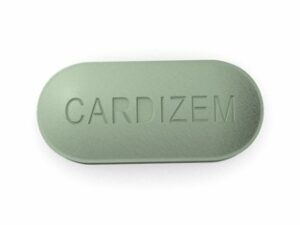
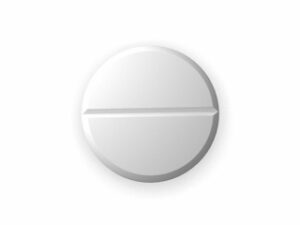
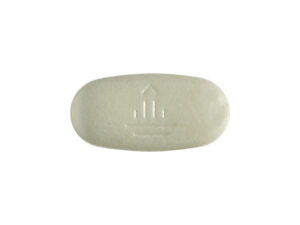
In the UK, tolvaptan is marketed under brand names depending on the formulation available. Your local pharmacy can provide the exact product details (such as strength and tablet appearance).
Mechanism of action
Tolvaptan blocks vasopressin receptors (primarily the V2 receptor) in the kidney. This reduces water reabsorption that would normally occur under vasopressin control.
- More water is excreted in the urine (“aquaretic” effect).
- Salt loss is comparatively smaller than with many traditional diuretics, helping raise or normalise blood sodium in appropriate cases.
- In certain kidney diseases (for example, some forms of autosomal dominant polycystic kidney disease), reduced vasopressin signalling may slow harmful pathways involved in cyst growth.
Pharmacokinetics (how the body handles tolvaptan)
After you take tolvaptan by mouth, it is absorbed and reaches peak levels in the bloodstream within a few hours (typical tmax is often around 2–4 hours, depending on formulation and individual factors). Tolvaptan is then metabolised mainly in the liver, and its metabolites are eliminated through the body.
Important practical points:
- Absorption may be reduced by food. Taking it consistently with regard to meals can help maintain predictable effects.
- It is processed by liver enzymes. Medicines that strongly affect liver enzyme activity may change tolvaptan levels.
- The medicine is not intended for “on-demand” use; it is usually taken on a schedule determined by your clinician.
Typical use and indications
Tolvaptan is used when clinicians need to address problems related to abnormal water balance or, in selected kidney conditions, to slow disease progression.
1) Treatment of hyponatraemia
Tolvaptan may be used in certain adults with hyponatraemia (low blood sodium), particularly when: symptoms or persistent low sodium require active correction and when other treatments may be inadequate. The goal is controlled correction of sodium while avoiding overly rapid changes.
2) Autosomal dominant polycystic kidney disease (ADPKD)
In appropriate adults at risk of progressive disease, tolvaptan may be prescribed to help slow the increase in kidney cyst volume and decline in kidney function. It is typically considered in people who meet specific risk and progression criteria.
Because the benefits and risks depend heavily on your individual situation, ongoing monitoring is a key part of treatment.
Timing and how to take tolvaptan
Tolvaptan commonly increases urine output. For this reason, dosing schedules are often designed to reduce the impact of frequent urination during sleep.
General timing principles
- Take it at the times your clinician advises. Many regimens are split across the day.
- Avoid taking it late in the day unless your schedule specifically says otherwise.
- Try to take doses consistently (same times each day) to help your body adapt.
- Hydration matters: because you may become more thirsty and urinate more, drink fluids as advised. Your clinician may tailor fluid advice based on why you are taking tolvaptan and your blood tests.
If you are taking tolvaptan for hyponatraemia, the plan may include initial close monitoring and dose adjustments. For ADPKD, it may involve a long-term schedule with regular blood tests.
Dosing (what is typical)
Dosing must be individualised. The correct dose depends on the condition being treated, your kidney and liver function, and other medicines you use.
Typical approach for hyponatraemia
- Clinicians often start at a lower dose and adjust based on your sodium response and symptoms.
- Sodium correction must be controlled to reduce the risk of complications from rapid sodium changes.
- Monitoring of sodium and fluid status is commonly required, especially early in treatment.
Typical approach for ADPKD
Many ADPKD dosing regimens involve a split daily schedule (for example, dividing doses across morning and afternoon/evening) to manage thirst and urination. Your clinician will provide the exact schedule and may adjust it over time.
Do not change your dose or stop/start suddenly without medical guidance.
Food interactions
Food can affect how much tolvaptan your body absorbs. To improve consistency, many medicines are taken with a specific approach relative to meals.
- Absorption may be reduced with food. If your prescription label or clinician instructed a fasting or meal-time pattern, follow it carefully.
- If you have a sensitive stomach or experience nausea, discuss timing adjustments with a healthcare professional.
- Keep a consistent meal pattern during treatment, unless you are advised otherwise.
Alcohol and medicine interactions
Alcohol
Alcohol can contribute to dehydration and may worsen the side effects of increased urination and thirst. It may also affect your ability to drink enough fluids.
- Consider limiting or avoiding alcohol during treatment, especially in the early period.
- If you do drink, do so cautiously and ensure you maintain adequate hydration as advised.
Other medicines that may interact
Tolvaptan is metabolised in the liver and may be affected by medicines that influence liver enzyme systems. Interactions can increase the risk of side effects or reduce effectiveness.
Tell your pharmacist or clinician if you take any of the following:
- Strong CYP3A inhibitors or inducers (examples include certain antifungals and antibiotics, and some epilepsy or HIV medicines)
- Other medicines affecting sodium or water balance (for example, diuretics, certain antidepressants such as SSRIs/SNRIs)
- Medicines that may affect liver function (because liver monitoring is important)
- Desmopressin or other therapies influencing vasopressin pathways (discuss with a clinician)
This is not an exhaustive list. Your pharmacist can check interactions with your full medication list, including over-the-counter medicines and herbal products.
Safety profile and side effects
Most people tolerate tolvaptan, but it has important potential risks. Understanding side effects helps you act quickly if anything feels wrong.
Common side effects
- Increased thirst
- Frequent urination (including needing to urinate at night if timing is not managed)
- Dry mouth
- Headache
- Fatigue
- Dizziness (often related to fluid shifts)
Serious risks (seek urgent advice if needed)
- Over-rapid correction of sodium in hyponatraemia treatment may be harmful. Clinicians therefore monitor sodium carefully.
- Liver injury has been reported with tolvaptan (especially with longer use and higher cumulative exposure). You should have regular liver blood tests and watch for warning signs.
- Dehydration can occur if you do not drink enough, particularly during hot weather, illness (vomiting/diarrhoea), or if urination is heavy.
Warning signs of possible liver problems
Contact a healthcare professional promptly if you develop:
- Yellowing of the skin or eyes (jaundice)
- Dark urine
- Severe tiredness or unusual weakness
- Loss of appetite
- Upper right abdominal pain
- Persistent nausea/vomiting
- Generalised itching
If you have severe symptoms, seek urgent medical help.
Practical use tips
Manage thirst and urination
- Keep water available and drink according to the plan given by your clinician. Don’t “catch up” aggressively unless advised.
- Plan your day around the likelihood of more frequent bathroom visits, especially when starting or adjusting dose.
- Avoid taking late doses that may disturb sleep, unless your prescribed schedule instructs otherwise.
- During hot weather or if you are ill, you may be at higher risk of dehydration—contact your clinician for advice.
Monitoring and follow-up
- Blood tests are important. For ADPKD, liver monitoring is a key part of ongoing care.
- Electrolytes (sodium levels) are important if taken for hyponatraemia.
- Keep your appointments even if you feel well; some changes in lab results may be symptom-free early on.
Missed dose
If you miss a dose, do not take a double dose unless told to do so by a healthcare professional. Because dosing schedules are often specific (split dosing), it’s best to follow the instructions on your medicine information and ask your pharmacist for advice.
Storage
- Store tablets as directed on the pack (typically at room temperature and away from moisture).
- Keep out of reach of children.
- Check the expiry date before use.
Alternative options
Depending on the reason you are taking tolvaptan, alternatives may be available. Alternatives differ by condition, severity, and your personal medical history.
For hyponatraemia
- Fluid restriction (in selected cases)
- Hypertonic saline for severe symptomatic cases under medical supervision
- Other medications that may help manage specific causes of hyponatraemia
For ADPKD
- Standard supportive kidney care (blood pressure control, monitoring, lifestyle optimisation)
- In some settings, other treatments may be considered. However, tolvaptan is one of the few disease-modifying options discussed for high-risk ADPKD.
Your clinician can explain the options best suited to you, including why one may be preferred over another.
Recent guidance and monitoring in the UK (high-level)
In the UK, tolvaptan use is guided by specialist prescribing practices and risk–benefit assessment. Key principles commonly reflected in clinical guidance include:
- Careful patient selection (especially for ADPKD) to target people most likely to benefit.
- Liver function testing at defined intervals and dose adjustments or interruptions if needed.
- Electrolyte and fluid monitoring when treating hyponatraemia to reduce risk of sodium overcorrection.
- Clear patient education about thirst, dehydration risk, and symptoms requiring prompt review.
Your healthcare team will supply the monitoring schedule relevant to your circumstances.
Market and legal context in the United Kingdom
Medicines in the UK are regulated by the Medicines and Healthcare products Regulatory Agency (MHRA). Product information (such as summaries of product characteristics) is used to define authorised indications, dosing, and safety information.
Availability, branding, and pack sizes can vary. Pharmacists and clinicians rely on official UK medicine information to guide appropriate use and safe prescribing practices.
Your pharmacist can also advise whether your specific tablet strength and brand are currently available and provide alternatives if there are supply issues.
Delivery and availability from an online pharmacy (UK)
Availability can vary due to supply chain fluctuations, packaging changes, or seasonal demand. When ordering online, you may see:
- Standard delivery options to UK addresses where permitted
- Delivery time estimates shown at checkout
- Potential substitution options (for example, different brands) only where legally permitted and clinically appropriate
Delivery practices also follow UK regulatory requirements for medicines distribution. If your order is delayed, customer support can help you understand the expected timeline.
FAQ — Tolvaptan
1) What is tolvaptan used for?
Tolvaptan is used in selected adults to treat certain cases of hyponatraemia (low blood sodium) and, in specific patients with autosomal dominant polycystic kidney disease (ADPKD), to help slow disease progression.
2) How does tolvaptan work?
It blocks vasopressin (ADH) at the kidney, increasing water excretion in urine while helping manage blood sodium levels in appropriate patients.
3) Will tolvaptan make me urinate more?
Yes. Increased urination and thirst are common because the medicine increases water excretion. Your dosing schedule is usually designed to reduce night-time disruption.
4) Can I take it with food?
Food can affect absorption. Follow the specific meal-time instructions given with your medicine or by your clinician. Many patients are advised to keep a consistent routine.
5) What about alcohol?
Alcohol may increase dehydration risk and worsen thirst or dizziness. It’s generally best to limit or avoid alcohol during treatment, especially when you are adjusting to the medicine.
6) What are the most important safety concerns?
The most significant issues include dehydration risk, potentially rapid changes in sodium (in hyponatraemia treatment), and possible liver injury. Regular monitoring and prompt attention to warning symptoms are essential.
7) How often will I need blood tests?
It depends on why you’re taking tolvaptan. For ADPKD, liver function monitoring is typically more frequent early on and then at set intervals. For hyponatraemia, sodium and electrolyte checks may be more important in the early phase.
8) What if I feel very thirsty or dizzy?
Thirst and mild dizziness can occur, but severe symptoms may indicate dehydration or excessive fluid shifts. Contact a healthcare professional promptly for advice—especially if you cannot drink adequately or you feel faint.
9) What should I do if I miss a dose?
Do not double up. Because dosing schedules may be split across the day, the safest step is to check the medicine instructions or ask your pharmacist for guidance based on your timing.
10) Are there alternatives to tolvaptan?
Alternatives depend on the condition being treated. For hyponatraemia, approaches may include fluid management and other therapies depending on cause and severity. For ADPKD, supportive kidney care and specialist disease management are important; discuss options with your clinician.
Need help choosing the right option?
If you’re unsure whether tolvaptan is appropriate for your situation, or you want help checking interactions with your current medicines, speak to a pharmacist. They can also advise how to plan dosing times and hydration to minimise side effects.