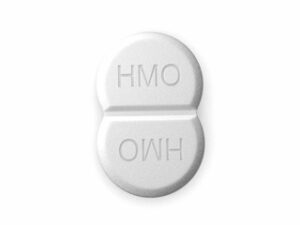
Trandate (Labetalol) – Patient Guide
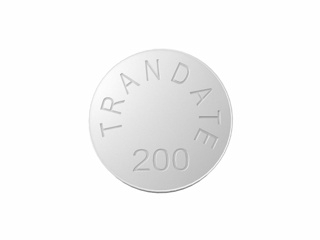
Trandate is a brand name for labetalol, a medicine used to help control high blood pressure (hypertension) and, in some situations, reduce risk associated with certain cardiovascular conditions. This guide is designed to be patient-friendly and explain how Trandate works, how it is usually taken, what to expect, and key safety information for people in the United Kingdom.
Always follow the instructions given by your healthcare professional and read the patient information leaflet (PIL) supplied with your medicine.
Quick overview
- Active ingredient: Labetalol
- Medicine type: Beta- and alpha-blocker
- Main uses: High blood pressure; selected emergency and specialist uses (as clinically indicated)
- Common forms: Tablets (and labetalol is also used in other formulations in hospital settings)
- How it works: Slows heart rate and reduces blood vessel narrowing
What is Trandate?
Trandate contains labetalol, a medicine that helps lower blood pressure by acting on two receptor systems in the body:
- Beta receptors (primarily reducing heart workload)
- Alpha receptors (reducing the tightening of blood vessels)
Because it acts on both alpha and beta receptors, labetalol can lower blood pressure effectively in many people.
How Trandate works (mechanism of action)
Labetalol blocks certain signalling pathways in the cardiovascular system:
- Beta (β) blockade: This reduces the effects of adrenaline and noradrenaline on the heart, which can lead to a slower heart rate and reduced force of contraction.
- Alpha (α) blockade: This helps relax blood vessels by blocking alpha-mediated constriction.
Overall effect: Blood vessels widen and the heart works with less strain, leading to lower blood pressure.
Pharmacokinetics (how the body processes it)
Understanding the typical journey of labetalol in the body can help explain dosing schedules.
- Absorption: Labetalol tablets are absorbed through the gastrointestinal tract. Food can affect absorption for some people (see “Food interactions”).
- Distribution: The medicine circulates in the bloodstream and reaches target receptors in the heart and blood vessels.
- Metabolism: Labetalol is metabolised mainly in the liver.
- Elimination: It is cleared from the body via metabolic pathways and through the biliary/renal routes of elimination.
Practical implication: Your dosing schedule is designed to provide steady receptor blockade during daily activities. Don’t change the timing or dose without medical guidance.
What is Trandate used for in the UK?
In the United Kingdom, labetalol is used primarily for:
- Hypertension (high blood pressure): Particularly when careful blood pressure control is required.
- Specialist situations: Labetalol may be used in certain acute or hospital-managed scenarios depending on clinical circumstances and local protocols.
Important: The exact indication, strength, and formulation used for you may vary based on your condition and history. Always check your product packaging and the instructions you were given.
Indications – when your clinician may consider it
While individual treatment plans differ, Trandate may be considered for people with:
- Elevated blood pressure where beta/alpha blockade is appropriate
- Cardiovascular risk that benefits from controlled blood pressure
- Situations requiring controlled heart and vessel tone (as clinically appropriate)
How to take Trandate (typical dosing and timing)
Doses can vary widely depending on your age, kidney/liver function, other medicines, and how you respond. The information below is general.
Typical dosing approach
For oral labetalol (tablets), clinicians generally use a starting dose and then adjust gradually until the desired blood pressure control is achieved and side effects are manageable.
- Start low, increase if needed: This helps reduce the chance of early side effects such as dizziness.
- Split dosing: Many people take it two or three times daily depending on the tablet strength and your specific schedule.
- Consistency: Try to take each dose at similar times each day.
When to take it
- Take your doses at the times provided in your instructions.
- If you feel light-headed when you stand up, consider taking doses around meal times or at times that suit your daily routine (discuss with your clinician before making changes).
If you miss a dose
- Do not double up to make up for a missed dose.
- Take it as soon as you remember unless it’s close to the next dose time.
- If you’re unsure, check your PIL or speak with a pharmacist.
Practical note: Blood pressure medicines often work best when taken regularly. Missing doses can lead to less stable blood pressure control.
Food interactions
Food may affect absorption for some people. While labetalol tablets are not usually described as being strictly “with or without food” for everyone, your product leaflet and your prescribing instructions should guide you.
- If your leaflet suggests taking with food, follow that advice to help reduce stomach upset.
- Try to keep the relationship to meals consistent (e.g., always taking with breakfast and dinner) to maintain steady levels.
- If you notice dizziness or uneven blood pressure after changing meal timing, discuss with your pharmacist.
Tip: Always check the PIL for your specific Trandate tablet strength.
Alcohol interactions
Alcohol can further lower blood pressure and may increase side effects such as dizziness, light-headedness, and fainting, especially when starting or increasing the dose.
- Be cautious with alcohol, particularly in the first days after starting Trandate or after a dose change.
- If you drink, consider avoiding large amounts and see how you feel.
Interactions with other medicines
Labetalol can interact with other drugs that affect heart rate, blood pressure, or blood sugar levels. Always keep an updated list of your medicines (including over-the-counter products and herbal supplements) and review it with a healthcare professional.
Common interaction categories
- Other blood pressure medicines (e.g., ACE inhibitors, ARBs, calcium channel blockers, diuretics): may lead to additive blood pressure lowering.
- Medicines that slow the heart (e.g., some antiarrhythmics, certain heart-rate lowering drugs): may increase risk of bradycardia.
- Medicines affecting heart rhythm: may increase rhythm-related risks depending on combinations.
- Diabetes medicines: beta-blockers can sometimes mask early warning signs of low blood sugar (such as a fast heartbeat). This can be important if you use insulin or medicines that can cause hypoglycaemia.
- Asthma/COPD medicines: non-selective beta blockade can sometimes affect breathing in susceptible people—discuss your respiratory history.
- Some antidepressants and antipsychotics: may alter blood pressure or heart rhythm in combination.
- Other drugs metabolised by the liver: liver metabolism differences could affect levels of labetalol.
Always check: Your pharmacist can help identify possible interactions when you share details of your current medicines.
Safety profile – who should be extra careful?
Most people tolerate labetalol well when doses are appropriately selected and increased gradually, but it’s important to recognise potential risks.
Common side effects
- Dizziness (often due to blood pressure changes)
- Feeling tired or weak
- Headache
- Nausea or stomach discomfort
- Slow heart rate (bradycardia) or palpitations changes
Less common but important side effects
- Low blood pressure, especially when standing (orthostatic hypotension)
- Shortness of breath or wheezing (more likely in people with asthma/COPD)
- Cold hands and feet (from reduced peripheral circulation)
- Skin reactions or unusual bruising (rare)
Seek urgent medical help if
- You experience fainting, severe dizziness, or signs of shock.
- You develop swelling of the face/lips, trouble breathing, or signs of an allergic reaction.
- You have severe shortness of breath, wheezing, or chest tightness that is new or rapidly worsening.
- Your heart rate is extremely slow with weakness, dizziness, or collapse.
Special populations
- Liver impairment: Because labetalol is metabolised by the liver, your clinician may adjust your dose and monitor you more closely.
- People with breathing conditions: Beta-blockers can affect airways. Discuss asthma/COPD before starting.
- People with heart rhythm problems: Monitoring may be required to ensure safety.
- Older adults: Dizziness and falls risk should be considered; careful titration is important.
Practical use tips
- Stand up slowly: If you feel dizzy, rise gradually from sitting or lying positions.
- Measure your blood pressure: If you have a home monitor, track readings at consistent times and note symptoms.
- Keep scheduled reviews: Dose adjustment often relies on blood pressure response and tolerability.
- Don’t stop suddenly: Abrupt withdrawal of beta-blocker medicines can lead to worsening control of blood pressure or heart symptoms. If you’re unwell or want to stop, speak with your healthcare professional.
- Hydration matters: Dehydration can worsen dizziness and low blood pressure.
- Be cautious with driving: Until you know how Trandate affects you, avoid driving or operating machinery if you feel unsteady.
Alternative options for high blood pressure
Many different medicine classes are available for hypertension. The best choice depends on your medical history, other conditions, and how you respond. Alternatives may include:
- ACE inhibitors (e.g., ramipril)
- ARBs (e.g., losartan)
- Calcium channel blockers (e.g., amlodipine)
- Thiazide-like diuretics (e.g., indapamide)
- Other beta-blockers (selective or non-selective, depending on suitability)
- Other combinations tailored by clinicians
Non-medicine support: Lifestyle steps such as reducing salt intake, maintaining healthy weight, regular physical activity, limiting alcohol, and stopping smoking can improve blood pressure control alongside medicines.
Market and legal context in the United Kingdom
Medicines such as labetalol are regulated by the UK medicines framework, including guidance from bodies such as the Medicines and Healthcare products Regulatory Agency (MHRA). In the UK, prescriptions and supply of medicines are governed by safety and professional oversight rules. Trandate is an established medicine with defined patient information and safety messaging.
Pharmacist and pharmacy checks: Online pharmacies in the UK typically carry out standard checks to ensure appropriate supply, correct product choice, and safe use guidance.
Regulatory materials: Patient advice is generally supported by the Summary of Product Characteristics (SmPC) and the Patient Information Leaflet (PIL) issued for that product.
Recent guidance and clinical updates (UK context)
Blood pressure management in the UK is influenced by evolving national guidance, including advice on diagnosis, targets, monitoring methods, and stepwise treatment. While specific recommendations can change, common themes include:
- Accurate measurement of blood pressure (including home or ambulatory monitoring where appropriate)
- Stepwise treatment based on risk and comorbidities
- Reviewing side effects and adjusting therapy to achieve control safely
- Monitoring kidney function and electrolytes for some medicine groups (depending on the class used)
Your clinician may also update your plan depending on your overall cardiovascular risk profile and response to treatment.
Delivery, availability and what to expect when ordering online in the UK
Availability can vary by pharmacy and by the specific Trandate strength and quantity. Online pharmacies in the UK typically offer:
- Clear product listings: including strength (mg) and pack size
- Delivery options: often with standard and expedited delivery (availability depends on location and stock)
- Packaging: tamper-evident packaging and clearly labelled cartons
- Pharmacist support: advice for safe use and interaction checks
Tip: If you need a specific strength or blister pack size, check the product page before placing an order.
Frequently Asked Questions (FAQ)
1) What is Trandate used for?
Trandate (labetalol) is used mainly to treat high blood pressure. It may also be used in selected clinical settings where specialist cardiovascular control is needed, depending on your circumstances.
2) How quickly will it start working?
Labetalol can begin lowering blood pressure relatively soon after taking a dose. However, your overall blood pressure control may take days to weeks depending on dose adjustments and how your body responds.
3) Should I take Trandate with food?
Follow the instructions in your PIL and your healthcare professional’s advice. For some people, taking with food can help reduce stomach upset and improve tolerability. If your leaflet gives specific directions for your formulation, those instructions should be followed.
4) Can Trandate make me feel dizzy?
Yes. Dizziness can occur, especially when starting or increasing the dose. If dizziness affects your safety, speak to your clinician promptly and avoid driving or risky activities until you feel stable.
5) Can I drink alcohol while taking Trandate?
It’s best to be cautious. Alcohol can increase the chance of low blood pressure and dizziness. If you drink, avoid large amounts and monitor how you feel—particularly early in treatment or after dose changes.
6) Does Trandate interact with asthma or breathing problems?
Because labetalol blocks beta receptors, it may affect breathing in people with asthma or certain chronic lung conditions. If you have wheezing, asthma, or COPD, discuss this with a healthcare professional before starting.
7) What if I miss a dose?
Don’t double up. Take it when you remember unless it’s near the next scheduled dose. If unsure, contact a pharmacist or check your PIL.
8) Are there alternatives if I can’t tolerate Trandate?
Yes. Many other blood pressure medicines exist, including ACE inhibitors, ARBs, calcium channel blockers, diuretics, and other beta-blockers. Your best option depends on your health history and side-effect profile.
9) How long will I need to take it?
High blood pressure is often a long-term condition. Many people take blood pressure medicines for an extended period, with ongoing review of dose and effectiveness.
10) When should I seek urgent help?
Seek urgent medical advice if you develop severe shortness of breath, fainting, swelling of the face/lips, or signs of a serious allergic reaction, or if you experience severe symptoms like extreme weakness with very slow heart rate.
Summary
Trandate (labetalol) is a dual-action blood pressure medicine that works by blocking both beta and alpha receptors, helping the heart and blood vessels function with less strain. When used correctly and reviewed regularly, it can be an effective option for people with hypertension and certain specialist cardiovascular needs.
If you’re unsure about how to take Trandate, how to manage side effects, or whether your other medicines could interact, speak to a pharmacist or healthcare professional before making any changes.