Vitamin C (Ascorbic Acid) – Patient Information (UK)
Vitamin C—also known as ascorbic acid—is an essential vitamin your body uses every day. It helps protect cells from oxidative damage, supports the normal function of the immune system, and contributes to the formation of collagen, which is important for healthy skin, blood vessels, bones, and gums.
This page explains what Vitamin C is, how it works, how your body handles it, typical uses, dosing guidance, safety information, and practical tips for taking it. It also includes information relevant to availability and use in the United Kingdom.
1) Basic Product Information
- Active ingredient: Ascorbic Acid (Vitamin C)
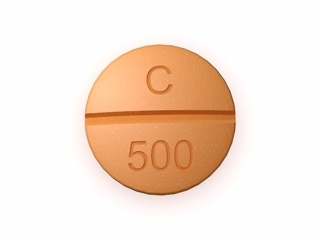
- Common forms: Tablets, capsules, chewable tablets, effervescent tablets, powders
- Typical strengths: Commonly 100 mg, 250 mg, 500 mg, 1000 mg (varies by brand)
- Legal status in the UK: Many Vitamin C products are sold as dietary supplements or, in some cases, as medicines depending on product licensing and claims.
Important: Always check the product label for the exact strength per tablet/sachet and any additional ingredients (e.g., sweeteners, colours, sodium, or flavourings).
2) What Vitamin C Does (Mechanism of Action)
Vitamin C is a water-soluble vitamin. Your body cannot make it in sufficient amounts, so you must obtain it from foods and/or supplements.
Vitamin C has multiple roles:
- Antioxidant protection: It helps protect cells from oxidative stress.
- Immune support: Vitamin C supports the normal function of the immune system.
- Collagen formation: It is required for the synthesis of collagen, an important structural protein.
- Helps maintain tissue integrity: Collagen contributes to the health of skin, gums, and blood vessels.
- Supports iron absorption: Vitamin C can enhance absorption of non-haem iron from plant-based foods and iron supplements.
Because collagen formation and antioxidant effects are fundamental to many processes, Vitamin C is often used to address or prevent deficiency-related issues.
3) How the Body Handles Vitamin C (Pharmacokinetics)
Absorption: After taking oral Vitamin C, it is absorbed in the intestines. Absorption can vary depending on the dose and the presence of food.
Distribution: Vitamin C circulates in the bloodstream and is taken up by tissues. Levels may be influenced by diet, overall health, and how much is already stored in the body.
Metabolism: Vitamin C is metabolised mainly in the body through oxidation and conversion pathways.
Elimination: Because Vitamin C is water-soluble and the body has limited storage, excess amounts are generally excreted through the urine. Higher doses may therefore lead to higher urinary excretion.
Clinical implication: Many people do not “store” large amounts of supplemental Vitamin C. If you’re taking it for general health, it can be reasonable to take moderate doses regularly rather than very large single doses.
4) Typical Uses in the UK
Vitamin C supplements are commonly used for:
- Preventing or correcting mild vitamin C deficiency when diet is insufficient.
- Supporting normal immune function, especially during periods when dietary intake may be lower.
- Supporting collagen formation (for healthy skin, gums, and blood vessels).
- Helping iron absorption when taken with iron supplements or iron-rich plant foods (e.g., lentils, beans, spinach).
- General dietary supplementation to help meet nutritional requirements.
Note: Vitamin C is not a cure for colds or infections, but it may help support normal immune function. For specific illnesses, seek appropriate medical advice.
5) Indications and When Vitamin C May Be Useful
Vitamin C may be appropriate when you:
- Have a diet low in fruit and vegetables
- Have increased nutritional needs (e.g., certain life stages)
- Are at risk of inadequate intake due to lifestyle or dietary restrictions
- Have been advised to supplement due to a known or suspected deficiency
- Want to support absorption of non-haem iron from plant-based foods or oral iron preparations
Deficiency symptoms can include tiredness, gum problems, poor wound healing, and bruising—particularly in severe cases. If you suspect deficiency, consider discussing it with a healthcare professional.
6) Dosing Guidance (Adults and Children)
Dose depends on your diet, age, and the reason for taking Vitamin C. For products sold as supplements, labels typically provide a recommended daily amount.
Adults
- Typical supplemental range: 100 mg to 500 mg per day is commonly used for general supplementation.
- Higher strengths (e.g., 1000 mg): Many people choose this for convenience, but higher doses may increase the likelihood of gastrointestinal side effects.
Children
- Children’s doses are product-specific and often depend on age and formulation.
- Follow the label carefully and consider age-appropriate products (e.g., lower-dose chewables or sachets).
- Do not exceed the recommended amount unless advised.
Timing and frequency
- Vitamin C can be taken once daily or divided across the day.
- Because excess is cleared through urine, taking it regularly may be more helpful than taking occasional very large doses.
How to take
- Swallowing tablets/capsules: with water.
- Effervescent tablets: dissolve fully in the recommended volume of water.
- Chewable tablets: chew thoroughly before swallowing.
- Powder: mix as directed.
Practical tip: If you experience stomach upset, consider taking Vitamin C with food or reducing the dose.
7) When to Take Vitamin C (Timing)
There isn’t a single “best time” for Vitamin C for everyone. Options include:
- With breakfast or lunch: often well tolerated and fits daily routines.
- With or shortly after a meal: may reduce the chance of stomach discomfort.
- Separate from iron supplements: In many cases, Vitamin C can be taken alongside iron to improve absorption. However, if either product causes stomach sensitivity, you may need to adjust timing to suit your tolerance.
If your supplement label provides specific instructions, follow those first.
8) Food Interactions and Practical Dietary Considerations
Vitamin C absorption can be affected by the overall meal and stomach environment. In general:
- Food: Taking Vitamin C with food may improve tolerability and reduce stomach upset.
- Fruit and vegetables: These provide natural Vitamin C. If you already eat plenty of Vitamin C-rich foods, you may need less from supplements.
- Iron-rich meals: Vitamin C can help iron absorption from plant foods (non-haem iron).
Warning about effervescents: Effervescent products may contain sodium and acids. If you need to limit salt intake or you have reflux/heartburn, check the label.
9) Alcohol and Medicine Interactions
Alcohol
Moderate alcohol is unlikely to directly “cancel out” Vitamin C. However, alcohol can contribute to poor diet quality and dehydration, and heavy or frequent drinking may increase nutritional needs or worsen stomach tolerance.
- If you drink alcohol, consider maintaining a balanced diet rich in fruit and vegetables.
- If you experience stomach irritation from alcohol and Vitamin C, take your supplement with food and consider lowering the dose.
Medicine interactions (key points)
Vitamin C can interact with some medicines through effects on absorption, urine acidity, or kidney-related factors. Always check the product label and consider advice if you take regular medication.
Potential interaction areas include:
- Chemotherapy medicines and some targeted therapies: People undergoing cancer treatment should follow specialist advice before using high-dose supplements.
- Warfarin (a blood thinner): High-dose Vitamin C may affect bleeding risk in some situations; if you take warfarin, seek advice before starting regular supplements.
- Kidney stone risk: High doses of Vitamin C can increase urinary oxalate in some individuals, which may be relevant for people with a history of kidney stones.
- Iron supplements: Vitamin C can increase absorption. This is often beneficial but may require attention to side effects such as nausea or constipation.
- Other supplements: Avoid doubling up across multiple products (e.g., “immune” blends) to prevent exceeding recommended amounts.
General safety rule: If you take medicines regularly, pregnant or breastfeeding, have kidney disease, or have a history of kidney stones, discuss supplementation with a healthcare professional before using higher doses.
10) Safety Profile and Side Effects
Vitamin C is generally well tolerated when taken at typical supplemental doses. Side effects are more likely at higher doses.
Common side effects (especially with higher doses)
- Stomach upset (nausea)
- Heartburn or reflux, particularly with acidic or effervescent forms
- Diarrhoea or looser stools
- Abdominal cramps
Rare or special concerns
- Kidney stones: Risk may be higher in susceptible individuals, particularly with high-dose, long-term use.
- Haemochromatosis: People with iron overload disorders should avoid high-dose supplementation unless advised.
- Blood thinning concerns: If you take blood thinners such as warfarin, seek advice about dosing.
Who should be extra cautious
- People with a history of kidney stones or kidney disease
- People with certain iron-related conditions
- Those taking regular medication (especially blood thinners or cancer treatments)
- Pregnant or breastfeeding people (follow label guidance and seek advice if unsure)
11) Practical Use Tips
- Start low if you’re sensitive: If you’re new to Vitamin C, begin with a lower dose (e.g., 100–250 mg) and adjust based on tolerance.
- Take with food if needed: This can reduce nausea, cramps, or reflux.
- Check “multi-vitamin” products: Many daily multivitamins already contain Vitamin C. Add up total daily intake.
- Stay consistent: If you’re using it for general support, daily use is more practical than occasional high doses.
- Hydration: Drink adequate fluids, particularly if you’re taking supplements regularly.
- Choose your form wisely: Effervescent products may be more acidic; tablets/capsules may be gentler for some people.
12) Alternative Options
If you’d rather not use Vitamin C supplements, consider alternatives:
Dietary sources (UK-friendly)
- Citrus fruits: oranges, clementines, lemons
- Berries: strawberries, raspberries
- Kiwi fruit
- Tomatoes and sweet peppers
- Broccoli and brussels sprouts
- Potatoes (especially with skin)
Other supplement approaches
- Multivitamins with Vitamin C: May suit people who want broader coverage.
- Iron + Vitamin C combined products: Useful if you’re actively correcting iron deficiency (check suitability first).
- Lower-dose “daily” Vitamin C: Some people prefer 100–250 mg daily for tolerability.
Tip: If you have a specific goal (e.g., iron absorption, gum health, deficiency prevention), choose the option that best matches that aim and your sensitivity.
13) Vitamin C in the UK: Market and Legal Context
In the UK, Vitamin C products are commonly supplied as food supplements or medicines, depending on their classification, packaging, and claims. Supplement products typically follow regulations for food supplements and labelling.
Key UK considerations include:
- Labelling requirements: Strength, recommended daily amount, and ingredient lists must be clear.
- Claims: Products must comply with permitted nutrition and health claims. Wording about immune support and collagen formation is typically restricted to approved statements.
- Quality and safety: Reputable brands use appropriate manufacturing standards and quality testing.
Recent guidance (general UK public health context): Current dietary advice emphasises obtaining vitamins from a varied diet, particularly fruit and vegetables. Supplementation may be helpful when intake is insufficient or when targeted support is needed, but it should not replace a balanced diet.
Note: Specific guidance can change over time. If you have a health condition or are considering higher-dose use, check the latest NHS or UK public health recommendations and consult appropriate healthcare advice.
14) Delivery and Availability (UK)
Vitamin C supplements are widely available in the UK through pharmacies, supermarkets, and online retailers. Availability may vary by brand and form (tablets, effervescent, chewables, or sachets).
Online delivery:
- Most UK orders are delivered within standard postal or courier timeframes depending on the delivery method selected at checkout.
- Delivery options may include standard and express services.
- Some regions (e.g., remote areas) may have adjusted delivery times.
Storage: Store Vitamin C products in a cool, dry place away from direct sunlight. Keep out of reach of children. Follow any storage instructions printed on the pack.
15) Frequently Asked Questions (FAQ)
How much Vitamin C should I take per day?
For many adults, 100–500 mg per day is commonly used for supplementation. The best amount depends on your diet, age, and the reason you’re taking it. Always follow the label of the specific product you buy.
Is Vitamin C helpful for colds?
Vitamin C supports normal immune function, but it is not a guaranteed cold cure. Some people find it helpful to take during periods when they feel run down, but results vary. For treatment of a cold, focus on rest, fluids, and appropriate symptom relief.
Can I take Vitamin C on an empty stomach?
Some people tolerate Vitamin C well on an empty stomach, but others experience nausea or stomach irritation. If you’re sensitive, taking it with food can improve comfort.
Do I need Vitamin C if I eat fruit and vegetables?
Many people can meet their needs through diet alone. Supplements are most useful if your intake is inconsistent, you eat few Vitamin C-rich foods, or you have increased needs.
What happens if I take too much Vitamin C?
Higher doses may cause stomach upset, diarrhoea, or reflux. In susceptible people, there may also be concerns about kidney stones. If you exceed the recommended amounts, stop and seek advice if symptoms persist.
Does Vitamin C interact with iron?
Yes. Vitamin C can enhance absorption of non-haem iron from plant foods and supplements. This can be beneficial. However, if you experience stomach discomfort from iron, adjusting timing or dose may help.
Can Vitamin C affect kidney stones?
In some individuals, high-dose Vitamin C may increase urinary oxalate, which can be relevant for kidney stone risk. If you have a history of kidney stones or kidney disease, consult a healthcare professional before taking higher doses regularly.
Is Vitamin C safe in pregnancy or breastfeeding?
Vitamin C is generally considered safe when taken within recommended dietary and supplement guidelines. If you are pregnant or breastfeeding, follow label instructions and consult healthcare advice if you plan to use higher-dose products.
Can I take Vitamin C with my other medicines?
Many people can take Vitamin C alongside common medications, but interactions can occur depending on your treatment. If you take regular medicines—especially blood thinners or treatments for serious conditions—check with a healthcare professional or pharmacist before starting high-dose or frequent Vitamin C.
Should I choose tablets, chewables, or effervescent Vitamin C?
Choose based on comfort and preference. Effervescent forms may be more acidic and can contain sodium. Chewables and tablets may be gentler for some people. If you have reflux or sensitive stomachs, you may prefer tablets/capsules.
16) When to Seek Advice
Speak to a healthcare professional if you:
- Have symptoms of suspected deficiency that are not improving
- Experience persistent stomach problems after taking Vitamin C
- Have kidney disease or a history of kidney stones
- Take regular medication and want to confirm the safest dose
- Are unsure whether supplementation is necessary for you
Remember: This information is intended for general guidance and does not replace personalised advice.