
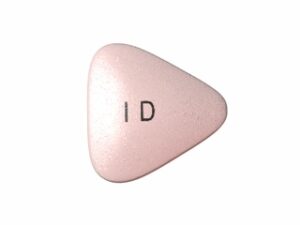
Voveran (Diclofenac) – Patient Information (UK)
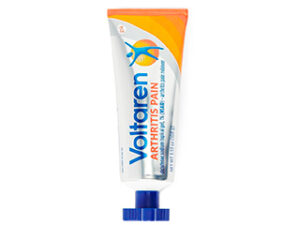
Voveran is a brand of diclofenac, a medicine used to relieve pain and inflammation. This guide explains how diclofenac works, typical uses, how to take it, what to watch for, and related information relevant to people in the United Kingdom.
At a glance
- Active ingredient: Diclofenac (a non-steroidal anti-inflammatory drug, NSAID)
- Helps with: Pain, swelling, and inflammation
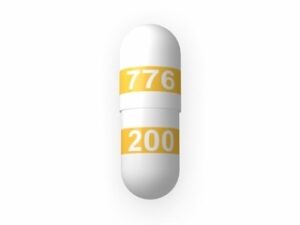
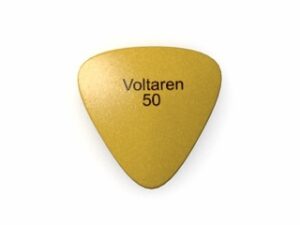
- Common forms: Tablets, dispersible tablets, suppositories, and gels/patches (varies by product)
- Important safety points: GI (stomach) risk, cardiovascular risk, kidney effects, and interaction with other medicines
- Not for everyone: Avoid or use only with careful medical advice in certain conditions (see Safety Profile)
Basic product information
Voveran contains diclofenac, an NSAID that reduces substances in the body responsible for pain and inflammation. It can be used for short-term relief of painful and inflammatory conditions. The exact dosing and suitability depend on the formulation (for example tablets vs. gel) and your personal health.
| Topic | What to know |
|---|---|
| Medicine name | Voveran (diclofenac) |
| Type | NSAID (non-steroidal anti-inflammatory drug) |
| Main actions | Reduces inflammation, pain, and fever-related symptoms |
| Typical uses | Muscle and joint pain, sprains, back pain, arthritis, dental pain (short-term), and other inflammatory pain conditions (depending on product) |
| Onset | Often begins working within hours; gels may relieve locally within days (depends on formulation) |
| Key cautions | Stomach/intestinal bleeding, heart and circulation risk, kidney effects, and drug interactions |
How Voveran works (mechanism of action)
Diclofenac works by blocking enzymes called cyclo-oxygenase (COX-1 and COX-2). These enzymes help produce prostaglandins, chemicals that contribute to:
- Pain signalling
- Inflammation (swelling, redness, stiffness)
- Fever (in some conditions)
By lowering prostaglandin levels, diclofenac can reduce pain and inflammation. This is why it can be helpful for painful inflammatory conditions affecting muscles, joints, and the tissues around them.
Pharmacokinetics (how the body handles diclofenac)
Pharmacokinetics describes what happens to the medicine after it is taken. While details can vary by formulation, general patterns for diclofenac include:
- Absorption: Diclofenac is absorbed into the bloodstream after oral use. How quickly it begins working depends on the specific product and whether it is taken with food.
- Distribution: It distributes throughout body tissues, including areas where inflammation occurs.
- Metabolism: The liver breaks down diclofenac into metabolites.
- Elimination: Metabolites are removed mainly via the kidneys (and partly via bile).
If you have kidney or liver problems, diclofenac may accumulate or cause increased risk, so suitability should be assessed carefully.
Typical uses and indications (UK context)
Diclofenac is used to relieve pain and inflammation in a range of conditions. Indications can depend on the specific formulation and strength. Common uses include:
- Musculoskeletal pain: sprains, strains, tendonitis, and painful inflammation of soft tissues
- Joint and arthritis-related pain: osteoarthritis or other inflammatory arthritis (as advised)
- Back pain: including short-term flare-ups in appropriate circumstances
- Dental pain: short-term relief (where appropriate)
- Inflammatory conditions: affecting tendons, ligaments, and joints
- Topical relief (where available): for localised aches and pains using diclofenac gel/other topical forms
For the most accurate indication, always refer to the specific product packaging or patient information leaflet supplied with your Voveran medicine.
When to take it (timing and how to use)
The ideal timing depends on the formulation (for example immediate-release tablets vs. gels). In general:
- Use as directed: Follow the dose and frequency on the pack or in the accompanying leaflet.
- Take at the same times each day: Helps maintain consistent pain relief (for oral products).
- Allow enough time for effect: Pain relief may take a few hours to become noticeable for tablets.
- Topical products: Apply to the affected area as directed and avoid covering with tight bandages unless advised.
Taking with or without food
Diclofenac may cause stomach irritation. Many people find it easier on the stomach when taken with food. However, the leaflet for your specific product provides the safest guidance.
- Oral diclofenac: Taking with food may reduce stomach discomfort.
- Do not exceed the recommended dose: Higher doses increase risk, especially for the stomach and heart.
Food interactions
Food can influence how quickly medicines are absorbed and how well they are tolerated:
- Absorption timing: Food may delay absorption slightly for oral diclofenac, but it often improves stomach comfort.
- Stomach protection: Food does not eliminate serious risks; it may only reduce irritation for some people.
If you have a sensitive stomach, consider following “take with food” advice from the leaflet (or pharmacist guidance).
Alcohol and medicine interactions
Combining diclofenac with alcohol can increase the risk of stomach irritation and bleeding. Alcohol may also make side effects like dizziness or indigestion more noticeable.
- Avoid heavy drinking: Particularly if you have a history of ulcers or GI bleeding.
- Ask if unsure: If you drink regularly or have gastrointestinal symptoms, get advice before use.
Interactions with other medicines
Diclofenac can interact with several commonly used medicines. Interactions may raise side-effect risk or affect medicine levels. Below are key examples (not exhaustive):
- Other NSAIDs (including ibuprofen, naproxen, aspirin for pain): Increased risk of stomach bleeding and kidney problems.
- Blood-thinners (anticoagulants) such as warfarin: Increased risk of bleeding.
- Antiplatelet medicines (e.g., clopidogrel): Higher risk of bleeding.
- Medicines affecting the kidneys (e.g., certain diuretics/“water tablets” and ACE inhibitors/ARBs): Can increase risk of kidney injury, especially if dehydrated.
- Selective serotonin reuptake inhibitors (SSRIs) or other antidepressants: May increase GI bleeding risk.
- Corticosteroids (e.g., prednisolone): Higher risk of stomach irritation and ulceration.
- Lithium: NSAIDs may increase lithium levels, raising toxicity risk.
- Methotrexate: Potential interaction affecting methotrexate clearance; caution is needed.
- Digoxin: Possible effects on digoxin levels.
- Diabetes medicines: NSAIDs can affect blood sugar control in some people.
Before starting diclofenac, review all medicines you take, including over-the-counter painkillers and herbal products. If you are unsure, ask a pharmacist.
Dose guidance (typical adult dosing patterns)
The correct dose depends on the specific Voveran formulation and your condition. Always follow the directions on your pack or the patient information leaflet for that product.
General principles
- Use the lowest effective dose for the shortest possible time.
- Do not exceed the maximum daily dose on the pack.
- Take spaced doses as directed.
- Older adults: may require extra caution due to higher risk of side effects.
Examples of how dosing may vary by formulation
Because Voveran is available in multiple forms, typical dosing approaches may differ. For your exact regimen, refer to the packaging.
| Formulation (example) | Typical use pattern (illustrative) | Notes |
|---|---|---|
| Tablets / dispersible tablets | Usually several doses per day depending on strength | May be taken with food to reduce stomach upset |
| Suppositories | One or more doses per day based on strength | Useful if oral dosing is not suitable |
| Diclofenac topical gel | Applied to the affected area several times daily | Wash hands after application; avoid broken skin |
| Other topical forms (where available) | Applied as directed by the product | Follow instructions closely (amount and duration) |
If symptoms do not improve within a few days (for acute pain) or if pain persists, seek advice. Continuing NSAIDs longer than needed increases risk.
Safety profile: who should be cautious and when to stop
Diclofenac is effective for pain and inflammation, but it carries important risks. Some risks are dose- and duration-related. People with certain medical histories may be at higher risk.
Common side effects
- Stomach upset: indigestion, heartburn, nausea
- Abdominal pain or discomfort
- Headache or dizziness
- Skin reactions (more relevant for topical forms)
- Fluid retention: swelling in some cases
Serious side effects (seek urgent advice)
Contact urgent care or seek medical attention if you experience:
- Signs of stomach or bowel bleeding: vomiting blood, black/tarry stools, blood in stool
- Breathlessness or chest pain, sudden weakness, trouble speaking (possible cardiovascular event)
- Severe allergic reaction: facial swelling, wheezing, hives, or sudden rash
- Severe skin reactions: blistering or widespread rash
- Reduced urine output or signs of kidney problems
- Unexplained tiredness or yellowing of eyes/skin (possible liver issues)
When diclofenac may be unsuitable
Diclofenac may not be appropriate if you have conditions such as:
- Active or previous stomach ulcer or GI bleeding
- Severe heart disease or previous stroke (risk may be higher)
- Kidney disease or significant dehydration (for example from vomiting or diarrhoea)
- NSAID allergy or history of asthma triggered by aspirin/NSAIDs
- Liver disease (needs careful assessment)
Pregnancy considerations are also important. NSAIDs are generally avoided during later pregnancy. Check the leaflet and get advice if you are pregnant or trying to conceive.
Cardiovascular and GI risk awareness
NSAIDs including diclofenac can increase risk of serious cardiovascular events (such as heart attack or stroke), especially at higher doses or longer use. They also increase risk of serious GI bleeding.
- Keep doses low and duration short.
- Do not combine with another NSAID.
- Report symptoms early.
Practical use tips (safe, effective self-care)
- Start at the lowest effective dose: Pain relief should be achieved without unnecessary extra dosing.
- Use alongside non-medicine measures: Rest briefly during flare-ups, gentle movement, heat/ice, and physiotherapy exercises where appropriate.
- Take with food if you get indigestion: This may improve tolerance for oral tablets.
- Avoid dehydration: If you’re unwell (vomiting/diarrhoea), do not “push through” with NSAIDs—seek advice.
- Topical diclofenac: Apply to intact skin, avoid eyes and mouth, and wash hands after use. Do not apply heating pads over treated areas unless advised.
- Check other products: Some cold/flu remedies contain NSAIDs or aspirin—avoid accidental doubling.
- Keep track of duration: If you need it for more than a few days for acute pain, get advice.
What if you miss a dose?
If you forget a dose, take it when you remember unless it is close to the next dose. Do not take a double dose to make up for a missed one. If you’re unsure, follow the leaflet instructions or ask a pharmacist.
Overdose and emergency advice
Accidental overdose is serious. If you suspect too much has been taken, contact urgent medical help immediately. Keep the medicine pack available for identification.
Alternative options (pain relief and anti-inflammatory choices)
Depending on the type of pain and your health, alternatives may include:
- Paracetamol (acetaminophen): Often used for pain relief; may be gentler on the stomach.
- Other topical NSAIDs: Diclofenac gel alternatives or other anti-inflammatory gels may provide local relief.
- Physical treatments: Heat/ice, physiotherapy, stretching, and strengthening exercises.
- For certain causes of inflammation: Other medications may be appropriate under professional guidance.
If you have a history of ulcers, bleeding, kidney issues, or cardiovascular disease, discuss safer options with a pharmacist.
Market and legal context in the United Kingdom
In the UK, diclofenac medicines are regulated by the Medicines and Healthcare products Regulatory Agency (MHRA), and their sale is governed by legal and prescribing rules that depend on the product type and formulation. Online pharmacies must comply with UK legislation, professional pharmacy standards, and requirements for patient safety.
Availability can differ between oral and topical products, and between different strengths and pack sizes. Always ensure you are ordering from a UK-compliant pharmacy with appropriate product information.
Recent safety focus and guidance themes (UK)
Healthcare guidance across the UK has repeatedly emphasised:
- Lowest effective dose and shortest possible duration for NSAIDs
- Heightened caution in people at higher risk of GI bleeding and cardiovascular events
- Consideration of gastro-protection for those at increased risk (as advised by healthcare professionals)
- Review of interactions before starting NSAIDs
Patient advice can be updated over time. If you have existing health conditions or take multiple medicines, seek up-to-date guidance.
Delivery and availability (online pharmacy)
Delivery availability depends on the specific online pharmacy, stock levels, and the product format (oral vs topical). Many UK online pharmacies provide:
- Standard delivery and, in some cases, faster options
- Discrete packaging
- Tracking for dispatched orders (depending on service)
When ordering, confirm:
- That the strength and form match what you intend to use
- That the item is within its expiry date
- Storage requirements (some products have specific storage instructions)
If your symptoms change or you are unsure whether diclofenac is appropriate, contact a pharmacist before continuing.
FAQ
Is Voveran the same as diclofenac?
Yes. Voveran is a brand name that contains diclofenac (an NSAID). Different brands may contain the same active ingredient.
How quickly will Voveran work?
Oral diclofenac often starts to work within a few hours, although the exact timing depends on the formulation. Topical diclofenac gels work locally; relief may develop over days and depends on how severe the inflammation is.
Can I take Voveran with other painkillers?
Avoid combining with other NSAIDs (such as ibuprofen or naproxen). If you want additional pain relief, paracetamol is often considered a safer pairing for many people, but check the leaflet and your personal health conditions.
Should I take it with food?
Taking oral diclofenac with food may help reduce stomach irritation for some people. Follow the instructions in the leaflet for your specific Voveran product.
What alcohol warning applies to diclofenac?
Alcohol can increase the risk of stomach irritation and bleeding. It’s best to avoid heavy drinking and stop alcohol if you notice stomach symptoms.
Who should not use diclofenac?
Diclofenac may be unsuitable if you have a history of NSAID allergy, stomach ulcers/bleeding, certain heart or kidney conditions, or severe liver problems. If you are unsure, ask a pharmacist.
Can I use diclofenac gel if I’m on other medications?
Topical diclofenac tends to have lower overall absorption than oral forms, but it can still interact with other medicines in some cases. Review your medicines with a pharmacist, especially if you take blood thinners or have kidney problems.
How long can I use Voveran?
For acute pain, NSAIDs are generally used for the shortest time needed. If you require it for more than a few days, or if symptoms are worsening, seek advice rather than extending use.
What should I do if I get side effects?
Mild stomach upset may improve by taking with food. If you experience severe symptoms—such as black stools, vomiting blood, chest pain, breathing difficulty, or a severe rash—seek urgent medical attention.
Where can I find the exact dose for my product?
Check the Voveran packaging and leaflet supplied with the specific strength and formulation you purchased. Dosing can differ between tablets, dispersible tablets, suppositories, and topical preparations.
Disclaimer
This information is for general guidance and does not replace the patient information leaflet for your specific Voveran product. If you have questions about suitability, interactions, or dosing, consult a healthcare professional or pharmacist.