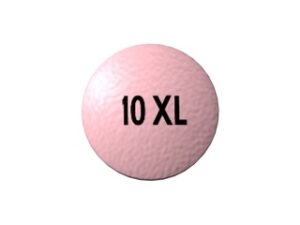
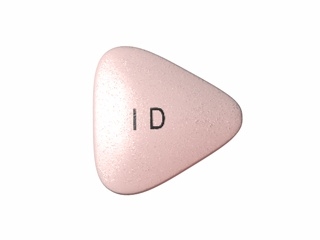
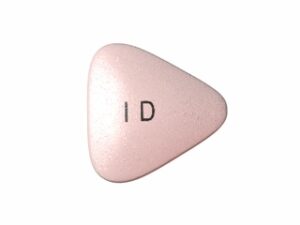

Voveran SR (Diclofenac) – Patient-Friendly Information (UK)
Voveran SR is a brand of diclofenac, a pain-relieving anti-inflammatory medicine from the NSAID (non-steroidal anti-inflammatory drug) family. The “SR” stands for slow-release, designed to help the medicine work steadily over time.
This guide explains how Voveran SR works, what it’s used for, how to take it safely, common interactions (including with food, alcohol and other medicines), and practical tips for everyday use in the United Kingdom.
Quick overview
- Medicine: Voveran SR (diclofenac, slow-release)
- Type: NSAID (anti-inflammatory painkiller)
- Form: tablets (slow-release)
- Key benefits: helps reduce pain, inflammation and stiffness
- Important safety notes: can increase risk of stomach bleeding/ulcers and may affect the heart and kidneys in some people
- Common uses: painful inflammatory conditions such as arthritis and certain musculoskeletal pains
Basic product information
| Category | Details |
|---|---|
| Active ingredient | Diclofenac (slow-release formulation) |
| Brand | Voveran SR |
| Medicine class | NSAID (anti-inflammatory drug) |
| How it works | Reduces inflammation and pain by lowering prostaglandins |
| Typical dosing style | Often taken once or twice daily depending on strength and condition |
| Key precautions | Stomach ulcer/bleeding, kidney issues, heart risk, asthma sensitivity in some patients |
How Voveran SR works (mechanism of action)
Diclofenac works by blocking enzymes called cyclo-oxygenase (COX-1 and COX-2). These enzymes help produce prostaglandins—chemicals involved in:
- Pain signalling
- Inflammation and swelling
- Fever responses
- Protection of the stomach lining (especially through COX-1)
By reducing prostaglandins, Voveran SR can relieve pain and stiffness and help reduce inflammation in many conditions.
Pharmacokinetics (how the body handles it)
Pharmacokinetics describes absorption, distribution, metabolism and elimination.
Absorption and slow release
Voveran SR is formulated to release diclofenac gradually. This can help maintain blood levels over time, which is why it’s often taken less frequently than immediate-release diclofenac.
Distribution
Diclofenac binds to blood proteins and distributes into tissues, including sites of inflammation. It may remain in synovial fluid (joint fluid) longer than in blood, which can be beneficial for joint-related symptoms.
Metabolism
Diclofenac is mainly metabolised in the liver. Your metabolism can vary between individuals, and liver function and other medicines may affect how quickly diclofenac is processed.
Elimination
Metabolites are eliminated primarily via the kidneys and to a lesser extent via bile and the gut. Kidney function and hydration status can influence safety.
What this means in practice: If you have kidney or liver problems, or you take medicines that affect the liver or kidneys, safety monitoring and dose adjustments may be needed.
Typical uses in the UK
Voveran SR is used for conditions where pain and inflammation play a role. Typical indications may include:
- Osteoarthritis (wear-and-tear arthritis) – helps relieve pain and stiffness
- Rheumatoid arthritis and other inflammatory joint conditions
- Spondyloarthritis (where relevant)
- Acute musculoskeletal pain such as strains and sprains (where a long-acting option is considered)
- Back pain associated with inflammation or musculoskeletal conditions (short-term use may apply)
- Dental or post-procedural pain in some settings where NSAIDs are appropriate
Note: Exact suitability depends on your diagnosis, medical history, other medicines, and risk factors. NSAIDs are not ideal for everyone.
Timing and how to take Voveran SR
Voveran SR is designed for steady effect. To get the best benefit and reduce side effects:
- Take it at the same time each day to maintain consistent drug levels.
- Swallow the tablet whole with water (do not crush or split unless advised by a clinician/pharmacist and the product instructions allow it).
- Follow the prescribed schedule for your strength and condition.
Morning, evening, or with meals?
Although some NSAIDs can be taken with or without food, taking diclofenac with food or just after food may reduce the chance of stomach upset.
Practical tip: Choose a routine that fits your meals (for example, after breakfast or after your evening meal) and avoid taking it on an empty stomach if you notice indigestion.
Food interactions
Food does not usually “cancel” diclofenac’s effect, but it can improve stomach comfort.
What to watch for
- Indigestion, heartburn or stomach discomfort may increase if taken without food.
- High alcohol intake combined with NSAIDs increases the risk of stomach irritation and bleeding (see alcohol section below).
- Gastric protection strategies may be considered if you have a higher risk of ulcers (for example, a proton pump inhibitor), depending on your overall risk profile.
Hydration matters
NSAIDs can affect kidney blood flow. Ensure you’re not significantly dehydrated—especially during hot weather, vomiting/diarrhoea, or if you’re taking other medicines that can affect the kidneys.
Alcohol interactions
Combining NSAIDs like diclofenac with alcohol can increase the risk of:
- Gastric irritation, gastritis and ulcers
- Stomach or gut bleeding
- Kidney strain (especially if you’re dehydrated)
Advice: It’s generally best to limit alcohol while taking Voveran SR. If you drink regularly or in large amounts, discuss this with a healthcare professional before using diclofenac.
Medicine interactions (important)
Diclofenac can interact with several common medicines. Always check with a pharmacist if you’re unsure, especially if you take multiple long-term medicines.
Higher-risk interactions
- Other NSAIDs (e.g., ibuprofen, naproxen, aspirin for pain): increased risk of stomach bleeding and kidney problems.
- Blood thinners (e.g., warfarin): increased bleeding risk.
- Antiplatelet medicines (e.g., clopidogrel) and aspirin (if used for heart protection): bleeding risk may increase.
- SSRIs/SNRIs for depression (e.g., sertraline, citalopram, venlafaxine): can increase the risk of gastrointestinal bleeding when combined with NSAIDs.
- Corticosteroids (e.g., prednisolone): higher risk of stomach irritation/ulceration.
- Diuretics (“water tablets”) and some blood pressure medicines (e.g., ACE inhibitors like lisinopril, ARBs like losartan): may increase risk of kidney impairment, particularly in older adults or if dehydrated.
- Lithium: NSAIDs can increase lithium levels, raising the risk of lithium toxicity.
- Methotrexate (for certain inflammatory/immune conditions): NSAIDs may raise methotrexate levels and toxicity risk (dose and timing are crucial).
- Digoxin: may increase digoxin levels.
- Some anti-diabetic medicines (e.g., insulin, sulfonylureas): NSAIDs can affect blood sugar control in either direction in some people.
Lower-risk but still relevant
- Antacids: may reduce stomach acid symptoms; usually they don’t directly “neutralise” diclofenac but may help comfort.
- Proton pump inhibitors (PPIs) (e.g., omeprazole): may help reduce ulcer risk, though they do not remove all NSAID-related risks.
Always tell your pharmacist about all medicines you take, including over-the-counter products and herbal supplements.
Dosing guidance (general information)
Dosing depends on the condition being treated, your age, kidney/liver function, and how you tolerate the medicine. The aim is to use the lowest effective dose for the shortest possible time consistent with symptom control.
Common dosing patterns (general)
- Slow-release diclofenac is commonly taken once or twice daily depending on the specific strength and clinical situation.
- For chronic inflammatory pain, clinicians may choose a schedule that maintains steady control throughout the day.
- If symptoms improve, the dose may be reduced or the medicine stopped as advised.
Do not exceed the stated maximum daily dose for the product strength. If you miss a dose, do not take a double dose—take your next dose at the usual time.
Who may need extra caution
- People aged 65 years and over
- Anyone with a history of stomach ulcer or gastrointestinal bleeding
- People with kidney disease or reduced kidney function
- People with a history of heart disease, stroke, or uncontrolled high blood pressure
- People with asthma that worsens with aspirin/NSAIDs
Safety profile: common and serious side effects
Like all medicines, diclofenac can cause side effects. Many people tolerate NSAIDs well when used correctly, but the risk of complications increases with higher doses, longer duration, and certain personal risk factors.
Common side effects
- Indigestion, heartburn
- Stomach pain or nausea
- Headache
- Dizziness
- Mild fluid retention (swelling around ankles) in some people
Serious side effects – seek urgent medical advice
Stop the medicine and seek urgent help if you experience signs of serious harm, such as:
- GI bleeding: vomiting blood or material like “coffee grounds”, black/tarry stools
- Severe stomach pain or persistent vomiting
- Allergic reaction: swelling of face/lips, wheezing, severe rash, trouble breathing
- Breathing difficulties (especially if you have NSAID-sensitive asthma)
- Signs of liver problems: yellowing of skin/eyes, dark urine, severe fatigue
- Kidney problems: reduced urine, unusual swelling, persistent breathlessness
- Chest pain or stroke symptoms: sudden weakness, difficulty speaking, severe headache, or sudden vision changes
Cardiovascular and kidney considerations
NSAIDs may increase risk of heart attack and stroke, particularly when used at higher doses or for prolonged periods. They can also affect kidney function—especially in older adults, those with dehydration, and people taking certain blood pressure medications or diuretics.
General principle: If your symptoms can be managed using non-drug measures or safer alternatives, consider those first—particularly if you have cardiovascular or kidney risk factors.
Practical use tips (UK-friendly)
- Use the lowest effective dose and review regularly if you’re taking it for more than a few days.
- Don’t combine with other NSAIDs unless a clinician/pharmacist advises it.
- Take with food if you get indigestion.
- Stay hydrated, particularly during illness (fever, vomiting, diarrhoea) or hot weather.
- Avoid alcohol excess to reduce stomach and bleeding risk.
- Watch for warning signs of ulcers or bleeding—don’t ignore them.
- Be cautious with dehydration if you’re also on diuretics or blood pressure tablets.
- Keep a symptom diary (pain severity, stiffness, function, and side effects) to support safe decisions about whether to continue.
Alternative options
If diclofenac isn’t suitable—or if you want an alternative approach—there are several options that may be considered depending on your condition and risk factors.
Non-drug options
- Physiotherapy and guided exercise for back pain and arthritis
- Heat or cold packs (depending on whether the pain is flare-up/inflammatory)
- Weight management and activity modification for arthritis
- Rest and pacing rather than complete inactivity
Medication alternatives
- Paracetamol: may help pain relief, particularly where anti-inflammatory effect is not essential.
- Topical NSAIDs (e.g., diclofenac gel): may be appropriate for some localised joint pain with lower systemic exposure.
- Other oral NSAIDs (e.g., ibuprofen or naproxen): choice depends on your risk profile and suitability.
- For inflammatory conditions: other long-term treatments may be needed (e.g., disease-modifying therapies for certain arthritis types), guided by specialists.
Important: Alternatives still come with their own risks. Discuss what’s safest for you—particularly if you have stomach, kidney, liver, heart, or asthma history.
Market and legal context in the United Kingdom
In the UK, NSAIDs—including diclofenac—are regulated medicines. Use must align with UK labelling, patient information, and prescribing/dispensing guidance as applicable. Medicines like Voveran SR should be used responsibly to minimise avoidable harm.
Why this matters: UK medicines safety updates and professional guidance continually emphasise the need to:
- Use the lowest effective dose
- Use NSAIDs for the shortest duration necessary
- Consider individual risk factors (GI bleeding, heart disease, kidney impairment, asthma)
- Check for drug interactions before combining with other medicines
Recent guidance and safety emphasis (general UK themes)
Across recent years, UK and European medicines safety communications have consistently highlighted:
- Cardiovascular risk awareness with NSAIDs, especially at higher doses and longer courses
- GI risk (ulcers and bleeding), particularly for people with a history of ulceration or when combined with interacting medicines
- Kidney risk and dehydration sensitivity
- Importance of patient counselling to recognise symptoms of serious side effects
- Encouragement of safer alternatives where possible (for example, topical NSAIDs for localised pain)
If you’re unsure whether diclofenac is the best option for your situation, a pharmacist can help you compare options based on symptoms and your health history.
Delivery and availability (online pharmacy)
Voveran SR availability may vary by strength and formulation. Online pharmacies in the UK typically offer:
- Ordering with clear product details and dosing information
- Secure packaging for protection during transit
- Tracking options for eligible deliveries
- Customer support if you have questions about use or compatibility
Delivery timings: Delivery times depend on stock availability, location, carrier schedules and service level. You’ll generally see estimated delivery windows at checkout or in your order confirmation.
Storage: Store tablets as directed on the pack—usually in a cool, dry place away from direct heat and sunlight, and keep out of reach of children.
FAQ
1) What is Voveran SR used for?
Voveran SR is used to relieve pain and inflammation associated with conditions such as osteoarthritis and other inflammatory musculoskeletal problems. It may also be used for short-term relief of certain painful conditions where an NSAID is appropriate.
2) How fast does Voveran SR start working?
Because it is slow-release, it may take some time to reach steady effect. Many people notice improvement within hours, but the full benefit may develop over the first day or two depending on the condition and dose. If symptoms worsen or do not improve, seek advice.
3) Can I take it with food?
Yes—taking Voveran SR with food or soon after eating can reduce stomach upset for many people.
4) Should I avoid alcohol?
It’s best to limit alcohol. Alcohol increases the risk of stomach irritation and bleeding when combined with NSAIDs.
5) Can I take ibuprofen or other painkillers at the same time?
Avoid combining with other NSAIDs (such as ibuprofen, naproxen or aspirin for pain) unless a clinician or pharmacist advises it. Paracetamol is often used as an alternative for pain relief, but you should follow product guidance and consider your total daily dose.
6) What should I do if I miss a dose?
Take the missed dose only if it is still close to the scheduled time. Otherwise, skip it and take the next dose as planned. Do not take a double dose.
7) Who should not use diclofenac products?
Diclofenac may not be suitable if you have a history of NSAID-related allergic reactions, certain stomach ulcer/bleeding history, severe kidney or liver impairment, or specific asthma sensitivity. If you’re unsure, ask a pharmacist for advice based on your medical history.
8) What are the signs of a serious stomach problem?
Seek urgent help for black/tarry stools, vomiting blood or material like coffee grounds, severe stomach pain, or persistent vomiting.
9) Can Voveran SR affect my kidneys?
Yes, NSAIDs can affect kidney function, particularly in older adults, people with kidney disease, dehydration, or when used with certain medicines like diuretics or ACE inhibitors/ARBs. Staying hydrated and monitoring symptoms is important.
10) Is there a safer option if I have stomach problems?
Some people may be better suited to topical NSAIDs, paracetamol, or an approach that includes stomach protection, depending on the cause and severity. Your pharmacist can help you weigh options.
Important reminder
Voveran SR (diclofenac) can be effective for pain and inflammation, but it also carries potential risks—particularly involving the stomach, kidneys and cardiovascular system. Use it according to the product instructions, avoid unnecessary combinations, and stop and seek urgent help if you develop symptoms suggesting bleeding, allergy, liver problems, kidney problems or severe cardiovascular symptoms.
If you have questions about whether Voveran SR is suitable for your needs, or about interactions with your current medicines, speak with a pharmacist—especially if you have any long-term conditions or take multiple medicines.