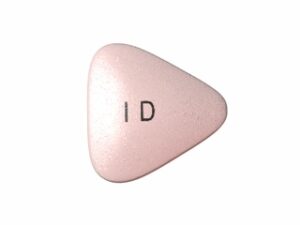
Xylocaine (Lidocaine) – Patient-Friendly Guide
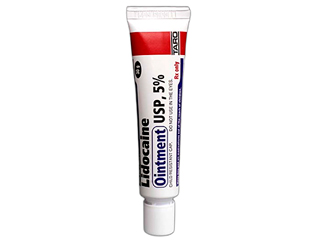
Xylocaine contains lidocaine, a local anaesthetic used to numb a specific area of the body. It works by blocking nerve signals, providing relief from pain or discomfort during medical and dental procedures. Depending on the product strength and formulation (for example, gel, spray, injection, or patch where available), Xylocaine may be used for short-term local numbness or to support pain control in certain clinical settings.
This guide is designed to help you understand how Xylocaine works, what it’s used for, how it’s typically taken or applied, and the key safety points to consider. Always follow the instructions you are given and read the patient information leaflet supplied with your particular product.
1) Basic Product Information
- Active ingredient: Lidocaine (as a local anaesthetic)
- Brand name: Xylocaine
- What it does: Temporarily numbs an area by reducing or stopping pain signals
- Common formulations: Depending on the UK product you purchase, lidocaine may be available as gel, spray, injection, or patch. Exact availability varies.
- Onset (typical): Often within minutes for topical/local forms used for surface numbness
- Duration (typical): Varies by formulation and where it is applied (short- to intermediate-term effect)
Note: Different Xylocaine products contain different concentrations and are used in different ways. The safest dose depends on the specific product strength, the area being treated, and patient factors such as age and overall health.
2) How Lidocaine Works (Mechanism of Action)
Lidocaine is a local anaesthetic. It works mainly by blocking voltage-gated sodium channels on nerve cells. When sodium channels are blocked, nerve cells cannot generate and transmit pain signals effectively. As a result, the treated area becomes numb or less sensitive.
In simple terms, lidocaine:
- Prevents nerve impulse transmission from the site
- Reduces sensation (including pain) in a limited area
- Has rapid onset when applied correctly to the intended tissue
3) Pharmacokinetics (How the Body Handles It)
Pharmacokinetics describes what happens to a medicine after it enters the body: absorption, distribution, metabolism, and elimination. With lidocaine, the degree of absorption depends strongly on the formulation and the application site. Topical products can be absorbed through mucous membranes or damaged skin more readily than through intact skin.
Key points (general)
- Absorption: Varies by route (topical surface vs injection) and the condition of the tissue.
- Distribution: Lidocaine distributes into tissues; the level in blood may rise if large areas are treated or if absorption is high.
- Metabolism: Primarily metabolised in the liver.
- Elimination: Metabolites are excreted via the kidneys.
Because lidocaine is processed in the liver, people with liver impairment may be more susceptible to higher levels in the body. Similarly, very large doses or incorrect use can increase the risk of side effects affecting the brain or heart.
4) Typical Uses in the UK
Xylocaine (lidocaine) is used to produce local numbness for a range of medical and dental purposes. Common uses depend on the specific product. In general, lidocaine may be used for:
- Dental procedures (local anaesthesia for comfort)
- Minor surgical or diagnostic procedures where local numbness is needed
- Relief of pain or discomfort in certain localised conditions (depending on formulation and indication)
- Topical numbing of mucous membranes in specific settings (for example, when appropriate and as labelled)
- Short-term pain control when local anaesthetic effect is helpful
The exact indication for a given product is determined by its formulation and licensed use. Your pharmacy or healthcare professional can advise which lidocaine product is appropriate for your situation.
5) When It Works: Timing and Onset
The speed and duration of pain relief depend on the formulation and where it’s applied. In many topical/local uses, numbness can start within minutes. For injection-based local anaesthesia, onset can also be quick, but exact timing depends on technique and dose.
Practical expectations:
- Onset: Often within minutes after correct application.
- Peak effect: Usually reached shortly after onset.
- Duration: May last from a short period to a few hours, depending on product strength and location.
If you do not feel the expected numbing effect, do not increase the amount beyond the labelled instructions. Consider speaking to a clinician for advice, especially if numbness is necessary to proceed safely with a procedure.
6) Food Interactions
Lidocaine is used locally and is not typically taken as a meal-time medicine. In most labelled uses, food interactions are not expected to be significant. However, if a product is used in the mouth or throat, be mindful of eating and drinking while the area is numb.
- While numb: Avoid eating hot foods or chewing, as you may not feel injury and could bite your tongue, cheek, or lips.
- After numbing: Wait until sensation returns before eating normally.
7) Alcohol and Medicine Interactions
Alcohol
Small amounts of alcohol are not usually a direct issue for topical local anaesthetic use. However, avoid excessive alcohol, as it can increase the risk of side effects such as dizziness, drowsiness, or delayed reaction times—particularly if you are also taking other medicines.
Other medicines
Lidocaine is metabolised mainly by the liver. Some medicines can affect liver enzymes or increase blood levels of lidocaine, potentially raising the chance of side effects.
Tell your pharmacist or clinician if you take any of the following:
- Medicines affecting heart rhythm (antiarrhythmics)
- Other local anaesthetics (to avoid additive effects)
- Certain medicines that affect liver metabolism (for example, some anti-seizure medicines)
- Medicines that may affect blood concentration of lidocaine through metabolic pathways
This is not a complete list. Interactions depend on your exact product and dose, your health conditions, and any other medicines you use. For the most accurate advice, check the patient leaflet or ask a healthcare professional.
8) Indications: When Xylocaine May Be Used
“Indications” means the medical reasons a medicine is used. For Xylocaine, indications vary by formulation and licensed use. In general, lidocaine products are indicated for local anaesthesia and relief of pain at the site of application as described in the product instructions.
Common clinical scenarios include:
- Procedural pain control (dental, minor surgical, or diagnostic procedures)
- Localised discomfort where temporary numbness is appropriate and safe
Important: Use only for the indication and route listed for your specific product. Using lidocaine on the wrong area, or in higher amounts than recommended, can be dangerous.
9) How to Use Xylocaine: Dosing and Practical Guidance
Dosing depends on the product form, concentration, and the area treated. Because different Xylocaine products have different strengths, it is not safe to provide a single universal dose here.
Follow these general principles:
- Use the smallest amount needed to achieve the desired effect.
- Do not exceed the maximum recommended dose stated on the product label or leaflet.
- Apply only to the intended area.
- Wash hands before and after application (unless the leaflet says otherwise).
- Avoid eyes and do not apply to large broken skin areas unless instructed by a clinician.
Typical dosing approach (high-level)
Clinicians typically select a dose based on the formulation and the patient’s risk factors (such as age, weight, liver function, and extent of tissue exposure). For topical and mucosal products, less absorption may occur than with injection; however, absorption may still be significant if applied to sensitive or highly vascular areas.
Examples of safe use tips (topical)
- Check concentration: Ensure you use the correct product strength.
- Use measuring guidance: If a measured applicator or leaflet instructions are provided, use them.
- Wait for effect: Give it time to work rather than reapplying too soon.
- Limit frequency: Re-application should not exceed the recommended dosing schedule.
If you are unsure how much to apply, or which Xylocaine product is suitable for your need, contact your pharmacist for guidance.
10) Safety Profile: Who Should Be Careful?
Like all medicines, lidocaine can cause side effects. Many people tolerate it well when used correctly and within recommended doses. However, incorrect dosing or absorption can lead to systemic effects.
Common side effects (depending on product)
- Local reactions such as temporary redness, mild irritation, or a burning/tingling sensation
- Numbness-related effects (for example, reduced feeling leading to accidental biting or burns)
Serious side effects (seek urgent advice)
Systemic lidocaine toxicity can occur if too much is absorbed. Seek urgent medical help if you experience symptoms such as:
- Dizziness or feeling faint
- Ringing in the ears
- Trouble speaking
- Tremor or unusual twitching
- Seizures
- Confusion or extreme drowsiness
- Breathing difficulties
- Chest pain, palpitations, or an unusual heartbeat
People who may need extra caution
- Liver problems (lidocaine is metabolised in the liver)
- Heart rhythm problems or significant heart disease
- High-risk injection settings (where performed professionally)
- History of allergy to local anaesthetics or lidocaine components
- Children and older adults (dose accuracy and caution are especially important)
If you have previously had an allergic reaction to a local anaesthetic, do not use lidocaine again without medical advice.
11) Practical Use Tips (Getting the Best and Safest Results)
- Read the leaflet for your exact product: Concentration, dose, and route can differ.
- Apply correctly to the intended area only: Avoid eyes and avoid spreading beyond the target site.
- Do not use on infected or severely damaged skin unless specifically instructed—this can increase absorption.
- Be careful with numb mouth/throat: Avoid hot foods, chewing, and alcohol-containing mouth products while numb.
- Do not drive if you feel unwell: While topical lidocaine shouldn’t usually cause drowsiness, systemic side effects can affect alertness if absorption is high.
- Keep out of sight and reach of children: Accidental ingestion or misuse can be dangerous.
What to do if you accidentally use too much
If you think you have used more than recommended, or if symptoms develop (such as dizziness, ringing in the ears, or unusual drowsiness), contact NHS 111 for advice or seek urgent medical care if severe symptoms occur.
12) Alternative Options
Depending on why you need local pain relief, there may be alternatives to lidocaine. The best option depends on the condition, location of pain, and how quickly relief is needed.
Common alternative approaches (general)
- Other local anaesthetics: Different formulations or similar medicines may be used in specific contexts.
- Non-local anaesthetic pain relief: For some minor discomforts, non-anaesthetic options may be appropriate (for example, anti-inflammatory gels or oral pain relief—where suitable).
- Physical measures: Rest, cold/warm compresses, and protective coverings can help some localised pain conditions.
Your pharmacist can help you compare options based on the exact product you’re considering and your medical history.
13) UK Market and Legal Context (Overview)
In the United Kingdom, availability and classification of medicines (including whether a product is prescription-only or how it can be supplied) depends on the specific formulation and strength, as well as the regulatory decisions in place. Pharmacy supply and online availability may differ between products.
For online pharmacy use in the UK, products must be supplied in line with applicable medicines regulations and pharmacy practice standards. If a product is not suitable for your circumstances, you may be asked additional questions by the pharmacy to ensure safe supply.
Always check the product page you order: The exact formulation and strength matter for safe use and dosing.
14) Recent Guidance and Practical Updates
While guidance changes over time, the key safety themes for lidocaine products generally include:
- Preventing overdose by respecting maximum doses and correct application area
- Extra caution for higher-risk patients (for example, those with liver impairment)
- Monitoring for toxicity symptoms if high absorption is possible
- Using only for the licensed indication and route stated for your specific product
If you have questions about the most appropriate product strength or how to use it safely, your pharmacist is the best source of up-to-date, UK-specific advice.
15) Delivery, Availability, and What to Expect from an Online Pharmacy
Availability of Xylocaine (lidocaine) depends on formulation and stock. Many pharmacies can deliver within the UK, with delivery times depending on your location and the dispatch schedule.
Common delivery expectations
- Order processing: Your order may be prepared after verification steps.
- Packaging: Medicines are typically supplied in secure, tamper-evident packaging.
- Timeframes: Delivery windows vary by courier and local area.
- Product leaflet: The patient information leaflet is included with your medicine where required.
If a product is temporarily unavailable, the pharmacy may offer an alternative formulation or advise on re-ordering.
16) FAQ: Frequently Asked Questions
Is Xylocaine the same as lidocaine?
Yes. Xylocaine is a brand name that contains lidocaine, a local anaesthetic. Different Xylocaine products may contain different strengths and come in different formulations.
How quickly does Xylocaine work?
For topical/local anaesthetic forms, numbness often starts within minutes after correct application. The exact timing depends on the product and the area treated.
How long does the numbness last?
The duration varies with formulation and site. Some topical uses provide short-lived effects, while certain clinical uses may last longer. Follow your product leaflet for the expected duration.
Can I eat or drink after using Xylocaine?
If the area is in your mouth or throat, avoid eating hot foods or chewing while it’s numb to reduce the risk of biting or burns. Wait until normal sensation returns.
Can I drink alcohol with lidocaine?
Avoid excessive alcohol. Although alcohol is not usually a direct interaction for topical local anaesthetic use, alcohol can worsen dizziness or delay reaction times if side effects occur.
What interactions should I watch for?
Because lidocaine is metabolised in the liver, interactions can be possible with medicines that affect metabolism or have related effects. Tell your pharmacist about all medicines you take, including over-the-counter products and supplements.
Who should not use lidocaine?
Avoid using lidocaine without advice if you have had an allergic reaction to local anaesthetics of this type. People with significant liver or heart conditions should use lidocaine only under appropriate guidance and within labelled instructions.
What should I do if I get side effects?
For mild local irritation, stop using the product and consult your pharmacist if symptoms persist. Seek urgent medical help if you experience signs of systemic toxicity such as dizziness, ringing in the ears, tremor, breathing problems, seizures, or a serious heartbeat abnormality.
Can I use Xylocaine on broken or infected skin?
Avoid use on large areas of broken skin or infected areas unless your clinician or the product leaflet specifically allows it. Damaged skin can increase absorption and risk of side effects.
Are there alternatives if Xylocaine isn’t suitable?
Yes. Alternatives depend on the reason you need local pain relief. Your pharmacist can discuss other local anaesthetics or non-anaesthetic options appropriate for your situation.
Summary
Xylocaine (lidocaine) is a local anaesthetic that numbs an area by blocking pain signal transmission in nerves. When used correctly within the labelled dosing instructions, it can provide effective short-term relief for procedures and local discomfort. Because absorption and side effects depend on the product type, dose, and application site, always use only the intended formulation and amount.
If you have questions about choosing the right strength, how to apply it safely, or how it may interact with your other medicines, contact your pharmacist for UK-specific advice.
| Topic | Key Takeaway |
|---|---|
| Active ingredient | Lidocaine (local anaesthetic) |
| How it works | Blocks sodium channels in nerves to reduce pain signals |
| Typical timing | Often within minutes for topical/local uses |
| Duration | Varies by formulation and site; check leaflet for expected effect |
| Food interactions | Usually minimal, but avoid eating hot foods while numb (mouth/throat) |
| Alcohol | Avoid excessive alcohol; it may worsen side effects if they occur |
| Safety focus | Use correct product, dose, and area; watch for symptoms of toxicity |
| Who should be cautious | People with liver or heart problems, and anyone with prior allergy concerns |