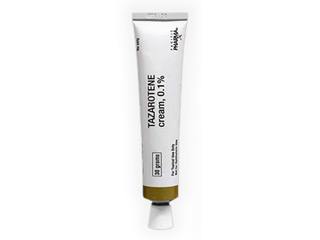
Tazarotene (Topical Gel/Cream) — Patient-Friendly Guide (UK)
Tazarotene is a prescription-strength topical medicine used to treat certain skin conditions, most commonly acne and plaque psoriasis (depending on formulation and strength). It belongs to a group of medicines called retinoids, which help normalise skin cell growth and reduce inflammation. This guide explains how tazarotene works, how to use it safely, what to expect during treatment, and important interactions and safety information for people in the United Kingdom.
| Category | Details |
|---|---|
| Medicine type | Topical retinoid (vitamin A–derivative) |
| Common forms | Gel or cream (strengths vary by product) |
| Typical targets | Acne; plaque psoriasis (depending on product) |
| How it’s applied | Thin layer to affected skin |
| Key benefits | Helps unclog pores, reduces abnormal keratinisation, improves redness and thickness in psoriasis |
| Common early effects | Dryness, peeling, redness, mild burning or stinging |
Basic Product Information
Generic name: Tazarotene
Medicinal class: Topical retinoid
How it works: It is converted in the skin to its active form, which binds to retinoid receptors and helps regulate skin cell behaviour.
Where you’ll see it used: People in the UK may use tazarotene for acne and for plaque psoriasis when recommended by a clinician, and when the specific formulation is suitable for the condition.
Mechanism of Action (How Tazarotene Works)
Tazarotene works by influencing how skin cells grow and mature. In many skin conditions, cells can multiply too quickly and/or stick together in a way that clogs pores or thickens plaques. Retinoids help to:
- Normalise cell turnover: Reduce abnormal keratinisation (the build-up of skin cells).
- Reduce inflammation: Help calm inflammatory pathways involved in acne and psoriasis.
- Improve follicular behaviour: Encourage more orderly shedding within hair follicles, which can reduce comedones (clogged pores).
- Enhance skin texture over time: Many patients notice smoother skin as keratinisation and surface shedding improve.
Important: Like many retinoid therapies, the first weeks can feel worse before the skin improves. This “adjustment phase” is common and usually becomes manageable with moisturisers, gradual introduction, and correct application technique.
Pharmacokinetics (Absorption, Metabolism, and Excretion)
Understanding what happens to the medicine in the body can help set expectations.
Absorption
When applied to the skin, systemic absorption is generally low, especially when used on limited areas and in thin layers. Absorption may increase if:
- Large areas are treated
- Application is too thick
- Skin is significantly irritated or broken
- Severe inflammation increases penetration
Metabolism
Tazarotene is primarily converted to an active metabolite in the skin (and to a lesser extent after absorption). This is the substance responsible for much of the local therapeutic effect.
Elimination
Metabolites are eliminated mainly via urinary and faecal routes after systemic processing. Because overall absorption is usually limited, systemic exposure tends to be low with proper use.
Practical takeaway: While side effects are largely local (on the skin), following the recommended amount and covering instructions helps keep exposure low.
Typical Uses in the UK
In the UK, tazarotene is used for specific conditions depending on the product strength and formulation. Common indications include:
- Plaque psoriasis: To reduce thick, scaly patches and inflammation (where the chosen product is suitable).
- Acne vulgaris: To help reduce comedones and improve overall appearance and texture (formulation dependent).
Not suitable for: Many retinoids are not intended for every skin concern. For example, treating eczema, fungal rashes, or undiagnosed spots may be inappropriate. If you’re unsure of the diagnosis, it’s best to seek medical advice.
When to Apply & Treatment Timing
Typical timing
Tazarotene is usually applied in the evening because retinoids can be more irritating with sun exposure, and they may fit better into skincare routines.
- Start slowly: Many people begin 2–3 nights per week, then increase as tolerated.
- Consistent use matters: Improvement typically develops gradually.
How long until results?
Skin changes are not instant. Typical timelines:
- First 1–2 weeks: Dryness, peeling, and mild redness may occur.
- Weeks 4–8: Early improvements may be noticeable (fewer new lesions, less plaque thickness).
- Several months: Best results often take time, especially for psoriasis.
If irritation is severe or worsening, pause and adjust (see “Practical use tips” below) and seek advice if symptoms persist.
Indications, Suitability, and Who Should Be Cautious
Tazarotene is indicated for certain diagnosed skin conditions. Suitability depends on your age, the body area being treated, skin sensitivity, other medicines, and your overall health.
- Children: Use may be age-dependent by product and diagnosis; follow the specific product guidance provided by your clinician.
- Pregnancy and breastfeeding: Retinoids can be harmful to an unborn baby. Avoid use if you are pregnant or might become pregnant, and discuss breastfeeding and contraception plans with a healthcare professional.
- Very sensitive skin or eczematous dermatitis: More irritation is possible.
- Sun sensitivity: Retinoid-treated skin may be more vulnerable to irritation from UV.
Do not use on: eyes, eyelids, corners of the nose, mouth, or broken/eczema-like skin unless specifically directed.
Dosing (How Much to Use)
Correct dosing is crucial for effectiveness and tolerability. The most common approach is to use a thin layer over affected areas.
General dosing principles
- Use the smallest amount that covers affected skin.
- Do not increase frequency or thickness if you feel irritation—over-application commonly causes more side effects.
- Start gradually if you are prone to dryness or sensitive skin.
Practical “how much”
A helpful guide many patients use is:
- Pea-sized amount for small areas (e.g., a small patch)
- Finger-tip amounts for larger areas such as half the face (varies by area)
Follow your clinician’s instructions and the product label for the exact strength and regimen. Because different formulations exist, dosing may vary.
How to Use Tazarotene Safely (Step-by-Step)
- Wash and dry the skin gently (use a mild cleanser). Allow skin to dry completely.
- Apply a thin layer to the affected area only.
- Wash your hands after application (unless treating your hands).
- Moisturise to reduce irritation—often a moisturiser is applied before and/or after tazarotene.
- Use sunscreen in the daytime and avoid excessive sun or tanning beds.
Skin-care pairing tips
- Consider using a gentle moisturiser and a non-irritating cleanser.
- A “sandwich method” may help some people: moisturiser → tazarotene → moisturiser (start gently and see how your skin responds).
- Avoid applying tazarotene immediately after aggressive exfoliation or after shaving.
Food Interactions
Food interactions are not a major concern with tazarotene because it is applied to the skin and systemic absorption is typically low. There are no widely recognised food-drug interactions specific to topical tazarotene.
However, maintaining good hydration and overall skin barrier support (for example, through suitable moisturisers and a balanced diet) can help tolerate treatment.
Alcohol and Medicine Interactions
Alcohol
There is no specific known interaction between alcohol and topical tazarotene. That said:
- If alcohol affects your skin (for example, through flushing or dehydration), you may notice more irritation.
- Alcohol-containing skincare products may sting on retinoid-treated skin—choose gentle, fragrance-free options.
Other medicines and skin products
Interactions most often relate to other topical agents or products that irritate the skin. Be cautious when using alongside:
- Other acne treatments such as benzoyl peroxide, salicylic acid, glycolic acid, or stronger retinoids (may increase irritation)
- Topical corticosteroids (sometimes used together under clinician guidance for psoriasis flare management)
- Harsh cleansers, scrubs, or exfoliating acids
- Products with high alcohol content (may worsen dryness and stinging)
If you use other dermatology medicines, consider spacing them out in time (for example, alternating nights) until you know how your skin responds.
Internal medicines: Because systemic absorption is generally low, clinically significant drug–drug interactions are unlikely. Still, it’s good practice to tell a clinician or pharmacist about all medicines you use, including over-the-counter products and herbal supplements.
Safety Profile & Side Effects
Most side effects are local and occur in the area where the product is applied. Many are dose- and frequency-related, which means they can often improve with reduced application and supportive skincare.
Common side effects
- Dryness or flaking
- Redness
- Peeling
- Burning, stinging, or itching (especially early in treatment)
- Skin discomfort and mild irritation
Less common but important effects
- Severe irritation or blistering (stop and seek advice)
- Swelling or worsening rash
- Changes in skin colour (temporary hyperpigmentation/hypopigmentation can occur, especially in more sensitive or darker skin tones)
When to stop and get urgent advice
Seek urgent medical help if you develop signs of a significant allergic reaction, including:
- Swelling of the face, lips, or throat
- Difficulty breathing
- Severe widespread rash
Long-term considerations
Tazarotene is intended for ongoing management of certain conditions. Many people need maintenance treatment to reduce recurrence. Your clinician may adjust strength, frequency, or add supportive therapies based on response and side effects.
Practical Use Tips (What Helps Most Patients)
1) Use the “right amount”
More does not mean better. Over-application increases irritation and can lead to a longer recovery phase.
2) Moisturise strategically
- Use a bland moisturiser to reduce stinging.
- If moisturiser stings, switch to a simpler formulation (fragrance-free, low irritant).
3) Avoid sun and protect daily
- Wear SPF every morning.
- Limit midday sun and avoid tanning beds.
4) Be careful around hairline and facial folds
Retinoids can be more irritating in delicate areas. Apply carefully and avoid the corners of the nose and mouth.
5) Don’t combine with strong exfoliation at the same time
Skip scrubs, waxing, and strong acids during the early retinoid “build-up” phase unless advised otherwise.
6) If irritation happens, adjust—not necessarily quit
Common adjustments include:
- Reduce to fewer nights per week
- Use the sandwich method
- Take a short break until comfortable, then restart gradually
Alternative Options (Depending on the Condition)
There are other treatments for acne and psoriasis. The best choice depends on your diagnosis, severity, skin type, and how you tolerate retinoids.
For acne
- Benzoyl peroxide (helps reduce bacteria and inflammation)
- Topical antibiotics (often used for limited periods under guidance)
- Salicylic acid (helps with clogged pores)
- Adapalene or other topical retinoids (similar class, different tolerability)
- Oral options in more severe cases (specialist-led)
For plaque psoriasis
- Topical corticosteroids (often first-line for flare control)
- Vitamin D analogues (help slow overactive skin cell growth)
- Coal tar (in certain formulations)
- Phototherapy or systemic therapies for moderate to severe disease
If tazarotene doesn’t suit you, a clinician can recommend alternatives and supportive measures tailored to your skin.
Market and Legal Context in the United Kingdom
In the UK, tazarotene products are regulated medicines and their availability is subject to national medicines regulation and pharmacy supply rules. Online pharmacies should only supply medicines in line with UK regulations, including:
- Proper identification of the product and strength
- Correct labelling and patient information
- Appropriate checks to ensure safe supply, particularly for sensitive medicines
Product availability: Availability can vary by supplier and formulation (e.g., different strengths may be listed). Your pharmacy website should clearly show product details, expiry information, and guidance for use.
Always follow local guidance: UK dermatology guidance and prescribing practices evolve. If you have questions about suitability, local availability, or recent recommendations for acne/psoriasis, consult a clinician or pharmacist.
Recent Guidance and Treatment Updates (General Trends)
While specific national documents should be checked for the latest wording, current UK dermatology practice generally emphasises:
- Starting low and going slow with retinoids to improve tolerability
- Skin barrier support (gentle cleansing and moisturising)
- Sun protection to reduce irritation and post-inflammatory pigment changes
- Structured follow-up for moderate cases or if symptoms worsen
For psoriasis, clinicians often aim for “clear or almost clear” skin while minimising irritation and long-term risks, which can influence how frequently topical retinoids are used.
Delivery and Availability (How Online Supply Works in the UK)
Availability of tazarotene online depends on the specific brand/formulation and strength. When ordering from a UK online pharmacy:
- Check product strength and form: gel vs cream may affect feel and irritation
- Confirm quantity: packs can vary in size
- Check delivery options: standard vs express may differ by supplier
- Storage: store as directed on the packaging (typically at room temperature and away from heat/sun)
- Expiry: ensure the product has sufficient remaining shelf life
Packaging: Medicines should arrive sealed and labelled. If packaging is damaged or you notice unusual changes (e.g., discolouration or separation), do not use and contact the supplier.
FAQ (Frequently Asked Questions)
1) Can I use tazarotene every day?
Many people start with less frequent use (e.g., 2–3 nights per week) and increase as their skin tolerates it. Daily use may be appropriate for some but can increase dryness and irritation. Follow your clinician’s instructions and product label guidance.
2) What should I do if my skin is very irritated?
Reduce the frequency, apply a moisturiser to soothe the area, and avoid other potentially irritating products (like exfoliating acids) until the skin calms down. If you get severe burning, blistering, or swelling, stop and seek medical advice promptly.
3) Does tazarotene make acne worse at the beginning?
Some people experience an “initial worsening” or increased dryness in the early weeks. This does not happen to everyone. With gradual introduction and moisturiser support, many patients find irritation becomes manageable while acne improves over time.
4) Can I use makeup over treated skin?
Yes, usually. Apply makeup after tazarotene has dried and your skin is comfortable. Choose non-comedogenic, gentle products to reduce irritation.
5) Is it safe to use with moisturisers and sunscreen?
Usually yes. Moisturiser often improves tolerability, and sunscreen is strongly recommended during the day. Use gentle, fragrance-free products if you are prone to irritation.
6) Can I shave or use hair removal products where I apply tazarotene?
It’s best to avoid shaving or waxing immediately before or after applying tazarotene, because micro-irritation can increase stinging and inflammation. If you shave, consider applying tazarotene on nights when you don’t shave and allow time for skin recovery.
7) Does tazarotene interact with other acne treatments like benzoyl peroxide?
Combining treatments can be effective but also increases irritation for some people. If you use benzoyl peroxide or other actives, consider introducing them gradually and spacing out in time (e.g., alternating nights) until you know how your skin responds.
8) Can I drink alcohol while using tazarotene?
There is no known direct alcohol interaction with topical tazarotene. However, alcohol-containing skincare products may worsen dryness. If you notice that alcohol triggers flushing or worsens skin irritation, adjust your routine accordingly.
9) Will I be able to continue using tazarotene if I go out in the sun?
Use sunscreen and cover treated areas where possible. Avoid sunburn and prolonged sun exposure. If you experience significant irritation or redness after sun, discuss adjustments with a clinician.
10) Where should I apply tazarotene?
Apply to the affected area only. Avoid eyes, lips, corners of the nose, and any areas of broken or severely irritated skin unless specifically instructed.
Summary
Tazarotene is a topical retinoid used in the UK for conditions such as plaque psoriasis and acne (depending on formulation and suitability). It works by regulating skin cell growth and reducing inflammation, but it commonly causes dryness and irritation early on. Using a thin layer, starting slowly, moisturising well, and protecting skin from the sun are key to getting the best results with fewer side effects.
If you have questions about which product strength is appropriate for your condition, how to combine tazarotene with other skincare medicines, or how to manage irritation, speak to a qualified clinician or pharmacist.