
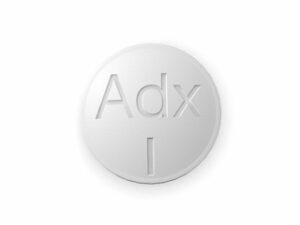
Alendronate (UK): Patient-Friendly Guide
Alendronate is a medicine used to help prevent and treat osteoporosis (thinning and weakening of bones) in adults. It belongs to a group called bisphosphonates. By slowing down the cells that break down bone, alendronate helps improve bone strength and reduce the risk of fractures.
This guide explains how alendronate works, when and how to take it, important interactions, safety information, and practical tips. It is written for patients in the United Kingdom.
1) Basic product information
| Item | Details |
|---|---|
| Generic name | Alendronate |
| Drug class | Bisphosphonate (bone-resorption inhibitor) |
| Common strengths | 10 mg once daily; 70 mg once weekly (and other equivalent presentations may exist) |
| Typical dosing schedule | Usually once weekly or once daily, depending on strength and indication |
| Form | Tablets |
| Manufacturer/brands | May be available as different brands/generics (availability varies by supplier) |
Who it is for: Adults at risk of osteoporosis-related fractures (for example, postmenopausal women, and some men with osteoporosis). Your healthcare professional may choose alendronate based on your fracture risk and medical history.
2) How alendronate works (mechanism of action)
Bone is constantly being remodelled. Two main cell types are involved:
- Osteoclasts: cells that break down bone.
- Osteoblasts: cells that build bone.
Alendronate is a bisphosphonate. It attaches to bone mineral and is taken up by osteoclasts during bone resorption. This helps reduce osteoclast activity, so bone breakdown slows down.
The result is a net increase in bone mineral density and improved structural strength over time, which helps lower the risk of fractures.
3) Pharmacokinetics (how the body handles it)
Absorption
Alendronate is absorbed from the gut, but absorption is low and is strongly affected by food and beverages. Taking it correctly (with plain water and on an empty stomach) is essential.
Distribution
After absorption, much of the drug eventually binds to bone. A small fraction may circulate before it is redistributed.
Metabolism
Alendronate is not significantly metabolised in the body.
Elimination
It is mainly removed through the kidneys. The portion bound to bone can remain there for a long time, contributing to long-lasting effects.
4) Typical use in the UK
Alendronate is used to prevent and treat osteoporosis, and it may be prescribed in certain other bone conditions where bone loss is increased. In the UK, it is widely used because it is effective, established, and available in common strengths.
Indications (what it’s used for)
Alendronate may be prescribed for:
- Treatment of osteoporosis in postmenopausal women.
- Treatment of osteoporosis in men.
- Prevention of osteoporosis in certain groups at risk (for example, people receiving long-term corticosteroids, where suitable).
- Glucocorticoid-induced osteoporosis (bone loss associated with long-term steroid medicines), in adults at risk.
The exact indication and dose depend on your age, sex, fracture risk, and other treatments. If you are unsure why it was chosen for you, ask your pharmacist or prescriber.
5) Dosing: timing and how to take it correctly
Correct administration is crucial for alendronate to work properly and to reduce the risk of irritation to the oesophagus (the food pipe).
Common dosing schedules
- 70 mg once weekly (common regimen for many osteoporosis indications).
- 10 mg once daily (alternative regimen for some patients/indications).
Always follow the specific instructions provided with your product and any advice from your healthcare professional. If you miss a dose, consult the instructions on the patient leaflet or ask a pharmacist for guidance.
How to take it (step-by-step)
- Take alendronate on an empty stomach in the morning (or at your scheduled time), unless your clinician has instructed otherwise.
- Swallow the tablet whole with a full glass of plain water (not mineral water, not juice, and not tea/coffee).
- Do not lie down for at least 30 minutes after taking it (and ideally remain upright until you have had your first food of the day).
- Wait before eating or drinking other beverages: take it before any food, and wait at least 30 minutes (or according to your leaflet) before consuming anything else.
- Stay upright (sitting or standing) after taking it to reduce reflux/oesophageal irritation risk.
Timing tips that make treatment easier
- Choose a routine: for weekly dosing, take it on the same day each week.
- Set a reminder: weekly medicines are easy to miss.
- Keep water accessible by your bedside or where you start your morning routine.
- If you have difficulty swallowing tablets, talk to your pharmacist about strategies; do not change the way you take it unless advised.
6) Food interactions: what to avoid
Food and some drinks can reduce absorption and make the medicine less effective. For this reason, alendronate must be taken with plain water only and on an empty stomach.
What can interfere
- Food (including coffee and breakfast).
- Other beverages such as tea, milk, fruit juice, and soft drinks.
- Mineral water (due to minerals that may affect absorption).
- Calcium, iron, magnesium, and certain antacids taken too close to your alendronate dose.
How to manage these interactions
If you take calcium or supplements, it is common to separate them from alendronate by several hours. Ask your pharmacist for a personalised schedule that fits your day.
7) Alcohol and medicine interactions
Alcohol
Moderate alcohol consumption is not typically described as a direct interaction with alendronate. However, alcohol may affect bone health and can increase the risk of stomach irritation in some people. If you drink alcohol regularly, discuss it with your clinician—especially if you have reflux symptoms or gastritis.
Medicine interactions (important examples)
- Calcium supplements and antacids (including aluminium/magnesium-containing products): may reduce absorption. Take at a different time from alendronate.
- Other medicines that irritate the oesophagus: combining treatments that can cause heartburn or oesophageal inflammation may worsen side effects. Examples can include some painkillers (certain NSAIDs) and oral tablets that cause reflux; your pharmacist can check your list.
- Non-steroidal anti-inflammatory drugs (NSAIDs): can also irritate the stomach/oesophagus. This is not always a reason to avoid both, but it increases the importance of taking alendronate correctly and reporting symptoms promptly.
- Corticosteroids: these may be part of the reason alendronate is prescribed (to counter steroid-induced bone loss). Do not stop steroids unless advised.
- Other bone-active treatments: your prescriber may choose one therapy at a time or switch based on response and risk; mixing without advice is not recommended.
Keep a list of all medicines and supplements you take (including over-the-counter products), and share it with your pharmacist when starting alendronate. This is especially helpful if you have reflux, kidney issues, or take frequent antacids.
8) Safety profile: who should be careful and what to watch for
Like all medicines, alendronate can cause side effects. Many people tolerate it well, particularly when it is taken correctly. Some side effects require prompt medical advice.
Common side effects
- Heartburn or indigestion
- Stomach upset
- Nausea
- Abdominal discomfort
- Headache (less common than gastrointestinal effects)
Serious but less common risks
- Oesophageal irritation or ulceration: symptoms may include difficulty swallowing, pain on swallowing, chest pain, or worsening reflux. Seek medical advice promptly if these occur.
- Osteonecrosis of the jaw (ONJ): more likely in people with invasive dental work, poor oral hygiene, certain cancer treatments, or long-term high-dose bisphosphonate therapy. Report jaw pain, swelling, loose teeth, or non-healing sores to a clinician and dentist.
- Atypical femoral fractures: can occur with long-term use; watch for new thigh or groin pain and report it promptly.
- Low calcium (hypocalcaemia): risk may be higher if you have vitamin D deficiency, low calcium intake, or certain medical conditions. Your clinician may recommend vitamin D and calcium.
Who needs extra caution
- People with problems swallowing or diseases of the oesophagus.
- People who cannot sit or stand upright for at least 30 minutes after taking the tablet.
- People with significant kidney impairment (your clinician will assess kidney function before prescribing).
- People with dental problems or planned major dental procedures.
- Pregnancy and breastfeeding: alendronate is generally not used unless specifically advised by a specialist.
When to seek urgent help
Get urgent medical advice if you develop:
- severe difficulty swallowing
- severe chest pain
- vomiting blood or black/tarry stools
- significant facial/jaw swelling or non-healing mouth ulcers
- new persistent thigh/groin pain
9) Practical use tips for better results and fewer side effects
Make the “upright” rule easy
- Take the tablet soon after waking.
- Stay seated or standing for at least 30 minutes.
- Plan your breakfast after the waiting time.
Keep supplements separate
If you use calcium, vitamin D, or antacids, separate them from alendronate by several hours (as advised). Taking them too close may reduce absorption.
Hydration and reflux awareness
- Use plain water only.
- If you experience frequent reflux/heartburn, discuss it with your pharmacist or prescriber early.
- Do not increase dose to “catch up” after missed tablets without advice.
Dental health matters
Have regular dental check-ups. Before major dental work (such as extractions or implants), tell your dentist that you take a bisphosphonate. Your dentist and clinician can decide the best approach.
10) Monitoring and expected benefits
Bone density improvement typically takes time. Your clinician may monitor progress with:
- Bone mineral density (BMD) scans (often using DXA technology)
- assessment of fracture history and risk factors
- blood tests when relevant (for example, calcium and vitamin D)
Many people feel well throughout treatment; this medicine is designed to reduce future fracture risk even if symptoms are not obvious. If you are concerned about side effects or whether it is working for you, discuss it rather than stopping suddenly without advice.
11) Alternative options
Depending on your fracture risk, tolerance, kidney function, and preferences, your healthcare professional may suggest other osteoporosis treatments. Alternatives may include:
Other bisphosphonates
- Risedronate (daily or weekly formulations depending on availability)
- Ibandronate (often monthly oral or periodic injections, depending on regimen)
- Zoledronic acid (commonly given as an intravenous infusion)
Other medicine classes
- Denosumab (injection given at intervals; needs ongoing planning when stopping)
- Raloxifene (selective oestrogen receptor modulator in suitable patients)
- Teriparatide/Abaloparatide (anabolic therapies in selected cases)
- Romosozumab (for some high-risk individuals; suitability depends on medical history)
Choice depends on your overall risk profile, side effects, convenience, and any contraindications. If you struggle with the dosing routine for tablets, injection options may be discussed with your clinician.
12) UK market and legal context (overview)
In the United Kingdom, alendronate is an established osteoporosis treatment and is available through healthcare providers. Medicines in the UK are regulated under the Medicines and Healthcare products Regulatory Agency (MHRA), and safety information is communicated through official channels and product literature.
Online pharmacies typically supply medicines in line with UK regulatory requirements, including identity checks and appropriate clinical information handling where relevant. Availability can vary between suppliers and packaging formats.
If you are purchasing online, ensure the supplier is legitimate and that the product is supplied with the correct patient information leaflet. Never take expired medicines.
13) Recent guidance and updates (general)
Osteoporosis care in the UK is influenced by clinical guidance and professional recommendations (including risk assessment frameworks and fracture prevention strategies). Over time, key themes have included:
- Using fracture risk assessment to guide who needs treatment.
- Ensuring adequate calcium and vitamin D when appropriate.
- Reviewing duration of bisphosphonate therapy in people at lower risk to balance benefits and rare long-term harms.
- Monitoring and patient education to reduce oesophageal side effects through correct administration.
Your clinician may decide when to review ongoing treatment based on your risk profile and how long you have been taking a bisphosphonate.
14) Delivery and availability (UK online pharmacy)
Alendronate is commonly available in pharmacies and via approved UK online suppliers. Delivery options vary by retailer and may include standard or express shipping, depending on stock and your location.
- Check stock status on the product page for up-to-date availability.
- Allow time for dispatch, especially for weekly schedules where missing a dose is important.
- Storage: keep tablets in the original packaging and store at appropriate room temperature unless the leaflet states otherwise.
If you need urgent continuation (for example, your next dose is soon), contact the supplier’s customer service to confirm delivery times.
15) FAQ
How long does it take alendronate to work?
Bone density improvements take months. Many fracture risk reductions are seen over time with consistent use. Clinicians typically reassess after an interval (often 1–3 years for review depending on your risk and local practice).
What should I do if I miss a dose?
Advice depends on whether you are taking it once daily or once weekly. Check the patient leaflet for your specific schedule or ask a pharmacist for tailored instructions. In general, do not take double doses to make up for a missed tablet.
Can I take alendronate with coffee or tea?
No. Take it with plain water only and wait before having any other drinks or food. Coffee and tea can reduce absorption and increase the chance of stomach irritation.
Can I lie down after taking it?
Do not lie down for at least 30 minutes after taking alendronate. Remaining upright helps reduce the risk of reflux and oesophageal irritation.
Do I need vitamin D or calcium?
Many people are advised to ensure adequate calcium and vitamin D intake. Your clinician may recommend supplements based on diet, blood tests, and risk factors. Do not take calcium/antacids at the same time as alendronate; separate them by several hours as advised.
Is it safe to take with painkillers like ibuprofen?
It can be used in combination in some people, but both can affect the stomach/oesophagus. If you have reflux, a history of ulcers, or persistent indigestion, discuss safe options with your pharmacist or clinician.
What if I get heartburn or trouble swallowing?
Stop taking the medicine and seek medical advice promptly if you experience difficulty swallowing, pain on swallowing, or worsening chest pain/heartburn. These symptoms may indicate oesophageal irritation.
Can I drink alcohol while on alendronate?
Moderate alcohol is usually not a direct interaction. However, alcohol can worsen reflux or irritate the stomach in some people. If you notice increased indigestion or heartburn, reduce alcohol and discuss with your pharmacist.
How should I store alendronate?
Store tablets in the original packaging, keep them dry, and follow the storage instructions in the leaflet. Keep out of sight and reach of children.
Is there a reason I might be switched to a different osteoporosis medicine?
You may be switched if you have side effects, have difficulty following the strict timing routine, your fracture risk changes, or if another option fits your situation better. Your clinician will guide changes and ensure continuity of care.
Summary
Alendronate is a bisphosphonate used to treat and prevent osteoporosis by slowing bone breakdown. It works best when taken correctly: on an empty stomach, with plain water only, and by staying upright for at least 30 minutes afterward. Food and certain supplements can reduce absorption, so spacing doses appropriately matters.
If you experience symptoms such as worsening reflux, difficulty swallowing, jaw pain, or new thigh/groin pain, seek medical advice promptly. Your pharmacist can help you fit the routine into daily life and check interactions with other medicines and supplements.