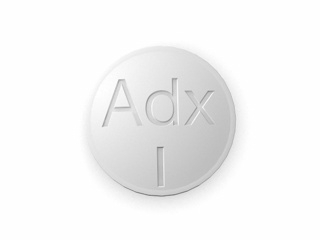


Arimidex (Anastrozole) – Patient Guide (UK)
Arimidex is the brand name for anastrozole, an anti-cancer medicine used to treat certain hormone receptor–positive breast cancers. This guide explains what Arimidex does, how it works in the body, how it is typically taken, and what you should know about safety, food and alcohol interactions, and practical day-to-day use.
If you have questions about your particular situation, speak with a healthcare professional. Individual treatment plans can vary.
1) Basic product information
| Product | Details |
|---|---|
| Name | Arimidex |
| Active ingredient | Anastrozole |
| Medicine type | Hormone (endocrine) therapy; aromatase inhibitor |
| How it is taken | Oral tablets |
| Common strength | Often 1 mg tablets (depending on market packaging) |
| Who it is used for | Breast cancer that is oestrogen receptor (ER) and/or progesterone receptor (PR) positive in appropriate settings |
2) How Arimidex works (mechanism of action)
Arimidex contains anastrozole, which blocks an enzyme called aromatase. Aromatase is responsible for converting androgens into oestrogens (including oestrogen in post‑menopausal women and in breast tissue).
By reducing oestrogen levels, Arimidex helps slow the growth of hormone-dependent breast cancer cells and lowers the risk of cancer recurrence in certain patients. It does not directly “kill” cells; rather, it changes hormone signalling that some breast cancers rely on.
- Aromatase inhibitor: reduces oestrogen production
- Used in hormone receptor–positive disease: where cancer cells depend on oestrogen
- Most commonly for post‑menopausal women: although the exact use depends on the clinical situation
3) Pharmacokinetics (how the body handles the medicine)
Understanding pharmacokinetics can help explain timing and why consistent dosing matters. Key points include:
- Absorption: Anastrozole is absorbed after oral intake. Onset of effect occurs as the drug reaches steady levels.
- Peak levels: Blood levels typically peak a few hours after taking a dose.
- Steady state: With daily dosing, the drug accumulates until a steady level is reached (commonly within about a week, depending on individual factors).
- Metabolism: The medicine is primarily metabolised by the liver (principally via CYP-related pathways).
- Elimination: It is cleared from the body through metabolism and excretion of its breakdown products.
Because anastrozole is designed for long-term use in many people, maintaining consistent daily intake is important for best results.
4) Typical uses and indications (what Arimidex is for)
Arimidex is used in certain types of breast cancer where oestrogen plays a role. In the UK, common clinical uses include:
- Early breast cancer (adjuvant therapy): to reduce the risk of recurrence after initial primary treatment (such as surgery ± radiotherapy and/or chemotherapy), for hormone receptor–positive disease.
- Advanced or metastatic breast cancer: particularly for hormone receptor–positive disease in situations where endocrine therapy is appropriate.
- Post‑menopausal status relevance: Arimidex is generally used in post‑menopausal women for these indications, but your specialist may tailor treatment based on age, menopausal status, and other factors.
Your oncology team will determine whether your tumour is likely to respond, based on receptor status (ER/PR), prior therapies, and disease stage.
5) How to take Arimidex: dosing and timing
The most common adult dose is:
- 1 mg once daily by mouth
Your exact instructions may differ depending on your treatment plan and clinical circumstances. Always follow the dosing directions provided by your healthcare team.
Timing tips
- Take it at the same time each day to help you remember.
- You can take it with or without food (see food section below).
- If you miss a dose, do not double up. Take the next dose at your usual time.
If you miss a dose
A practical approach (unless your clinician advises otherwise) is:
- If you realise on the same day: take it when you remember.
- If it’s close to the next dose: skip the missed dose and take the next one as scheduled.
If you are unsure, contact your healthcare professional or pharmacist for tailored advice.
6) Food interactions (including taking with or without meals)
Arimidex can typically be taken with or without food. This means meals generally do not require special timing.
Practical guidance:
- Choose a routine time that fits your day.
- Stay consistent; if you usually take it with breakfast, keep that habit.
If you have digestive issues (for example, reflux or nausea), taking the tablet with a small snack may be more comfortable for some people.
7) Alcohol and medicine interactions
Alcohol
There is no specific “hard rule” for alcohol with Arimidex in many patients, but it’s wise to consider the broader context:
- Alcohol may worsen side effects in some people (such as fatigue, mood changes, or sleep disruption).
- If you have liver conditions or take other medicines that affect the liver, alcohol may increase risk.
If you drink alcohol, consider keeping it moderate and discuss your usual intake with your clinician.
Medicine interactions
Interactions can occur when medicines affect each other’s metabolism or side effect profile. Tell your pharmacist or doctor about all medicines you take, including over-the-counter products and herbal remedies.
Important interaction considerations:
- Hormonal preparations: Do not use oestrogen-containing products unless your healthcare team specifically instructs you. Examples include some hormone replacement therapies and certain vaginal oestrogen products—these require medical advice.
- Liver-metabolised medicines: Anastrozole is processed in the liver, so medicines that strongly alter liver enzymes may affect levels.
- Bone health medicines: Many patients are monitored for bone density during aromatase inhibitor treatment; treatments like calcium and vitamin D may be advised.
- Other cancer therapies: If you are on additional treatments, your oncology team will coordinate dosing and monitoring.
For a complete interaction check, your pharmacist can review your exact list of medicines.
8) Safety profile: common and serious side effects
Like all medicines, Arimidex may cause side effects. Not everyone will experience them. Many effects are manageable, and your care team can suggest supportive strategies.
Common side effects
- Hot flushes
- Headache
- Joint pain or stiffness (sometimes called arthralgia)
- Muscle pain
- Fatigue
- Swelling (e.g., ankles/feet) in some patients
- Nausea
- Skin reactions (rash in some cases)
Bone thinning (osteoporosis) and fracture risk
Because aromatase inhibitors reduce oestrogen, they can affect bone density. Healthcare teams often monitor bone health.
- May increase risk of osteoporosis
- May increase risk of fractures (especially in people with pre-existing risk factors)
Your clinician may recommend:
- Bone density scans (e.g., DEXA scans)
- Calcium and vitamin D supplementation if appropriate
- Weight-bearing exercise and falls prevention
- In some cases, specific bone-protecting medication
Other side effects that may require medical attention
- Severe or persistent symptoms (worsening joint pain, weakness, or significant decline in wellbeing)
- Signs of liver problems such as yellowing of skin/eyes, dark urine, or severe abdominal pain
- Breathing difficulties or swelling of face/lips (possible allergy—seek urgent help)
- Unusual bleeding or new symptoms that worry you
Seek urgent medical help if
- You have symptoms of a serious allergic reaction (e.g., swelling of face/tongue, trouble breathing, widespread rash)
- You develop severe chest pain or other severe unexpected symptoms
9) Practical use tips (getting the best out of treatment)
- Stay consistent: Try to take your tablet daily at the same time.
- Track side effects: Note hot flush frequency, pain level, and any mood/sleep changes. This helps your team adjust supportive care.
- Manage joint symptoms: mild exercise, stretching, warm baths, and discussing pain relief options with your pharmacist can help. Don’t stop the medicine without advice.
- Support bone health: ensure adequate calcium/vitamin D as recommended and follow advice on exercise and monitoring.
- Oral care and hydration: if you experience dryness or mouth discomfort, keep hydrated and discuss options with your healthcare team.
- Medication list: keep an up-to-date list of all medicines and supplements you take, including over-the-counter products.
10) Alternative options for hormone receptor–positive breast cancer
Treatment for breast cancer depends on tumour characteristics, prior treatments, and menopausal status. Alternatives to Arimidex may include other endocrine options, and sometimes different classes of therapy.
Endocrine therapy alternatives
- Other aromatase inhibitors: for example, letrozole and exemestane (choice may depend on tolerance, prior response, and clinical factors).
- Selective oestrogen receptor modulators (SERMs): for example, tamoxifen, used in appropriate settings.
- Fulvestrant: an oestrogen receptor degrader given by injection in selected cases.
- Ovarian suppression (where relevant): used to reduce oestrogen production in pre/peri-menopausal contexts as guided by a specialist.
If Arimidex is not well tolerated, do not stop it on your own—talk to your specialist about possible adjustments or switching to another suitable option.
11) UK market and legal/regulatory context
In the United Kingdom, Arimidex (anastrozole) is a regulated medicine supplied through healthcare channels. Availability and supply arrangements follow UK medicines legislation and pharmacy regulations.
On online pharmacy websites in the UK, listings typically focus on product information and ordering processes that comply with applicable rules, including checks to ensure medicines are supplied appropriately.
Packaging, strength, and supply may vary depending on manufacturer batches and pharmacy stock.
12) Recent guidance and clinical considerations (UK context)
Breast cancer care recommendations can evolve as new evidence is published. In recent years, endocrine therapy continues to be a core part of treatment for hormone receptor–positive breast cancer, with emphasis on:
- Individualised duration and sequencing of endocrine therapy
- Bone monitoring and prevention strategies during aromatase inhibitor treatment
- Managing side effects to support adherence (e.g., arthralgia and hot flushes)
- Shared decision-making between patients and clinicians
Your local oncology team will follow guidance relevant to your treatment stage and personal risk profile.
13) Delivery and availability (online pharmacy)
Delivery times and availability depend on the pharmacy supplier and stock status. When ordering online, you should expect:
- Order confirmation once the item is reserved for dispatch
- Secure packaging to protect tablets during transit
- Tracking options in many delivery services
- Stock-dependent dispatch: if an item is out of stock, delivery may be delayed or an alternative arrangement may be offered
For the most accurate delivery estimate, refer to the product page and checkout details provided by the pharmacy.
14) Frequently Asked Questions (FAQ)
Can I take Arimidex with food?
Yes. Arimidex can generally be taken with or without food. Choose a routine you can stick to.
What happens if I miss a dose?
If you miss a dose, take it when you remember unless it is close to the next scheduled dose. Do not double the dose. If you’re unsure, ask your pharmacist for advice.
How long is Arimidex usually taken for?
It varies. For early breast cancer, treatment may be given for multiple years depending on risk and response. Your clinician will advise the intended duration for your plan.
Is it safe to stop Arimidex if I feel unwell?
Don’t stop or change your dose without speaking to your healthcare team. Many side effects can be managed, and stopping abruptly may not be appropriate.
Will Arimidex affect my bones?
It can. Aromatase inhibitors may reduce bone density, increasing osteoporosis and fracture risk. Monitoring and preventive measures (such as calcium/vitamin D and bone density checks) are often considered.
How can I manage joint pain while on Arimidex?
Gentle exercise, stretching, heat therapy, and discussing appropriate pain relief options with your pharmacist can help. If pain is significant or persistent, contact your clinician—your treatment plan may be adjusted.
Are there any alcohol restrictions?
There is usually no absolute restriction for alcohol, but alcohol can worsen fatigue or sleep and may be relevant if you have liver issues or take other interacting medicines. Keep intake moderate and discuss with your clinician if unsure.
What medicines should I avoid?
Always check interactions. In particular, avoid using oestrogen-containing products unless specifically approved by your healthcare team. Tell your pharmacist about all medicines and supplements you use.
Does Arimidex cause hair loss?
Hair thinning can occur with some cancer treatments, but it is not among the most common effects of anastrozole. If you notice unexpected changes, discuss them with your healthcare professional.
What should I do if I get severe side effects?
Contact your healthcare team promptly. Seek urgent help if you suspect an allergic reaction or experience severe, rapidly worsening symptoms.
15) Summary
Arimidex (anastrozole) is an aromatase inhibitor used for hormone receptor–positive breast cancer. It works by lowering oestrogen production, helping control or reduce recurrence risk depending on the stage and tumour characteristics. It is typically taken as a once-daily oral tablet and can usually be taken with or without food.
The main practical safety focus is on side effects—especially effects on bones—and on managing symptoms such as hot flushes and joint pain. With appropriate monitoring and supportive care, many people continue treatment effectively.