Cyklokapron (Tranexamic acid) – Patient-Friendly Guide (UK)
Cyklokapron contains tranexamic acid, a medicine used to help the blood clot more effectively by slowing down the breakdown of blood clots. It is used in a range of situations where reducing abnormal or excessive bleeding is important.
This guide is designed to be clear and practical. It does not replace advice from a healthcare professional, but it can help you understand how the medicine works, when it is typically taken, and what to watch out for.
1) Basic product information
| Product name | Active ingredient | What it is for | Typical form |
|---|---|---|---|
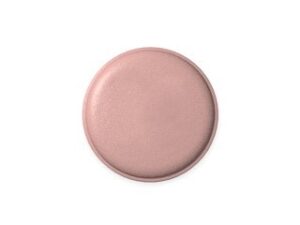
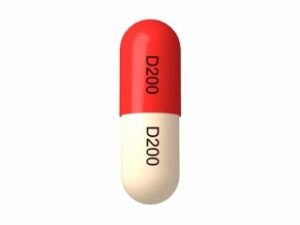
| Cyklokapron | Tranexamic acid | Helps reduce excessive bleeding by stabilising clots | Tablets (commonly available in UK) |
Brand availability: Cyklokapron is a well-known brand name in the UK for tranexamic acid. Availability can vary by pharmacy, stock levels, and strength.
2) How Cyklokapron works (mechanism of action)
Tranexamic acid helps your body maintain clots long enough for bleeding to settle. It does this by blocking the action of plasmin, an enzyme involved in clot breakdown (fibrinolysis).
- Normally: after a clot forms, your body eventually breaks it down so normal circulation can return.
- With tranexamic acid: clot breakdown is slowed, so the clot remains stable for longer.
This makes tranexamic acid useful when bleeding is driven or worsened by excessive clot breakdown.
3) Pharmacokinetics (how the body handles the medicine)
After taking tranexamic acid by mouth, it is absorbed into the bloodstream and distributed around the body. It is eliminated mainly through the kidneys.
- Absorption: oral absorption occurs after swallowing the tablet.
- Distribution: tranexamic acid reaches sites where bleeding control is needed.
- Elimination: primarily excreted in urine.
- Kidney function matters: because elimination is renal, dose adjustments may be required in people with reduced kidney function.
Because your kidneys help clear the medicine, it’s important to inform your healthcare team if you have kidney disease or have been told your kidney function is reduced.
4) Typical use in the UK (indications)
The main reasons tranexamic acid is used in the UK include:
- Heavy menstrual bleeding (HMB): to reduce the amount of menstrual blood loss in women with heavy periods.
- Other bleeding situations: tranexamic acid may also be used in certain medical and surgical contexts to help control bleeding, depending on individual circumstances and local clinical practice.
- Dental/ENT-type bleeding prevention or control: may be considered in specific cases where reducing bleeding risk is beneficial.
Exact indications and eligibility depend on the specific clinical scenario and current guidelines. If you’re using Cyklokapron for heavy periods, it’s often used during the days of bleeding as advised by your clinician or local protocol.
5) When to take it (timing and how long for typical uses)
Timing depends on why you’re taking Cyklokapron. The most common patient use is for heavy menstrual bleeding.
Heavy menstrual bleeding – practical timing
- Start: many regimens begin at the start of your period (or as advised).
- Continue: typically continued for the days when bleeding is heavy, often up to a set number of days within each menstrual cycle (as advised).
- Regular dosing: take it at the times recommended to maintain effective levels.
Other bleeding situations
For other uses (for example around procedures), timing is determined by a clinician and depends on the planned event and bleeding risk. In general, it is used when it’s most likely to affect clot stability at the time bleeding occurs.
Tip: If you miss a dose, don’t double up—follow the guidance you were given or consult your pharmacist for advice.
6) Dosing guidance (general)
Dosage is individual and may depend on your age, kidney function, and the reason you’re taking tranexamic acid. For patient safety, always follow the dosing instructions provided with your medicine.
- Adults: dosing varies by indication (for example heavy menstrual bleeding often uses a specific dosing schedule taken several times per day).
- Children: use in children should be guided by a clinician familiar with paediatric dosing.
- Kidney impairment: may require dose reduction or alternative plans due to reduced clearance.
If you’re unsure about your regimen, check the label on your pack and speak with a pharmacist.
7) Food interactions
Tranexamic acid can generally be taken with or without food. However, food may help reduce stomach discomfort for some people.
- With meals: often comfortable if you have a sensitive stomach.
- Consistency: taking it the same way each day may help you stick to the schedule.
If your tablets cause nausea or indigestion, consider taking them with food (unless your pharmacist advises otherwise).
8) Alcohol interactions
There is no universally guaranteed “safe amount” of alcohol with tranexamic acid, because individual tolerance and other medicines vary. As a general precaution:
- Avoid heavy drinking while taking tranexamic acid, especially if you experience dizziness, nausea, or stomach upset.
- If you have liver disease or are taking other medicines that affect blood clotting, seek advice for your personal situation.
If you want tailored advice, tell your pharmacist what and how much alcohol you plan to consume.
9) Medicine interactions (important)
Tranexamic acid affects clot stability. Some medicines can change bleeding or clotting risk, and therefore interactions should be considered. Always inform your pharmacist of all medicines you take, including over-the-counter products and herbal remedies.
Key interaction examples
- Hormonal contraception (e.g., combined oral contraceptives): may increase the background risk of blood clots in some people. Discuss with a clinician if you use hormonal contraception, especially if you have other risk factors.
- Other medicines affecting blood clotting: include certain anticoagulants or anti-platelet medicines—your specific situation matters.
- Thrombotic risk medicines or conditions: if you have a personal or family history of thrombosis, blood clotting risk must be considered.
- Medicines that increase seizure risk: in rare cases, high doses of tranexamic acid have been linked with seizures. Your pharmacist will assess risk based on your medications and history.
Do not start or stop any other medicines without medical advice.
10) Safety profile – what to watch for
Most people tolerate tranexamic acid well, but like all medicines it can cause side effects. Some effects require urgent medical attention.
Common side effects
- Stomach upset, nausea
- Diarrhoea
- Headache
Seek urgent medical help if you develop:
- Signs of a blood clot, such as swelling or pain in one leg, chest pain, sudden shortness of breath, or coughing blood
- Visual disturbances or sudden vision changes
- Severe allergic reaction (for example, facial swelling, trouble breathing, widespread rash)
- Seizures (rare; urgent)
If you are using tranexamic acid for heavy menstrual bleeding, any new severe symptoms should be discussed promptly—particularly if you have additional clot risk factors.
11) Practical use tips
- Take on schedule: set phone reminders for each dose to keep consistent timing.
- Stay hydrated: maintaining normal hydration can be helpful for comfort.
- Track your bleeding: if you’re taking it for heavy periods, keep a simple note of flow amount and day-by-day response.
- Know your risk factors: discuss with your clinician if you have a history of blood clots, stroke, heart disease, or known clotting disorders.
- Kidney considerations: if you’ve been told you have reduced kidney function, ensure your prescriber has this information.
If you’re uncertain how to take your tablets during your cycle, ask your pharmacist to explain how the schedule should fit your bleeding days.
12) Who should be extra cautious? (contraindications and precautions)
Tranexamic acid is not suitable for everyone. You should seek advice before using Cyklokapron if any of the following apply (this is not an exhaustive list):
- Active clotting problems (for example a current blood clot) or a strong history of thrombosis
- Known bleeding disorders where another treatment approach may be more appropriate
- Problems with kidney function, which may require adjustment
- Past seizures or high-risk neurological history
If you have any doubt, check with a healthcare professional before using the medicine.
13) Alternative options
Depending on the reason you’re taking Cyklokapron, alternative approaches may include:
Heavy menstrual bleeding (HMB)
- Hormonal treatments (e.g., certain progestogens or other regimen choices)
- Non-hormonal options such as other anti-bleeding strategies used for HMB
- Procedural options for selected cases, recommended by specialist services
Other bleeding scenarios
- Procedure-specific strategies to reduce bleeding
- Other medications that clinicians may use depending on the cause
Your best alternative depends on your medical history, bleeding pattern, and how severe symptoms are.
14) UK market and legal context (availability and responsible use)
In the United Kingdom, tranexamic acid products such as Cyklokapron are available through healthcare services and community pharmacies in line with regulatory requirements and professional guidance. Availability may depend on stock and local prescribing/dispensing arrangements.
For many uses (particularly heavy menstrual bleeding), ongoing management often involves clinical assessment of the underlying cause of bleeding, especially if symptoms are new, worsening, or accompanied by other concerns (such as pelvic pain or suspected anaemia).
Recent guidance: In the UK, heavy menstrual bleeding is commonly assessed and managed using evidence-based pathways, which may include evaluating iron levels/anaemia, ruling out underlying causes, and discussing treatment options including tranexamic acid where appropriate. Local guidance can differ by region and clinical setting.
15) Delivery and availability (what to expect when ordering online in the UK)
When you order Cyklokapron online, delivery timelines depend on the pharmacy’s dispatch process, courier service, and your postcode. Most reputable UK online pharmacies provide:
- Order confirmation by email
- Estimated delivery date at checkout
- Tracking information where available
- Packaging protection to help maintain product integrity
Availability can vary with demand. If a particular strength or pack size is temporarily out of stock, the pharmacy may offer: alternative pack sizes or a similar tranexamic acid product where clinically equivalent.
Always check the label for strength and confirm it matches what you intend to take.
16) How to store Cyklokapron
- Keep tablets in the original packaging.
- Store at room temperature, away from excess heat and moisture.
- Keep out of sight and reach of children.
- Follow the expiry date printed on the pack.
17) FAQ (Frequently Asked Questions)
1. What is Cyklokapron used for?
Cyklokapron is used to help reduce excessive bleeding by preventing the breakdown of blood clots. A common use in the UK is to reduce heavy menstrual bleeding.
2. How quickly does tranexamic acid work?
Many people notice bleeding reduction within the days of use. The exact response time can vary depending on the cause and how heavy the bleeding is.
3. Should I take Cyklokapron with food?
It can usually be taken with or without food. If you experience stomach upset, taking it with meals may help.
4. Can I drink alcohol while taking Cyklokapron?
Avoid heavy drinking. If you drink alcohol, do so cautiously and stop or seek advice if you feel unwell. Your pharmacist can advise based on your medical history and other medicines.
5. What are the signs of a serious reaction or blood clot?
Seek urgent help for symptoms such as one-sided leg swelling/pain, chest pain, sudden shortness of breath, coughing blood, sudden vision changes, severe allergic symptoms, or seizures.
6. Can I take Cyklokapron if I take the contraceptive pill?
Hormonal contraception may influence clot risk in some people. It does not automatically mean you can’t use tranexamic acid, but it does mean you should discuss the combination with a healthcare professional to assess your personal risk factors.
7. Do I need dose adjustment if I have kidney problems?
Possibly. Because tranexamic acid is cleared primarily through the kidneys, dosing may need adjustment in people with reduced kidney function. Always seek advice.
8. What if I miss a dose?
Don’t take a double dose. Take the next dose at the scheduled time unless a pharmacist advises otherwise.
9. Are there natural or alternative options for heavy periods?
Options vary. Some people consider iron supplementation if anaemia is present, and lifestyle measures may help overall wellbeing, but they do not replace treatments that directly reduce bleeding. Discuss treatment choices with a healthcare professional.
10. When should I see a clinician urgently for heavy bleeding?
Seek prompt medical advice if you have very heavy bleeding (for example soaking through products quickly), signs of anaemia (such as marked fatigue or breathlessness), severe pain, fainting, or bleeding that is unusual for you.
Summary
Cyklokapron (tranexamic acid) helps control bleeding by preventing clots from breaking down too quickly. It is commonly used in the UK for heavy menstrual bleeding and may be used in other bleeding-related situations under clinical guidance. As it can affect clot stability, it’s important to consider risk factors, kidney function, and possible interactions with other medicines.
If you have questions about your dose, timing, side effects, or drug interactions, speak to a pharmacist or other healthcare professional for personalised advice.