Grifulvin V (Griseofulvin) – Patient Information
Grifulvin V contains griseofulvin, an antifungal medicine used to treat certain fungal infections, particularly dermatophyte infections of the skin, scalp and nails. This guide explains how it works, how to take it, key safety points, and practical advice to help you use it effectively.
Important: Always follow the directions given by your healthcare professional and the information in the patient leaflet. If you are unsure about anything, ask a pharmacist.
Basic product information
| Feature | Details |
|---|---|
| Medicine name | Grifulvin V (griseofulvin) |
| Type | Antifungal (for fungal infections caused by dermatophytes) |
| Common uses | Fungal infections of the scalp (tinea capitis), skin (tinea corporis/pedis), and nails (onychomycosis) |
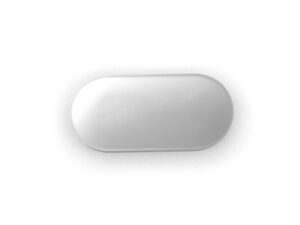
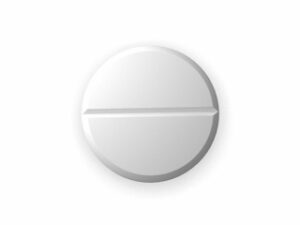
| How it is taken | Usually by mouth as tablets/suspension depending on product availability |
| How long treatment can take | Often weeks for skin and scalp; months for nail infections |
How Grifulvin V works (mechanism of action)
Griseofulvin works by interfering with the way fungi grow. It binds to fungal cell structures involved in mitosis (cell division). This disrupts the fungal cells’ ability to reproduce, which helps stop the infection spreading and allows healthy tissue to regrow.
In addition, griseofulvin becomes incorporated into newly forming skin, hair, and nail cells as they grow, making them more resistant to fungal invasion. This “build-in protection” is one reason treatment for hair and nails often lasts longer than for superficial skin infections.
Pharmacokinetics (absorption, distribution, metabolism, excretion)
Pharmacokinetics describes how the body handles a medicine.
- Absorption: Griseofulvin absorption can be variable. Taking it with fatty food typically increases absorption compared with taking it on an empty stomach.
- Distribution: It can reach the skin, hair, and nail tissues where dermatophyte fungi are located.
- Metabolism: Griseofulvin is metabolised in the liver.
- Elimination: Metabolites and drug are eliminated mainly via the kidneys (urine) and to a lesser extent via other routes.
Why this matters: Food timing can influence how well it works. Liver metabolism also contributes to important drug–drug interactions (see below).
What it is used for (indications in the UK context)
Griseofulvin is used for infections caused by dermatophytes, which commonly include fungi responsible for:
- Tinea capitis (scalp ringworm)
- Tinea corporis (ringworm of the body)
- Tinea pedis (athlete’s foot)
- Tinea unguium / onychomycosis (fungal nail infections), depending on severity and local practice
It is not generally used for infections caused by yeasts (for example, some types of thrush) or for non-fungal causes of symptoms. Your clinician will choose the most appropriate antifungal based on the type of fungus and the site affected.
Typical treatment timing
Fungal infections often improve slowly because treated fungus may remain in skin/hair/nail while healthy tissue regenerates.
- Skin infections: commonly several weeks, depending on the area and response.
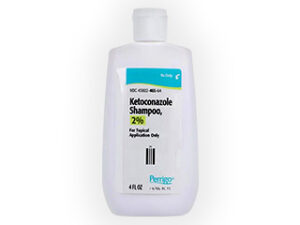
- Scalp infections: commonly several weeks; may require longer and sometimes additional measures (e.g., antifungal shampoo).
- Nail infections: often months, because fingernails/toenails must grow out before the infection is fully cleared.
Practical tip: Even if symptoms improve, you should usually complete the full course advised by your healthcare professional. Stopping early can lead to relapse.
How to take Grifulvin V (dosing and administration)
Dosing varies by age, weight, infection site, severity, and product strength. Your healthcare professional will provide the exact dose and schedule for you.
General points:
- Take the medicine regularly at the same times each day.
- Swallow tablets with water, if that is the form you have.
- For the best absorption, many people are advised to take griseofulvin with fatty food (see food section below).
Possible regimen examples (for illustration only):
- Adults and children may be dosed based on body weight and infection type.
- Some regimens are daily while others use a schedule tailored to the product and clinical scenario.
Do not change your dose unless your prescriber advises it. If you miss a dose, follow the instructions given with your medicine or ask your pharmacist for advice.
Food interactions and absorption
Food can affect how well griseofulvin is absorbed. Taking it with food (particularly fatty meals) may improve absorption and effectiveness.
To support consistent absorption:
- Take it with a meal or snack unless your healthcare professional has advised otherwise.
- Try to keep the timing with meals consistent each day.
If you have dietary restrictions (e.g., low-fat diet) or appetite changes, discuss this with a healthcare professional—your dose or approach may need adjustment.
Alcohol and medicine interactions
Alcohol
There is no single “universal rule” that griseofulvin always makes alcohol dangerous. However, both alcohol and griseofulvin can affect the liver and overall wellbeing.
- It is generally sensible to avoid heavy or binge drinking
- If you drink alcohol regularly, discuss this with your pharmacist or clinician before and during treatment
Seek urgent medical advice if you develop signs of liver problems (see safety section), especially if you are also drinking alcohol.
Medicine interactions (important)
Griseofulvin can interact with other medicines, mainly because it can influence liver enzyme systems involved in drug metabolism.
Tell your healthcare professional about all medicines you use, including:
- Prescription medicines
- Over-the-counter medicines
- Herbal products (e.g., St John’s wort)
- Supplements
Particularly important interactions include:
- Warfarin and other blood thinners: changes in effect may occur. INR monitoring may be needed.
- Oral contraceptives: reduced effectiveness has been reported with some enzyme-inducing medicines. Use additional contraception if advised.
- Other drugs metabolised by the liver: levels may change, affecting safety or effectiveness.
- Medicines that increase liver risk: combining multiple medicines that affect the liver may increase the chance of abnormal liver tests.
Practical advice: Ask your pharmacist to check your medication list for interactions before starting, and again if anything changes.
Safety profile: side effects and when to stop and seek help
Most people tolerate griseofulvin well, but side effects can occur. Not everyone experiences them.
Common or mild side effects
- Headache
- Nausea, stomach upset, or indigestion
- Diarrhoea or changes in bowel habit
- Rash or mild skin reactions
- Dizziness
Less common but important
- Liver problems (abnormal blood tests or, rarely, hepatitis)
- Blood cell changes (unusual bruising, infections, or persistent fever)
- Severe skin reactions
- Allergic reactions (swelling, breathing difficulty)
Stop and seek urgent medical advice if you have
- Yellowing of the skin or eyes (jaundice)
- Dark urine and pale stools
- Severe or persistent upper abdominal pain
- Unexplained bruising or bleeding, or signs of infection with fever
- Severe rash, blistering, or peeling skin
- Swelling of the face/lips, wheezing, or difficulty breathing
Ongoing monitoring: Depending on treatment length and your medical history, clinicians may perform blood tests, especially if treatment is prolonged or you have liver concerns.
Practical use tips for better results
- Take with food: this can improve absorption. Choose a meal you can repeat daily.
- Use consistently: missing doses can make clearance harder.
- Don’t share personal items: towels, hairbrushes, hats, socks and nail clippers can spread fungus.
- Hygiene for skin infections: keep the area clean and dry; change socks regularly.
- Scalp infections: many patients are advised to use an antifungal shampoo alongside tablets (your clinician will advise what to use).
- Nail infections: keep nails trimmed and consider footwear advice (for athlete’s foot).
- Expect slow improvement: symptoms may look better before the infection is fully gone, especially for nails.
- Watch for recurrence: recurrence can happen if the fungus is not fully eradicated or if reinfection occurs.
Alternative options (depending on infection type and site)
Whether griseofulvin is the best option depends on the fungus type, site (skin/scalp/nails), severity, and your personal circumstances.
Common alternatives include:
- Topical antifungals (for many skin infections): creams, gels, sprays or powders (e.g., terbinafine, clotrimazole, miconazole).
- Other oral antifungals (for certain scalp/nail infections or when topical treatment is not enough), such as:
- Terbinafine
- Itraconazole or fluconazole (used in specific situations under clinical guidance)
- Combination approaches: for scalp infections, tablets may be paired with an antifungal shampoo.
Why alternatives vary: different antifungals have different effectiveness profiles for specific fungi and locations, and they also differ in side-effect patterns and interaction potential.
Market and legal context in the UK
In the United Kingdom, medicines are licensed and regulated by the Medicines and Healthcare products Regulatory Agency (MHRA). The availability of brand names and formulations can change over time due to manufacturing, supply, and marketing authorisation updates.
Pharmacies and clinicians in the UK typically follow national and professional guidance when selecting treatment options for fungal infections, alongside product licence information and local protocols.
Recent guidance note: In many clinical settings, fungal infection management increasingly emphasises:
- Confirming the likely fungus type (when necessary)
- Choosing the most suitable antifungal based on site and severity
- Reviewing drug interactions and liver safety, especially for longer courses
Because guidance and local practice can evolve, your pharmacist or clinician can confirm the latest approach for your specific condition.
Delivery and availability (UK)
Grifulvin V may be available through UK community pharmacies and online pharmacy services, depending on stock and the specific formulation/strength. Availability can vary regionally and over time.
- Ordering: if supplied via an online pharmacy, you may need to complete an online consultation or questionnaire depending on UK regulations and the pharmacy’s service model.
- Delivery times: typically depend on the supplier, your location, and whether the item is in stock.
- Packaging: medicines are usually shipped in tamper-evident packaging with patient information.
Tip: If you need to start treatment promptly (especially for scalp infections in children to reduce spread), check the estimated delivery time before ordering.
FAQ about Grifulvin V (griseofulvin)
1) What infection does Grifulvin V treat?
It is used for fungal infections caused by dermatophytes, commonly affecting the scalp, skin, and nails.
2) How soon will I feel better?
Some improvement may occur within a couple of weeks, but complete clearance can take longer—especially for nail and scalp infections.
3) Should I keep taking it even if symptoms improve?
Yes. Completing the full course reduces the risk of recurrence. Fungi in hair and nails can persist even after surface symptoms improve.
4) Can I take it on an empty stomach?
Food can improve absorption. Many people are advised to take griseofulvin with meals, particularly those containing some fat. Follow the instructions you were given.
5) What happens if I miss a dose?
Take it when you remember unless it is close to the next dose. Do not double up. If you are unsure, ask your pharmacist.
6) Are there interactions with contraceptive pills?
Certain antifungal medicines can affect contraceptive reliability. Because interaction patterns vary, speak to a pharmacist to confirm what applies to your specific regimen. Additional contraceptive advice may be needed.
7) Is it safe to drink alcohol while taking Grifulvin V?
Moderation is recommended. Because griseofulvin is processed by the liver, heavy alcohol intake may increase strain and risk. If you have liver disease or drink regularly, seek personalised advice.
8) Can children take Grifulvin V?
It can be used in children for appropriate fungal infections, with dosing based on weight and clinical factors. Use only as directed for the child.
9) What are the signs of liver problems?
Look out for yellowing of the eyes/skin, dark urine, pale stools, severe abdominal pain, or unusual tiredness. Seek urgent medical advice if these occur.
10) Are there non-medicine measures to help the infection clear?
Yes. Keep the area clean and dry, avoid sharing towels or hair tools, wash bedding/clothes if affected, and follow local hygiene advice (particularly for scalp and nail infections).
11) What if the infection does not improve?
Fungal infections sometimes mimic other conditions, or treatment may be insufficient for the fungus type. Contact your healthcare professional if there is no clear improvement within the expected timeframe.
Summary
Grifulvin V (griseofulvin) is an oral antifungal used mainly for dermatophyte infections of the skin, scalp, and nails. It works by disrupting fungal cell growth and by becoming incorporated into new tissues, helping to protect regenerating skin, hair and nails. Food—especially meals containing some fat—can improve absorption, so taking it with the recommended meal is often helpful. Because griseofulvin may interact with other medicines and can affect the liver, it’s important to discuss your medication list and seek urgent help for warning signs such as jaundice or severe rash.
If you’d like, tell me which type of fungal infection you’re treating (skin/scalp/nails) and whether you have any other conditions or medicines—then I can help you create a simple daily routine checklist for taking your dose and monitoring progress.