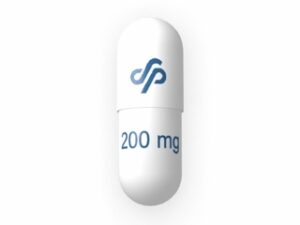


Epivir Hbv (Lamivudine) – Patient Information (UK)
Epivir Hbv is a medicine containing lamivudine, an antiviral used to treat certain chronic viral infections. This page explains how it works, how it is used, and what to expect—written for patients and carers in the United Kingdom.
Important: Always follow the advice of your healthcare professional. Information below is general and may not replace personalised guidance for your specific condition.
1. Basic product information
| Product | What it contains | Common presentation | Usual strength (commonly supplied) |
|---|---|---|---|
| Epivir Hbv | Lamivudine | Tablets | Typically 100 mg tablets (brand “Epivir Hbv”) |
| Also known as | Lamivudine | Generic versions may be available depending on market | Varies by brand and country supply |
Key points:
- Epivir Hbv is designed for hepatitis B (HBV) treatment in appropriate patients.
- It belongs to a group of antivirals called nucleoside/nucleotide reverse transcriptase inhibitors (NRTIs).
- Your dose and duration will depend on your liver condition, viral activity, kidney function, and response to therapy.
2. Mechanism of action (how it works)
Lamivudine helps suppress replication of hepatitis B virus in the body.
- Lamivudine is converted inside cells to an active form.
- The active form interferes with the virus’s ability to copy its genetic material.
- This reduces the production of new virus particles, which helps lower viral load and can improve liver inflammation over time.
With long-term treatment, some viruses may become less sensitive to lamivudine. This is why ongoing monitoring (including blood tests) is important.
3. Pharmacokinetics (how the body handles lamivudine)
“Pharmacokinetics” describes absorption, distribution, metabolism, and excretion.
- Absorption: Lamivudine is absorbed after oral dosing. Food can slightly affect absorption rate, but the overall exposure is generally not considered clinically significant.
- Distribution: It distributes throughout the body, including liver tissue, where it can act against HBV.
- Metabolism: Lamivudine undergoes limited metabolism.
- Elimination: Mainly cleared by the kidneys (urine). Kidney function strongly influences blood levels.
- Half-life: Lamivudine’s elimination half-life supports once-daily or twice-daily regimens depending on the indication and local treatment plan.
Practical takeaway: If you have reduced kidney function, your prescriber may adjust the dose and increase monitoring.
4. Typical use and indications
Epivir Hbv is used for the management of chronic hepatitis B (HBV) infection in appropriate adults and paediatric patients (where age/weight criteria are met and based on national/regional guidance).
Clinicians consider several factors before starting treatment, such as:
- Evidence of active viral replication (for example, HBV DNA levels)
- Signs of liver inflammation or injury (for example, raised liver enzymes)
- Whether there is compensated or decompensated liver disease
- Presence of cirrhosis and risk of progression
- Age, previous treatments, and likelihood of response
Important: Lamivudine is not a cure for HBV, but can reduce virus activity and help slow liver damage. Some people may require long-term therapy.
5. When to take it (timing)
Follow your prescribed dosing schedule.
- Many HBV regimens use once daily dosing, but this can vary.
- Try to take your dose at the same time each day to maintain steady drug levels.
- If you miss a dose, take it when you remember unless it is close to the next dose—avoid doubling up.
If you are unsure about missed doses: Check the patient information leaflet or ask your pharmacist for advice based on your specific schedule.
6. Food interactions
Food effect: Epivir Hbv can usually be taken with or without food.
- Some people find taking it with food helps reduce any stomach discomfort.
- Regardless of meals, consistency is helpful.
Avoid assumptions: If you are also taking other medicines for HBV or liver disease, your total regimen may have additional considerations—confirm with your pharmacist if you have concerns.
7. Alcohol and medicine interactions
Alcohol and hepatitis B: If you have chronic hepatitis B, alcohol can increase the risk of liver damage. It may also worsen inflammation and reduce the likelihood of a favourable long-term outcome.
- Best approach: Consider limiting or avoiding alcohol as advised by your healthcare professional.
- If you choose to drink, do so cautiously and never exceed advice given to you for liver health.
Direct interaction: Lamivudine is not known for a major direct “alcohol-drug” interaction in typical patient use. However, alcohol can still affect your liver, which is the primary organ involved in HBV disease and drug safety monitoring.
Seek help urgently if you develop symptoms of serious liver problems (see “Safety profile”).
8. Dosing information (general guidance)
Always follow the dosing instructions provided with your medication. The correct dose depends on age, weight (in children), liver status, and kidney function.
Adults (typical approach)
- Doses for HBV commonly use 100 mg once daily (as reflected in many treatment plans for HBV).
- Your clinician may adjust your dose if you have kidney impairment.
Children and adolescents
- Pediatric dosing is usually based on body weight and formulated strength.
- Only use the appropriate product form/strength for the child’s regimen.
Kidney impairment
- Because lamivudine is cleared by the kidneys, those with reduced kidney function may need a lower dose or less frequent dosing.
- Your healthcare team may monitor kidney function before and during treatment.
Do not change your dose without medical advice. If treatment fails or viral resistance occurs, your clinician may choose an alternative antiviral rather than simply increasing the same dose.
9. Safety profile (what to watch for)
Most people tolerate Epivir Hbv reasonably well. However, like all medicines, it can cause side effects. Some effects are more important than others and require prompt medical attention.
Common side effects
- Headache
- Nausea or stomach discomfort
- Fatigue
- Vomiting (less common)
Less common but important side effects
- Changes in blood counts (your clinician may perform periodic blood tests)
- Liver-related changes (monitoring of liver enzymes and HBV viral load is standard)
- Rash or itching (seek advice if it is severe or accompanied by other symptoms)
Seek urgent medical advice
Contact urgent care or your healthcare provider promptly if you notice:
- Signs of severe liver problems: yellowing of the eyes/skin (jaundice), dark urine, severe abdominal pain, persistent vomiting, or unusual bleeding
- Symptoms of lactic acidosis (rare, but serious): rapid breathing, deep or laboured breathing, unusual muscle pain, severe weakness, or feeling very unwell
- Severe allergic reaction: swelling of face/lips, difficulty breathing, or widespread hives
Viral resistance and treatment changes
Long-term use of lamivudine may lead to HBV resistance in some people. This can reduce effectiveness. Your prescriber may monitor viral markers and consider switching to an alternative antiviral if resistance is suspected or confirmed.
10. Practical use tips
- Take it consistently: Aim for the same time each day. Use reminders if helpful.
- Don’t stop suddenly: Stopping antiviral treatment can lead to HBV flare. If you are considering stopping, discuss it first.
- Keep up with tests: Regular blood tests (liver enzymes, HBV DNA, kidney function) help track response and safety.
- Check kidney function: If you have kidney disease or are older, your clinician may monitor more closely.
- Store correctly: Keep tablets as instructed on the packaging (typically protected from moisture and stored within recommended temperature range).
- Keep a medication list: Include all prescriptions, over-the-counter products, and supplements when you visit your GP or hepatology clinic.
11. Alternative treatment options
Several antiviral medicines may be considered for chronic hepatitis B depending on the individual’s disease stage, prior therapy, and resistance risk. Your healthcare professional will choose based on the latest clinical guidance and your response to treatment.
Common alternatives (examples):
- Tenofovir (for example, tenofovir disoproxil fumarate or tenofovir alafenamide, depending on availability and patient factors)
- Entecavir
- Other HBV antivirals may be considered in specific scenarios.
Why alternatives matter: Some options have a lower risk of developing resistance than lamivudine. Selection should be individualised.
12. Market and legal context in the United Kingdom
Epivir Hbv is an established medicine used in the UK for hepatitis B. As with all medicines supplied in the UK, products are subject to regulation and oversight. Availability can vary by strength, formulation, and local supply chain.
- Medicine classification: In the UK, medicines may be supplied under different pharmacy models based on how they are regulated. Your chosen online pharmacy will display the appropriate availability and purchasing requirements.
- Quality and supply: Reputable pharmacies supply medicines that comply with UK quality standards and sourcing requirements.
- Patient monitoring: Chronic HBV treatment generally requires regular follow-up for safe and effective outcomes.
Note: Treatment recommendations evolve. If you have questions about which HBV medicine is best for your situation, speak to your specialist team.
13. Recent guidance and clinical practice (overview)
UK clinical practice for chronic hepatitis B is influenced by international and regional guidance, specialist hepatology recommendations, and ongoing evidence updates. Key themes frequently include:
- Assessing disease activity (HBV DNA, ALT/AST, fibrosis/cirrhosis status)
- Choosing potent antivirals with a favourable resistance profile for long-term suppression
- Regular monitoring of liver health, viral load, and medication safety
- Managing resistance if viral breakthrough occurs
- Careful review of stopping rules in selected patients under specialist supervision
Lamivudine may still be used in some circumstances, but many treatment pathways prefer agents associated with lower resistance over time.
14. Delivery and availability (UK)
Delivery options can vary by online pharmacy and by the product’s stock status.
- Availability: Epivir Hbv may be stocked regularly or on request depending on your local supply.
- Delivery timeframe: Typical delivery times are displayed at checkout by the pharmacy (e.g., standard or express).
- Tracking: Many services provide tracking updates once your parcel is dispatched.
- Packaging: Medicines are usually supplied in tamper-evident packaging.
Tip: If you are switching medications or refilling after a planned review, order early so you do not run out.
15. Interactions with other medicines
Lamivudine has fewer well-known interactions than some antivirals, but medication review remains important.
- Kidney-related medicines: Since lamivudine is cleared through the kidneys, drugs that affect kidney function may require closer monitoring.
- Other antivirals: Do not assume it can be combined with other HBV treatments without clinical review.
- Immunosuppressants and cancer therapies: If you take medicines affecting your immune system, your specialist may adjust monitoring frequency.
Always inform your pharmacist about all medicines and supplements you use, including herbal products.
16. FAQ (Frequently asked questions)
Is Epivir Hbv the same as Epivir?
“Epivir” is a brand name historically associated with lamivudine in different dosing strengths and treatment contexts. Epivir Hbv refers to lamivudine marketed specifically for hepatitis B use. Always ensure you have the correct product and strength.
Can I take Epivir Hbv with food?
Yes. It can generally be taken with or without food. If you experience stomach discomfort, taking it with food may help.
What should I do if I miss a dose?
Take the missed dose when you remember unless it is close to the next scheduled dose. Do not take a double dose. If you are unsure, ask your pharmacist for guidance based on your dosing schedule.
How long will I need to take it?
Chronic hepatitis B treatment may be long term. The duration depends on your response, viral suppression, liver health, and whether your HBV shows resistance or flare. Your clinic will guide you based on blood tests and specialist review.
Does lamivudine cure hepatitis B?
Epivir Hbv helps suppress hepatitis B virus activity, but it usually does not provide a permanent cure. Some people achieve long-term control, but ongoing monitoring is important.
Will I need regular blood tests?
Yes. Regular monitoring commonly includes liver enzymes (ALT/AST), HBV DNA levels, and kidney function, especially if you have other health conditions or take additional medicines.
Can I drink alcohol while taking Epivir Hbv?
If you have chronic hepatitis B, alcohol can worsen liver damage risk. Consider avoiding or minimising alcohol as advised by your healthcare professional. Lamivudine is not known for a major direct interaction with alcohol, but protecting your liver is crucial.
What are signs that I should contact my clinician urgently?
Seek prompt medical advice if you notice jaundice, severe abdominal pain, persistent vomiting, unusual bleeding, severe weakness, rapid/deep breathing, or signs of allergic reaction (such as facial swelling or difficulty breathing).
What if I have kidney problems?
Lamivudine is cleared by the kidneys. People with kidney impairment may require dose adjustment and closer monitoring. Tell your prescriber/pharmacist about your kidney function or recent lab results.
Are there alternatives to lamivudine?
Yes. Depending on your situation, specialists may choose other HBV antivirals with different resistance profiles and suitability. Discuss options with your hepatology team if you have questions or concerns.
17. Summary
Epivir Hbv (lamivudine) is an antiviral medicine used to treat chronic hepatitis B. It works by blocking steps in the virus’s replication process, helping reduce viral activity and liver inflammation. Successful treatment relies on correct dosing, adherence, and regular monitoring—particularly for liver response and kidney safety.
If you have questions about how to take your medicine, possible side effects, or how it fits with other treatments, speak to your pharmacist or your specialist care team.