Trazodone (Trazodone Hydrochloride) — Patient Guide (UK)
Trazodone hydrochloride is a medicine used to treat specific mental health conditions and related symptoms. It belongs to a group of medicines commonly described as antidepressants with a distinct pharmacological profile. In the UK, it is also used in clinical practice for other conditions depending on your individual needs.
This guide explains how trazodone works, how it is typically taken, what to expect, and important safety information. It is written for patients and carers. Always follow the instructions given by your healthcare professional and read the patient information leaflet provided with your medicine.
Quick overview
| Category | Details |
|---|---|
| Medicine name | Trazodone hydrochloride |
| Type | Antidepressant (serotonin-modulating) |
| Common forms | Tablets (strengths vary by product/brand) |
| Typical use in UK | Depression; sometimes for sleep or anxiety-related symptoms as advised |
| How it is taken | Usually by mouth, once daily or divided doses (depends on regimen) |
| Common side effects | Sleepiness, dizziness, dry mouth, nausea, headache |
| Key cautions | Alcohol and sedating medicines; driving; orthostatic hypotension; rare priapism |
Basic product information
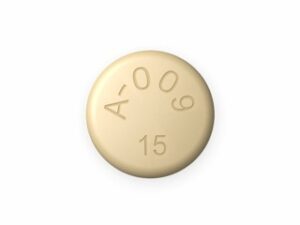
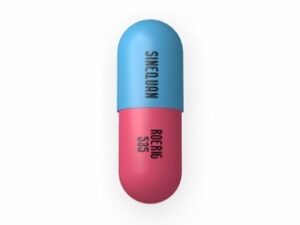
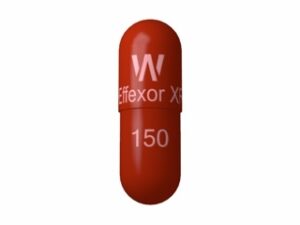
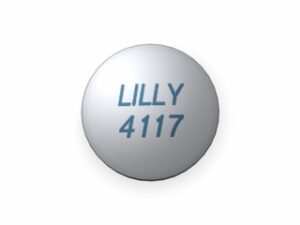
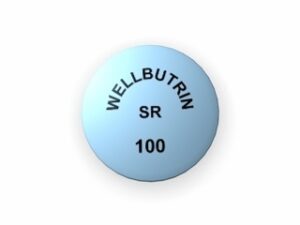
Active ingredient: Trazodone hydrochloride. The exact appearance and strength (for example, 50 mg, 100 mg, or other tablet strengths) may differ between brands.
How it works in the body: Trazodone affects serotonin and related pathways in the brain.
Strengths and instructions: Your dose and timing should follow the plan provided for you. Do not change your dose without advice.
Mechanism of action (how trazodone works)
Trazodone mainly works by modulating serotonin, a chemical messenger involved in mood, sleep, and anxiety regulation. While it is often grouped under antidepressants, its pharmacology is somewhat different from many “classic” antidepressants.
- Serotonin reuptake and receptor effects: Trazodone helps increase serotonin activity in the brain through selective receptor modulation.
- 5-HT2 receptor antagonism: It blocks certain serotonin (5-HT2) receptors. This can contribute to antidepressant effects and may also be related to calming/sedating effects for some people.
- Sleep-related impact: Because of its receptor profile and histamine/alpha-adrenergic effects at therapeutic doses in some individuals, it may help with sleep or night-time symptoms.
The overall result is improved regulation of mood and anxiety symptoms over time. Some calming effects may occur earlier, but antidepressant benefits typically develop gradually.
Pharmacokinetics (what the body does with trazodone)
“Pharmacokinetics” describes how the body absorbs, distributes, metabolises, and removes a medicine. Individual variation exists, and factors such as age, liver function, other medicines, and overall health can influence blood levels.
Absorption
Trazodone is absorbed after oral administration. Peak levels generally occur after a period of time that depends on the specific formulation.
Distribution
Once in the bloodstream, trazodone distributes into body tissues. It can cross into the brain where it exerts its effects.
Metabolism
Trazodone is metabolised primarily in the liver. Its metabolism can be affected by other medicines that influence liver enzymes (for example, some antidepressants, antifungals, and antibiotics).
Elimination
The medicine and its metabolites are eliminated from the body mainly via the kidneys (urine) and partly via bile/faecal routes. Clearance may be reduced in people with significant liver or kidney impairment, so dosing may need adjustment.
Typical uses in the UK
In the UK, trazodone is used to treat depression. Depending on clinical assessment, it may also be used for sleep disturbance or anxiety-related symptoms, particularly when sleep is significantly affected.
Your clinician may tailor the plan to your symptoms, comorbidities, and medication list. Always use trazodone only for the purpose your healthcare professional advised.
Indications and what it may help with
- Depressive symptoms: persistent low mood, loss of interest, emotional distress.
- Sleep disturbance associated with mental health conditions: difficulty falling asleep and/or staying asleep.
- Mixed anxiety/depression presentations: where anxiety and insomnia overlap (as clinically appropriate).
If you are using trazodone for sleep or night-time distress, the aim is usually symptom relief and improved rest alongside a broader treatment plan.
How to take trazodone (timing and practical routine)
Trazodone is usually taken by mouth, often once daily at night or split dosing (morning and/or evening) depending on your dose and tolerance.
Starting and building dose
Many people begin with a lower dose to reduce side effects such as sleepiness or dizziness, then increase gradually if needed. Follow your personalised schedule.
Best timing
- If drowsiness occurs: it’s commonly taken in the evening or at bedtime.
- If prescribed split doses: take the evening dose as advised and avoid late-night changes without guidance.
- Consistency: try to take it at the same time each day.
Missed dose
If you miss a dose, take it when you remember if it is still close to the planned time. If it is almost time for the next dose, skip the missed dose and resume your regular schedule. Do not take a double dose.
Dosing (general guidance)
Dosing varies by patient and indication. The information below is general and not a substitute for your own plan. Always check your product label and follow clinician instructions.
- Initial dose: commonly started low to improve tolerability.
- Gradual adjustment: dose may be adjusted every few days to weeks depending on response and side effects.
- Typical daily dosing range: depends on the condition treated and formulation; your prescriber will determine the target dose.
Important: Do not increase the dose to “speed things up.” Antidepressant benefits usually develop over time.
Food interactions (what to know)
Food can influence how quickly and how much of trazodone is absorbed. In general, many people find that taking trazodone with or after food may reduce stomach upset, especially if nausea occurs.
- Nausea management: if you feel sick, try taking it with a meal or snack (unless your clinician advised otherwise).
- Grapefruit: some medicines interact with grapefruit by affecting liver enzymes. Check advice from your pharmacist if you regularly consume grapefruit or grapefruit juice.
If you have specific dietary patterns (for example, very high or very low food intake), ask a healthcare professional whether your dosing timing should be adjusted.
Alcohol and medicine interactions
Alcohol can increase sedation and dizziness and may worsen mood-related effects. Combining trazodone with alcohol can also increase the risk of accidents, falls, and impaired driving ability.
Alcohol
- Recommendation: avoid alcohol or keep it to an absolute minimum, especially when you are starting treatment or adjusting dose.
- Watch-outs: increased drowsiness, unsteadiness, and slow reaction time.
Other medicines that may interact
Trazodone can interact with other medicines, particularly those that affect serotonin, cause sedation, or influence liver metabolism. Always keep your healthcare professional informed about everything you take, including over-the-counter products and herbal remedies.
- Other antidepressants / serotonergic medicines: can increase risk of serotonin-related side effects. Examples may include some SSRIs, SNRIs, MAOIs, linezolid, triptans, and some opioid analgesics (varies by agent).
- Sedatives and hypnotics: stronger sedation when combined (for example, benzodiazepines, Z-drugs, some pain medicines).
- Antihistamines: can add to drowsiness and dry mouth.
- Medicines affecting liver enzymes: some antifungals, antibiotics, and antiviral medicines may change trazodone levels.
- Medicines affecting blood pressure or heart rhythm: may add to dizziness or changes in heart electrical activity (your clinician may consider this).
If you are unsure about a specific medicine, ask your pharmacist. It is especially important when starting any new medicine or supplement.
How long until it helps? (expectations over time)
Many people notice calming or sleep-related effects early, sometimes within the first days. However, mood improvement from antidepressant effects usually takes several weeks.
- First days: possible drowsiness, dizziness, or sleep improvement.
- 1–2 weeks: side effects may settle; mood changes may begin for some.
- 3–6+ weeks: clearer antidepressant response often appears during this period (individual timing varies).
If you experience worsening mood, agitation, or any concerning symptoms, contact a healthcare professional promptly.
Safety profile (important risks and warnings)
Like all medicines, trazodone can cause side effects. Many are mild and improve with time, but some require urgent attention. This section highlights key safety points in plain language.
Common side effects
- Sleepiness or drowsiness
- Dizziness, light-headedness
- Dry mouth
- Nausea or stomach upset
- Headache
- Feeling tired or “slowed down”
Less common but important side effects
- Orthostatic hypotension: feeling faint when standing up quickly (a drop in blood pressure).
- Heart rhythm effects: in some people, changes in heart electrical activity may occur.
- Serotonin-related effects: symptoms such as agitation, confusion, fever, sweating, diarrhoea, or muscle stiffness can occur rarely.
Rare serious risks (seek urgent medical advice)
- Priapism: a painful erection lasting more than a few hours (this is a medical emergency).
- Severe allergic reaction: swelling of the face/lips, difficulty breathing, severe rash.
- Severe confusion or neurological symptoms: sudden severe symptoms should be assessed urgently.
- Suicidal thoughts worsening: if you feel worse or have thoughts of self-harm, seek urgent help.
Driving, machinery, and alertness
Trazodone can cause drowsiness, especially when you start or when you increase dose. Avoid driving or operating machinery until you know how it affects you. In the UK, you should follow guidance on driving safety—if you feel sleepy or dizzy, do not drive.
Practical use tips (patient-friendly)
- Start low and go slow: if you’re sensitive to medicines, mention this to your clinician.
- Take care standing up: if you feel dizzy, rise slowly from sitting/lying positions.
- Build a sleep routine: keep a regular bedtime and reduce caffeine later in the day.
- Track effects: note sleep quality, mood, and any side effects. This can help clinicians adjust treatment.
- Hydration and oral care: dry mouth can be managed with water sips, sugar-free sweets, and good oral hygiene.
- Don’t stop suddenly: abruptly stopping may cause withdrawal-like symptoms in some people. If you need to stop, your clinician will advise a gradual reduction plan.
Stopping or missing doses (what to expect)
If you stop trazodone suddenly, some people experience symptoms such as anxiety, irritability, sleep disturbance, or physical discomfort. A gradual reduction is usually safer. Always discuss changes with a healthcare professional.
If you miss doses repeatedly, you may feel mood or sleep changes. Return to your prescribed regimen and seek advice if symptoms become troublesome.
Alternative options (what else may be considered)
Treatment for depression and insomnia can involve different medicines and non-drug approaches. Depending on your diagnosis and preferences, clinicians may consider alternatives such as:
- Other antidepressants: for example SSRIs or SNRIs (chosen based on your symptoms and medical history).
- Psychological therapies: talking therapies such as CBT (cognitive behavioural therapy) can be effective, particularly for depression and insomnia.
- Sleep-focused strategies: sleep hygiene, stimulus control, and CBT-I (for insomnia).
- Short-term hypnotic options: only when clinically appropriate, with attention to dependence risk and sedation.
- Addressing causes: underlying medical issues (pain, thyroid problems, sleep apnoea, substance effects) may also be addressed.
Your clinician will choose alternatives based on your symptom pattern, risk factors, and interactions with your current medicines.
UK market and legal context (overview)
In the UK, medicines are regulated by the Medicines and Healthcare products Regulatory Agency (MHRA). Supply and dispensing are organised through pharmacy networks and NHS services, and medicines are classified according to safety and control requirements.
This online pharmacy page provides general information about trazodone hydrochloride. Availability, formulation, and pack sizes can vary across suppliers and through time.
Recent guidance (UK clinical context)
Treatment decisions for depression and sleep disturbance in the UK are guided by clinical frameworks and evidence-based recommendations. Over recent years, the emphasis has remained on:
- Individual risk assessment (including suicide risk and safety monitoring).
- Starting with the right approach for the severity and duration of symptoms (sometimes combining medication with psychological support).
- Reviewing early to monitor benefit and side effects and to adjust treatment if needed.
- Being cautious with sedation and interactions, especially in older adults or those taking multiple medicines.
If you have been offered trazodone, your care plan should reflect your personal history, current medication list, and symptom severity.
Delivery and availability
Online pharmacies in the UK typically offer home delivery of medicines depending on stock availability and the product’s supply status. Delivery times can vary by supplier and location.
- Availability: Most commonly, trazodone tablets are available in different strengths/pack sizes.
- Order processing: Your order may be processed the same day or the next working day.
- Tracking: Many services provide tracking updates once dispatched.
- Temperature and storage: Store tablets at room temperature in a dry place, in the original packaging.
If you need a specific strength or brand, check product listings for the exact formulation.
Safety checklist before starting (useful questions)
Consider discussing the following with your healthcare professional or pharmacist:
- Do you take any sedatives, sleep medicines, strong pain medicines, or antihistamines?
- Do you take any antidepressants or migraine medicines?
- Have you ever had fainting, falls, or heart rhythm problems?
- Do you have liver problems or kidney impairment?
- Do you drink alcohol regularly?
- Are you pregnant, planning pregnancy, or breastfeeding?
- Are you taking any supplements (for example, St John’s wort)?
FAQ
1) Is trazodone mainly a sleeping tablet?
Trazodone is an antidepressant. Some people experience calming or sleep benefits, but it is not classified purely as a sleeping tablet. The best use depends on your symptoms and your clinician’s treatment plan.
2) When should I take it — morning or night?
Many people take it in the evening because it may cause drowsiness. If your plan includes a split dose, you’ll be instructed on timing. Follow your personalised instructions and avoid late-night changes without advice.
3) Will it work immediately?
Some calming effects may appear early, but improvement in depressive symptoms typically takes several weeks. If you do not feel better after the expected time, discuss this with your healthcare professional rather than stopping or increasing the dose yourself.
4) Can I drink alcohol while taking trazodone?
It’s generally advised to avoid alcohol or limit it very substantially. Alcohol can worsen sedation and increase the risk of dizziness, falls, and impaired judgement.
5) What should I do if I feel very dizzy?
Sit or lie down immediately if you feel faint. Stand up slowly. If dizziness is severe, persistent, or associated with fainting, contact a healthcare professional promptly.
6) Are there foods I should avoid?
There are no universal food restrictions, but taking it with food may reduce nausea. If you frequently consume grapefruit products, ask a pharmacist whether it could affect your medicine.
7) Can I take other medicines for pain or allergies?
Some medicines can interact or increase drowsiness. Always check with a pharmacist—especially for sedating antihistamines, cough-and-cold products, and medicines that affect serotonin. Provide your pharmacist with your full medication list.
8) What if I need to stop taking trazodone?
Do not stop suddenly unless your prescriber tells you to. Many people benefit from a gradual reduction to reduce withdrawal-like symptoms.
9) Who should be extra careful?
Extra caution may be needed for older adults, people with liver problems, those prone to falls, and anyone taking multiple medicines that affect sedation or heart rhythm.
10) What side effects mean I should seek urgent help?
Seek urgent medical advice for signs of severe allergic reaction, severe confusion, symptoms of serotonin syndrome, or priapism (painful erection lasting several hours).
Important: This information is for general guidance. If you have specific questions about your situation—such as side effects, interactions, or dosing—speak to a qualified healthcare professional or pharmacist.