
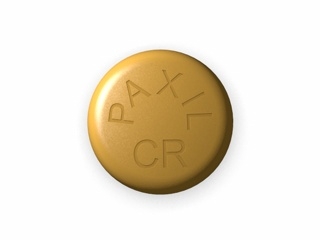


Paxil (Paroxetine) – Patient-Friendly Guide (UK)
Paxil is a brand name for the medicine paroxetine, a type of antidepressant belonging to the group called SSRIs (Selective Serotonin Reuptake Inhibitors). In the UK, paroxetine is used to treat a range of mental health conditions, most commonly depression and certain types of anxiety.
This guide explains how Paxil works, how it is taken, what to expect, and important safety information. It is written to be helpful and easy to read. If you have questions about your personal situation, your pharmacist or doctor can advise you.
Basic product information
| Item | Details |
|---|---|
| Medicine | Paxil (Paroxetine) |
| Active ingredient | Paroxetine |
| Drug class | SSRI antidepressant |
| Common forms | Tablets/capsules (formulation varies by product brand/strength) |
| Typical dosing schedules | Once daily (timing may vary) |
| Availability in the UK | Widely prescribed; availability may vary by strength/formulation and local supply |
Note: Strengths and exact formulations can differ. Always check the pack and the instructions given to you by your healthcare professional.
How Paxil works (mechanism of action)
Paroxetine helps improve symptoms of depression and anxiety by affecting brain chemicals involved in mood and stress response.
- Serotonin reuptake inhibition: Paroxetine blocks the reuptake of serotonin (5-HT) at nerve terminals.
- Increased serotonin activity: This helps increase serotonin signalling in key brain circuits.
- Symptom improvement over time: Although serotonin effects begin soon after dosing, the full clinical benefit usually takes weeks because the brain adapts gradually.
Different people respond differently. If Paxil doesn’t help sufficiently, your clinician may adjust your dose, review side effects, or consider another option.
Pharmacokinetics (how the body processes Paxil)
Pharmacokinetics describes absorption, distribution, metabolism, and elimination. While details may vary across individuals, the following points reflect general behaviour of paroxetine:
- Absorption: Paroxetine is absorbed after oral administration. The amount absorbed can vary slightly between people.
- Distribution: It distributes into body tissues and can cross into the central nervous system.
- Metabolism: Paroxetine is mainly metabolised in the liver.
- Elimination: Metabolites are excreted primarily via the kidneys.
- Half-life considerations: Paroxetine has a moderate elimination half-life. Steady effects build with daily dosing, and stopping suddenly can lead to withdrawal-type symptoms in some people.
Important practical implication: Because paroxetine may cause discontinuation symptoms if stopped abruptly, dose changes should usually be managed gradually under healthcare guidance.
Typical use in the UK
Paxil is used to treat several conditions, including both depressive disorders and specific anxiety-related disorders. Use depends on your diagnosis and personal risk profile.
- Depression (including major depressive episodes)
- Obsessive-compulsive disorder (OCD)
- Generalised anxiety disorder (GAD)
- Panic disorder (with or without agoraphobia)
- Social anxiety disorder (sometimes referred to as social phobia)
- Post-traumatic stress disorder (PTSD) may be considered in some clinical settings
Why Paxil may be chosen: For some people, SSRIs provide symptom relief with a relatively predictable dosing schedule and monitoring approach.
When you may feel effects (timing)
Antidepressants such as paroxetine generally work gradually.
- First 1–2 weeks: Some people notice early changes such as reduced anxiety or improved sleep, while others may only feel side effects at first.
- 2–4 weeks: Mood and anxiety symptoms often begin to improve.
- 6–12 weeks: If Paxil is going to work well, the strongest benefit is commonly seen by this timeframe.
Tip: Keep track of symptoms (sleep, anxiety, mood, concentration) and side effects. This helps your healthcare team make informed decisions about dose adjustments.
How to take Paxil (dosing overview)
Dose depends on the condition being treated, your age, and how you respond. Below is an overview; your exact dose should follow the instructions given to you.
- Typical schedule: Usually taken .
- Starting dose: Often begins at a lower dose to reduce side effects.
- Adjustment: Your prescriber may increase or decrease the dose depending on response and tolerability.
- Duration: Many conditions require ongoing treatment. Stopping too early can lead to relapse.
Practical timing:
- Some people prefer taking Paxil in the morning (if it causes activation or sleep disturbance).
- Others take it in the evening (if it causes sedation or sleepiness).
- Choose the time that suits you and take it consistently. If you’re unsure, ask your pharmacist.
Do not stop suddenly: Abrupt discontinuation may cause dizziness, “electric shock” sensations, irritability, nausea, flu-like feelings, sleep disturbance, or mood changes. If stopping is planned, a gradual taper is often recommended.
Food interactions
Paroxetine can usually be taken with or without food.
- With food: Taking it with meals may reduce the chance of stomach upset for some people.
- Without food: Some people find it easier to take at a consistent time when not eating.
Consistency matters: Aim to take your dose the same way each day. If you notice recurring stomach symptoms, consider taking with food and speak to your pharmacist.
Grapefruit and similar supplements: While no specific grapefruit interaction is commonly emphasised for paroxetine, it’s still important to discuss supplements and herbal products, as interactions can occur through liver enzyme effects.
Alcohol and medicine interactions
Alcohol
Using alcohol while taking Paxil may:
- Increase side effects (such as dizziness, drowsiness, impaired concentration, or worsening mood).
- Make it harder to judge symptom improvement and may affect sleep quality.
Practical advice: If you choose to drink alcohol, do so cautiously and consider avoiding alcohol during the early weeks of treatment or when starting dose changes.
Other medicines (key interaction themes)
Paroxetine can interact with other medicines, including:
- Other antidepressants and serotonin-active drugs (risk of serotonin syndrome).
- MAO inhibitors (a potentially serious interaction; generally avoided).
- Linezolid and methylene blue (antimicrobials that can affect serotonin pathways).
- Triptans used for migraine (possible additive serotonin effects).
- NSAIDs (e.g., ibuprofen) and anticoagulants/antiplatelets (may increase bleeding risk when combined).
- Antiarrhythmics or medicines that affect heart rhythm (some SSRIs may influence risk depending on the product and patient factors).
- Medicines that increase paroxetine levels (certain liver enzyme inhibitors can raise risk of side effects).
- Medicines that reduce paroxetine levels (inducers may reduce effectiveness).
Always check: Tell your pharmacist or doctor about all medicines you take, including over-the-counter products, vitamins, and herbal remedies such as St John’s wort (often discouraged due to interaction risk).
Safety profile and important precautions
Like all medicines, Paxil may cause side effects. Many are most noticeable during the first days or weeks and may ease as your body adjusts.
Common side effects
- Nausea or upset stomach
- Headache
- Dizziness
- Changes in sleep (sleepiness or insomnia)
- Increased sweating
- Reduced appetite or mild weight changes
- Sexual side effects (reduced libido, delayed orgasm, or erectile difficulty)
Less common but important risks
- Serotonin syndrome: Uncommon but potentially serious. Symptoms may include agitation, confusion, fever, sweating, tremor, diarrhoea, and muscle stiffness.
- Suicidal thoughts or worsening mood: Particularly in younger people early in treatment or when doses change; close monitoring is important.
- Discontinuation symptoms: Dizziness, irritability, nausea, “brain zaps,” and sleep disturbance if stopped too quickly.
- Hyponatraemia (low sodium): More likely in older adults or those taking diuretics; may cause headache, confusion, weakness, and in severe cases seizures.
- Bleeding risk: Especially if combined with NSAIDs or medicines that affect blood clotting.
- Mania/hypomania: In people with bipolar disorder, antidepressants may trigger mood elevation.
- Glaucoma considerations: SSRIs may contribute to eye pressure issues in susceptible individuals; seek urgent advice if you develop eye pain or sudden vision changes.
Who needs extra caution?
- Older adults
- People with a history of bipolar disorder or mania
- People at risk of seizures
- People with bleeding disorders or taking medicines that increase bleeding risk
- People with liver or kidney impairment (dose adjustment may be needed)
- Pregnancy/breastfeeding (discuss risks and benefits with your clinician)
Seek urgent medical help if you develop symptoms suggesting serotonin syndrome, severe allergic reaction (swelling of face/lips, difficulty breathing), or severe mood deterioration.
Practical use tips (patient-friendly)
- Give it time: Expect gradual improvement. It can take several weeks for full benefit.
- Start consistently: Take your dose at the same time each day.
- Manage early side effects: Nausea often improves. Taking with food can help. If side effects are troublesome, contact your pharmacist/doctor.
- Do not skip doses: If you miss one, follow your local instructions on what to do. In general, take it when remembered unless it’s close to the next dose—don’t double up.
- Keep notes: Track mood, anxiety, sleep, and any side effects to support decisions about dose or duration.
- Plan discontinuation: If stopping is needed, ask for a tapering plan rather than stopping abruptly.
- Review interacting medicines: Before starting new treatments (including antibiotics or migraine medicines), ask about interactions.
Alternative options (if Paxil isn’t suitable)
If Paxil isn’t right for you due to side effects, insufficient response, or interactions, there are alternative treatments. Your clinician may consider:
- Other SSRIs (for example, sertraline or citalopram) depending on your condition and history.
- Other antidepressant classes, such as SNRIs (e.g., venlafaxine) or other options used for anxiety and depression.
- Psychological therapies such as CBT (Cognitive Behavioural Therapy), which can be very effective for anxiety and depression.
- Supportive lifestyle measures: sleep regularity, stress reduction, exercise, and avoiding excessive alcohol.
Important: Switching antidepressants can involve specific washout or tapering steps. Always follow professional guidance.
Market and legal context in the UK
In the UK, antidepressants including paroxetine are provided within regulated healthcare pathways. Medicines are supplied through legal channels and must meet UK pharmaceutical safety and quality standards.
- Regulatory oversight: Medicines are authorised for specific indications and dosing regimens based on evidence of quality, safety, and effectiveness.
- Patient information: UK packaging and patient information leaflets (PILs) provide approved safety information and instructions for use.
- Safety monitoring: Healthcare teams monitor side effects and response, especially in the initial weeks.
Recent guidance considerations: Treatment decisions may reflect evolving clinical practice, including careful assessment of risks, benefit, and monitoring requirements in individuals such as adolescents and those with comorbidities. Always rely on the most current information from your healthcare professional and the NHS for personal decisions.
Delivery and availability (online pharmacy UK)
Availability of Paxil may vary by:
- Strength and formulation (e.g., different tablet sizes)
- Local supply levels
- Short-term distribution delays
What you can expect when ordering online:
- Order processing: Delivery timelines depend on stock status and the courier service.
- Packaging: Medicines are typically delivered in secure packaging to protect tablets and reduce the risk of damage.
- Cold-chain: Paxil tablets generally do not require special temperature-controlled delivery.
Advice: If you’re approaching the end of your current supply, consider ordering in advance to avoid interruptions, as missed or delayed doses can affect how well treatment stabilises.
FAQ
1) How long does Paxil take to work?
Many people notice some improvement within 2–4 weeks, but full benefit often takes 6–12 weeks. Early weeks may include side effects before improvement begins.
2) What should I do if I miss a dose?
In general, take the missed dose when you remember unless it is close to the next scheduled dose. Do not double the dose. If you’re unsure, check the patient information leaflet or ask your pharmacist.
3) Can I take Paxil with food?
Yes. Paxil can usually be taken with or without food. Taking it with food may help if you experience nausea.
4) Is it safe to drink alcohol with Paxil?
Alcohol may worsen side effects and impair concentration and mood. If you do drink, keep it minimal and avoid during the early adjustment period unless your clinician advises otherwise.
5) Why do I feel worse at the beginning?
Some people experience temporary side effects or a short period of adjustment. However, if mood becomes significantly worse, or you develop agitation or suicidal thoughts, contact urgent medical help and speak to a healthcare professional immediately.
6) Can Paxil cause withdrawal symptoms if stopped suddenly?
Yes. Stopping paroxetine abruptly can cause discontinuation symptoms. If stopping is planned, a gradual taper under healthcare guidance is usually recommended.
7) What side effects are most common?
Common effects include nausea, headache, dizziness, sleep changes, sweating, reduced appetite, and sexual side effects.
8) Are there medicines I must avoid?
Some combinations can be unsafe due to serotonin effects or bleeding risk, including MAO inhibitors and certain serotonin-active medicines. Always disclose your full medication list (including OTC and herbal products) to your pharmacist.
9) Can Paxil be used for anxiety?
Yes. Paroxetine is commonly used for several anxiety disorders, such as generalised anxiety disorder, panic disorder, and social anxiety disorder—depending on your diagnosis.
10) Are there alternatives if I can’t tolerate Paxil?
Yes. Options can include other SSRIs, different antidepressant classes, or psychological therapies. Your clinician can recommend the best alternative based on your symptoms and medical history.
Reminder: This information is general and cannot replace personalised medical advice. If you have concerns about side effects, interactions, pregnancy/breastfeeding, or how to start/stop treatment, consult your pharmacist or healthcare professional.