Cymbalta (Duloxetine) — Patient Information (UK)
Cymbalta contains duloxetine, a medicine used to treat certain conditions affecting mood, nerve pain, and muscles. This guide explains how duloxetine works, how it’s typically taken, what to expect in the first weeks, important safety information, and practical tips to help you use the medicine safely and effectively in the United Kingdom.
Basic product information
- Active ingredient: Duloxetine
- Brand name: Cymbalta
- Medicine type: Antidepressant (SNRI – serotonin and noradrenaline reuptake inhibitor)
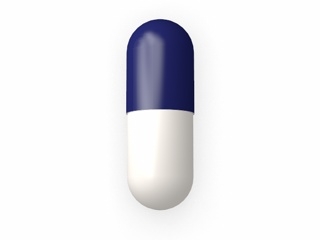
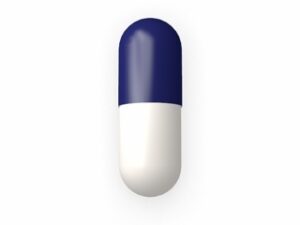
- Common strengths (may vary by formulation): 30 mg and 60 mg capsules (enteric coated; strengths and availability can differ)
- How it’s taken: Usually once daily for most indications
- Where to find further details: Patient information leaflet (PIL) included with your supply
How Cymbalta works (mechanism of action)
Duloxetine is an SNRI. It increases the levels of two natural chemicals in the brain and spinal cord: serotonin and noradrenaline. These chemicals help regulate mood and pain pathways.
In conditions with chronic pain (such as diabetic peripheral neuropathy or chronic musculoskeletal pain), duloxetine can reduce pain signalling. For some mood-related conditions, it helps improve symptoms such as low mood, loss of interest, and associated anxiety.
What conditions is Cymbalta used for in the UK?
Indications can vary by formulation, licensing and local guidance. In the UK, duloxetine is commonly used for:
- Depression (major depressive episodes)
- Generalised anxiety disorder (GAD)
- Diabetic peripheral neuropathic pain
- Chronic musculoskeletal pain (commonly low back pain and osteoarthritis-related pain, depending on clinician assessment and availability)
Your pharmacist or prescriber can advise which condition applies to your specific medicine and strength.
Typical timing and how long it takes to work
Cymbalta is usually taken once daily, either in the morning or evening depending on side effects and your routine. Many people notice effects gradually.
When you may feel benefits
- Mood symptoms (depression/anxiety): Some improvement may appear within 1–2 weeks, but full benefit often takes several weeks.
- Neuropathic and chronic pain: Pain relief may be noticed within the first few weeks, but it often requires regular daily dosing and assessment over time.
Tip on taking consistently
Try to take your dose at the same time each day so blood levels stay steadier and side effects are easier to manage.
Food and drink interactions
Duloxetine capsules are generally taken by mouth, swallowed whole with water. Food can affect how quickly duloxetine is absorbed, but it does not usually eliminate the effect of the medicine.
- If you feel nausea or stomach upset, taking the dose with food may help.
- Avoid skipping meals if duloxetine causes mild appetite changes.
Avoid crushing or opening capsules unless your specific product instructions advise otherwise. This helps ensure the medication is released as designed.
Alcohol and medicine interactions
Alcohol
It’s best to be cautious with alcohol while taking duloxetine. Alcohol can increase the likelihood or severity of side effects such as:
- sleepiness or dizziness
- impaired judgement
- worsening mood or anxiety symptoms
- stomach irritation
In addition, duloxetine can affect the liver in some people, and alcohol can also stress the liver. If you drink alcohol regularly, discuss the risks with a healthcare professional.
Important medicine interactions
Duloxetine can interact with other medicines. Always keep your healthcare team informed about everything you take, including over-the-counter products and herbal remedies.
Medicines that may increase serotonin effects (serotonin syndrome risk)
- Other antidepressants (especially MAO inhibitors and some SSRIs/SNRIs)
- Tramadol
- Linezolid
- Methadone (in some circumstances)
- Some migraine treatments (e.g., triptans)
- St John’s wort (hypericum)
Medicines that may increase bleeding risk
- Anticoagulants (blood thinners) such as warfarin
- Antiplatelet medicines such as clopidogrel
- Non-steroidal anti-inflammatory drugs (NSAIDs) such as ibuprofen or naproxen
- Other medicines that affect clotting
Medicines affecting liver metabolism or raising duloxetine levels
- Certain antibiotics and antifungals
- Some antiviral medicines
- Strong inhibitors of CYP1A2 or CYP2D6 (relevant in many drug interactions)
Blood pressure and heart-rate medicines
Duloxetine can sometimes affect blood pressure. If you take medicines for high blood pressure or heart rhythm, you may need closer monitoring.
If you’re unsure whether a medicine is compatible, ask your pharmacist. It’s especially important if you take multiple medicines or have liver disease.
Pharmacokinetics (how the body handles duloxetine)
Pharmacokinetics describes absorption, distribution, metabolism and elimination. While individual results vary, duloxetine has predictable characteristics that guide dosing.
Absorption
- Duloxetine is absorbed after oral administration.
- Food can affect the timing of absorption, which is why some people find nausea better when taken with meals.
Distribution
- Duloxetine is widely distributed throughout the body and binds to plasma proteins.
Metabolism
- Duloxetine is metabolised primarily in the liver by enzymes such as CYP2D6 and CYP1A2.
- This is one reason certain medicines can alter duloxetine levels.
Elimination
- Metabolites are eliminated mainly via the kidneys.
- People with severe kidney impairment or significant liver problems may require dose adjustments or careful consideration by a clinician.
Dosing: what is commonly used and how to take it
Dosing depends on the condition treated, your age, other medical conditions, tolerability, and how you respond over time. The information below gives general expectations to help you understand your treatment plan.
General approach to starting and adjusting dose
- Many patients start on a lower dose to reduce side effects.
- The dose may then be increased if needed and tolerated.
- For some indications, the usual maintenance dose is 60 mg once daily, but this varies.
Common dosing patterns (general)
| Condition (examples) | Typical starting dose (general) | Common maintenance range (general) | How it’s taken |
|---|---|---|---|
| Depression | 30 mg once daily | 60 mg once daily (some people may need adjustments) | Once daily, time based on side effects |
| Generalised anxiety disorder (GAD) | 30 mg once daily | 60 mg once daily (individualised) | Once daily |
| Diabetic peripheral neuropathic pain | 30 mg once daily | 60 mg once daily (individualised) | Once daily |
| Chronic musculoskeletal pain | 30 mg once daily | 60 mg once daily (individualised) | Once daily |
If you miss a dose
- Take your dose as soon as you remember on the same day.
- If it is close to the time for your next dose, skip the missed dose and continue as normal.
- Do not take a double dose to make up for a missed one.
Do not stop suddenly
Duloxetine should not usually be stopped abruptly. Stopping suddenly can lead to discontinuation symptoms such as dizziness, nausea, headache, irritability, or sleep disturbance. Your clinician may recommend a gradual reduction.
Safety profile: important warnings and side effects
Like all medicines, Cymbalta can cause side effects. Many are mild and improve as your body adjusts. However, some effects require prompt medical advice.
Common side effects
- Nausea
- Dry mouth
- Sleep changes (insomnia or sleepiness)
- Constipation or diarrhoea
- Loss of appetite
- Increased sweating
- Dizziness
- Fatigue
- Sexual side effects (for example reduced libido or difficulty with orgasm)
Less common but important risks
- Blood pressure changes (sometimes increased)
- Liver problems (rare; more likely in those with liver risk factors)
- Serotonin syndrome (risk rises when combined with other serotonergic medicines)
- Bleeding risk (especially with NSAIDs/anticoagulants)
- Hyponatraemia (low sodium), particularly in older adults or those on diuretics
- Mania/hypomania in people with bipolar disorder or vulnerability
- Angle-closure glaucoma risk in susceptible eyes (painful red eye, blurred vision)
Seek urgent medical help if you notice
- Severe allergic reaction (swelling of face/lips, difficulty breathing)
- Signs of serotonin syndrome: agitation, confusion, fever, sweating, shaking, fast heart rate, severe diarrhoea
- Thoughts of harming yourself or severe worsening mood
- Symptoms of possible liver injury: yellowing of eyes/skin, dark urine, severe fatigue, upper stomach pain, persistent nausea
- Uncontrolled bleeding, black/tarry stools, or vomiting blood
Who may need extra caution
- People with liver disease or heavy alcohol use
- People with kidney impairment
- Older adults, particularly if taking diuretics or multiple medicines
- Those with a history of seizures
- Those with a history of bipolar disorder
Practical tips for everyday use
- Choose your time: If duloxetine makes you feel energised or restless, consider taking it in the morning. If it makes you sleepy or you feel nausea, taking it in the evening may help—confirm with your healthcare advice.
- Manage nausea: Taking with food and drinking water can help. Ginger tea or small frequent meals may also ease symptoms.
- Keep steady: Try not to miss doses. Consistent daily use improves effectiveness and reduces variation.
- Track changes: If you’re treating pain, note your average pain score and sleep quality. If treating mood or anxiety, note changes in daily functioning, sleep and anxiety levels.
- Plan for side effects: Many side effects improve within the first couple of weeks. If they persist or worsen, speak to a clinician or pharmacist.
- Avoid sudden changes: Don’t stop or start other medicines (especially antidepressants, tramadol or herbal supplements like St John’s wort) without advice.
How to store Cymbalta
- Store at room temperature as stated on the packaging.
- Keep in the original container to protect from moisture.
- Keep out of reach and sight of children.
- Check the expiry date on the carton and blister/bottle.
Alternative options
Alternatives depend on what you’re treating (depression, anxiety, neuropathic pain, or chronic musculoskeletal pain). Your clinician may consider the option that best fits your symptoms, medical history and side-effect preferences.
For mood and anxiety
- SSRIs (e.g., sertraline, citalopram, fluoxetine)
- Other SNRIs (e.g., venlafaxine)
- Psychological therapies (e.g., CBT) often complement medicine for anxiety and depression
For nerve pain and chronic pain
- Gabapentin or pregabalin (for certain neuropathic pain conditions)
- Tricyclic antidepressants at low doses (some cases)
- Topical therapies (for example certain pain gels or patches) depending on the pain type
- Physiotherapy, exercise programmes and pain management strategies
Don’t switch between medicines on your own—cross-tapering or careful transitions may be needed to reduce side effects and withdrawal symptoms.
UK market and legal context (overview)
In the UK, Cymbalta (duloxetine) is a regulated medicine. Supply is subject to UK medicines legislation and safety checks. Medication quality and identity are maintained through established pharmaceutical supply chains and packaging standards.
If you are buying online, the pharmacy should clearly state: UK regulatory details, the GPhC or relevant registration information where applicable, and provide secure, transparent ordering and dispatch information.
For patient safety, online providers must follow legal requirements for medicines handling, customer verification where required, and appropriate information about use and warnings.
Recent guidance and updates (UK context)
Guidance for antidepressants and pain medicines can evolve based on safety updates, prescribing practice and public health advice. Examples of typical areas reviewed in clinical practice include:
- Monitoring for side effects during early treatment and after dose changes
- Ensuring appropriate review of benefit and tolerability
- Clear education on discontinuation (gradual stopping, managing missed doses)
- Drug interaction checks, particularly with serotonergic medicines and anticoagulants
Always check for the most current advice from NHS services, your local integrated care board (where relevant), and your healthcare professional.
Delivery and availability in the UK
Availability can vary by strength and pack size. When ordered online, medicines are typically dispatched from a UK warehouse or contracted pharmacy facility.
Delivery options may include standard and tracked services. Delivery times depend on stock status, address location, and carrier schedules.
What to expect when your order arrives
- The outer packaging should show the correct product name, strength and batch/expiry details.
- Check that the medicine matches the strength and form described in your order.
- Store the medicine as instructed and keep the patient information leaflet to review safety advice.
FAQ
1) Is Cymbalta suitable for everyone?
Not necessarily. Suitability depends on your condition, age, medical history (especially liver and kidney health), other medicines you take, and past reactions to antidepressants. Your pharmacist or clinician can help assess risks and benefits.
2) How should I take Cymbalta?
Swallow the capsule whole with water, at the time recommended by your healthcare team. Many people take it once daily. If it upsets your stomach, taking it with food may help.
3) What if I feel worse at the start?
Some people experience temporary side effects or a short period of adjustment. However, if your mood or anxiety significantly worsens, or you have thoughts of self-harm, seek urgent medical help and contact a healthcare professional immediately.
4) Can I drive or operate machinery?
Duloxetine may cause dizziness or sleepiness in some people, particularly early in treatment or after dose changes. If you feel affected, avoid driving and do not use machinery until you feel steady.
5) Can I take Cymbalta with painkillers like ibuprofen or paracetamol?
Paracetamol is generally considered compatible for many patients, but individual factors apply. Ibuprofen (and other NSAIDs) may increase bleeding risk when combined with duloxetine. It’s safest to ask your pharmacist—especially if you take blood thinners or have a history of ulcers or bleeding.
6) How do I stop Cymbalta?
Do not stop suddenly unless a clinician specifically instructs you to. A gradual reduction plan helps lower the chance of discontinuation symptoms. If you’re planning to stop, discuss the safest approach with your healthcare professional.
7) Does Cymbalta cause weight changes?
Some people experience appetite changes which can lead to weight changes, but it varies. If you notice significant changes, tell your healthcare team.
8) What are common early side effects and how long do they last?
Nausea, dry mouth, sleep changes, dizziness and sweating are among the more common early effects. Many improve within the first couple of weeks as your body adjusts. If they are severe or persist, seek advice.
9) Can I drink alcohol?
It’s best to limit or avoid alcohol while taking duloxetine, particularly if you have liver risk factors or alcohol dependence. Alcohol can worsen side effects and may increase liver strain.
10) Are there interactions with herbal products?
Yes. St John’s wort can increase serotonergic effects and raise the risk of serotonin-related side effects. Always mention herbal products to your pharmacist.
11) What should I do if I accidentally take too much?
Seek urgent medical advice. Overdose can be serious. If you suspect an overdose, contact NHS 111 or emergency services (999/112) depending on severity.
12) What happens if I miss a dose?
Take it when you remember unless it’s close to your next dose. Don’t take a double dose. If you miss several doses, seek advice from a pharmacist to understand the best way to resume.
Reminder: Always read the patient information leaflet included with your medicine for complete details. If you have questions about interactions, dosing timing, or side effects, speak to a pharmacist.