
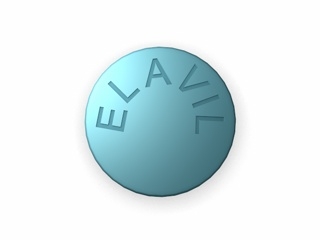


Elavil (Amitriptyline) — Patient Information (UK)
Elavil is a brand name for amitriptyline, a medicine from the tricyclic antidepressant (TCA) group. In the UK, amitriptyline is used for more than depression, including several long-term pain conditions and certain nerve-related symptoms.
This page explains how Elavil works, what it’s used for, how it’s taken, and key safety information. If you have any questions about your specific situation, speak to a healthcare professional.
Quick product details
| Category | Details |
|---|---|
| Generic name | Amitriptyline |
| Brand | Elavil |
| Medicine type | Tricyclic antidepressant (TCA) |
| Common forms | Tablets (strengths vary by product/market availability) |
| Typical dosing pattern | Often once daily, commonly in the evening (for sleepiness) |
| Onset of benefit | May take days to weeks; pain/nerve symptoms often take several weeks |
How Elavil works (mechanism of action)
Amitriptyline increases the activity of certain natural brain chemicals involved in mood, pain modulation, and nerve signalling—mainly serotonin and noradrenaline. It does this by affecting their reuptake in nerve cells.
In addition, Elavil has effects on several other receptors, including histamine, muscarinic (cholinergic), and alpha-1 adrenergic pathways. These actions help explain:
- Sleepiness/sedation (particularly at start or with dose increases)
- Anticholinergic effects (dry mouth, constipation, blurred vision, urinary difficulty)
- Changes in heart rhythm and blood pressure in some people
Important: For many pain and nerve conditions, the benefit is not simply “because it’s an antidepressant.” Lower doses are often used because TCAs can dampen pain signals and improve nerve-related symptoms.
Pharmacokinetics: how the body handles amitriptyline
Absorption: Amitriptyline is absorbed after oral dosing. The time to peak concentration can vary by formulation and individual factors.
Metabolism: The medicine is extensively metabolised in the liver, mainly by CYP2D6 and other pathways. This metabolism produces an active metabolite called nortriptyline, which also contributes to the effect.
Half-life: Amitriptyline and its metabolites have relatively long half-lives. This means steady effects may build over days to weeks, and missing doses may not be felt immediately.
Elimination: Metabolites are cleared primarily through the kidneys and urine. Liver function and interacting medicines can influence exposure.
Why this matters for patients: Because of long-lasting levels, side effects and interactions can also persist. Dose changes are usually made gradually.
What Elavil is used for in the UK
Depending on your condition, Elavil may be used for:
- Chronic nerve pain (neuropathic pain)
- Tricyclic antidepressants are commonly used for conditions such as nerve-related burning, shooting pain, or tingling
- Tension-type and certain chronic headache conditions (for prevention rather than immediate relief)
- Migraine prevention in some people
- Depression (especially when other options are unsuitable)
- Functional pain conditions (as advised by a clinician)
Note: Availability of specific licensed indications may vary by product and patient age. A clinician will align use with your diagnosis and medical history.
When to take Elavil (timing and daily routine)
Elavil is often taken once daily in the evening because many people feel drowsy or sleepy, especially when starting treatment or increasing the dose.
- If it makes you drowsy: take it in the evening (unless your clinician advises otherwise).
- If it upsets your stomach: taking it with food can help some people, but always follow professional advice.
- Try to take it at the same time each day to keep blood levels more consistent.
Do not suddenly stop without advice if you’ve been taking it for some time. Stopping abruptly can lead to unpleasant symptoms and return of problems.
Dosage: typical dosing principles
Doses vary widely depending on the condition being treated, the person’s age, other medicines, and tolerance of side effects. A clinician will determine your dose and increase it slowly if needed.
As general guidance, the way TCAs are used for pain or nerve symptoms often differs from depression:
- For nerve pain/headache prevention: lower doses are frequently used and adjusted based on response and tolerability.
- For depression: doses may be higher, typically with careful monitoring.
Common approach:
- Start at a low dose to reduce side effects.
- Increase gradually, often every few days to weeks depending on the plan.
- Review benefit and side effects to decide whether to maintain, adjust, or switch.
How much is “right” for you? Only a healthcare professional can tell you. Do not adjust your dose yourself.
Food interactions: can you take Elavil with meals?
Most people can take amitriptyline with or without food.
- With food: may reduce nausea for some people.
- Without food: may still be fine, but if you notice stomach upset, try taking it after a light meal.
Grapefruit products: While grapefruit is more strongly linked to other antidepressants, it can still affect drug metabolism in some situations. If you regularly consume grapefruit or grapefruit juice, discuss this with a pharmacist.
Alcohol and medicine interactions
Alcohol
It is generally recommended to avoid alcohol or keep it to an absolute minimum while taking Elavil because alcohol can:
- Increase drowsiness and reduce alertness
- Increase the risk of dizziness and falls
- Potentially worsen breathing problems in susceptible individuals
Other medicines that may interact
Several medicines can interact with amitriptyline by affecting liver metabolism, increasing sedation, or altering heart rhythm. Always check your current medicine list with a pharmacist.
Common interaction categories include:
- Other antidepressants, especially MAO inhibitors (should not be combined) and some SSRIs/SNRIs
- Medicines for migraine or other serotonin-affecting drugs (risk of serotonin-related effects)
- Opioids or sedatives (increased drowsiness)
- Anticholinergic medicines (can add to dry mouth, constipation, and urinary retention)
- Medicines affecting heart rhythm or electrolytes (increased risk of abnormal rhythm)
- CYP2D6 inhibitors (may increase amitriptyline levels), such as some antipsychotics and other drugs
- Medicines that increase or decrease liver enzyme activity (may change levels)
Herbal products: Some herbal supplements can affect metabolism or raise serotonin-related risks. Ask a pharmacist before using herbal remedies.
Indications, suitability and who should be careful
Elavil may be suitable for certain people depending on the reason for treatment, medical history, and current medicines.
Extra caution is needed if you have:
- Heart problems, history of abnormal heart rhythm, or relevant ECG changes
- Low blood pressure or fainting tendencies
- Glaucoma or increased eye pressure (anticholinergic effects may worsen symptoms)
- Urinary retention or enlarged prostate symptoms
- Seizure disorders
- Thyroid disease (affecting metabolism and heart function)
- Liver impairment (levels may rise)
Older adults: In older people, TCAs may cause more side effects (falls, confusion, constipation). Lower dosing and careful monitoring are often used.
Safety profile: side effects and when to seek help
Like all medicines, Elavil can cause side effects. Not everyone will experience them. Side effects often reduce after the first couple of weeks as the body adapts—though some may persist.
Common side effects
- Drowsiness or fatigue
- Dry mouth
- Constipation
- Dizziness or feeling light-headed
- Blurred vision
- Weight gain and appetite changes
- Increased sweating
- Sexual dysfunction
- Low energy or sometimes initial changes in mood
Less common but serious risks
- Abnormal heart rhythm (palpitations, fainting, chest symptoms)
- Severe allergic reactions (swelling of face/lips, breathing difficulty)
- Seizures (rare)
- Angle-closure glaucoma symptoms (severe eye pain, halos around lights, sudden vision change)
- Serotonin-related effects (agitation, confusion, fever, sweating, tremor, diarrhoea) when combined with interacting drugs
Seek urgent medical advice if you have
- Chest pain, severe palpitations, fainting
- Severe dizziness or inability to stay awake
- Signs of serious allergic reaction
- New confusion, severe restlessness, or high fever with other symptoms
Practical use tips for patients
- Start low and go slow: gradual dose increases can reduce side effects.
- Protect against drowsiness: avoid driving or operating machinery until you know how Elavil affects you.
- Manage dry mouth: sip water regularly, use sugar-free gum/lozenges, and maintain good dental care.
- Prevent constipation: drink fluids, include fibre in your diet, and consider stool-softening strategies if needed (ask a pharmacist).
- Rise slowly: if you feel dizzy when standing, stand up gradually.
- Keep track of effect: note sleep quality, pain levels, and side effects in a simple diary during the first month.
- Do not mix with alcohol: alcohol can worsen sedation and coordination.
- Check interactions: tell your pharmacist about all medicines and supplements, including “over-the-counter” items.
What to do if you miss a dose
If you miss a dose, take it when you remember unless it is close to your next scheduled dose. If it’s close, skip the missed dose.
- Do not take a double dose to make up for a missed one.
- If you’re unsure, ask a pharmacist for advice.
Alternative options
If Elavil is not suitable or doesn’t work well enough, there are alternatives depending on the condition being treated.
For nerve pain and chronic pain
- Other antidepressants (for example, alternatives from the same class or similar mood/pain pathways)
- Anti-epileptic medicines used for neuropathic pain
- Topical options for selected localised pain conditions
- Non-medicines such as physiotherapy, graded activity, psychological support, and lifestyle changes
For depression
- Other antidepressants such as SSRIs/SNRIs (choice depends on symptoms and risk factors)
- Psychological therapies (often recommended alongside or instead of medicine)
Headache and migraine prevention may also involve other preventive medicines and lifestyle approaches (hydration, sleep regularity, trigger tracking).
Market and legal context in the United Kingdom
In the UK, amitriptyline products are generally regulated under medicines legislation and are supplied via appropriate routes. Your ability to obtain Elavil may depend on the product’s classification, pharmacy services available, and any required clinical checks.
Why regulations matter for safety: Medicines that affect the nervous system and heart rhythm require careful assessment for suitability—especially in people with certain medical conditions, or when combining with interacting medicines.
Policies and service models can evolve. For the latest information, check with your local pharmacy or reliable NHS guidance sources.
Recent guidance and clinical practice notes (UK context)
Current clinical practice for TCAs such as amitriptyline emphasises:
- Individualised dosing and gradual titration, especially for pain conditions.
- Monitoring for side effects like sedation, anticholinergic effects, weight changes, and dizziness.
- Awareness of interactions with other medicines, including those affecting serotonin and heart rhythm.
- Careful assessment in higher-risk groups (older adults, people with heart disease, or those on multiple medications).
If you have concerns about suitability, a pharmacist can help review common interaction risks and advise on practical steps (such as taking the dose in the evening, hydration, and constipation prevention).
Delivery and availability in the UK
Availability can vary by brand, strength, and stock levels. On an online pharmacy, Elavil may be supplied subject to UK medicine supply rules and the standard checks required before dispatch.
- Delivery times: delivery speed depends on the service you select and stock availability.
- Packaging: medicines are typically dispatched in secure, tamper-evident packaging.
- Storage: store tablets as directed on the pack (usually cool, dry conditions away from direct heat).
If you need urgent advice about delivery, missing parcels, or safe storage, contact customer support or the supplying pharmacy.
Frequently Asked Questions (FAQ)
1) How long does it take for Elavil to work?
Some effects (especially sleepiness) may be noticed within days. For depression, nerve pain, or headache prevention, improvement typically takes several weeks. If you do not notice any benefit after an appropriate trial, speak to a healthcare professional—your dose or treatment plan may need adjustment.
2) Will Elavil make me feel drowsy?
Many people do, especially at the start. Taking it in the evening can help. Avoid driving or operating machinery until you understand how it affects you.
3) Can I take Elavil with other painkillers?
Often, yes, but it depends on what you mean by “painkillers.” Some combinations are fine, while others may increase sedation or interact metabolically. Tell your pharmacist about all medicines, including over-the-counter products.
4) What are the most common early side effects?
Dry mouth, constipation, drowsiness, dizziness, and blurred vision are among the more common effects. These often improve as your body adjusts.
5) Can I drink alcohol while taking Elavil?
It’s generally advised to avoid alcohol because it can increase drowsiness and impair coordination. If you drink, discuss with a pharmacist how this may affect you.
6) Can I stop Elavil suddenly?
It’s usually best not to stop abruptly without advice, especially if you’ve taken it for a while. Stopping may cause unpleasant symptoms and can worsen the condition being treated. Ask a healthcare professional for a safe plan.
7) Does Elavil cause weight gain?
Weight gain can occur in some people. Monitoring weight and discussing diet and activity strategies early can help. If weight changes are bothersome, speak to your clinician.
8) Are there dietary restrictions?
There are no universal dietary restrictions, but taking it with food may reduce nausea. Maintain a balanced diet and stay hydrated, especially if constipation or dry mouth occurs.
9) Who should be extra cautious when using Elavil?
People with heart rhythm problems, glaucoma, urinary retention, seizure history, significant liver disease, or those taking multiple interacting medicines should use extra caution and receive tailored advice from healthcare professionals.
10) What should I do about constipation and dry mouth?
Drink water regularly, choose fibre-rich foods, and consider pharmacist-recommended remedies for constipation. For dry mouth, sugar-free gum/lozenges and good oral hygiene can help. Seek advice if symptoms are severe.
Disclaimer: This information is intended to support patient understanding and does not replace guidance from a healthcare professional. If you have specific concerns about suitability, dosing, or interactions, please consult a pharmacist or clinician.