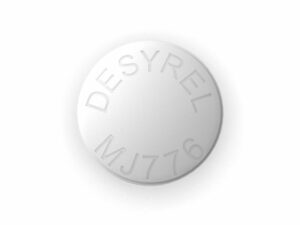


Remeron (Mirtazapine) – Patient-Friendly Guide (UK)
Remeron is a brand of mirtazapine, an antidepressant medicine used for the treatment of depression. It may be recommended when symptoms such as low mood, loss of interest, poor sleep, reduced appetite, and anxiety are present. Mirtazapine is also known for causing sedation in many people—especially at lower doses—which can make it helpful for depression that affects sleep.
This guide explains how Remeron works, typical uses, how to take it, important interactions, safety information, and practical tips. It is written in a patient-friendly way for readers in the United Kingdom. Always follow the advice provided by your healthcare professional.
Product Overview
| Information | Details |
|---|---|
| Medicine | Remeron (mirtazapine) |
| Medicine type | Antidepressant (NaSSA – noradrenergic and specific serotonergic antidepressant) |
| Common strengths (may vary) | Tablets/certain formulations available in different strengths (ask your pharmacist) |
| How it is taken | By mouth, usually once daily |
| Onset of effect | Some improvement may be noticed after 1–2 weeks; full benefit can take several weeks |
| Typical side effects | Drowsiness/sedation, increased appetite, weight gain, dry mouth, dizziness |
How Remeron Works (Mechanism of Action)
Mirtazapine works by affecting neurotransmitters in the brain—particularly serotonin and noradrenaline (norepinephrine). Unlike some other antidepressants, it mainly increases the activity of these chemical messengers through a specific set of receptor actions.
- Alpha-2 (α2) adrenergic antagonism: Helps increase release of noradrenaline.
- Serotonin receptor effects: Acts on certain serotonin receptors to improve signalling patterns associated with mood.
- Antihistamine (H1) activity: Contributes to sedation and may be more noticeable at lower doses.
This combination of effects can help restore mood, improve sleep, and reduce symptoms such as worry or agitation in some people.
Pharmacokinetics (How the Body Processes Mirtazapine)
Understanding pharmacokinetics may help explain why dosing is usually once daily and why some interactions can matter.
- Absorption: Mirtazapine is absorbed after oral dosing. Peak levels in the blood are typically reached within a few hours (exact timing can vary by formulation and individual).
- Distribution: It binds to plasma proteins and distributes into tissues.
- Metabolism: Mainly metabolised by the liver, with major involvement of enzymes in the CYP system (notably CYP3A4, and also CYP2D6 and CYP1A2).
- Elimination: Metabolites are cleared via urine and, to a lesser extent, faeces.
- Half-life: The effective half-life is often around 20–40 hours, supporting once-daily dosing for many patients.
Why this matters: Liver function, age, and interacting medicines that affect liver enzymes can change mirtazapine levels and side effects.
Typical Use and Indications
Remeron (mirtazapine) is used for the treatment of major depressive disorder in adults.
Depending on local clinical practice, it may also be considered when:
- Depression is accompanied by sleep disturbance (e.g., insomnia)
- There is reduced appetite or weight loss associated with depression
- Symptoms include anxiety, agitation, or rumination (individual response varies)
Note: Use in specific situations should always reflect advice from your healthcare professional.
When It Starts Working (Timing)
Antidepressants typically take time to work. With Remeron, you may notice changes in different symptoms at different times:
- Sleep and anxiety: Some people feel calmer or sleep better within the first 1–2 weeks (sedation effects can contribute).
- Mood and motivation: Often take longer. A clear improvement may take 2–4 weeks or more.
- Full effect: May take up to 6–8 weeks depending on the person.
Practical tip: Continue taking the medicine as directed, even if you don’t feel better immediately. If symptoms worsen or you experience troubling effects, contact your healthcare professional rather than stopping abruptly.
How to Take Remeron (Dosing and Administration)
Dosing varies between people. Your healthcare professional will select a starting dose and adjust if needed.
General dosing approach (adult guidance)
- Starting dose: Often starts low (for example, 15 mg once daily) to reduce early side effects such as drowsiness.
- Adjustment: Dose may be increased gradually based on response and tolerability.
- Typical effective range: Many patients are treated within a mid-range of doses; higher doses may be used in certain cases under supervision.
Important: Follow your personal dosing instructions. Do not change the dose without medical guidance.
When to take it (time of day)
Many people take mirtazapine once daily. The best time depends on how it affects you:
- If it makes you drowsy: Take it in the evening or before bedtime.
- If sedation is less of an issue: Some people take it earlier, but evening dosing is common.
- If prescribed more than once daily: Use the exact schedule provided.
Driving and machinery: Because Remeron can cause sleepiness, avoid driving or operating machinery until you know how it affects you.
Food Interactions and What to Expect with Meals
Remeron does not have major food restrictions. In general:
- You can take it with or without food.
- If nausea occurs, taking it with food may help some people.
- Because mirtazapine can increase appetite, paying attention to overall calorie intake and balanced meals can help limit weight gain.
Appetite and weight: Many patients notice increased appetite. For some, this can lead to weight gain—especially within the first few months. Healthy snack choices and regular activity can make a difference.
Alcohol and Medicine Interactions
Alcohol
It’s generally recommended to avoid alcohol while taking Remeron, because alcohol can:
- Increase drowsiness and impair reaction time
- Worsen mood symptoms and sleep quality
- Increase the risk of dizziness and falls
If you do drink alcohol, discuss with your healthcare professional for personalised advice.
Interactions with other medicines
Mirtazapine can interact with other medicines, particularly those that affect the brain, liver enzymes, or serotonin levels.
- Other antidepressants and serotonergic medicines: Using mirtazapine with other serotonergic drugs (e.g., certain migraine medicines or some antidepressants) can increase the risk of serotonin-related effects. Your prescriber will consider the combination carefully.
- MAO inhibitors: Generally not used together (risk of serious reactions). Special washout rules may apply to switch treatments.
- Medicines that increase sedation: Such as some antihistamines, opioid pain medicines, or benzodiazepines—may add to drowsiness.
- Enzyme inhibitors/inducers: Some medicines can change mirtazapine levels. Examples include certain antifungals, antibiotics, anticonvulsants, and herbal products. This may affect side effects or effectiveness.
- Blood clotting medicines: If you take anticoagulants or antiplatelets, discuss monitoring and safety.
Herbal products: St John’s wort can affect drug levels and is often best avoided unless your clinician advises otherwise.
Always tell your pharmacist or prescriber about all medicines you take, including over-the-counter products and supplements.
Safety Profile (Common and Serious Side Effects)
Like all medicines, Remeron can cause side effects. Many are mild and improve as your body adjusts, but some require prompt medical attention.
Common side effects
- Drowsiness/sedation (often more noticeable at the start)
- Increased appetite and weight gain
- Dry mouth
- Dizziness or feeling light-headed
- Constipation
- Fatigue
Less common but important effects
- Changes in blood cells (rare). Seek medical advice if you develop unusual bruising, infections that are frequent or severe, or fever.
- Swelling or allergic reactions (rare). Get urgent advice if you develop rash, facial swelling, or breathing difficulty.
- Restlessness or unusual agitation (sometimes early on). Report to your healthcare professional.
Serious risks to be aware of
- Suicidal thoughts: For people starting antidepressants, there may be a risk of increased suicidal thoughts or behaviour, particularly in younger people. Close monitoring is important, especially in the early stages and when doses change.
- Mania or hypomania: Antidepressants can trigger switching to a manic state in people with bipolar disorder. Symptoms can include abnormally elevated mood, irritability, reduced need for sleep, and racing thoughts.
- Severe dizziness or fainting: Especially if you stand up quickly. This may reflect blood pressure changes in some individuals.
- Serotonin syndrome: Rare, but risk increases when combined with other serotonergic medicines. Seek urgent medical advice if you have symptoms such as agitation, confusion, fever, sweating, trembling, or diarrhoea.
Seek urgent help if you experience any severe or rapidly worsening symptoms.
Practical Use Tips (What Helps Most)
- Start low and go slow: Drowsiness and appetite changes can happen early. A gradual dose increase can improve tolerability.
- Keep a daily routine: Taking your medicine around the same time each day can help you remember and may stabilise side effects.
- Plan for sleepiness: If you feel sedated, avoid alcohol and be cautious with driving. Early evening dosing can help.
- Manage appetite: If you notice increased hunger, choose balanced meals, reduce sugary snacks, and consider portion sizes.
- Don’t stop suddenly: Stopping antidepressants abruptly can cause withdrawal-type symptoms such as dizziness, nausea, sleep disturbances, anxiety, and “electric shock” sensations. If you need to stop, tapering is usually preferred and should be supervised.
- Track symptoms: Mood, sleep, anxiety, and side effects can change over time. A short diary can help you and your clinician decide whether adjustments are needed.
- Report concerns early: If sedation is excessive, if mood worsens, or if you experience new troubling symptoms, contact your healthcare professional promptly.
Alternative Treatment Options (Other Approaches)
If Remeron is not suitable or not effective, there are other options available. Alternatives may include:
- Other antidepressants: e.g., SSRIs (such as sertraline), SNRIs (such as venlafaxine), and other agents (choice depends on your symptoms, side effect profile, and interactions).
- Psychological therapies: Talking therapies such as CBT (Cognitive Behavioural Therapy) or other structured approaches can be effective, alone or alongside medication.
- Lifestyle support: Sleep hygiene, regular physical activity, structured routines, and social support can complement medication.
- Specialist assessment: If symptoms persist, if there is treatment resistance, or if there’s concern about bipolar disorder, a mental health specialist may recommend further options.
Note: Switching between antidepressants should be planned carefully to reduce withdrawal effects and avoid harmful interactions.
Remeron in the UK: Market and Legal Context
In the UK, mirtazapine-containing medicines like Remeron are widely used for depression. Medicines are made available under medicines law and pharmacy regulations.
- Healthcare oversight: Antidepressants are medicines that require appropriate clinical assessment and monitoring.
- Safety monitoring: UK healthcare guidance emphasises monitoring for early changes in mood, side effects, and adherence.
- Quality and supply: Medicines supplied through legitimate channels should meet UK regulatory quality standards.
Recent guidance (high-level): UK clinical practice continues to emphasise evidence-based antidepressant prescribing, appropriate review timing after starting or changing dose, attention to suicide risk (particularly early in treatment), and careful consideration of comorbidities and interacting medications.
Because guidance can evolve, your local NHS trust or clinician can provide the most current approach for your situation.
Delivery and Availability in the United Kingdom
Remeron (mirtazapine) may be available through UK pharmacies, including online pharmacy services operating under the appropriate regulatory framework.
- Availability: Stock can vary by strength and formulation. If a specific strength is temporarily out of stock, an alternative supply arrangement may be offered.
- Delivery options: Many online pharmacies offer standard and express delivery. Delivery times depend on the courier and your postcode area.
- Packaging and privacy: Medicines are typically dispatched in secure packaging.
- Storage: Store tablets as directed on the packaging, usually at room temperature and away from moisture.
If you have urgent needs (for example, you have missed doses), contact the pharmacy service as soon as possible to discuss timing and options.
Frequently Asked Questions (FAQ)
1) How long does Remeron take to work?
Some people notice changes in sleep or anxiety within 1–2 weeks, but mood improvement often takes 2–4 weeks or longer. Full benefit can take up to 6–8 weeks. If you’re not improving, talk to your healthcare professional rather than changing the dose yourself.
2) Will Remeron make me sleepy?
Many people experience drowsiness, especially early in treatment or at lower doses, due to its antihistamine activity. If sedation is an issue, your prescriber may adjust the timing (often evening) or dose.
3) Can I take Remeron with food?
Yes. Remeron can generally be taken with or without food. If you get nausea, taking it with food may help.
4) Does Remeron cause weight gain?
It can increase appetite in many people. Weight gain is a known possible side effect, so it’s helpful to monitor weight and adopt healthy eating and activity habits.
5) Is it safe to drink alcohol while taking Remeron?
It’s usually best to avoid alcohol because it can worsen drowsiness and mood and may increase dizziness and impair coordination.
6) What medicines should I avoid mixing with Remeron?
It’s important to check interactions with any other medicines you take, including antidepressants, sedatives, antihistamines, pain medicines (especially opioids), and medicines that affect liver enzymes. Always tell your pharmacist your full list.
7) What if I miss a dose?
If you miss a dose, take it when you remember unless it’s close to the next scheduled dose. Don’t double up. If you’re unsure, ask your pharmacist.
8) Can I stop Remeron suddenly?
Stopping abruptly can lead to withdrawal-type symptoms. If you and your healthcare professional decide to stop, dose reduction (tapering) is usually recommended.
9) Is Remeron suitable for everyone with depression?
No single antidepressant is ideal for everyone. Suitability depends on your symptoms, medical history (including liver issues and other conditions), age, and the medicines you currently take.
10) Who should get urgent medical help?
Seek urgent advice if you develop signs of severe allergic reaction (e.g., swelling of the face or trouble breathing), severe agitation/confusion with fever or sweating, symptoms of mania, or if you feel at risk of harming yourself.
Summary
Remeron (mirtazapine) is a UK-used antidepressant that works by influencing noradrenaline and serotonin signalling. It may also help with sleep and appetite changes due to its sedating and appetite-related effects. Many people find it useful for depression, particularly where insomnia and appetite issues are present, but it can cause drowsiness and weight gain in some individuals.
If you’re considering Remeron or already taking it, the most important steps are to take it consistently at the advised time, watch for side effects, avoid alcohol, and discuss any concerns promptly with your healthcare professional.