
Nortriptyline Hydrochloride (Nortriptyline) — Patient Information (UK)
Nortriptyline is a medicine used to treat certain mental health conditions and long-term pain conditions. It belongs to a class of medicines called tricyclic antidepressants (TCAs). In the UK, it may be prescribed for depression and for nerve-related pain, including some chronic pain conditions.
This guide explains what nortriptyline is, how it works, how it behaves in the body, what it’s used for, how to take it safely, and what to watch for. It also includes practical tips, UK availability information, and answers to common questions.
Basic product information
| Information | Details |
|---|---|
| Generic name | Nortriptyline (as nortriptyline hydrochloride) |
| Medicine type | Tricyclic antidepressant (TCA) |
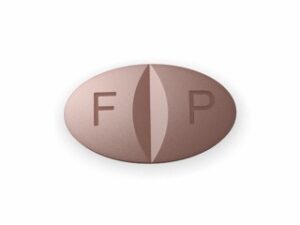
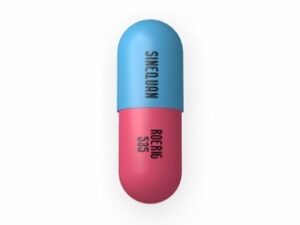
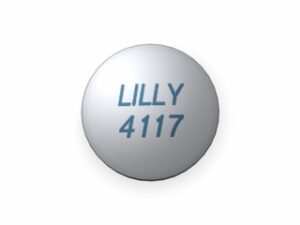
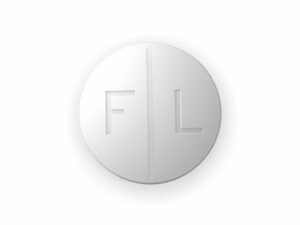
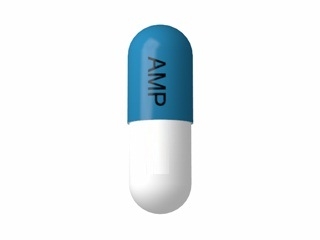
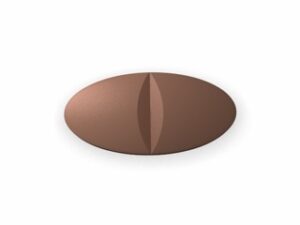
| Common form | Tablets/capsules (brand and strength vary by product) |
| Typical dosing approach | Usually started at a low dose and increased gradually |
| Common times taken | Often once daily, frequently in the evening due to drowsiness |
| Key precautions | May affect heart rhythm, cause sedation/dry mouth, and interact with other medicines |
How nortriptyline works (mechanism of action)
Nortriptyline works primarily by influencing brain chemicals involved in mood and pain signalling:
- Reuptake inhibition: It helps reduce the reuptake of neurotransmitters such as noradrenaline (and to a lesser extent serotonin) into nerve cells. This can improve symptoms of depression.
- Downstream effects: Over time, these changes can affect nerve signalling pathways, including those involved in chronic pain.
- Nerve pain modulation: By altering neurotransmission, nortriptyline can reduce the abnormal “overactivity” of pain pathways seen in some neuropathic (nerve) pain conditions.
It’s important to note that the mood and pain benefits can take time to develop. Many people do not feel the full effect immediately.
Pharmacokinetics (how the body handles it)
Pharmacokinetics describes what happens to a medicine in the body: absorption, distribution, metabolism, and elimination.
Absorption
Nortriptyline is absorbed after oral administration. Peak blood levels are reached after a number of hours, though this can vary between people.
Distribution
The medicine distributes throughout the body and can cross into the brain. It is also highly protein-bound, which may contribute to interactions and how it’s cleared.
Metabolism
Nortriptyline is metabolised mainly in the liver. Several enzymes are involved, and certain medicines can alter how quickly it’s broken down. This is one reason why drug interactions are important.
Elimination
The medicine is eventually eliminated from the body through metabolism and excretion (largely via urine). Clearance can vary with age, liver function, and interacting medicines.
Why this matters in practice
- Gradual dose changes: Because of its long-lasting effects in the body, dose increases and decreases are usually done slowly.
- Interaction risk: Medicines that affect liver enzymes may increase or reduce nortriptyline levels.
- Adverse effects may build: Side effects can worsen when levels rise, including early in treatment or after dose changes.
Typical use in the UK
Nortriptyline may be used for:
- Depression (particularly when other options are unsuitable or have not worked well)
- Neuropathic pain, including conditions such as diabetic nerve pain and other chronic nerve-related pain syndromes
- Chronic pain support in selected patients, based on clinical judgement
Your exact reason for taking nortriptyline depends on your diagnosis and your clinician’s assessment of benefits versus risks.
When to take it (timing and consistency)
Many people take nortriptyline once daily. It is commonly taken in the evening or before bedtime because it can cause drowsiness. Some people may be advised to split dosing, depending on the preparation and the treatment plan.
Practical timing tips
- Take it at the same time each day to maintain steadier levels.
- If you feel sleepy, evening dosing can help reduce daytime effects.
- If you feel alert rather than drowsy, your prescriber may adjust the timing.
- Use a pill organiser or phone reminder to avoid missed doses.
Food interactions
Nortriptyline can generally be taken with or without food. However, individual guidance may differ depending on the product formulation and your tolerance.
- If nortriptyline upsets your stomach, taking it with food may improve comfort.
- Keep alcohol and other substances in mind, as they may worsen side effects (see below).
Alcohol and medicine interactions
Alcohol
It’s recommended to avoid or limit alcohol while taking nortriptyline. Alcohol can increase drowsiness, worsen dizziness, and add to risks such as falls or impaired driving.
Common medicine interaction themes
Nortriptyline can interact with other medicines in several ways:
- Increased nortriptyline levels: Some medicines can raise blood levels, increasing side effects or heart-related risks.
- Serotonin and mood medicine interactions: Combining antidepressants can raise the risk of side effects (and in certain combinations, serotonin-related problems).
- Heart rhythm effects: Some drugs can also affect cardiac conduction.
- Central nervous system effects: Sedatives and some pain medicines can add to drowsiness.
Examples of medicines that commonly need extra care
This list is not exhaustive. Always check with a healthcare professional or pharmacist if you are taking or planning to take any of the following:
- Other antidepressants, especially other TCAs, MAO inhibitors, and certain SSRIs/SNRIs
- Medicines affecting liver enzymes (some can increase nortriptyline levels)
- Sleeping tablets, sedatives, and anxiety medicines that cause drowsiness
- Some antihistamines that cause sedation
- Antiarrhythmics or other medicines that may affect heart rhythm
- Pain medicines that may cause sedation
- Medicines for nausea or migraines that can interact
If you are unsure whether a medicine interacts with nortriptyline, it’s best to ask a pharmacist before starting.
Indications (what it is used for)
Nortriptyline is used under clinical supervision for conditions where its benefits outweigh potential risks. Indications commonly include:
- Depression — especially when other treatments are not appropriate or where a clinician prefers a TCA
- Neuropathic pain — long-term nerve pain where symptoms include burning, shooting, or tingling sensations
- Other chronic pain syndromes — based on clinical assessment
The most appropriate option depends on your medical history, other medications, and your risk factors (including heart and liver health).
Dosing guidance (general information)
Dosing varies by indication, age, other medical conditions, and tolerance. The key approach with nortriptyline is typically: start low, go slow.
General dosing principles
- Start low: This helps reduce early side effects such as drowsiness, dry mouth, constipation, and dizziness.
- Increase gradually: Dose adjustments are usually made after assessing response and side effects.
- Consider heart risk: People with heart conditions or risk factors may need closer monitoring.
- Use consistent timing: Taking it at the same time daily helps stability.
When it begins to work
- For depression: some improvement may be noticed within a few weeks, but full benefit can take longer.
- For nerve pain: pain relief may begin within days to weeks, but dose adjustments may be needed.
Missed dose
If you miss a dose, take it when you remember unless it is close to the time for your next dose. Do not take double the dose to make up for a missed tablet.
Stopping nortriptyline
Do not stop suddenly unless you’ve been told to. TCAs are usually reduced gradually to lower the risk of withdrawal symptoms and symptom relapse. If you want to stop, speak to a clinician or pharmacist for an appropriate plan.
Safety profile (what to watch for)
Common side effects
- Dry mouth
- Drowsiness or tiredness
- Dizziness, especially when standing
- Constipation
- Blurred vision
- Increased sweating
- Weight changes (can vary)
- Urinary retention (more relevant in those with prostate problems)
Many side effects improve as your body adjusts, especially after gradual dose changes. If side effects are troublesome, contact a clinician for advice.
Serious side effects — get urgent medical help if
- Signs of an allergic reaction such as swelling of the face/lips, rash, or breathing difficulties
- Chest pain, fainting, or palpitations that feel severe or persistent
- Severe dizziness or confusion
- Uncontrolled muscle movements, high temperature, or marked agitation
- Thoughts of self-harm or a significant worsening in mood (seek urgent help)
- Symptoms of overdose (extreme drowsiness, seizures, irregular heartbeats) — treat as an emergency
Heart rhythm considerations
Like other TCAs, nortriptyline may affect cardiac conduction. Your prescriber may consider baseline assessment and monitoring, especially if you have:
- known heart disease
- a history of abnormal heart rhythm
- a family history of sudden cardiac problems
- low potassium or magnesium levels
- other medicines that affect heart rhythm
Risk factors and special populations
- Older adults: higher sensitivity to side effects such as dizziness, falls, and constipation.
- Liver impairment: may require dose adjustment and closer monitoring.
- Glaucoma or prostate enlargement: anticholinergic effects may worsen symptoms.
- Seizure history: caution is needed.
- Diabetes: mood/pain changes and weight may affect glucose control.
Practical use tips
Reducing dry mouth and constipation
- Stay well hydrated.
- Chew sugar-free gum or use sugar-free sweets to stimulate saliva.
- For constipation, increase fibre and fluids; consider a suitable laxative if advised by a pharmacist or clinician.
Managing drowsiness and dizziness
- Avoid driving or operating machinery until you know how you react.
- Stand up slowly from a chair or bed.
- Keep alcohol to a minimum (or avoid) to reduce sedation.
What to expect during the first weeks
Nortriptyline may cause early side effects before the benefits become clear. This is common when starting or adjusting dose. Follow your clinician’s plan and speak to your pharmacist if side effects are affecting daily life.
Consider monitoring and review
Depending on your situation, your clinician may review:
- symptom response (mood or pain control)
- side effects and tolerability
- blood tests and/or heart-related checks if appropriate
Alternative options
Treatment alternatives depend on whether nortriptyline is being used for depression or for nerve pain. If you’re considering options, discuss with a clinician or pharmacist so you can find the best balance for your symptoms and risk profile.
For depression
- SSRIs (such as sertraline, citalopram, fluoxetine)
- SNRIs (such as venlafaxine or duloxetine)
- Other TCAs (e.g., amitriptyline) — depending on tolerance and indication
- Psychological therapies (such as CBT) in combination or as an alternative
- Self-care and lifestyle approaches that support recovery
For neuropathic pain
- Gabapentinoids (gabapentin or pregabalin)
- Duloxetine (an SNRI often used for certain pain syndromes)
- Topical treatments (for selected conditions)
- Physiotherapy and pain management approaches
- Other medicines chosen case-by-case
Your clinician may choose an alternative if nortriptyline is not tolerated, does not help enough, or if interaction/heart risks are higher in your case.
UK market and legal context (overview)
In the UK, nortriptyline is a prescription medicine. Online pharmacies typically supply medicines under the rules that apply to UK pharmacy practice and medicine regulation, including checks to ensure the medicine is suitable for the individual.
To support safe use, reputable suppliers may require:
- verification of the product and strength
- basic health information and medicine interaction screening
- clear guidance on how to take the medicine safely
Recent guidance and clinical practice notes (UK)
Clinical guidance in the UK evolves over time. In general:
- For depression, clinicians often consider a range of antidepressants and may prefer options with a better tolerability profile for many people.
- For neuropathic pain, medicines such as TCAs, SNRIs, and gabapentinoids may be used based on individual symptoms and risk factors.
- Safety monitoring—particularly for side effects and heart rhythm risk—is emphasised when using TCAs.
Your local healthcare team will follow up-to-date guidance and tailor treatment to your circumstances.
Delivery and availability (UK)
Nortriptyline is commonly available through UK pharmacies, including online services. Availability can depend on:
- the specific strength/formulation you need
- current supply conditions
- distribution schedules and local stock levels
When ordering from an online pharmacy, you can generally expect:
- secure packaging to protect tablets
- delivery by tracked courier options (varies by provider)
- clear delivery updates via email or app
If a product is temporarily unavailable, reputable suppliers may contact you with alternatives or delivery timelines.
FAQ
How long does it take for nortriptyline to work?
Response time varies. For depression, improvement may take a few weeks, with full benefit often longer. For nerve pain, some people notice changes within days to weeks, but dose adjustments may be needed.
Why do doctors often start at a low dose?
Nortriptyline can cause side effects early on (such as drowsiness, dry mouth, constipation, and dizziness). Starting low and increasing gradually improves tolerability.
Can I take nortriptyline with food?
Yes. It can usually be taken with or without food. If it upsets your stomach, taking it with food may help.
Is it safe to drive while taking nortriptyline?
It may affect alertness and cause dizziness, especially at the start or after dose changes. Avoid driving until you know how it affects you. If you feel sleepy or unsteady, don’t drive.
What should I do if I miss a dose?
Take it when you remember unless it’s close to your next dose. Do not take a double dose.
What are the most common side effects?
Dry mouth, drowsiness, dizziness, constipation, blurred vision, and increased sweating are among the more common effects.
Can I drink alcohol while on nortriptyline?
It is best to avoid or limit alcohol. Alcohol can increase drowsiness and dizziness and may worsen side effects.
Are there medicines I should avoid?
Many medicines may interact with nortriptyline, including other antidepressants, sedatives, some heart rhythm medicines, and certain drugs that affect liver metabolism. Always check with a pharmacist or clinician if you’re starting a new medicine.
What happens if I want to stop taking nortriptyline?
Stopping should usually be gradual. Sudden stopping may cause withdrawal-like symptoms and may allow the original symptoms to return.
Who should take extra care with nortriptyline?
Extra care is often needed for people with heart conditions, liver problems, glaucoma or urinary retention, seizure history, older adults, and those taking medicines that may interact or affect heart rhythm.
Is nortriptyline used for depression and nerve pain?
Yes. It can be used for depression and for neuropathic (nerve-related) pain in selected patients, depending on your diagnosis and overall risk profile.