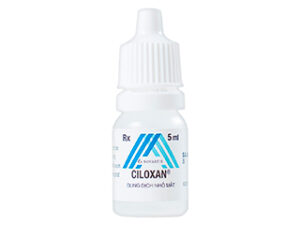

Ciprodex (Ciprofloxacin / Dexamethasone) Ear Drops – Patient Guide (UK)
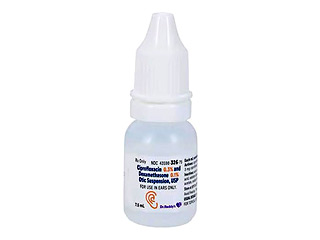
Ciprodex is an ear medication that combines ciprofloxacin (an antibiotic) with dexamethasone (a corticosteroid). It is used to treat certain painful ear infections where both infection and inflammation need treatment. Below is a patient-friendly guide to how Ciprodex works, when it’s used, how to use it safely, and what to expect.
Quick overview
| Feature | What it means for you |
|---|---|
| Medicine name | Ciprodex (ciprofloxacin / dexamethasone) |
| Form | Ear drops |
| Main actions | Fights bacteria (ciprofloxacin) + reduces swelling and inflammation (dexamethasone) |
| Typical use | Inflamed, infected outer/middle ear conditions as advised by a healthcare professional |
| Important safety | Not for viral/fungal ear infections; avoid use if the wrong condition is suspected; stop and seek help if symptoms worsen or severe pain/fever occurs |
Basic product information
Ciprodex is a combination medicine containing:
- Ciprofloxacin – an antibiotic in the fluoroquinolone group.
- Dexamethasone – a corticosteroid that helps reduce inflammation and swelling.
It is typically supplied as ear drops. Your bottle strength and dosing schedule may vary slightly by product presentation, so always check the label and follow the directions provided for your specific pack.
How Ciprodex works (mechanism of action)
Ciprodex is designed to treat ear problems that involve both infection and inflammation.
- Ciprofloxacin (antibiotic action): Ciprofloxacin kills bacteria by interfering with enzymes bacteria need to replicate their DNA (notably DNA gyrase and topoisomerase II). This leads to bacterial death and helps clear the infection.
- Dexamethasone (anti-inflammatory action): Dexamethasone reduces inflammation by affecting pathways involved in immune responses. This can help relieve pain, redness, itching, swelling, and fluid-related pressure.
Pharmacokinetics (what happens in the body)
Because Ciprodex is used in the ear, most of the effect is local. Still, some absorption can occur, depending on the condition of the ear and whether there is a perforation (a hole in the eardrum).
- Absorption: Local administration generally results in low systemic absorption compared with oral medication. However, absorption may increase if the eardrum is not intact.
- Distribution: The medicine’s local action in ear tissues is the main goal. Systemic exposure is usually limited.
- Metabolism and elimination: Any small absorbed amount is processed and cleared by the body. The degree of systemic exposure is typically lower than with systemic antibiotics.
If you have concerns about eardrum perforation, ear surgery history, or chronic ear disease, it’s especially important to use the medicine exactly as directed and seek medical advice if you are unsure.
Typical use in the UK
Ciprodex is commonly used for certain bacterial ear infections that are accompanied by significant inflammation.
Typical situations where it may be considered include:
- Acute otitis externa (infection of the outer ear canal) when inflammation and discharge are present.
- Conditions after ear procedures or with ear canal irritation where bacterial infection is suspected.
- Some cases of ear infections with tympanostomy tubes (grommets), where appropriate.
The exact suitability depends on your diagnosis. Ciprodex is not a general “any ear pain” treatment—ear symptoms can also be caused by viruses, fungi, eczema, wax blockage, allergies, or non-infective inflammation. Getting the right diagnosis helps ensure the drops are used appropriately.
Timing and how quickly you may notice improvement
Many people begin to feel some relief within 48–72 hours. However, complete resolution can take longer depending on the severity and underlying cause.
- If you improve: continue the course for the full duration advised on the pack or by your healthcare professional.
- If you don’t improve: contact a healthcare professional if there is no clear improvement after a few days.
- If you worsen: seek urgent advice—worsening pain, fever, spreading redness, significant swelling, or new severe discharge may indicate complications or a different diagnosis.
Indications (when Ciprodex is used)
Ciprodex is indicated for ear infections where a combination antibiotic and steroid is appropriate. In clinical practice in the UK, it may be used when healthcare professionals suspect bacteria and want to reduce inflammation to relieve symptoms and improve healing.
It’s intended for:
- Bacterial infections of the ear canal and/or middle ear-related settings in which local antibacterial treatment is needed alongside steroid treatment for inflammation.
Not intended for: viral or fungal ear infections, irritation without infection, or ear pain without a clear infectious cause.
Dosing: typical adult and child guidance
Dosing can vary by age, the specific diagnosis, and whether there is eardrum perforation or tubes. Always use the dose stated on your product label or as instructed by a healthcare professional.
Common dosing approach (general):
- Adults and children: typically a small number of drops into the affected ear twice daily, with the usual duration often around 7 days.
Important: If your label says a different number of drops or different frequency, follow the label. If you are unsure, confirm with a pharmacist or healthcare professional before using the drops.
Missed dose
- If you miss a dose, take it when you remember unless it’s close to your next dose.
- Do not use extra drops to “catch up.”
- Maintain the usual schedule and complete the course.
Practical use tips (how to apply Ciprodex safely)
Proper technique improves how well the drops reach the infected area.
- Wash your hands before and after using the drops.
- Warm the bottle in your hand for a few minutes if the drops feel cold (cold drops can be uncomfortable).
- Position yourself: lie on your side or tilt your head so the affected ear faces upward.
- Apply the drops: use the dropper carefully. Avoid touching the ear canal with the tip.
- Stay still: keep your head tilted for a short period (often around 1–5 minutes) to allow the drops to spread inside the ear canal.
- Wipe excess from the outer ear with a clean tissue—don’t insert cotton buds or objects into the ear canal.
- Replace the cap and store as directed on the label.
If you wear hearing aids or earplugs, ask a pharmacist or healthcare professional when to resume use. Avoid inserting anything into the ear canal unless specifically advised.
Food interactions
Ciprodex is applied to the ear. Therefore, food interactions are unlikely. Unlike tablets or capsules, the medication is not dependent on digestion.
You can usually eat and drink normally while using Ciprodex. If you have multiple medicines or medical conditions, it’s still sensible to check for interactions where systemic absorption may occur (for example, in severe ear conditions with possible eardrum perforation).
Alcohol interactions
There is no common, clinically important alcohol interaction expected with Ciprodex ear drops because systemic exposure is generally low.
However, if you are taking other medicines for pain, infection, or inflammation (such as oral antibiotics or painkillers), alcohol may interact with those medicines. If you’re unsure, check with a pharmacist.
Medicine interactions
With ear drops, the risk of interactions is lower than with oral drugs. Nonetheless, interactions can be relevant if:
- You are using other ear products (other drops, sprays, or antiseptics).
- Your eardrum integrity is uncertain (possible perforation or tubes), which may increase absorption.
- You are taking systemic medicines that have overlapping safety concerns.
Practical advice:
- Do not mix multiple ear drops at the same time unless advised.
- If you use other ear medications, ask a pharmacist for a schedule (often different drops are spaced by time).
- Inform a healthcare professional about all medicines you take, including non-prescription products.
Safety profile and side effects
Like all medicines, Ciprodex can cause side effects. Many are mild and resolve when treatment is stopped.
Common side effects
- Ear discomfort, irritation, or burning sensation
- Itching or redness around the ear
- Unusual taste (sometimes reported with ear drops)
- Dryness or minor discomfort
Less common but important reactions
- Allergic reactions (e.g., swelling of face/lips, severe itching, rash, breathing difficulties)
- Severe or worsening pain, significant increase in discharge, or fever
- Dizziness or persistent severe symptoms
When to seek urgent help
Get urgent medical advice if you experience:
- Signs of a severe allergic reaction
- High fever, severe headache, confusion, or rapidly spreading redness
- Severe pain that is escalating rather than improving
- Any concern about complications (for example, significant swelling around the ear)
Precautions
- Eardrum status: Tell a clinician if you have had a perforated eardrum, ear surgery, or grommets. These factors affect safe use.
- Skin conditions: If you have eczema or dermatitis affecting the ear canal, inflammation may be non-infective and needs correct diagnosis.
- Duration of use: Use for the recommended time only. Overuse can contribute to irritation or resistance-related issues.
Practical use tips for better outcomes
- Don’t insert cotton buds: They can worsen inflammation and push wax deeper.
- Keep the ear dry: During the course, avoid swimming and try to keep water out of the affected ear unless your clinician says otherwise.
- Complete the course: Even if you feel better, finish the treatment plan to reduce relapse.
- Follow hygiene practices: Wipe the outside of the ear and keep the dropper tip clean (avoid contact with skin inside the ear).
- Check for counterfeit or wrong medicine: Use a reputable pharmacy and ensure the label matches your prescribed/expected product.
Alternative options
Ear infections can be treated in different ways depending on the cause and severity. Alternatives may include:
- Other antibiotic ear drops (e.g., preparations containing different antibiotics)
- Antibiotic-only drops when inflammation is mild or steroid use is not suitable
- Non-antibiotic treatments when the cause is likely non-bacterial (e.g., fungal infection treatments, treatments targeting eczema/dermatitis)
- Oral antibiotics in selected cases, such as spreading infection, severe cases, or when drops are insufficient
- Supportive care for pain relief (e.g., appropriate analgesics) alongside appropriate ear treatment
The best alternative depends on your diagnosis. If symptoms are persistent or recurring, seek medical assessment to confirm the cause.
Market and legal context for the UK
Medicines in the UK are regulated to support safety, quality, and appropriate use. Ciprodex is an established ear medication used in UK clinical practice. Availability can depend on:
- Local supply and pharmacy stock
- Product presentation (bottle size, strength, and packaging)
- Regulatory approvals for the specific formulation and indications
UK healthcare systems emphasise appropriate antimicrobial use to help reduce antibiotic resistance. This is one reason ear infections should be diagnosed correctly and treated with the most appropriate options for the suspected cause.
Recent guidance and stewardship (general UK approach)
UK antimicrobial stewardship encourages:
- Right diagnosis first: treating bacterial infections with antibiotics and avoiding antibiotic use when not needed.
- Correct duration: using antibiotics for the shortest effective time.
- Review if not improving: reassessment if symptoms do not improve within expected timeframes.
While Ciprodex contains an antibiotic component, it also includes a steroid. Correct selection helps ensure you receive targeted treatment rather than simply suppressing symptoms.
Delivery and availability (online pharmacy)
Availability of Ciprodex ear drops can vary by supplier and stock levels. When ordering online in the UK, typical delivery considerations include:
- In-stock items usually dispatch quickly.
- Cold or special handling is generally not required for ear drops (but always check the storage instructions on your product).
- Delivery times depend on courier services and your location.
If your preferred pack size is temporarily unavailable, your pharmacy may offer an alternative presentation if clinically appropriate—always confirm the product matches the expected strength and formulation.
Storage
- Store according to the label (commonly at room temperature, away from direct sunlight).
- Keep out of the sight and reach of children.
- Check expiry date and discard any product that is out of date.
FAQ
1) What is Ciprodex used for?
Ciprodex is used to treat certain ear infections where bacteria are suspected and where inflammation is also present. It contains an antibiotic (ciprofloxacin) and a steroid (dexamethasone) to reduce both infection and swelling.
2) How many days should I use Ciprodex?
The duration is usually around 7 days for many ear infection regimens, but your exact course length may vary. Follow the dose and duration on your pack or as advised by a healthcare professional.
3) When should I feel better?
Some improvement is often noticed within 2–3 days. If there is no improvement after a few days, or if symptoms worsen, seek medical advice.
4) Can I swim or get the ear wet?
It’s best to keep the ear dry during treatment. Avoid swimming and be cautious with shower water. Ask a healthcare professional if you can use water precautions based on your condition (especially if there’s a perforation or tubes).
5) Is Ciprodex safe if I have grommets (tubes) or a perforated eardrum?
Ciprodex may be considered in certain cases involving tubes or perforation, but it should only be used when it’s appropriate for your specific diagnosis and ear status. Always follow clinician instructions and report any unexpected worsening.
6) What if I accidentally use fewer/more drops?
If you use slightly fewer drops, continue with the next scheduled dose. If you accidentally use more than prescribed, contact a pharmacist for advice, especially if you notice burning, severe pain, dizziness, or other unusual symptoms.
7) Can I use Ciprodex with other ear drops?
Usually, you should avoid mixing ear products unless instructed. If you use other drops (for example, for wax or different symptoms), ask for a schedule to prevent interference and reduce irritation.
8) Does food affect Ciprodex?
Food interactions are unlikely because Ciprodex is applied to the ear. The main interactions are usually with other ear treatments and any systemic medicines you are taking.
9) Is there an alcohol interaction?
No common alcohol interaction is expected with Ciprodex ear drops. If you are taking other medicines (such as painkillers or antibiotics by mouth), alcohol interactions may depend on those medicines.
10) What should I do if my symptoms come back?
Recurrence can indicate an incorrect diagnosis, resistant bacteria, ongoing exposure to irritants, wax blockage, fungal infection, or inadequate treatment. If symptoms return, seek medical assessment rather than restarting drops on your own.
11) Are there alternatives if Ciprodex isn’t suitable?
Yes. Alternatives may include other antibiotic drops, antibiotic-only options, fungal treatments, or eczema/dermatitis-focused therapy depending on the cause. A clinician can advise the best option for your diagnosis.
12) Is Ciprodex available online in the UK?
Many UK pharmacies offer Ciprodex online subject to stock availability. Delivery options and dispatch times can vary by provider and location.
Summary
Ciprodex combines ciprofloxacin and dexamethasone in ear drops to treat certain ear infections with inflammation. It works by killing susceptible bacteria and reducing swelling to relieve symptoms. For best results, use the drops correctly, avoid inserting objects into the ear canal, and contact a healthcare professional if symptoms do not improve or if they worsen.