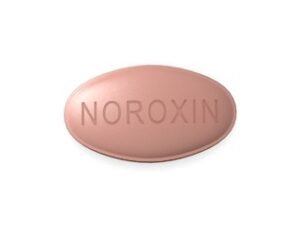
Ampicillin (Acillin) — Patient Information (UK)
Ampicillin (brand name: Acillin) is a penicillin-type antibiotic used to treat certain bacterial infections. This guide explains what it is, how it works, how it is used in the UK, and what to consider for safe, effective treatment.
Always follow the advice of your healthcare professional. Antibiotics are for bacterial infections and will not treat viral illnesses such as colds or flu.
Basic product information
| Feature | Information |
|---|---|
| Generic name | Ampicillin |
| Common brand | Acillin (depending on availability) |
| Drug class | Penicillin antibiotic (aminopenicillin) |
| How it’s supplied | Tablets/capsules and oral formulations; in some settings may also be given by injection or infusion by healthcare services |
| What it treats | Specific bacterial infections susceptible to ampicillin |
| Common side effects | Diarrhoea, nausea, rash (including allergic rash), stomach upset |
How ampicillin works (mechanism of action)
Ampicillin belongs to the beta-lactam class of antibiotics. It works by interfering with the formation of bacterial cell walls. Specifically, it inhibits enzymes (penicillin-binding proteins) needed to build and maintain the cell wall.
This leads to weakened bacterial cell walls and eventually bacterial death. Ampicillin is most effective against bacteria that are susceptible to beta-lactam antibiotics.
Note: Many bacteria can produce enzymes called beta-lactamases that break down penicillins. In such cases, ampicillin may not work unless combined with a beta-lactamase inhibitor (see “Alternative options” below).
Pharmacokinetics (what happens in the body)
Pharmacokinetics describes how the body absorbs, distributes, metabolises, and eliminates a medicine.
- Absorption: Ampicillin is absorbed from the gut, but the degree of absorption can vary between individuals and with food.
- Distribution: It can reach many tissues and body fluids. Distribution to the brain is limited unless the meninges are inflamed (as in some serious infections), which can allow higher penetration.
- Metabolism: Ampicillin is not extensively metabolised in the body.
- Elimination: It is mainly cleared by the kidneys via urine. Kidney function therefore affects exposure and dosing needs.
- Half-life: The elimination half-life is typically several hours and may be longer in people with reduced kidney function.
Your clinician may adjust the dose or dosing interval if you have kidney impairment.
Typical use in the UK
Ampicillin is used for specific bacterial infections where the bacteria are likely to be susceptible. The exact choice of antibiotic depends on:
- the site of infection (e.g., ear, throat, urinary tract)
- the suspected or confirmed organism
- local antimicrobial resistance patterns
- your age, kidney function, allergies, and history of previous antibiotics
In primary care and urgent care settings, antibiotics are chosen carefully to support effective treatment while helping reduce antimicrobial resistance.
Indications (when ampicillin may be used)
Indications may vary according to local guidelines and susceptibility testing. Ampicillin may be considered for infections caused by susceptible organisms, such as:
- Some respiratory tract infections (where bacterial cause and susceptibility are expected)
- Ear, nose, and throat infections in selected cases
- Urinary tract infections caused by susceptible bacteria
- Certain skin and soft tissue infections depending on local susceptibility and severity
- Gastrointestinal infections caused by susceptible organisms (uncommon and dependent on diagnosis)
- Other serious bacterial infections in hospital settings when appropriate
Your healthcare professional will decide whether ampicillin is suitable based on symptoms, examination, and sometimes tests such as a swab, culture, or urine analysis.
Dosing: timing and how to take it
Dosing depends on the infection type, severity, and kidney function. It also varies by age and weight (including children). Because of this, it is important to follow the dosing instructions provided with your specific product.
In general, ampicillin is taken regularly through the day to maintain effective antibiotic levels. Common schedules in adults can include multiple doses daily (for example, every 6 hours), but your regimen may differ.
How to take ampicillin
- Complete the course, even if you start to feel better.
- Space doses evenly as directed.
- Swallow tablets/capsules with water.
- If you are using a liquid formulation, measure carefully with an oral syringe or spoon (kitchen spoons can be inaccurate).
Timing tips
- Try to take doses at similar times each day.
- If a dose is missed, take it when you remember unless it is close to the next dose—then skip the missed dose.
- Do not take a double dose to make up for a missed one.
How soon should it work?
Many bacterial infections begin to improve within 24–48 hours. If you do not feel better, or you feel worse at any point, contact a healthcare professional.
Food interactions and stomach considerations
Food can influence absorption for some antibiotics. For ampicillin, guidance may vary depending on the exact formulation.
- General advice: Take ampicillin as directed on the product label. If the label indicates “with or after food,” follow that to reduce stomach upset.
- Stomach sensitivity: If you experience nausea, taking the next dose with a meal may help.
If you have swallowing difficulties or you are unsure about how to take your specific formulation, speak to a pharmacist.
Alcohol and medicine interactions
Alcohol
Moderate alcohol may not directly “cancel out” ampicillin, but it can worsen side effects such as stomach upset and diarrhoea. It can also impair recovery if your body is fighting infection.
If you choose to drink alcohol while on treatment, keep it light and avoid binge drinking. If you experience severe diarrhoea or feel very unwell, avoid alcohol and seek medical advice.
Other medicines: common interaction considerations
- Allopurinol: Using ampicillin with allopurinol can increase the risk of rash in some people.
- Oral anticoagulants (blood thinners): Antibiotics can sometimes affect blood clotting control indirectly. Monitoring may be required for people on warfarin or similar medicines.
- Probenecid: Probenecid can reduce the renal clearance of penicillins, increasing ampicillin levels.
- Other antibiotics: Combining antibiotics is sometimes appropriate, but not always. Always follow clinician advice.
- Oral contraceptives: The evidence that antibiotics “cancel” the pill is mixed. Most penicillins are not considered to pose a major risk, but diarrhoea/vomiting from any illness or antibiotic can reduce absorption of oral contraceptives. Use extra contraception if you have severe diarrhoea or vomiting.
This is not a full list of interactions. Tell your pharmacist about all medicines you take, including over-the-counter remedies, herbal products, and supplements.
Safety profile: side effects and warnings
Most people tolerate ampicillin well, but side effects can occur. Some reactions can be serious and need urgent attention.
Common side effects
- Diarrhoea
- Nausea or stomach upset
- Rash or itching
- Headache
- Yeast infections (thrush) in some cases
Serious side effects: seek urgent medical help
-
Signs of an allergic reaction (e.g., swelling of face/lips, wheezing, difficulty breathing, severe rash, hives).
If you suspect an allergy, seek urgent help immediately. -
Severe or persistent diarrhoea, especially if watery or with blood, fever, or severe abdominal pain.
This can be a sign of Clostridioides difficile (C. diff). - Unexplained bruising or bleeding, severe fatigue, or unusual infections (rare blood-related effects).
- Severe skin reactions (e.g., blistering, peeling, painful sores).
Who should take extra care?
- People with a history of penicillin allergy or severe reactions to beta-lactam antibiotics
- People with kidney impairment (dose adjustment may be needed)
- Those with previous antibiotic-associated colitis or C. diff history
- People with glandular fever (infectious mononucleosis) may develop a rash when given aminopenicillins
Practical use tips for better outcomes
- Start promptly: begin the antibiotic at the advised time so the infection is treated effectively.
- Take consistently: missing doses can reduce effectiveness.
- Hydrate: drink fluids, especially if you have fever or diarrhoea.
- Manage diarrhoea carefully: mild loose stools may occur; severe diarrhoea needs medical review.
- Keep an eye on improvement: if you’re not improving within 48 hours (or you worsen), contact a clinician.
- Do not share antibiotics: they are tailored to the infection and your situation.
- Store properly: follow storage instructions on the packaging and keep out of reach of children.
Alternative options
If ampicillin is not suitable (for example, due to allergy, resistance patterns, intolerance, or the likely organism), clinicians may consider alternatives. The choice depends strongly on the infection and culture results where available.
- Amoxicillin (similar penicillin class; often used for certain common infections)
- Co-amoxiclav (amoxicillin + clavulanic acid; a beta-lactamase inhibitor)
- Cefalexin or other cephalosporins (only when appropriate and after allergy assessment)
- Macrolides (e.g., clarithromycin or azithromycin) for some respiratory infections, if suitable
- Doxycycline in selected infections
- Other agents depending on susceptibility and severity (hospital-led regimens may differ)
If you’ve previously had an allergic reaction to penicillins, discuss options with a healthcare professional before starting any beta-lactam antibiotic.
Market and legal context in the United Kingdom
In the UK, antibiotics are regulated medicines supplied under the Medicines and Healthcare products Regulatory Agency (MHRA) framework. Availability and supply processes are designed to support safe use, appropriate prescribing, and antimicrobial stewardship.
Guidance in the UK emphasises that antibiotic use should be based on clinical assessment and (where needed) microbiological testing to reduce unnecessary exposure and help limit the spread of antimicrobial resistance.
Online pharmacy supply is expected to follow all relevant UK regulations and safety checks, including patient information and appropriate suitability screening.
Recent guidance and antimicrobial stewardship (overview)
UK health bodies encourage responsible antibiotic use. Key themes include:
- Only use antibiotics when bacterial infection is likely.
- Select the narrowest effective antibiotic and shortest appropriate duration.
- Use local guidance where possible due to resistance patterns.
- Reassess treatment if symptoms do not improve or if new symptoms develop.
If you’re unsure why a particular antibiotic was recommended, asking your pharmacist or clinician can help you understand the plan and ensure safe use.
Delivery and availability (online pharmacy)
Delivery options and lead times can vary by supplier, stock levels, and your location. When ampicillin/Acillin is available, online pharmacies in the UK typically offer:
- Home delivery (often via tracked courier)
- Packaging suitable for medicines and secure handling
- Clear product labelling including strength, directions, and storage instructions
Availability may fluctuate due to manufacturing schedules and national demand. If a specific strength or formulation is temporarily out of stock, a pharmacy may suggest an alternative route (such as contacting the prescriber or checking for equivalent options).
Always check the product name, strength (e.g., number of milligrams per tablet/5 mL for liquids), and expiry date before taking the medicine.
FAQ
1) Is ampicillin the same as Acillin?
Acillin is a brand name that may contain ampicillin. The active ingredient is ampicillin, but always check the label for the exact formulation and strength.
2) Will ampicillin treat a cold or flu?
No. Colds and flu are usually caused by viruses. Ampicillin is effective only against bacteria.
3) How long does it take to start working?
Many bacterial infections show improvement within 24–48 hours. If there is no improvement (or symptoms worsen), contact a healthcare professional.
4) What should I do if I miss a dose?
Take it as soon as you remember if it’s not close to the next dose. If it is close, skip the missed dose. Do not take a double dose.
5) Can I take ampicillin with food?
Follow the instructions on your specific product. Some people find taking it with food reduces stomach upset. If the leaflet says “with food,” follow that advice.
6) Can I drink alcohol while taking ampicillin?
Alcohol may not directly interact with ampicillin in a way that makes it “stop working,” but it can worsen side effects and affect recovery. If possible, avoid or limit alcohol during treatment.
7) What if I develop diarrhoea?
Mild diarrhoea can occur. However, severe diarrhoea, diarrhoea with blood, or diarrhoea with fever or significant abdominal pain should be reported promptly, as it may indicate C. diff.
8) What if I get a rash?
A mild rash can sometimes occur, but any rash along with breathing difficulty, swelling, hives, or widespread blistering could indicate an allergy or serious reaction. Seek urgent medical help if severe symptoms occur.
9) Is ampicillin safe in pregnancy or breastfeeding?
Many penicillin antibiotics are commonly used during pregnancy when clinically needed. Breastfeeding compatibility can depend on the specific situation. Discuss with a healthcare professional to ensure the safest option for you and your baby.
10) Are there any lab tests or monitoring needed?
Often, no routine blood tests are required for short courses. Monitoring may be considered for people with kidney problems, long courses, or those on blood thinners.
When to seek medical advice urgently
Contact urgent care or seek emergency help if you experience:
- difficulty breathing, wheezing, swelling of the face/lips, or collapse
- severe widespread rash or blistering skin
- severe watery diarrhoea, blood in stool, or severe abdominal pain
- significant worsening of symptoms after starting treatment
Always read the patient information leaflet supplied with your medicine for complete details about your specific product, including exact dosing instructions and side effect descriptions.