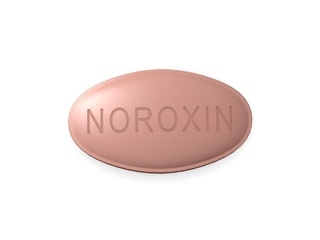
Noroxin (Norfloxacin) — Patient-Friendly Guide (UK)
Noroxin contains norfloxacin, an antibiotic in the fluoroquinolone group. It is used to treat certain bacterial infections by stopping bacteria from multiplying. This guide explains how Noroxin works, how it is typically used, important safety information, and practical tips to help you use your medicine safely and effectively.
Always follow the instructions provided with your medicine and the advice of your healthcare professional. If you are unsure about your particular situation, ask for guidance before taking Noroxin.
1) Basic product information
| Feature | Details |
|---|---|
| Medicine name | Noroxin |
| Active ingredient | Norfloxacin |
| Medicine class | Antibiotic (fluoroquinolone) |
| Common forms | Tablets (strengths vary by product/pack) |
| Who it treats | Adults (usage depends on local guidance and the infection type) |
| Typical use area | Specific bacterial infections, especially urinary tract infections in some circumstances |
Availability in the UK can vary by supplier and prescribing practice. If you cannot find the exact brand, your pharmacist may be able to advise about equivalent products, depending on what is currently authorised and supplied.
2) How Noroxin works (mechanism of action)
Norfloxacin works by targeting key bacterial enzymes needed for DNA replication. Specifically, it inhibits:
- DNA gyrase (topoisomerase II)
- Topoisomerase IV
By blocking these enzymes, norfloxacin prevents bacteria from copying their DNA and multiplying, helping your immune system clear the infection.
Important: Norfloxacin only helps against bacteria. It does not treat infections caused by viruses (such as many colds and flu).
3) Pharmacokinetics (how your body handles it)
Pharmacokinetics describes how a medicine is absorbed, distributed, metabolised, and eliminated. For norfloxacin, key points include:
- Absorption: Norfloxacin is absorbed after oral dosing. Food and certain minerals may affect absorption.
- Distribution: It reaches sites where certain bacteria commonly cause infection, including the urinary tract.
- Elimination: Norfloxacin is cleared mainly through the kidneys, so it is often relevant to urinary infections.
- Effect of kidney function: If you have reduced kidney function, you may need dose adjustments.
Your clinician may tailor the dose and duration based on the infection type, severity, and kidney function.
4) Typical use: when Noroxin is used
In the UK, norfloxacin may be used for specific bacterial infections where it is appropriate and expected to be effective. The exact use can depend on local antimicrobial guidance, resistance patterns, and the patient’s clinical circumstances.
Common indications (general)
Norfloxacin is sometimes used for conditions such as:
- Uncomplicated urinary tract infections in selected situations
- Prostatitis (in adult men, where appropriate)
- Prevention of recurrent infection may be considered in some cases, based on specialist assessment
Your healthcare professional will consider whether norfloxacin is suitable for you based on:
- Likely bacteria and local antibiotic resistance
- Your medical history and allergies
- Other medicines you take
- Kidney function
- Severity and symptoms of the infection
5) Timing and how to take Noroxin
Follow the instructions given with your medicine label. The guidance below is general and may need adjustment for your specific prescription.
Typical dosing schedule
Noroxin regimens vary by indication and infection severity. Common schedules in practice include:
- Twice daily dosing (often morning and evening)
- Sometimes other intervals depending on the intended treatment plan
Choose consistent times: Try to take your doses at roughly the same times each day. If you miss a dose, take it as soon as you remember unless it is close to the next dose.
How long to take it
Finish the course unless your clinician advises otherwise, even if you feel better. Stopping early can allow bacteria to survive and the infection to return.
6) Food interactions: what to know
Diet can affect how well norfloxacin is absorbed and how reliably it reaches target tissues. While exact advice may vary by product and local guidance, the following points are commonly important:
- Avoid taking norfloxacin at the same time as products rich in minerals. This includes certain supplements and foods with high mineral content.
- Separate from antacids and some stomach remedies if they contain aluminium or magnesium.
- Separate from iron, zinc, and calcium supplements (e.g., mineral supplements or multivitamins).
Practical tip: If you take mineral supplements, consider spacing them by a few hours from Noroxin. Your pharmacist can confirm the best spacing for your specific products.
When taking it with food: Some people find taking antibiotics with a light meal reduces stomach upset. However, absorption may be affected by certain foods; if your medicine instructions mention whether it should be taken on an empty stomach, follow that advice.
7) Alcohol interactions and considerations
Norfloxacin is not usually described as having a direct, dangerous interaction with alcohol in the way some medicines do. However, drinking alcohol while you have an infection can:
- Worsen dehydration
- Increase nausea, dizziness, or stomach discomfort
- Make it harder to rest and recover
Recommendation: It is generally best to limit or avoid alcohol while you are unwell and taking antibiotics. If you plan to drink, ask your pharmacist or healthcare professional for personalised advice.
8) Medicine interactions (important)
Norfloxacin can interact with other medicines, supplements, and some medical therapies. Tell your pharmacist or healthcare professional about everything you take, including over-the-counter products.
Common interaction categories
- Minerals and antacids: Products containing aluminium, magnesium, iron, zinc, or calcium can reduce absorption.
- Blood thinning medicines: Some antibiotics can affect bleeding risk. If you take warfarin or other anticoagulants, ask for guidance because monitoring may be needed.
- Diabetes medicines: Fluoroquinolones may affect blood glucose in some people. If you use insulin or oral antidiabetics, monitor closely and seek advice if symptoms occur.
- Other medicines that affect heart rhythm: Medicines that prolong the QT interval may increase risk of rhythm problems.
- Non-steroidal anti-inflammatory drugs (NSAIDs): Some combinations may increase risk of side effects in the nervous system.
What to do
- Keep an up-to-date list of your medicines.
- Check with your pharmacist before starting any new OTC product.
- Do not adjust doses yourself to “make interactions work.”
9) Dosing: typical adult regimen and general adjustments
Dosing depends on the infection being treated, severity, and kidney function. Always use the dose on your medicine label. The information below is general and may not match every individual case.
Typical adult dosing (general)
- Often twice daily for certain urinary infections
- Sometimes longer courses for more complex infections
Kidney impairment: If you have reduced kidney function, your prescriber may reduce the dose or adjust the dosing interval. If you have kidney disease, ensure your clinician knows your latest kidney function results.
How to take tablets
- Swallow with water.
- Follow any instructions regarding taking with/without food.
- Try to complete the course at evenly spaced times.
10) Safety profile: who needs extra caution
Like all medicines, norfloxacin can cause side effects. Most people experience mild effects, but some side effects can be serious. The fluoroquinolone group carries specific safety considerations, so it is important to be aware of warning signs.
Common side effects (may affect some people)
- Nausea
- Stomach discomfort or indigestion
- Headache
- Dizziness
- Changes in bowel habits (e.g., diarrhoea)
- Vaginal yeast infection (in some cases)
Seek urgent medical advice if you get any of the following
- Signs of an allergic reaction: swelling of the face/lips, difficulty breathing, rash or hives.
- Severe or persistent diarrhoea (especially if watery or with blood), or diarrhoea with fever. This can sometimes indicate antibiotic-associated colitis.
- New or worsening tendon pain (often Achilles) or swelling, especially if you are active. Fluoroquinolones can be associated with tendon injury in some people.
- Nerve symptoms: tingling, burning pain, numbness, or weakness. If these occur, contact a clinician promptly.
- Palpitations, fainting, or severe dizziness (possible heart rhythm issues).
- Severe mood or mental health changes (e.g., agitation, confusion, hallucinations).
- Severe dizziness or fainting, especially if accompanied by other concerning symptoms.
If you experience severe symptoms, seek help immediately. Early treatment can make a difference.
Who may be at higher risk of side effects
- Older adults
- People with existing tendon disorders or those who have had tendon problems with quinolones/fluoroquinolones
- People taking medicines that increase QT risk or other rhythm-affecting drugs
- People with neurological conditions
- People with diabetes or at risk of glucose disturbances
- People taking systemic corticosteroids (for example, prednisolone)
11) Practical use tips (to get the best results)
- Start on time: Take the first dose as advised so the antibiotic can begin working promptly.
- Don’t skip doses: Maintaining consistent levels can help improve treatment outcomes.
- Stay hydrated: Drink fluids to support urinary tract comfort unless you have a fluid restriction due to another condition.
- Watch for improvement: Many infections start improving within 24–48 hours, but this varies. If symptoms are not improving, contact your healthcare professional.
- Finish the course: Even if you feel better, complete the planned duration.
- Protect your tendons: If you develop tendon pain, stop strenuous activity and seek medical advice promptly.
Storage: Keep tablets in their original packaging, at room temperature, away from moisture and heat. Keep them out of reach of children.
12) Alternative options for urinary and related infections
Alternative antibiotics may be considered depending on the infection site, severity, the likely bacteria, local antibiotic resistance patterns, and your personal medical factors. Examples (not a complete list) include:
- Nitrofurantoin (often considered for certain uncomplicated urinary tract infections)
- Trimethoprim (where appropriate and if resistance levels allow)
- Amoxicillin or other beta-lactam antibiotics (depending on suspected organisms and allergy history)
- Other fluoroquinolones (used only when appropriate and guided by local policy)
Your clinician will choose the most suitable option. If a previous antibiotic did not work, they may recommend a urine test (culture and sensitivity) to guide therapy.
13) Market and legal context in the UK
Norfloxacin is part of the fluoroquinolone family and is handled within UK medicines regulation. In the UK, antibiotics are managed under antimicrobial stewardship principles to help limit resistance. This means fluoroquinolones may be reserved for specific situations where the benefits outweigh risks.
Guidance in the UK commonly encourages:
- Using the narrowest effective antibiotic
- Considering local resistance data
- Assessing whether watchful waiting, symptomatic treatment, or alternative tests are appropriate
If you are accessing treatment through online pharmacy services, medicine availability can vary and may depend on current supply, authorisation status, and clinical suitability.
14) Recent UK guidance and antimicrobial stewardship (overview)
In the UK, urinary tract infection and related infection management is guided by antimicrobial stewardship recommendations and evidence-based clinical guidance (for example, from professional bodies and national guidance programmes). Key themes include:
- Antibiotics should be used when clearly indicated
- Local antimicrobial resistance patterns matter
- Fluoroquinolones are generally not first-line for many uncomplicated urinary infections due to risk–benefit considerations
- When appropriate, testing (such as urine culture) may help tailor treatment
If you have recurring UTIs or complicated infection history, your healthcare team may adjust the approach and consider prevention strategies.
15) Delivery and availability (UK online pharmacy)
Availability of Noroxin can vary. If it is in stock, UK delivery is commonly arranged to standard postcodes with tracking options. Delivery times depend on supplier dispatch schedules and carrier services.
When ordering online, check:
- Stock status: whether the product is “in stock” or “backorder”
- Dispatch timing: next-day or within a stated timeframe
- Delivery options: standard vs expedited (if offered)
- Packaging: medicine delivered in tamper-evident packaging
If you need advice about alternatives due to limited supply, you can contact the pharmacy support team before ordering.
16) FAQ
Can I take Noroxin with food?
Some people tolerate Noroxin better with food, but absorption can be affected by certain foods and by minerals. Follow the specific instructions on your medicine packaging or label. If you are unsure, ask your pharmacist.
Should I avoid taking antacids or mineral supplements?
Yes—many antacids and mineral supplements can reduce norfloxacin absorption. Common examples include products containing aluminium, magnesium, iron, zinc, or calcium. Ask your pharmacist for the safest spacing schedule.
What should I do if I miss a dose?
Take the missed dose as soon as you remember, unless it is close to the next dose. If it’s near the next scheduled dose, skip the missed dose and continue as normal. Do not double dose to make up for a missed tablet.
How quickly should I feel better?
Many urinary infections begin improving within 24–48 hours, but recovery times vary by infection type and severity. If symptoms worsen or do not improve within a couple of days, contact a healthcare professional.
Is it safe to drink alcohol while taking Noroxin?
While there is usually no direct major interaction, alcohol can worsen side effects and slow recovery. For best results, limit or avoid alcohol while you are unwell and taking the antibiotic.
Who should use extra caution with fluoroquinolones?
Extra caution may be needed for older adults, people with tendon disorders, people taking corticosteroids, those with certain heart rhythm risks, and people with neurological conditions. If any of these apply, discuss risks with your healthcare professional.
Can Noroxin cause diarrhoea?
Yes. Mild diarrhoea can occur. However, seek medical advice urgently if diarrhoea is severe, persistent, watery or bloody, or if you develop fever—especially during or after antibiotic treatment.
What if I feel tingling or burning sensations in my hands or feet?
Nerve-related symptoms can occur with fluoroquinolones. If you experience tingling, numbness, burning pain, or weakness, stop the medicine and seek medical advice promptly.
Are there other treatment options besides Noroxin?
Yes. Alternatives may be considered depending on the infection and your individual circumstances. Your clinician can choose based on likely bacteria and local resistance patterns.
How should I store Noroxin?
Store tablets in the original packaging, at room temperature, away from moisture and heat, and out of sight and reach of children.
17) Summary
Noroxin (norfloxacin) is an antibiotic used for selected bacterial infections, particularly certain urinary tract infections. It works by interfering with bacterial DNA replication, allowing the infection to resolve. To use it effectively, take doses at consistent times, avoid interactions (especially with minerals and certain antacids), and complete the course as directed.
Pay close attention to safety. If you develop symptoms suggestive of allergy, severe diarrhoea, tendon pain, or nerve problems, seek urgent medical advice. If you have concerns or questions, contact your pharmacist or healthcare professional.