Cleocin (Clindamycin) — Patient Information
Cleocin is the brand name for clindamycin, a prescription-only antibiotic used to treat certain bacterial infections. This page explains how clindamycin works, what it’s used for, and important safety information in a clear, patient-friendly way. If you are unsure whether your infection is suitable for treatment with clindamycin, speak to a healthcare professional.
Quick Overview
- Medicine: Cleocin (clindamycin)
- Medicinal type: Antibiotic (lincosamide)
- Used for: Specific bacterial infections, often when certain organisms are likely or other options are unsuitable
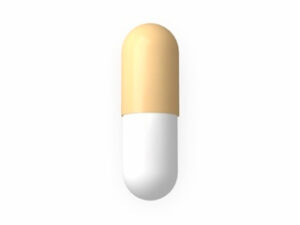
- Common forms: Capsules, oral preparations, and other formulations depending on local supply
- Key safety concern: Risk of Clostridioides difficile (C. difficile) diarrhoea
What is Cleocin (Clindamycin)?
Clindamycin is an antibiotic medicine that works against a range of bacteria. It is used for infections where the likely bacteria are susceptible to clindamycin, including some infections of the skin, dental/respiratory tract, and certain anaerobic (oxygen-free) bacteria-associated infections.
Cleocin contains clindamycin in different strengths depending on the product presentation (for example, capsule strength). Always follow the specific dosing instructions provided for your product and condition.
How Cleocin Works (Mechanism of Action)
Clindamycin works by interfering with bacterial protein production. Specifically, it binds to the 50S ribosomal subunit of susceptible bacteria. This prevents bacteria from making proteins needed for growth and survival.
In many clinical settings, clindamycin has bacteriostatic activity (it stops bacteria from multiplying), though its overall clinical effect depends on the infection site and bacterial susceptibility.
Pharmacokinetics (Absorption, Distribution, Metabolism, Excretion)
While individual responses can vary, the following describes the general behaviour of clindamycin in the body:
- Absorption: Clindamycin is absorbed after oral administration. Absorption is typically adequate, and taking it with food may help reduce stomach upset for some people.
- Distribution: It distributes into many body tissues. It can reach relevant sites of infection (for example, some soft tissues and respiratory secretions), depending on the condition being treated.
- Metabolism: Clindamycin is metabolised primarily in the liver.
- Elimination: Metabolites are eliminated mainly through faeces and urine.
Dosing may need adjustment in certain circumstances (for example, in people with liver impairment). Your clinician will consider your health history and the infection being treated.
Typical Uses in the UK
In the United Kingdom, clindamycin is used for specific bacterial infections. Common indications may include:
- Dental infections and some oral infections
- Skin and soft tissue infections (depending on suspected organism and severity)
- Respiratory tract infections where clindamycin is appropriate
- Infections involving anaerobic bacteria (bacteria that thrive without oxygen), such as certain abscesses
- Bone or joint infections in selected cases, often guided by specialist assessment
The exact indication for your course depends on your diagnosis, local resistance patterns, and medical history. Cleocin should only be used when it is considered suitable for the suspected or confirmed bacteria.
When to Take Cleocin (Timing & Course Length)
Always follow the timetable provided by your healthcare professional or the instructions on your specific pack. Typical practical guidance includes:
- Take at evenly spaced times across the day to maintain effective levels.
- Complete the full course, even if you feel better after a few doses.
- Use the same schedule each day (for example, morning and evening if twice daily).
Missed dose: If you forget a dose, take it as soon as you remember unless it is close to the time for your next dose. Do not take a double dose to make up for the missed one. If you are unsure, ask a pharmacist.
Food Interactions (Can You Take Cleocin With Food?)
Clindamycin can generally be taken with or without food. For many people, taking it with a meal or a snack can help reduce potential stomach discomfort or nausea.
- With food: May improve tolerability.
- Without food: Some people experience more gastrointestinal upset.
If you have a sensitive stomach, consider taking your dose with food. Continue to drink adequate fluids during the course.
Alcohol and Medicine Interactions
Alcohol
There is no universal “absolute” rule that clindamycin must not be taken with alcohol, but it’s generally advisable to limit alcohol while you are unwell and taking antibiotics. Alcohol can worsen stomach upset and may reduce your ability to recover.
Other medicines
Clindamycin can interact with certain medicines and may increase or decrease effects. Important examples include:
- Neuromuscular blocking agents (used during surgery): Clindamycin may have additive effects on neuromuscular transmission in certain settings.
- Antidiarrhoeal medicines: If you develop diarrhoea, it’s important to seek advice before using anti-diarrhoea products, especially if symptoms suggest possible C. difficile infection.
- Other antibiotics: Combining antibiotics may be appropriate in some situations but is not usually done without clinical reason.
- Herbal supplements and supplements: Always disclose them to your pharmacist, as “natural” products can still affect how medicines are handled.
Practical tip: Give your pharmacist or healthcare team a full list of medicines and supplements you take (including over-the-counter products). This helps identify potential interactions.
Dosing Information (General Guidance)
Dosing depends on the type and severity of infection, age, kidney/liver function, and local prescribing guidance. The strength and schedule (for example, how many times per day) are determined by your clinician.
Below is general information to help you understand the concept of dosing. Your personal instructions may differ:
| Factor | What it may affect |
|---|---|
| Infection type (skin, dental, respiratory, etc.) | The usual daily dose and course length |
| Severity and site of infection | How quickly treatment needs to act; may influence duration |
| Age | Dosing may be different for children versus adults |
| Liver function | May require dose review or closer monitoring |
| Other medical conditions | Monitoring for side effects, especially diarrhoea |
Do not change your dose or stop early without medical advice. If you experience significant side effects or symptoms worsen, contact a healthcare professional promptly.
Indications and When Cleocin May Not Be Suitable
Cleocin is intended to treat susceptible bacterial infections. Antibiotics do not work for viral infections such as colds or flu.
Your clinician may decide against clindamycin if:
- The likely bacteria are resistant to clindamycin
- The infection could be viral
- There is a history of significant antibiotic-associated colitis or severe previous reactions
- There are safety concerns based on your medical history
Safety Profile: What to Watch For
Common side effects
Like all medicines, clindamycin can cause side effects. Commonly reported ones include:
- Diarrhoea
- Nausea or indigestion
- Abdominal pain
- Rash or mild skin reactions
- Headache
Serious side effects (seek urgent medical advice)
Some side effects can be serious. Seek prompt medical help if you develop:
- Severe or persistent diarrhoea—especially if watery or bloody—during treatment or in the weeks after stopping. This can be a sign of C. difficile infection.
- Signs of an allergic reaction: swelling of the face/lips, difficulty breathing, severe rash, or blistering skin.
- Severe skin reactions (for example, widespread blistering or peeling).
- Severe weakness, yellowing of the skin/eyes, or dark urine (possible liver-related issues).
If you have symptoms suggesting C. difficile (particularly diarrhoea that is severe, worsening, or occurs after antibiotic use), you should seek medical advice immediately. Do not simply stop treatment without guidance, but do contact a healthcare professional as soon as possible.
Who needs extra caution?
- People with a history of antibiotic-associated colitis
- People with severe gastrointestinal disease
- Those with liver disease (dose review and monitoring may be needed)
- People taking multiple medicines that can affect the gut or immune system
- Older adults or those who are frail may be more vulnerable to dehydration from diarrhoea
Practical Use Tips (Get the Best From Your Treatment)
- Stick to the schedule: Set reminders so doses are taken at consistent intervals.
- Take with food if needed: If you get nausea, try taking the dose with a meal.
- Hydrate during diarrhoea risk: Drink fluids regularly. Seek advice if diarrhoea becomes severe.
- Don’t share antibiotics: Even if someone has similar symptoms, the cause may be different.
- Keep an eye on side effects: If you notice worsening diarrhoea, rash, or allergy signs, contact a professional promptly.
- Inform clinicians if you stop early: If you discontinue for any reason, let them know—this can affect next steps.
If you miss a dose, use the general guidance above and consult a pharmacist if you are unsure. If you take too much by accident, seek advice urgently.
What to Do If You Develop Diarrhoea
Mild stomach upset can happen with antibiotics. However, clindamycin is associated with an increased risk of C. difficile diarrhoea. You should take the following seriously:
- Contact a healthcare professional if diarrhoea is severe, persists, or includes blood/mucus.
- Do not delay medical advice while waiting for symptoms to improve.
- Avoid self-treating diarrhoea with anti-diarrhoea medicines unless a clinician or pharmacist advises it.
- Maintain hydration if you are experiencing diarrhoea.
Alternative Options
Depending on the infection and the likely bacteria, alternative antibiotics may be considered. The “best” option depends on:
- Where the infection is located
- Severity
- Allergies (especially to antibiotics)
- Local antibiotic resistance patterns
- Whether there is evidence of anaerobic bacteria involvement
Alternatives may include other antibiotics within or outside the same class, such as:
- Penicillins (e.g., amoxicillin) in appropriate cases
- Cephalosporins in appropriate cases
- Macrolides (e.g., erythromycin or clarithromycin) where suitable
- Metronidazole for certain anaerobic infections (often in combination depending on the case)
Choice of alternative should be made by a healthcare professional based on your symptoms, history, and test results where available.
UK Market & Legal / Prescribing Context
In the UK, clindamycin-containing products are regulated medicines. Many antibiotics are prescription-only medicines, meaning they are supplied following clinical assessment to ensure correct use.
Antibiotic stewardship is a key part of UK healthcare practice. This helps reduce unnecessary antibiotic use and combats rising antibiotic resistance. Cleocin should be used only when it is appropriate for your diagnosed infection.
The availability of specific formulations and pack sizes can vary between suppliers and over time.
Recent Guidance & Stewardship Considerations
UK guidance on antibiotic use emphasises that:
- Antibiotics should be prescribed only when bacterial infection is likely or confirmed.
- Clinicians should consider local resistance patterns and patient-specific factors.
- Patients should complete the course as directed to prevent relapse and reduce resistance.
- Serious diarrhoea during or after antibiotics must be assessed promptly.
If you have concerns about whether clindamycin is the right antibiotic for you, speak to a pharmacist or clinician rather than stopping treatment abruptly.
Delivery, Availability & Ordering in the UK
Availability can vary by formulation (such as capsule strength) and stock levels at the time of ordering. Many online pharmacies in the UK aim to provide timely dispatch during working days, subject to stock status and any necessary processing.
- Dispatch: Typically processed shortly after payment and verification, depending on the service.
- Delivery times: Depend on the courier option selected and local area.
- Stock status: If an item is temporarily unavailable, a pharmacy may offer an alternative within the same medicine category (where appropriate) or advise on next steps.
For your specific delivery timeline, check the delivery estimates shown at checkout.
FAQ — Cleocin (Clindamycin)
1) What infections is Cleocin used for?
Cleocin (clindamycin) is used to treat specific bacterial infections, particularly where the likely bacteria are susceptible. These can include some skin and soft tissue infections, dental infections, and infections involving anaerobic bacteria, depending on diagnosis and local guidance.
2) How fast will I feel better?
Many people notice improvement within 24–72 hours, but this varies depending on the infection and severity. If symptoms are not improving after a couple of days, or if they worsen, contact a healthcare professional.
3) Can I take Cleocin on an empty stomach?
Yes, clindamycin can generally be taken with or without food. If it upsets your stomach, taking it with a meal or snack may help.
4) Can I drink alcohol while taking Cleocin?
It’s generally best to limit alcohol while you are unwell and on antibiotics. Alcohol may worsen stomach upset and can slow recovery. Ask your pharmacist if you have specific concerns.
5) What should I do if I miss a dose?
Take it as soon as you remember unless it’s nearly time for your next dose. Do not take two doses together. If you’re unsure, contact a pharmacist for advice.
6) How do I know if my diarrhoea is serious?
Seek urgent medical advice if diarrhoea is severe, persistent, watery, or contains blood/mucus, particularly if it occurs during treatment or in the weeks after finishing. Clindamycin can increase the risk of C. difficile infection.
7) Who should avoid clindamycin or get extra advice first?
People with a history of antibiotic-associated colitis (including C. difficile), those with significant liver problems, and anyone with prior allergic reactions to clindamycin or similar antibiotics should seek tailored advice.
8) Are there alternatives if I can’t tolerate Cleocin?
Sometimes a different antibiotic may be considered depending on the infection and your medical history. Never stop treatment without advice—contact a healthcare professional to discuss alternatives.
9) Can I stop the antibiotics early once I feel better?
Do not stop early unless advised. Completing the full course helps reduce the risk of infection returning and helps reduce antibiotic resistance.
10) What should I tell my healthcare professional?
Tell them about:
- All medicines you take (including over-the-counter and supplements)
- Any allergies
- Your medical history, especially gut problems or previous severe antibiotic side effects
- Any symptoms you’ve already developed (including diarrhoea or rash)
Important Final Note
This information is designed to help you understand Cleocin (clindamycin) and how it is typically used. It does not replace medical advice. If you have questions about your specific situation, side effects, or how to take your doses, contact a healthcare professional or pharmacist.