Cefdinir (Oral) – Patient-Friendly Guide (UK)
Cefdinir is an oral antibiotic used to treat certain bacterial infections. This guide explains how it works, how to take it safely, what to expect, and important interaction and safety information. It is written for people in the United Kingdom and uses patient-friendly language.
Basic product information
- Medicine name: Cefdinir
- Type: Antibiotic (cephalosporin)
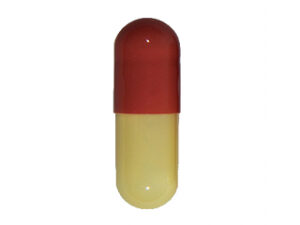
- Route: By mouth (oral capsules/suspension depending on brand and strength)
- Common strengths: Vary by product (your package may contain different strengths for capsules or liquid)
- How it is used: Usually taken for a set number of days depending on the infection
Brand names and presentations vary. Always check your packaging for the exact strength and form you have been given.
How Cefdinir works (mechanism of action)
Cefdinir belongs to the cephalosporin group of antibiotics. It works by interfering with how bacteria build and repair their cell walls. Specifically, it binds to certain bacterial proteins (penicillin-binding proteins), weakening the cell wall so that the bacteria can’t survive or multiply.
Cefdinir is designed to treat infections caused by bacteria that are susceptible to it. It does not treat viral illnesses such as the common cold or most cases of flu.
Pharmacokinetics (how the body handles Cefdinir)
Understanding pharmacokinetics can help you take the medicine correctly and know what to expect.
Absorption
- Cefdinir is absorbed after you swallow it.
- Food effects: Food can reduce the peak concentration slightly, but it does not typically stop absorption. Taking it with food may improve stomach comfort for some people.
Distribution
Cefdinir circulates in the bloodstream and reaches tissues where infections occur. The exact distribution depends on the infection site.
Elimination
- Main route: The kidneys remove cefdinir from the body.
- Kidney function: If you have reduced kidney function, your prescriber may adjust the dose to reduce the risk of side effects.
Time to effect
Many people begin to feel improvement within 24–72 hours, but symptoms may take longer to fully settle. If there is no improvement after a few days, contact a healthcare professional for advice.
What Cefdinir is typically used for (indications)
Cefdinir is used for specific bacterial infections. Common indications may include:
- Respiratory tract infections such as bacterial exacerbations of chronic bronchitis or community-acquired pneumonia (depending on local guidance and susceptibility)
- Ear, nose and throat infections such as otitis media or sinusitis when a cephalosporin is appropriate
- Skin and soft tissue infections in selected cases
- Dental infections in some situations, depending on bacterial susceptibility and clinical assessment
The best antibiotic choice depends on the likely bacteria, local resistance patterns, allergy history (especially penicillin allergy), and your overall health.
How to take Cefdinir (timing and dosing)
Your exact dose and schedule depend on the infection being treated, your age, kidney function, and the product strength. Always follow the instructions on your medicine label.
Typical dosing approach
Cefdinir dosing schedules commonly involve one or two doses per day depending on the presentation and indication. Your prescriber will determine the correct regimen.
General timing tips
- Try to take it at regular times to keep steady levels in your body.
- If it’s twice daily: aim for approximately 12 hours apart.
- If it’s once daily: pick a consistent time each day.
- Finish the full course even if you feel better, unless you are told to stop.
Dosing table (illustrative only)
The table below shows typical adult and child dosing ranges used in practice for cefdinir products; exact dosing must be confirmed by your healthcare team and the specific product leaflet. Do not use this table to calculate your own dose without professional guidance.
| Patient group | Typical regimen (examples) | Notes |
|---|---|---|
| Adults (general examples) | Often once or twice daily depending on indication and strength | Dose may be adjusted for kidney function and infection severity |
| Children (general examples) | Frequently weight-based, often divided into one or two daily doses | Use the measuring device provided for suspensions; confirm the correct strength |
| Kidney impairment | May require dose adjustment or altered schedule | Because cefdinir is cleared by the kidneys, adjustment may reduce side effects |
Food interactions and what to eat
Cefdinir can usually be taken with or without food. However, food interactions can affect how quickly it reaches peak levels.
- With food: May improve comfort for those who feel nauseated.
- Without food: Some people prefer it for simplicity, unless it upsets their stomach.
- Take care with iron and antacids (see below): These are more important interaction concerns than general meals.
Alcohol and medicine interactions
Alcohol is not usually directly known to interact with cefdinir in a way that makes it unsafe for everyone, but avoiding alcohol is often recommended during infections because it may worsen dehydration and delay recovery.
More importantly, certain medicines and supplements can interact with cefdinir’s absorption. The most notable concern relates to iron-containing products and some antacids.
Medicines that may reduce cefdinir absorption
- Iron supplements (including ferrous iron products): may bind cefdinir in the gut and reduce absorption.
- Antacids containing magnesium or aluminium: may affect absorption in some people.
Practical spacing advice
If you take iron supplements or certain antacids, ask your pharmacist for the best timing. As a general approach:
- Consider spacing cefdinir and iron-containing products by a few hours (your pharmacist can advise the exact timing for your regimen).
- If you are unsure, it is safer to use pharmacist guidance rather than guessing, because product formulations differ.
Other interactions to discuss
- Warfarin (and other blood thinners): antibiotics can sometimes affect bleeding tendency through changes in gut bacteria and other factors. Monitoring and advice may be needed.
- Probenecid: can affect antibiotic clearance.
- Other antibiotics or medicines affecting kidney function: may influence overall safety depending on your circumstances.
This is not a complete list. Always tell a healthcare professional about all medicines and supplements you take, including over-the-counter products.
Safety profile: common side effects and when to seek help
Common side effects
Many people tolerate cefdinir well. Common side effects include:
- Diarrhoea (sometimes mild)
- Nausea or stomach discomfort
- Headache
- Rash or mild skin reactions
- Vaginal thrush or other yeast-related symptoms in some people
Less common but important risks
- Severe allergic reactions (anaphylaxis)—seek emergency help if you develop swelling of the face/lips, difficulty breathing, or widespread hives.
- Severe skin reactions—urgent medical attention is needed for blistering, peeling skin, or sores in the mouth/eyes.
- Clostridioides difficile (C. diff) diarrhoea—seek urgent advice if you develop persistent watery diarrhoea, abdominal cramps, fever, or blood/mucus in stool during or after antibiotics.
What to do if you get side effects
- If side effects are mild, continue as directed unless you are told otherwise.
- Stay hydrated if you have diarrhoea.
- If diarrhoea is severe, persistent, or contains blood, contact urgent medical services.
Who should take extra care
- History of allergy to cefdinir, other cephalosporins, or severe penicillin allergies
- Previous C. difficile infection
- Kidney problems (dose adjustment may be needed)
- Pregnancy or breastfeeding: discuss with a healthcare professional for the best option and reassurance
Practical use tips (making treatment easier)
- Set reminders so doses are not missed.
- Use the right measuring device for suspensions; kitchen spoons are inaccurate.
- Shake the bottle of liquid if the label/leaflet instructs you to do so.
- Store correctly: follow the package directions (temperature, protection from light where specified).
- Track your course: tick off doses on a calendar to help you finish properly.
- Don’t share antibiotics: they are chosen based on the infection and your individual risk factors.
When to expect improvement and when to contact a clinician
With appropriate bacterial infection, symptoms often begin to improve within 1–3 days.
- Contact your healthcare professional if symptoms worsen, you develop a new rash, or you are not improving after a few days.
- Seek urgent care if you have breathing difficulties, severe allergic symptoms, severe blistering rash, or severe/persistent diarrhoea.
Alternative options (what else may be considered)
Alternative antibiotics may be selected depending on the infection, local resistance patterns, and your medical history (including allergies). Alternatives may include other beta-lactams (penicillins, other cephalosporins), macrolides, or other antibiotic classes.
Your clinician will choose the most appropriate option based on:
- Likely bacteria and site of infection
- Susceptibility information and local guidance
- Allergy history
- Kidney or liver function
- Previous antibiotic use (to reduce resistance risk)
If cefdinir is not suitable, another antibiotic or a different management approach may be recommended. For viral illnesses, supportive care may be more appropriate.
UK market and legal context (antibiotic stewardship)
Antibiotics are important medicines, but their use needs to be appropriate to help reduce antimicrobial resistance. In the United Kingdom, antibiotic prescribing is guided by clinical evidence and antimicrobial stewardship principles.
Cefdinir is an established antibiotic product available through regulated pharmacy supply chains. The availability of specific presentations (capsules versus liquid) may vary by supplier.
Recent guidance (what matters for patients)
UK guidance on antibiotic use generally emphasises:
- Only use antibiotics when they are likely to help (bacterial infections)
- Complete the prescribed course unless advised to stop
- Do not request antibiotics for viral illnesses (such as most colds and flu)
- Review if symptoms don’t improve or if complications occur
If you are unsure whether your illness is bacterial, speak with a pharmacist or clinician.
Delivery and availability in the UK
Online pharmacies in the UK may offer home delivery for eligible medicines depending on supply availability and regulatory requirements. Stock can vary by formulation and strength (especially liquid presentations).
- Dispatch times: typically based on order timing and stock status.
- Packaging: medicines are usually supplied in manufacturer-approved packaging with clear instructions.
- Substitution: some products may be substituted only if permitted and equivalent (this depends on the pharmacy and regulations).
If a specific strength or liquid form is not immediately available, your pharmacy may contact you with alternatives or delivery estimates. Delivery options (standard/express) depend on the provider.
FAQ about Cefdinir
1) Is Cefdinir the right antibiotic for my symptoms?
Cefdinir treats specific bacterial infections. Whether it is suitable depends on the diagnosis and likely bacteria. If your symptoms could be viral, antibiotic treatment may not help. If you’re unsure, contact a pharmacist or clinician for advice.
2) How quickly should I feel better?
Many people notice improvement within 1–3 days. If you do not improve after a few days, or if symptoms worsen, seek medical advice.
3) Can I take Cefdinir with food?
Yes, cefdinir can usually be taken with or without food. If you have nausea or stomach upset, taking it with food may help.
4) Can I take iron supplements while on Cefdinir?
Iron can reduce cefdinir absorption. Arrange timing with your pharmacist (do not stop iron if it is prescribed for a condition, but ensure the spacing is appropriate).
5) Should I avoid alcohol?
There is no universal “complete ban” for all people, but it’s sensible to avoid or limit alcohol while you’re unwell. If you drink, ensure you are hydrated and seek advice if you develop severe symptoms.
6) What if I miss a dose?
If you miss a dose, take it when you remember unless it is close to the next dose. Do not take a double dose to make up for a missed one. If you’re unsure, ask your pharmacist.
7) Can Cefdinir cause diarrhoea?
Yes. Mild diarrhoea can occur. However, seek urgent medical advice if diarrhoea is severe, persistent, or includes blood/mucus, or if you develop fever and abdominal pain.
8) Is Cefdinir safe if I have kidney problems?
Because cefdinir is cleared by the kidneys, dose adjustment may be necessary. Inform a healthcare professional about any kidney disease.
9) What about allergy—what should I watch for?
Watch for signs of serious allergy such as rash with swelling of the face/lips, breathing difficulty, or widespread hives. In such cases, seek emergency medical help.
10) What medicines should I tell my pharmacist about?
Tell your pharmacist about all medicines and supplements you take, especially iron preparations, antacids, blood thinners (e.g., warfarin), and any medicines that affect kidney function.
Summary
Cefdinir is an oral cephalosporin antibiotic used to treat certain bacterial infections. It works by disrupting bacterial cell wall formation. Taking it correctly—often at regular times and with attention to food-related interactions like iron—helps treatment work effectively. Many people experience mild side effects, but seek urgent help for severe allergic reactions or signs of serious diarrhoea.
For personalised advice, speak to a pharmacist or clinician—especially if you have a history of drug allergies, kidney problems, or you are taking other medicines.