Minocin (Minocycline hydrochloride) – Patient Guide (UK)
Minocin contains minocycline hydrochloride, an antibiotic medicine from the tetracycline group. It is used to treat a range of bacterial infections and, in some cases, inflammatory skin conditions caused or worsened by bacteria.
This guide explains how Minocin works, how it is typically used, key safety information, and practical tips to help you get the best results. It is written for people in the United Kingdom.
Quick product information
| Item | Information |
|---|---|
| Active ingredient | Minocycline hydrochloride |
| Medicine type | Tetracycline antibiotic |
| Common uses | Bacterial infections (e.g., respiratory, skin), and sometimes specific acne-related conditions as directed |
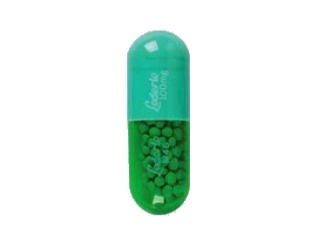
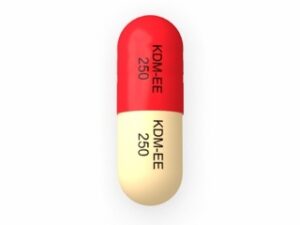
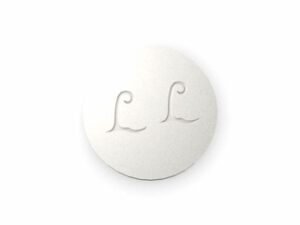
| Typical form(s) | Tablets/capsules (strengths vary by product) |
| How it works | Stops bacteria from making the proteins they need to grow and multiply |
| Key cautions | Sun sensitivity, pregnancy/infants, drug interactions (e.g., antacids/iron), liver effects (rare) |
How Minocin works (mechanism of action)
Minocycline is a broad-spectrum antibiotic. It works by binding to the bacterial 30S ribosomal subunit. This blocks the production of essential bacterial proteins, stopping bacteria from growing and reproducing.
In addition to its antibacterial effects, minocycline may have anti-inflammatory activity that can be helpful in certain skin conditions where inflammation and bacterial involvement occur.
Pharmacokinetics (how the body handles Minocin)
Pharmacokinetics describes what happens to a medicine in the body: absorption, distribution, metabolism, and elimination.
- Absorption: Minocycline is absorbed from the gastrointestinal tract. Absorption can be reduced by certain minerals.
- Distribution: It distributes into many tissues, including skin and respiratory secretions. It can cross membranes and reach therapeutic concentrations in target sites.
- Metabolism: Minocycline is partly metabolised in the liver.
- Elimination: Minocycline is eliminated mainly via the kidneys and also through other routes.
Practical takeaway: Consistent dosing and avoiding interaction foods/supplements (e.g., high-calcium/antacid products) can help you get reliable absorption.
What Minocin is used for (indications in the UK)
Minocin is used for bacterial infections and certain skin conditions where minocycline is appropriate. The exact appropriateness depends on the local guideline, your history, severity, and how well the bacteria may respond to tetracyclines.
Common indications may include:
- Respiratory tract infections caused by susceptible organisms (for example, certain bronchitis or pneumonia cases where suitable).
- Skin and soft tissue infections caused by susceptible bacteria.
- Acne and acne-related inflammatory conditions where an antibiotic/anti-inflammatory effect is considered appropriate.
- Other specific bacterial infections depending on the organism and treatment plan.
Important: Minocycline is not effective against viral illnesses such as colds or flu. It works only when the cause is susceptible bacteria.
Typical timing and how to take Minocin
Minocin dosing schedules vary by the condition and patient factors. Follow the instructions given with your medicine. If you are unsure, ask a pharmacist.
General guidance:
- Take Minocin at the same times each day to maintain steady antibiotic levels.
- Swallow tablets/capsules with water. Do not lie down immediately after taking (see “Practical use tips”).
- Keep taking it for the full course as directed, even if you feel better early.
Timing with meals: Minocin may be taken with food if it upsets your stomach, but avoid interactions with minerals (see below).
Dosing (general information)
Dose depends on the specific condition, your age, kidney/liver function, and local prescribing practice. Strengths differ between products.
Typical adult dosing patterns may include:
- Once or twice daily regimens for many indications
- Lower or adjusted doses in some situations, including longer-term skin conditions
Children: Minocycline use in children is more restricted and depends on age and clinical need due to tetracycline-class risks.
Missed dose: If you miss a dose, take it when you remember unless it is close to the next dose. Do not take a double dose.
Stop early: Stopping early may allow infection to return or may contribute to antibiotic resistance. Seek advice before stopping.
Food interactions and what to avoid
Food and supplements can affect minocycline absorption. Some substances bind tetracyclines in the gut or reduce absorption.
Common food/supplement interactions
- Antacids containing aluminium, magnesium (or medicines that neutralise stomach acid)
- Iron supplements and zinc supplements
- Calcium supplements (e.g., some tablets) and products rich in certain minerals
- Dietary supplements that contain minerals (especially iron, magnesium, zinc)
- Multivitamins with minerals
How to separate doses
A common practical approach is to separate Minocin from mineral-containing products by several hours. Your pharmacist can advise the best interval for your specific products.
Note on dairy: Minocin may be taken with food, but large amounts of calcium-rich foods or mineral supplements around the dose may reduce absorption. If you notice stomach upset, taking with a light meal can help, while still keeping mineral supplements well apart.
Alcohol interactions
Moderate alcohol may not directly “cancel out” minocycline, but alcohol can affect how your body tolerates the medicine.
- Avoid heavy alcohol intake while on treatment, especially if you notice dizziness, nausea, or signs of liver irritation.
- If you develop unusual fatigue, dark urine, yellowing of eyes/skin, or severe abdominal pain, seek medical help promptly.
Practical advice: If you drink alcohol, do so moderately and pay attention to how you feel.
Interactions with other medicines
Minocin can interact with other medicines, altering effectiveness or increasing side effects. Always tell a pharmacist about all medicines and supplements you use, including over-the-counter products.
Examples of important interactions
- Antacids and mineral supplements (aluminium/magnesium, iron, zinc): can reduce absorption.
- Other tetracyclines: avoid combining without advice.
- Oral anticoagulants (e.g., warfarin): antibiotic therapy can increase bleeding risk in some cases—monitoring may be needed.
- Retinoids (for acne, such as isotretinoin): combined use may increase risk of certain severe side effects (headache/raised pressure symptoms).
- Diuretics and other liver-affecting medicines: may affect tolerability in liver-sensitive individuals.
- Drugs that strongly affect the gut or liver: may change minocycline levels.
Always check: if you start a new medicine, including herbal products, ask whether it may interact.
Safety profile and important precautions
Like all medicines, Minocin can cause side effects. Many people tolerate it well, but some reactions require urgent attention.
Common side effects
- Nausea, stomach upset
- Diarrhoea (mild cases may occur)
- Headache
- Dizziness (particularly early in treatment)
- Skin sensitivity to sunlight (sunburn more easily)
Less common but serious risks
- Allergic reactions: swelling of face/lips, wheezing, rash with breathing difficulty—seek urgent help.
- Severe diarrhoea: if diarrhoea is persistent, watery, or contains blood/mucus, seek urgent medical advice (antibiotic-associated colitis can occur).
- Liver problems: rare but important. Look out for yellowing of eyes/skin, dark urine, severe fatigue, or upper abdominal pain.
- Raised pressure inside the skull (rare): severe headache, blurred vision, or persistent vomiting may require urgent review.
- Serious skin reactions (rare): blistering rash or skin peeling—urgent assessment is needed.
Sun sensitivity
Minocycline can make your skin more sensitive to sunlight. To reduce risk:
- Use high-protection sunscreen (SPF 30+)
- Wear protective clothing when outdoors
- Avoid prolonged direct sun exposure
Pregnancy, breastfeeding, and children
- Pregnancy: Tetracycline-class medicines can affect fetal development. Minocycline is generally avoided unless specifically advised by a clinician.
- Breastfeeding: tetracyclines are typically avoided due to potential effects on the infant’s developing teeth/bone and other concerns.
- Children: minocycline may be restricted depending on age; risks include teeth discolouration and effects on developing bone.
Always seek advice if you are pregnant, trying to conceive, breastfeeding, or treating a child.
Practical use tips (to improve comfort and outcomes)
- Take with water: Swallow with a full glass to reduce irritation.
- Stay upright: Avoid lying down for at least 30 minutes after taking to reduce the chance of irritation to the oesophagus.
- Manage stomach upset: If Minocin upsets your stomach, taking it with a light meal may help (avoid mineral supplements at the same time).
- Complete the course: Do not stop early unless advised.
- Hydration: Drink water regularly, especially if you experience mild digestive side effects.
- Sun protection: Plan for sun avoidance/protection early in treatment.
- Track side effects: If dizziness or headaches occur, note when they happen and inform a pharmacist if they persist.
Alternative options
Depending on the infection or skin condition, prescribers may consider other antibiotic classes or non-antibiotic treatments. Alternatives vary by diagnosis, organism susceptibility, and your medical history.
Possible alternatives may include:
- Other tetracyclines (e.g., doxycycline) when a similar antibiotic approach is appropriate.
- Macrolides (e.g., azithromycin/erythromycin) for certain infections where suitable.
- Penicillins or cephalosporins for susceptible bacteria, depending on allergy status and local guidance.
- For acne/inflammatory skin conditions: topical treatments (e.g., benzoyl peroxide, topical retinoids), hormonal therapies (in eligible patients), or other specialist options.
If you are considering alternatives, a pharmacist can discuss suitability and typical differences in dosing and side effects.
UK market and legal context (overview)
In the UK, antibiotics and antibiotic-containing medicines such as minocycline are regulated medicines. Supply is typically managed through authorised healthcare pathways to support safe use, appropriate selection, and antimicrobial stewardship.
Pharmacies may provide Minocin only when requirements are met by relevant UK regulations and local policies, which can include prescribing and patient assessment where required.
Antimicrobial stewardship matters: using antibiotics only when needed, at the right dose and duration, helps reduce resistance and protects future effectiveness.
Recent guidance and what it means for you
UK antimicrobial guidance continues to emphasise:
- Appropriate selection based on likely bacteria and local resistance patterns
- Correct duration (avoid unnecessary prolonged courses)
- Review if not improving (seek advice if symptoms worsen or do not improve within the expected timeframe)
- Recognising side effects early, especially severe diarrhoea, allergic reactions, or signs of liver problems
For acne-related use, dermatology guidance often encourages combining antibiotics with topical maintenance therapy to reduce reliance on oral antibiotics and limit resistance risk.
Delivery and availability (UK online pharmacy)
Availability and delivery times can vary by supplier and stock status. Many online pharmacies offer:
- Standard delivery (typically 1–3 working days, depending on location)
- Tracked delivery options
- Cold-chain is generally not required for Minocin tablets/capsules
What to check before ordering:
- That the product strength and form match the instructions you’ve been given
- That the expiry date is suitable
- Delivery address details and contact information for tracked shipments
If you need urgent treatment or are unsure whether Minocin is the right medicine for your condition, speak to a healthcare professional or a pharmacist promptly.
FAQ – Frequently asked questions
1) How quickly will Minocin start working?
For bacterial infections, some improvement may be noticed within 24–72 hours, but this depends on the infection type and severity. Skin conditions may take longer to show clear improvement (often several weeks).
2) Can I take Minocin with food?
Yes, Minocin can usually be taken with food, especially if it upsets your stomach. However, keep mineral-containing supplements (iron, zinc, magnesium/aluminium antacids, calcium supplements) separated from your dose where possible.
3) What should I do if I miss a dose?
Take it when you remember unless the next dose is close. Do not take a double dose. If you’re unsure, ask a pharmacist for advice.
4) Is it safe to take Minocin in the sun?
You should be cautious. Minocycline may increase sun sensitivity. Use sunscreen, cover up, and avoid prolonged direct sunlight.
5) Can I drink alcohol while taking Minocin?
Moderate alcohol may be tolerated by some people, but it is best to avoid heavy drinking. Seek medical advice if you experience symptoms that could suggest liver irritation or severe side effects.
6) Why can mineral supplements affect Minocin?
Minerals can bind tetracyclines in the gut, reducing absorption and weakening effectiveness. Separate mineral-containing products from your Minocin dose.
7) What side effects mean I should stop and get help urgently?
Get urgent help if you develop signs of an allergic reaction (e.g., swelling, breathing difficulty), severe or persistent diarrhoea (especially with blood/mucus), blistering skin reactions, or symptoms of liver problems (yellow skin/eyes, dark urine, severe fatigue).
8) Can Minocin be used for acne?
Minocycline may be used for acne or acne-related inflammatory conditions where appropriate. Many plans also use topical therapies to reduce antibiotic reliance and improve results.
9) How should I store Minocin?
Store according to the instructions on the pack (typically at room temperature, away from excess heat and moisture) and keep out of reach of children.
10) Are there alternatives if I cannot take Minocin?
Yes. Depending on your diagnosis and medical history, options may include other antibiotic choices, non-antibiotic treatments for skin conditions, or different approaches based on culture/testing and guidance.
Disclaimer: This information is for general patient education and does not replace medical advice. If you have concerns about suitability, interactions, or side effects, speak to a pharmacist or healthcare professional.