

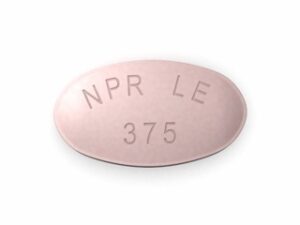
Motrin (Ibuprofen) – Patient-Friendly Guide (UK)
Motrin contains ibuprofen, a widely used medicine for pain, inflammation, and fever. This guide explains how ibuprofen works, how it’s typically used in the UK, how to take it safely, what to watch for, and what options may be suitable if ibuprofen isn’t right for you.
Important: This information is for general guidance. Always read the patient information leaflet supplied with your product and follow your pharmacist or healthcare professional’s advice.
1) Basic product information
Active ingredient: Ibuprofen
Medicine type: Non-steroidal anti-inflammatory drug (NSAID)
Common forms: Tablets or capsules; some products include liquid preparations depending on brand and strength.
Strength: Varies by product (for example, 200 mg or other strengths).
Typical use: Short-term relief of pain and fever; anti-inflammatory effect for certain conditions.
| Feature | What to expect |
|---|---|
| Class | NSAID (non-steroidal anti-inflammatory drug) |
| Key effects | Pain relief, fever reduction, anti-inflammatory action |
| Common indications | Headache, period pain, dental pain, musculoskeletal pain, cold/flu symptoms with fever |
| How it’s taken | Oral tablets/capsules (follow product strength and directions) |
| Typical duration | For short-term self-care; if symptoms persist, seek advice |
2) How Motrin (ibuprofen) works (mechanism of action)
Ibuprofen belongs to a group of medicines called NSAIDs. It reduces pain and inflammation by blocking enzymes called cyclo-oxygenases (COX-1 and COX-2). This lowers production of prostaglandins, chemicals in the body that contribute to:
- Pain (inflammatory and non-inflammatory pain pathways)
- Inflammation (swelling and tissue irritation)
- Fever (temperature set-point in the brain)
The anti-inflammatory and pain-relieving effects can start within about 30–60 minutes for many people, depending on the formulation and whether it’s taken with food.
3) Pharmacokinetics (how the body handles ibuprofen)
Pharmacokinetics describes how the medicine is absorbed, distributed, metabolised, and eliminated. While individual responses vary, typical patterns for ibuprofen include:
- Absorption: Ibuprofen is absorbed through the stomach and intestines. Taking it with food may slow absorption slightly but often improves stomach tolerance.
- Onset: Effects are often felt within about an hour.
- Metabolism: The liver breaks ibuprofen down into metabolites.
- Elimination: Metabolites are removed mainly through the kidneys (urine).
- Duration: In many adults, dosing is spaced to maintain symptom control (commonly every 6–8 hours, depending on product instructions).
Because ibuprofen is metabolised by the liver and cleared by the kidneys, people with significant liver or kidney impairment may need extra caution or alternative treatment. If you have kidney or liver problems, speak to a pharmacist for advice.
4) Typical uses in the UK (indications)
Ibuprofen is commonly used for short-term relief of:
- Pain: headaches, migraine-related pain (where appropriate), dental pain, sore throat pain, back/neck pain, sprains and strains, muscle aches, period pain (dysmenorrhoea)
- Inflammation: some inflammatory musculoskeletal conditions (as advised)
- Fever and flu-like symptoms: helps reduce temperature and relieve aches associated with colds and flu
The exact wording of indications can vary by product strength and formulation. Always follow the leaflet for your specific Motrin product.
5) When and how to take Motrin (timing and dosing)
The right dose depends on your age, the strength of the product you buy, and the reason you’re taking it. If you’re unsure, check the box/leaflet or ask a pharmacist.
Typical adult dosing (general guidance)
Many over-the-counter ibuprofen products in the UK use dosing schedules that are repeated as needed. A common approach is:
- Adults: take according to the product instructions (often 200 mg–400 mg per dose), with doses spaced at least 6 hours apart.
- Do not exceed the maximum daily amount stated on the packaging/leaflet.
For children: dosing depends on age and weight and must follow the specific product instructions. Many ibuprofen products are available for children in different strengths. If you’re giving it to a child, use the dosing guidance on the packaging and consult a pharmacist if unsure.
Timing tips
- For pain: take when symptoms start. If pain returns, follow the dosing interval on the pack.
- For period pain: some people find it helps to take ibuprofen at the onset of symptoms (or just before), if appropriate for them.
- For fever: use to bring temperature down and relieve discomfort; if fever persists, seek advice.
- Avoid doubling up: don’t take multiple NSAID products together (for example, ibuprofen plus another NSAID) unless a clinician tells you to.
6) Food interactions and stomach comfort
Ibuprofen can irritate the stomach in some people. Taking it with food can reduce the chance of stomach upset.
- With meals: often better tolerated.
- Empty stomach: may increase risk of indigestion, heartburn, nausea, or stomach pain.
- Hydration: drink water with each dose.
If you have a history of stomach ulcers or gastrointestinal bleeding, or you’re at higher risk, ibuprofen may not be suitable. Seek pharmacist or doctor advice before use.
7) Alcohol and medicine interactions
Alcohol
It’s generally recommended to use caution with alcohol when taking NSAIDs. Combining alcohol with ibuprofen may increase the risk of stomach irritation and bleeding.
- Avoid heavy alcohol intake while you’re using ibuprofen.
- If you notice stomach pain, black/tarry stools, vomiting blood, or unusual bruising, stop and seek medical advice urgently.
Common medicine interactions (important)
Ibuprofen can interact with other medicines. The below list highlights frequent interaction concerns; it’s not exhaustive.
- Other NSAIDs: avoid taking ibuprofen together with naproxen, diclofenac, or aspirin for pain relief (unless specifically advised).
- Anticoagulants (blood thinners): e.g., warfarin; increased bleeding risk.
- Antiplatelet medicines: e.g., clopidogrel; can increase bleeding risk.
- Corticosteroids: e.g., prednisolone; increased gastrointestinal risk.
- SSRIs/SNRIs (antidepressants): e.g., sertraline; may increase bleeding risk when combined with NSAIDs.
- Diuretics (water tablets): e.g., furosemide; can affect kidney function when combined.
- ACE inhibitors / ARBs (blood pressure medicines): e.g., ramipril, losartan; NSAIDs can impact kidney function and reduce antihypertensive effect in some cases.
- Lithium: NSAIDs can raise lithium levels, increasing toxicity risk.
- Methotrexate: NSAIDs can increase methotrexate levels and toxicity (particularly at higher doses).
- Digoxin: may increase digoxin levels in some situations.
- Probenecid: can increase ibuprofen levels.
- Diabetes medicines: monitor as appropriate (some people may need adjustments or closer monitoring).
If you take regular medicines, or you’re unsure whether something you take could interact with ibuprofen, speak to a pharmacist before use.
8) Safety profile: who should be cautious or avoid Motrin
Most people can take ibuprofen safely for short periods when used correctly. However, like all medicines, it can cause side effects, and some groups need extra caution.
Seek advice before taking ibuprofen if you:
- Have a history of stomach ulcers or gastrointestinal bleeding
- Have kidney disease or reduced kidney function
- Have heart disease, a history of stroke, or uncontrolled high blood pressure
- Have asthma that is triggered by aspirin or NSAIDs
- Have liver disease
- Have certain blood disorders or are taking medicines that affect bleeding
- Are pregnant (especially later pregnancy—see below)
- Are dehydrated (for example, vomiting/diarrhoea)—this can increase kidney risk
Pregnancy (UK general guidance)
If you are pregnant, seek advice before using ibuprofen. In general, NSAIDs are avoided in the later stages of pregnancy. If you think you might be pregnant, check with a healthcare professional or pharmacist before taking Motrin.
Common side effects
- Indigestion, heartburn, nausea
- Stomach pain or discomfort
- Headache or dizziness (less common)
- Rash (some people)
Serious warning signs (stop and seek urgent medical advice)
- Signs of severe allergic reaction (swelling of face/lips, trouble breathing, wheezing, severe rash)
- Black/tarry stools, blood in vomit, or vomiting blood
- Unexplained severe stomach pain
- Chest pain, sudden weakness, or breathing difficulties
- Marked reduction in urination or signs of kidney problems
If you experience any of these, urgent care may be required.
9) Practical tips for safe use
- Use the lowest effective dose for the shortest time that controls your symptoms.
- Follow the interval on the pack and don’t exceed the maximum daily dose.
- Take with food if your stomach is sensitive.
- Avoid combining NSAIDs unless specifically directed by a clinician.
- Check label strength—200 mg tablets are not the same as higher-strength variants.
- Keep track of doses if you’re alternating or using other symptom medicines.
- Consider non-medicine measures: rest, gentle stretching for muscle pain, hydration for fever, and applying heat/cold packs as appropriate.
- For children: use the child-specific product and correct dosing instrument (where provided). Never guess dosing.
10) Alternative options if Motrin isn’t suitable
If ibuprofen doesn’t suit you or your symptoms persist, there may be alternatives depending on your condition and medical history.
Common alternatives
- Paracetamol (acetaminophen): often used for pain and fever; it doesn’t have the same anti-inflammatory effect as ibuprofen and may be gentler on the stomach for many people.
- Other NSAIDs: some people are prescribed or use different NSAIDs, but switching should be guided by professional advice if risk factors apply.
- Topical options: for localized joint or muscle pain, some topical anti-inflammatory gels can help reduce systemic exposure.
- Non-drug approaches: rest, physiotherapy exercises, heat/cold therapy, and addressing underlying causes (e.g., dental issues).
If your pain is severe, recurrent, or lasts more than a few days, or if fever persists, seek advice rather than continuing self-treatment indefinitely.
11) Market and legal context in the United Kingdom
In the UK, ibuprofen is available both as over-the-counter self-care medicine for common conditions and in various pack sizes and strengths. Availability may depend on the product’s classification, strength, and formulation.
- Regulation: Medicines in the UK are regulated for safety, quality, and effectiveness, and must meet applicable standards for marketing and distribution.
- Packaging and labelling: UK consumer products carry information about dosage, contraindications, warnings, and maximum daily limits.
- Pharmacy involvement: Pharmacists may advise on suitability, particularly for people with medical conditions or those taking multiple medicines.
If you’re purchasing online, reputable suppliers provide clear product details and appropriate safeguards.
12) Recent guidance and public safety messages (UK context)
Guidance on NSAIDs for the public often emphasises:
- Use the correct dose and do not exceed maximum daily amounts.
- Check for interactions with blood thinners, steroids, other NSAIDs, and certain antidepressants.
- Be cautious with stomach and kidney risks, especially in older adults or those with existing risk factors.
- Consult a healthcare professional if symptoms persist or worsen.
Always follow the directions on your specific Motrin pack and seek advice if you are uncertain.
13) Delivery and availability
Motrin (ibuprofen) is commonly available through UK pharmacy supply chains. Online pharmacies typically offer:
- Standard and express delivery options (depending on the supplier and your location)
- Secure packaging to protect tablets/capsules during transit
- Tracking information in many cases
- Estimated dispatch times shown at checkout
Availability may vary by strength and pack size, so it’s helpful to check the product listing for current stock status and delivery estimates.
14) FAQ – Motrin (Ibuprofen) in the UK
How quickly does Motrin (ibuprofen) work?
Many people notice relief within about 30–60 minutes. Taking it with food may slow absorption slightly, but can help reduce stomach upset.
Can I take Motrin with food?
Yes. Taking ibuprofen with food or milk may reduce the chance of stomach irritation. If your pack instructions allow it, choose a time that’s easiest for your stomach.
How often can I take ibuprofen?
Follow the dosing interval on your product label. Commonly, doses are spaced at least 6–8 hours apart in adults, but the exact interval and maximum daily dose depend on the strength you’re using.
What happens if I accidentally take too much?
Taking more than the recommended dose can increase the risk of serious side effects, including stomach bleeding or kidney problems. If you suspect an overdose, seek urgent medical advice immediately (or contact NHS services for guidance).
Can I take ibuprofen with paracetamol?
Many people use paracetamol and ibuprofen together at different times for pain/fever, because they work differently. However, it’s important to follow each product’s label instructions and avoid exceeding recommended amounts. If you’re unsure, ask a pharmacist.
Is it safe to drink alcohol while taking Motrin?
Use caution. Alcohol can increase the risk of stomach irritation and bleeding when combined with NSAIDs. It’s best to limit or avoid alcohol while using ibuprofen.
Who should not take ibuprofen?
Avoid or seek advice first if you have a history of stomach ulcers/bleeding, certain kidney or heart problems, NSAID-triggered asthma, or if you’re pregnant (particularly later pregnancy). Also be cautious if you take blood thinners or other medicines that increase bleeding risk.
Can ibuprofen help period pain?
Yes. Ibuprofen can be effective for period pain because it reduces inflammation-related prostaglandins. Taking it early in symptoms may help some people. Follow pack instructions and maximum dosing limits.
How long should I take it?
Use it for the shortest time needed to control symptoms. If pain or fever continues beyond a few days, or gets worse, seek medical or pharmacy advice to identify the cause.
Does ibuprofen affect the stomach?
It can. Indigestion and stomach upset are relatively common. More serious issues (like ulceration or bleeding) are less common but important. Take with food if possible, avoid alcohol, and stop and seek urgent advice for warning signs such as black stools or vomiting blood.
Is Motrin suitable for children?
Ibuprofen can be used in children depending on age and weight, but dosing must be specific and based on the child’s circumstances and the product strength. Use a child-appropriate formulation and consult a pharmacist if you’re unsure.
What if I’m already taking medicines for blood pressure or blood thinning?
This may increase interaction risks. Ibuprofen can affect kidney function and may increase bleeding risk when combined with anticoagulants/antiplatelets. Ask a pharmacist for advice before use.
Summary
Motrin (ibuprofen) is an NSAID used in the UK to relieve pain, reduce fever, and help with inflammation. When taken correctly—using the right dose, at the right intervals, and for the shortest duration—many people find it effective for everyday aches and fevers. However, ibuprofen isn’t suitable for everyone, especially those with stomach ulcers/bleeding risk, certain kidney or heart conditions, NSAID-sensitive asthma, or those taking medicines that increase bleeding or affect kidney function. If symptoms persist or you’re uncertain, seek pharmacist advice.