

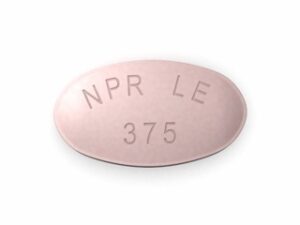

Neoral (Cyclosporine) — Patient-Friendly Guide (UK)
Neoral is a brand of cyclosporine, an immunosuppressant medicine used to reduce the body’s immune activity. It can help control certain immune-driven conditions and prevent transplant rejection. This guide explains what Neoral is, how it works, how it is taken, common interactions, and practical safety tips for people in the United Kingdom.
Important: Neoral is a potent medicine. Your healthcare team may monitor blood levels and kidney function during treatment. Always follow your personalised plan.
1. Basic product information
| Item | Details |
|---|---|
| Medicine | Neoral (cyclosporine) |
| Medicinal ingredient | Cyclosporine |
| Type | Immunosuppressant (calcineurin inhibitor) |
| Formulations | Oral capsules and oral solution (strengths vary by product) |
| Common reason for use | Preventing organ transplant rejection; treating certain immune-mediated diseases |
| Monitoring | Blood pressure, kidney function, blood levels of cyclosporine, blood lipids, magnesium/potassium |
2. How Neoral works (mechanism of action)
Cyclosporine works by lowering immune system activation. It primarily inhibits calcineurin, a key signalling pathway inside immune cells (T-lymphocytes). By doing this, Neoral reduces the production of proteins (such as cytokines) that drive immune inflammation.
In practice, this helps:
- Prevent transplant rejection by reducing the immune attack on the transplanted organ.
- Control immune-driven conditions by dampening abnormal immune activity.
3. Pharmacokinetics (how the body absorbs and processes it)
“Pharmacokinetics” describes what happens to a medicine in the body—absorption, distribution, metabolism, and elimination. Understanding these points helps explain why timing and consistency matter.
Absorption
Neoral is formulated to improve consistency of cyclosporine absorption compared with some older cyclosporine products. Even so, levels can vary between individuals and may change with food, liver function, and interacting medicines.
Distribution
Cyclosporine binds extensively to blood components and distributes into body tissues. It can persist for long enough to require ongoing monitoring in many treatment settings.
Metabolism
Cyclosporine is mainly metabolised by liver enzymes—particularly the CYP3A system—and by transport proteins such as P-glycoprotein. Medicines that strongly affect these pathways can significantly raise or lower cyclosporine levels.
Elimination
Cyclosporine and its metabolites are eliminated mostly via the biliary/faecal route, though kidney function is still monitored carefully because Neoral may affect kidney function.
4. Typical uses in the UK
Neoral is used in several clinical settings. Your prescribed use depends on your diagnosis and medical history. Common indications include:
4.1 Transplant medicine
- Prevention of organ transplant rejection (commonly in combination with other immunosuppressive agents).
- Prevention of graft-versus-host type complications in certain transplant contexts may involve specialist regimens.
4.2 Immune-mediated conditions
Depending on local prescribing guidance and assessment of risk/benefit, cyclosporine may be used for selected conditions such as:
- Severe rheumatoid arthritis in adults, typically when other treatments are not suitable or effective.
- Severe psoriasis (in certain adults with complex or refractory disease).
- Severe atopic eczema/dermatitis in carefully selected cases, where alternatives are unsuitable.
Indications can vary by formulation, strength, country regulation, and current clinical guidance. Your prescriber will confirm your specific diagnosis and regimen.
5. How to take Neoral: timing and routine
Neoral works best when taken consistently. Your regimen may be adjusted based on blood test results and side effects.
5.1 Timing
- Many people take Neoral twice daily at fixed times (morning and evening).
- Try to keep a consistent schedule each day.
- If you miss a dose, do not double up. Contact your healthcare professional for advice.
5.2 Taking with food
Food can influence cyclosporine absorption for some formulations. For Neoral, it is often recommended to take it consistently with respect to meals—either always with food or always on an empty stomach—so that absorption remains predictable.
Follow the specific instructions in your product packaging or your prescriber’s advice.
5.3 Switching products
If you are changing between cyclosporine brands or formulations, absorption may differ. Always confirm with your pharmacist that the new product is equivalent for your situation, and whether extra monitoring is needed.
6. Food interactions
Food interactions are important because they can affect how much cyclosporine you absorb. While not every person is affected the same way, common practical guidance includes:
- Consistency is key: Keep your usual eating pattern around doses.
- Avoid sudden major dietary changes that affect digestion and gut function, unless advised.
Your pharmacist can advise based on your exact formulation (capsules vs oral solution) and the instructions on the pack.
7. Alcohol and medicine interactions
Because Neoral affects liver metabolism and can affect kidney function, interactions matter. Always check with a pharmacist or healthcare professional before starting or stopping medicines—including over-the-counter products and herbal supplements.
7.1 Alcohol
There is no single “safe” amount for everyone. Alcohol may:
- Increase the risk of liver strain (especially if you have liver impairment or take other medicines that affect the liver).
- Worsen side effects like dizziness or tiredness.
If you drink alcohol, consider keeping intake low and discuss it with your clinician—particularly if you have abnormal liver tests.
7.2 Common medicine interactions
Medicines that affect CYP3A enzymes or transport proteins can substantially change cyclosporine blood levels. This can lead to:
- Higher levels → increased risk of kidney problems and other side effects.
- Lower levels → loss of effectiveness and higher risk of transplant rejection or flare of immune disease.
Examples (not exhaustive) of medicines that may interact include:
- Antifungals (e.g., azoles such as ketoconazole, itraconazole) — may increase cyclosporine levels.
- Macrolide antibiotics (e.g., clarithromycin) — may increase cyclosporine levels.
- Rifampicin (TB medication) and some other enzyme inducers — may reduce cyclosporine levels.
- Some anticonvulsants (e.g., phenytoin, carbamazepine) — may reduce levels.
- Calcium channel blockers (some types) — may increase levels in certain cases.
- Potassium-sparing diuretics or potassium supplements — can affect potassium balance.
- Nephrotoxic medicines (medicines that can stress the kidneys), including some NSAIDs and certain antivirals — may raise kidney risk.
7.3 Herbal and supplements
Herbal products can also interact. In particular:
- St John’s wort may lower cyclosporine levels.
- Other supplements may affect liver enzymes or kidney function.
Tell your pharmacist about all supplements you take.
8. Indications (what Neoral is used for)
“Indications” means the medical reasons the medicine is prescribed. In the UK, Neoral (cyclosporine) is used for approved conditions, which commonly include:
- Transplant rejection prevention in certain solid organ transplant settings, usually as part of a combination regimen.
- Severe rheumatoid arthritis in adults when other treatments are inappropriate or ineffective.
- Severe psoriasis in adults, typically after careful evaluation.
- Severe atopic dermatitis/eczema in selected cases.
Exact eligibility criteria and treatment choices can depend on disease severity, prior therapies, and monitoring plans.
9. Dosing: general approach (individualised)
Dosing of cyclosporine is individual and depends on the condition being treated, your body weight or clinical profile, and—most importantly—your response and safety monitoring (especially kidney function and blood cyclosporine levels).
9.1 Typical starting and adjustment
Clinicians usually:
- Start at a dose appropriate for the indication and risk profile.
- Monitor clinical response (symptoms, inflammation, blood pressure) and laboratory results.
- Adjust dose to balance effectiveness and side effects.
9.2 Taking capsules vs oral solution
- Capsules: Swallow as directed with water; do not chew unless packaging states otherwise.
- Oral solution: Use the provided measuring device and shake if instructed. Measure carefully.
If you are using the solution, follow the concentration and dosing instructions exactly to avoid dosing errors.
9.3 Monitoring frequency
Monitoring schedules vary, but often include:
- Regular checks of kidney function (creatinine/eGFR),
- blood pressure,
- blood cyclosporine levels (especially in transplant settings),
- electrolytes (such as magnesium and potassium).
10. Safety profile: what to know
Like all immunosuppressants, Neoral can cause side effects. Many are manageable with dose adjustments and monitoring, but some require urgent medical attention.
10.1 Common side effects
- Kidney function changes (rises in creatinine),
- High blood pressure,
- Tremor or headache,
- Gum overgrowth (gingival hyperplasia),
- Increased hair growth,
- Nausea, stomach discomfort.
10.2 Serious risks (seek medical help promptly if these occur)
- Signs of infection (fever, persistent sore throat, unusual infections) due to immune suppression.
- Severe allergic reaction (swelling of face/lips, trouble breathing, widespread rash).
- Significant reduction in urine output or sudden swelling (possible kidney issues).
- Chest pain, severe shortness of breath, or signs of blood clot.
- Unusual neurological symptoms (severe confusion, seizures, severe weakness).
10.3 Cancer risk and long-term considerations
Immunosuppressants can slightly increase the risk of certain cancers, particularly with long-term use and combination immunosuppression. Your clinician will weigh benefits against risks and may recommend regular reviews.
10.4 Pregnancy and breastfeeding (general overview)
The suitability of cyclosporine during pregnancy or breastfeeding depends on your individual situation. If you are planning a pregnancy or become pregnant, contact your clinician promptly to discuss options.
11. Practical use tips for UK patients
The following tips can help you use Neoral safely and effectively:
- Keep dosing consistent: Take your medicine at the same times each day.
- Don’t change brands or formulations without checking with your pharmacist.
- Attend blood tests: Kidney function and, in many cases, cyclosporine levels must be monitored.
- Check blood pressure regularly if you’ve been advised or if you have a history of hypertension.
- Use a written medication list and share it with every healthcare professional you see.
- Limit grapefruit and certain juices: Some juices can interact with cytochrome enzymes and transporters. Ask your pharmacist for specific dietary guidance relevant to your situation.
- Prevent infection: Practise good hygiene and seek advice early if you develop symptoms of infection.
- Dental care matters: If you notice gum swelling, tell your dentist and doctor.
12. Alternative options
Depending on your condition, alternatives may include other immunosuppressive medicines or different treatment pathways. Your clinician will choose options based on the balance of effectiveness and safety, and on monitoring feasibility.
12.1 Other cyclosporine formulations
There are different cyclosporine products. Switching may affect absorption, so monitoring may be required.
12.2 Other immunosuppressants (examples)
For transplant and immune diseases, alternatives may include medicines such as:
- Tacrolimus (another calcineurin inhibitor)
- Azathioprine
- Mycophenolate mofetil
- Corticosteroids (often part of combination regimens)
- Biological therapies for certain inflammatory conditions (e.g., some psoriasis therapies)
Alternatives vary widely by diagnosis. Discuss options with your specialist to understand risks, monitoring, and expected benefits.
13. United Kingdom market and legal/regulatory context (overview)
In the UK, cyclosporine medicines are regulated by the Medicines and Healthcare products Regulatory Agency (MHRA) and are supplied in line with UK medicines legislation and professional practice standards. Neoral is a branded cyclosporine product, and supply may be subject to availability, pharmacy stock, and formulation/strength requirements.
Medicines in this category are also typically managed carefully to ensure safe use—particularly because cyclosporine has a narrow therapeutic window for many patients and requires monitoring.
Recent guidance and updates (how to interpret)
Guidance for cyclosporine use can evolve as new safety information, monitoring practices, and clinical data emerge. UK clinicians may follow updates from specialist societies, NHS commissioning guidance, and MHRA safety communications.
- If you are starting or continuing Neoral, ensure your clinician has your most up-to-date medication list.
- If you experience side effects or lab changes, seek advice promptly—dose adjustments may be necessary.
14. Delivery, availability, and ordering (UK online pharmacy)
Availability of Neoral can depend on formulation (capsules vs oral solution), strength, and current supply conditions. Many UK online pharmacies provide delivery services with standard or express options where available.
When ordering, you should:
- Confirm the exact strength and formulation you need.
- Check expected delivery times displayed at checkout.
- Ensure you are comfortable with storage guidance (some medicines require room-temperature conditions; follow your pack).
- Keep medicines out of reach of children and store in the original packaging.
If you have urgent clinical needs, choose a service level that supports timely supply and contact customer support for stock confirmation.
15. FAQ — Frequently asked questions
How soon will Neoral start working?
Response time varies by condition. Some immune conditions improve over weeks, while others may take longer. In transplant contexts, the goal is long-term immunosuppression from the start of therapy. Your specialist can describe what timeline is typical for your specific diagnosis.
Do I need blood tests while taking Neoral?
Yes. Monitoring of kidney function and other safety parameters is important. In many treatment settings, blood levels of cyclosporine may also be measured to help keep exposure in a safe and effective range.
Can I take Neoral with other medicines?
Many medicines can interact with cyclosporine. Tell your pharmacist and clinician about all prescription medicines, over-the-counter products, and supplements—especially antibiotics, antifungals, anticonvulsants, and herbal remedies.
What should I do if I miss a dose?
Do not take an extra dose to make up for a missed one. Take the next dose at your usual time and contact your healthcare professional or pharmacist for tailored advice.
Is it safe to drive or operate machinery?
Some people experience side effects such as dizziness or headache. If you feel unwell or impaired, avoid driving or operating machinery and seek advice.
Can I eat grapefruit or drink grapefruit juice?
Grapefruit products may affect cytochrome enzymes and could change cyclosporine levels. For safety, it’s best to ask your pharmacist whether you should avoid grapefruit based on your specific regimen.
What infections should I watch out for?
Contact a healthcare professional if you have fever, chills, persistent sore throat, unusual fatigue, worsening skin infections, or symptoms that feel different from your usual illnesses. Because Neoral suppresses immune responses, infections may progress differently.
Can I take ibuprofen or other NSAIDs?
NSAIDs may increase kidney risk in some people, especially when combined with other medicines that affect kidney function. Ask your pharmacist or clinician before using NSAIDs regularly or in higher doses.
What lifestyle measures help reduce risks?
- Attend all monitoring appointments.
- Maintain hydration unless you’ve been told to restrict fluids.
- Follow blood pressure and diet advice, particularly if you have hypertension.
- Practice infection-prevention measures and seek early medical advice if symptoms occur.
Is Neoral the same as cyclosporine generics?
Neoral contains cyclosporine but may differ from other cyclosporine brands in formulation. If you switch products, clinicians may recommend closer monitoring because absorption can vary. Confirm any change with your pharmacist.
16. When to seek urgent medical advice
Get urgent medical help if you develop signs of severe allergy, severe infection, breathing difficulties, sudden swelling, markedly reduced urine output, severe chest pain, or sudden neurological symptoms. If you are unsure, contact NHS 111 for advice.
Always keep your medication details accessible (including dose and formulation) in case emergency care is needed.
This information is intended to support understanding and safe use. It cannot replace personalised advice from your clinician or pharmacist.