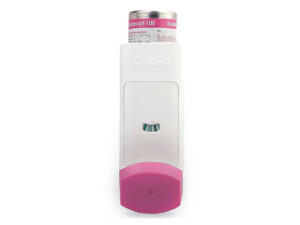
Advair Rotahaler (Fluticasone propionate) – Patient Information (UK)
Advair Rotahaler contains fluticasone propionate, an inhaled corticosteroid medicine used to control long-term breathing problems such as asthma and chronic obstructive pulmonary disease (COPD) in certain patients. This guide explains what the medicine does, how it works in the body, when and how to use it, what to expect, and important safety information.
Note: Product names and strengths may vary. Always follow the advice on your label and the instructions provided by your healthcare professional or pharmacist.
Basic product information
- Medicine name: Advair Rotahaler
- Active ingredient: Fluticasone propionate
- Type: Inhaled corticosteroid (ICS)
- How it is taken: Inhalation using a Rotahaler device
- What it’s for: Ongoing control of airway inflammation
- Common starting points: Regular use helps reduce symptoms and flare-ups; effects may build over days
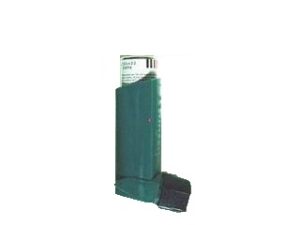
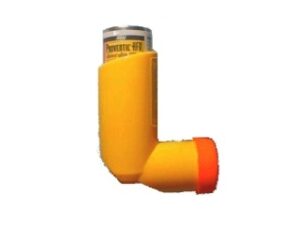
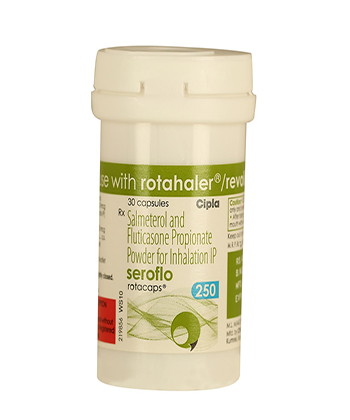
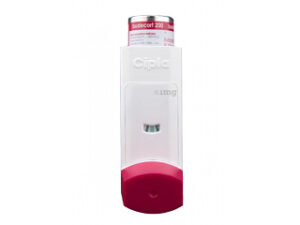
Rotahaler devices: Advair Rotahaler is designed for delivery of medicine to the lungs. Using the inhaler correctly is essential for benefit and for reducing side effects.
What is fluticasone and how does it work?
Fluticasone propionate is a corticosteroid that works mainly in the lungs. When inhaled, it reduces inflammation in the airways. This can help:
- Lower airway swelling and mucus production
- Reduce “hyper-reactivity” (over-sensitivity) of the airways
- Improve airflow and breathing comfort
- Reduce the frequency and severity of asthma/COPD flare-ups
Mechanism of action (simple explanation)
Inflammation is a key driver of symptoms in asthma and COPD. Fluticasone is a glucocorticoid that enters cells in the lining of the airways and alters the activity of inflammatory chemicals. The result is fewer inflammatory signals, less swelling, and improved airway function.
Pharmacokinetics (how the body handles the medicine)
Because fluticasone is inhaled, most of its effect is local in the lungs. Still, some medicine may be absorbed into the bloodstream.
Absorption
- Lung deposition: A portion of the inhaled dose reaches the lungs; the rest may be deposited in the mouth/throat.
- Systemic absorption: Absorption into the bloodstream is generally low compared with oral steroids, but not zero.
Distribution
- Fluticasone is highly protein-bound (carried in the blood mostly attached to proteins).
Metabolism
- Fluticasone is mainly broken down by an enzyme called CYP3A4 (in the liver and intestines).
Elimination
- Metabolites are eliminated primarily through the bile and faeces.
What this means for you
Since fluticasone is metabolised by CYP3A4, some medicines can increase or decrease its effects. Strong interactions can also increase the risk of side effects.
Typical indications (what it is used for)
Advair Rotahaler is used for long-term disease control by reducing inflammation.
Asthma
In asthma, inhaled corticosteroids are the cornerstone of preventing symptoms and flare-ups.
- For patients whose asthma is not adequately controlled with rescue medicine alone
- To reduce flare-ups and improve day-to-day symptoms
COPD
In COPD, inhaled steroids may be used in selected patients, often when there is a history of exacerbations and specific clinical features as determined by a clinician.
- To help reduce exacerbations in appropriate patients
- To manage COPD symptoms as part of a broader treatment plan
Important: Fluticasone is not a “reliever” for sudden attacks. Inhaled rescue medicines (such as short-acting bronchodilators) are used for immediate relief as advised.
When to take it and timing (what to expect)
Advair Rotahaler is usually taken regularly each day for ongoing control.
- Consistency matters: Try to use your inhaler at the same times every day.
- Start-up period: Improvements may be noticed within days, but full benefit can take longer. Keep using it even if you feel okay.
- After an inhaler dose: You may not feel an immediate effect.
Reliever vs controller
- Controller (Advair Rotahaler): Helps prevent symptoms and flare-ups.
- Reliever: Used for sudden breathlessness/wheezing as needed.
Dosing: common regimens (follow your label)
Your prescribed dose depends on the condition being treated, symptom severity, and your response to therapy. Only use the dose your clinician has advised.
Because strengths may differ by product presentation, below are general guidance points rather than a substitute for your personal prescription label.
General dosing principles
- Asthma: Doses may be adjusted (“stepped up” or “stepped down”) according to control.
- COPD: Dosing is individualised, often based on exacerbation history and overall risk.
- Rinse and spit: Consider rinsing your mouth after using to reduce local side effects.
| Condition | Typical use pattern | What to monitor |
|---|---|---|
| Asthma (maintenance) | Regular daily inhalations; dose based on severity and control | Symptom frequency, night waking, reliever use |
| COPD (selected patients) | Regular daily inhalations as part of a COPD plan | Exacerbations, breathlessness trends |
Do not change your dose without medical advice. If symptoms worsen, use your reliever as instructed and seek advice promptly.
How to use Advair Rotahaler (practical tips)
Correct inhaler technique helps ensure the medicine reaches the lungs.
Step-by-step inhalation tips (general)
- Prepare: Follow the device instructions. Keep the Rotahaler dry and clean.
- Load the dose: Insert/capsule-load or prepare the dose exactly as described for your device.
- Breathe out gently: Away from the mouthpiece (do not blow into it).
- Seal lips around mouthpiece: Form a good seal to prevent air leakage.
- Inhale firmly and deeply: When you inhale, the medicine is released to the lungs.
- Hold your breath: If possible, hold for about 5–10 seconds (or as comfortable).
- Exhale slowly: Away from the inhaler.
Rinse after inhaling
To reduce the chance of thrush (oral fungal infection) and hoarseness, consider:
- Rinsing your mouth with water after each dose and spitting it out.
- Brushing teeth can also help, but rinse/spit is key.
If you miss a dose
- If you forget a dose, take it when you remember unless it’s close to your next scheduled dose.
- Do not take a double dose to make up for a missed one.
When to seek urgent help
- If you have severe breathlessness, blue lips, inability to speak in full sentences, or symptoms rapidly worsening—seek urgent medical care.
Food interactions
Fluticasone inhaled into the lungs is unlikely to have significant interactions with food. There are typically no specific dietary restrictions for Advair Rotahaler.
Practical note: A mouth rinse after use can be done regardless of meals. If you experience reflux or irritation, consider spacing inhalation and heavier meals based on comfort.
Alcohol and medicine interactions
Alcohol
There is generally no direct interaction between inhaled fluticasone and alcohol. However:
- Alcohol can worsen asthma symptoms in some people by triggering coughing or reflux.
- If you have COPD, alcohol may worsen breathing comfort or sleep quality.
If alcohol appears to worsen your symptoms, discuss safe limits with your healthcare professional.
Important medicine interactions (key interactions)
Fluticasone is metabolised by CYP3A4. Medicines that inhibit this enzyme may raise fluticasone levels in the body, increasing the risk of systemic steroid effects (e.g., adrenal suppression, Cushing-like effects, or other steroid-related side effects).
- Strong CYP3A4 inhibitors: Examples include some antifungals (e.g., ketoconazole, itraconazole) and some antibiotics (e.g., clarithromycin) and certain HIV medicines. These can significantly increase fluticasone exposure.
- Other immunosuppressive or steroid medicines: Using additional steroids (oral or other inhaled steroids) can increase overall steroid exposure.
Always inform your healthcare professional about all medicines you take, including over-the-counter products and herbal remedies.
Safety profile: common and important side effects
Inhaled corticosteroids are generally well tolerated, especially at appropriate doses. Side effects are usually related to local effects in the mouth/throat or, less commonly, to systemic absorption.
Common side effects
- Hoarseness or voice changes
- Throat irritation
- Oral thrush (white patches in the mouth, soreness)
How to reduce local side effects
- Rinse and spit after each use
- Use proper inhaler technique
- Check that you are not inhaling too weakly (poor technique increases mouth deposition)
Less common but important risks
- Systemic steroid effects (unlikely with correct inhaled use, but risk increases with higher doses or drug interactions)
- Adrenal suppression (more likely if higher doses or prolonged use, especially with interacting drugs)
- Eye problems (such as cataracts or glaucoma) have been associated with corticosteroid exposure—report eye symptoms
- Reduced bone strength in long-term systemic steroid exposure; inhaled risk is lower but discuss if you have additional risk factors
Allergy and serious reactions
Seek urgent medical advice if you experience signs of a serious allergic reaction such as swelling of the face/lips, rash, or difficulty breathing beyond your usual asthma/COPD symptoms.
Practical use tips for better control
- Use daily: Regular use is more effective than “as needed” for inflammation control.
- Check your technique: Many people unintentionally reduce medicine delivery by using incorrect technique. Ask your pharmacist or nurse to observe your inhalation technique.
- Keep track of symptoms: Note your day-to-day symptoms, night waking, and reliever use.
- Have an action plan: If you have asthma, ensure you know your steps for worsening symptoms.
- Don’t stop suddenly: If you want to stop or reduce, do it with professional guidance.
- Consider triggers: Smoking, infections, allergens, and cold air can affect asthma/COPD. Avoid triggers where possible.
Alternative options
Depending on your diagnosis, symptom severity, and past response to medicines, healthcare professionals may consider alternative inhaled therapies. Alternatives can include different corticosteroids, combination inhalers, or bronchodilator medicines.
Possible alternatives to discuss (examples)
- Other inhaled corticosteroids (different devices and strengths)
- Combination inhalers that include an inhaled steroid plus a long-acting bronchodilator (commonly used in COPD and some asthma plans)
- Other COPD/asthma controller strategies such as long-acting bronchodilators, depending on your assessment
Your pharmacist or clinician can help you choose the most suitable option, including device types you find easiest to use correctly.
UK market and legal/regulatory context
In the United Kingdom, inhaled corticosteroids are widely used for chronic respiratory conditions and are regulated under medicines and medical device frameworks. Advair Rotahaler is an established medicine option in certain clinical settings.
Current expectation: Prescribing and supply follow UK clinical guidance, local formularies, and individual patient assessment.
Recent guidance (high-level)
- UK clinical guidance continues to emphasise stepwise asthma management, aiming for the lowest effective steroid dose that maintains control.
- For COPD, guidance prioritises individualised care, usually including inhaled bronchodilators, and may add inhaled steroids for patients with relevant exacerbation histories.
- Education on inhaler technique and regular review of response to therapy remains a strong recurring theme.
Important: Guidance can evolve over time. For personalised recommendations, consult current NHS and professional resources or your healthcare team.
Delivery and availability (online pharmacy UK)
Availability can vary by strength, packaging, and regional stock. When ordering online in the UK, you may expect:
- Product availability updates: Some strengths may be temporarily unavailable; the site may show alternative sizes or scheduling options.
- Packaging: Products are typically delivered in manufacturer packaging with clear labelling.
- Delivery service: Most UK online pharmacies offer standard and express options; delivery times depend on your postcode and courier.
If a product is out of stock, a reputable pharmacy may offer:
- A suitable alternative strength/device (where clinically appropriate)
- Restock notifications
- Advice on waiting times and safe interim use of your existing inhalers
Safety advice: who should be extra careful?
Some people need extra monitoring when using inhaled corticosteroids.
- People with infections: If you currently have an untreated respiratory infection, inform your clinician—steroid therapy may require review.
- Children and adolescents: Regular growth monitoring may be recommended with long-term inhaled steroids.
- Eye disease: If you have glaucoma or cataracts, discuss monitoring.
- People switching from oral steroids: Stopping oral steroids after long-term use must be gradual and supervised.
Frequently asked questions (FAQ)
1) Is Advair Rotahaler the same as a “reliever” inhaler?
No. Advair Rotahaler is a controller inhaler that reduces inflammation over time. It does not work like a reliever for sudden symptoms. Use your reliever inhaler as instructed for immediate relief.
2) How quickly will it work?
Some improvement may be noticed within a few days, but maximum benefit can take longer. If you feel no improvement after the expected time or your symptoms worsen, contact your healthcare professional.
3) What if I get thrush or a sore mouth?
Rinse your mouth and spit after each dose. If thrush symptoms persist or worsen (white patches, sore tongue, painful swallowing), seek medical advice for treatment.
4) Can I take it with food?
Yes. There are typically no meaningful food interactions. Focus on using it correctly and rinsing your mouth afterward.
5) Can I drink alcohol while using Advair Rotahaler?
There’s usually no direct interaction, but alcohol may worsen symptoms in some people (for example through reflux or irritation). Use caution and consider your personal triggers.
6) Are there medicines I should avoid?
Some drugs can significantly interact by affecting fluticasone metabolism (notably CYP3A4 inhibitors). Always tell a healthcare professional about all medicines you take, including antifungals and certain antibiotics.
7) What should I do if I miss a dose?
Take it as soon as you remember unless it is close to your next dose. Do not take two doses at once. If you are unsure, ask your pharmacist.
8) Can I stop using it once I feel better?
Do not stop suddenly without professional advice. Fluticasone helps prevent inflammation; stopping can lead to return of symptoms and flare-ups.
9) How do I know if my inhaler technique is correct?
If your symptoms aren’t controlled, or if you get frequent thrush/hoarseness, ask your pharmacist or nurse to check your technique. Correct inhalation technique is a common reason for reduced effectiveness.
10) Is long-term use safe?
When used as directed at the lowest effective dose, inhaled corticosteroids are generally safe. Your clinician will review your treatment regularly and adjust the dose to maintain control while minimising side effects.
Key takeaways
- Advair Rotahaler (fluticasone) helps control asthma/COPD by reducing airway inflammation.
- It is not a reliever—use your rescue inhaler for sudden symptoms.
- Correct Rotahaler technique and mouth rinsing after doses reduce side effects.
- Some medicines can interact with fluticasone, especially strong CYP3A4 inhibitors.
- Seek urgent help if you have severe worsening breathlessness or symptoms that rapidly deteriorate.