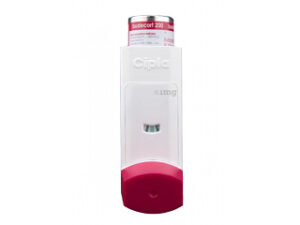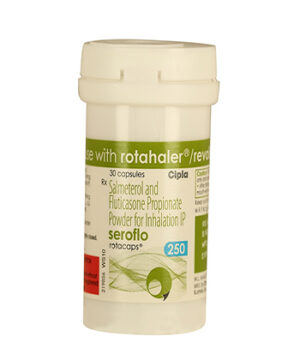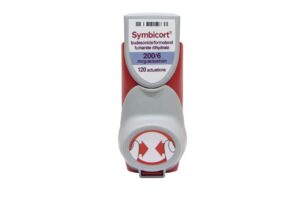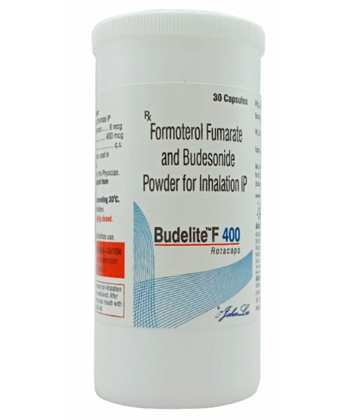
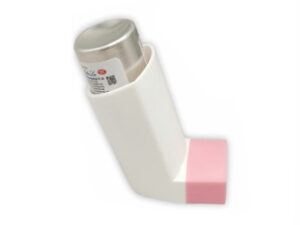
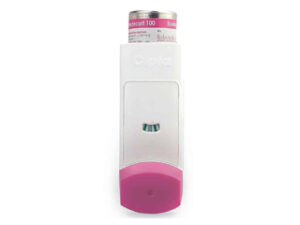
Budesonide Formoterol Rotacaps (Inhaler Capsules) – UK Patient Guide
Budesonide formoterol is a combination inhaled medicine used to help control symptoms of long-term breathing problems such as asthma and chronic obstructive pulmonary disease (COPD). It contains two active ingredients:
- Budesonide: a corticosteroid (anti-inflammatory)
- Formoterol: a long-acting bronchodilator (helps open the airways)
This guide explains what the medicine does, how it works in the body, when and how to use it, safety considerations, and practical tips to help you get the best benefit. It also covers UK availability and common questions.
Basic product information
| Feature | What it means |
|---|---|
| Medicines name | Budesonide + formoterol rotacaps (inhalation capsules for use with an inhaler device) |
| Medicinal form | Rotacaps (capsules) for inhalation; device extracts the powder for breathing in |
| Common uses | Asthma maintenance; COPD symptom control (varies by formulation and local guidance) |
| How it’s taken | Inhaled into the lungs (not swallowed) |
| Onset | Formoterol acts relatively quickly; budesonide works gradually over days to weeks |
Note: Specific strengths (micrograms per capsule) and exact dosing schedules can differ between products. Always follow the directions supplied with your pack or by your healthcare professional.
How budesonide formoterol works (mechanism of action)
This inhaler contains two complementary medicines that target different parts of the breathing problem:
-
Budesonide (inhaled corticosteroid) reduces airway inflammation.
- It helps lower swelling and irritation in the airways.
- It can reduce mucus production and the tendency of airways to become overly reactive.
- Over time, this improves symptom control and reduces exacerbations.
-
Formoterol (long-acting beta-2 agonist) relaxes the muscles around the airways.
- It helps open the bronchial tubes and improves airflow.
- Because it acts relatively quickly, it can provide faster relief for breathing symptoms compared with some other long-acting bronchodilators.
- It supports longer-term control by preventing airway narrowing.
Overall benefit: better daily symptom control, improved lung function, fewer flare-ups (exacerbations), and improved ability to breathe comfortably.
Pharmacokinetics (how the body handles the medicine)
After you inhale budesonide and formoterol, they act locally in the lungs. A proportion is absorbed into the bloodstream and metabolised by the body.
Budesonide – key points
- Local effect: Budesonide acts in the airways to reduce inflammation.
- Absorption: Inhaled budesonide can be absorbed through the lungs and to a smaller extent via swallowed saliva.
- Metabolism: The liver breaks down budesonide to inactive metabolites (mainly via enzymes such as CYP3A4).
- Elimination: Metabolites are cleared largely through urine.
Formoterol – key points
- Local effect: Formoterol relaxes airway smooth muscle quickly and helps keep airways open.
- Absorption: Some absorption occurs after inhalation; swallowed fraction may contribute.
- Metabolism: Metabolised in the body (including pathways involving liver enzymes).
- Elimination: Cleared by both metabolism and excretion processes.
Practical implications
- Consistency matters: Inhaled corticosteroids require regular use for best long-term control.
- Interactions are relevant: Medicines that affect liver enzymes (notably CYP3A4) may alter corticosteroid exposure.
Typical uses in the UK
The exact licensed indications depend on the specific product strength and UK formulation. In general, budesonide/formoterol is used for:
- Asthma – long-term maintenance treatment to control symptoms and reduce the risk of exacerbations.
- COPD – for patients who experience breathlessness and/or exacerbations despite other therapies (depending on severity and local treatment decisions).
Your clinician may recommend it if your symptoms are not adequately controlled on simpler inhalers, or if you need both anti-inflammatory and bronchodilator effects.
When to take it (timing and routine)
Follow your personal dosing schedule. Many patients use budesonide/formoterol regularly twice daily for maintenance (morning and evening), though the schedule can vary by asthma or COPD plan.
Common timing patterns
- Twice daily routine: one dose in the morning and one in the evening, approximately 12 hours apart.
- Before symptoms worsen: some people feel breathlessness later in the day; dosing may be planned accordingly.
Missed dose
- If you miss a dose, take it when you remember unless it is close to the time of your next dose.
- Do not take double the dose to make up for the missed one.
Important: This medicine is for long-term control. It is not a substitute for emergency treatment. If you experience sudden severe breathlessness, follow your asthma/COPD action plan and seek urgent medical advice if symptoms do not improve.
How to use Rotacaps (practical use tips)
Rotacaps are inhalation capsules used with a specific device designed to pierce the capsule and release the powder for inhaling. Correct technique is essential to deliver the medicine to the lungs.
Step-by-step technique (general)
- Prepare: Ensure your inhaler device is clean and dry.
- Load the capsule: Insert one capsule into the chamber as shown in your device instructions.
- Pierce: Close the device so it punctures the capsule.
- Breath out fully: Breathe out away from the mouthpiece (do not blow into the device).
- Inhale steadily: Seal your lips around the mouthpiece and inhale deeply and steadily.
- Hold breath: Hold your breath for about 5–10 seconds if comfortable.
- Check capsule: If powder remains, you may need to inhale again from the device (not by puncturing again).
- Discard: Remove and discard the used capsule.
Tips to improve delivery
- Use correct breathing—slow and deep inhalation helps powder reach the lungs.
- Do not swallow capsules—only inhale the powder.
- Clean the device regularly according to instructions.
- Rinse mouth after inhalation (especially with inhaled steroids) to reduce risk of oral thrush and hoarseness.
Common signs of incorrect technique
- You taste or feel the capsule material in the mouth after inhalation (may indicate poor inhalation or device issues).
- Persistent symptoms despite correct adherence.
- Frequent thrush or hoarseness.
If you are unsure, ask a pharmacist or nurse to observe your inhaler technique.
Food interactions
Food is not expected to have a major direct effect on inhaled budesonide/formoterol because the medicine is delivered to the lungs. However, there are practical considerations:
- Swallowed saliva: a small portion of inhaled medicine may be swallowed. This typically does not require special timing with meals, but taking your dose after food may feel more comfortable for some people.
- Gastro-reflux: If you have reflux (heartburn), this can worsen breathlessness and cough. Managing reflux through diet and medication (as advised) may improve control.
General advice: You can usually take the medicine with or without food. Use consistent timing to help maintain routine.
Alcohol and medicine interactions
Alcohol
There is no universal rule that alcohol must be avoided with budesonide/formoterol, but alcohol may indirectly affect breathing:
- Heavy drinking can worsen sleep, dehydration, and reflux.
- Some people notice increased breathlessness after alcohol.
If you find alcohol triggers symptoms, consider reducing intake and discuss with your clinician.
Medicine interactions (important)
Certain medicines can interact with either corticosteroid or beta-2 agonist effects. Tell your pharmacist or healthcare professional about all medicines you take, including over-the-counter products and herbal remedies.
-
CYP3A4 inhibitors (may increase budesonide exposure)
- Examples include some antifungals and antibiotics (exact list depends on the product and current guidance).
- This can increase risk of steroid-related side effects (usually with higher doses or long-term use).
-
Beta-blocker medicines (may reduce formoterol effect)
- Some beta-blockers can oppose beta-2 agonists and may worsen symptoms.
- Do not stop a beta-blocker without medical advice.
-
Other medicines affecting potassium
- Some drugs (and certain situations) may lower blood potassium, and this could affect rhythm risk—particularly with higher doses of beta-2 agonists or additional triggering medicines.
-
Other inhaled bronchodilators
- Using multiple bronchodilators as recommended is common, but avoid accidental duplication (for example, extra doses outside your plan).
-
Diuretics (water tablets)
- Some diuretics can lower potassium. If combined with frequent bronchodilator use, it may be relevant to safety.
Always check: If you start a new medicine, ask whether it may interact with your inhaler and whether your inhaler technique or dose needs review.
Dosing (what to expect)
Because different strengths and treatment plans exist, the exact dose varies. Your pack and clinical plan will specify the number of capsules per day.
General dosing principles
- Maintenance treatment: typically taken regularly to control symptoms.
- Adjustments: dose may be adjusted based on symptom control and side effects.
- Do not exceed prescribed limits: taking more capsules than advised increases side effects and may indicate poor control that requires review.
When dose might change
- Changes in asthma severity or COPD symptoms
- Frequent flare-ups
- Use of rescue medicines more than expected
- Side effects such as tremor or persistent hoarseness
If your symptoms worsen, do not simply increase your dose without professional advice—your treatment plan may need modification.
Indications and treatment goals
Budesonide/formoterol inhaler therapy is designed to achieve:
- Asthma: better control of wheeze, breathlessness, chest tightness, and night symptoms; reduce exacerbations.
- COPD: improve breathlessness and daily functioning, and reduce exacerbations in appropriate patients.
UK clinicians typically aim for the lowest effective dose that keeps symptoms under control. This means your dose may be reviewed periodically.
Safety profile (what to watch for)
Most people tolerate inhaled budesonide/formoterol well. However, because it contains a corticosteroid and a bronchodilator, side effects can occur.
Common side effects
- Hoarseness or throat irritation
- Oral thrush (a fungal infection in the mouth)
- Tremor (shaking)
- Headache
- Palpitations (awareness of heartbeat), especially early in treatment or with excess dosing
- Muscle cramps (less common)
Reduce the risk of steroid-related mouth problems
- Rinse your mouth and spit after each dose.
- Use good inhaler technique.
- Seek advice if you develop white patches in the mouth, persistent soreness, or unusual taste.
Seek urgent medical advice if
- You have severe worsening breathlessness or are struggling to speak in full sentences.
- Your inhaler seems less effective and you are needing urgent symptom relief more often than advised in your action plan.
- You experience chest pain, fainting, or severe palpitations.
- Signs of an allergic reaction occur (e.g., swelling of face/lips, rash, wheezing after dose).
Long-term steroid considerations
Because budesonide is inhaled, systemic side effects are less common than with tablets. Still, long-term high doses may increase risks such as:
- Effects on bone density
- Cataracts or glaucoma (with chronic exposure)
- Effects on adrenal function (rare, more likely at higher doses)
Your clinician may monitor or advise lifestyle measures (e.g., vitamin D/calcium where appropriate) based on your overall risk.
Who should take extra care
Discuss your situation with a pharmacist or clinician if you have:
- Heart rhythm problems or history of arrhythmia
- Heart disease (e.g., angina) or uncontrolled high blood pressure
- Thyroid disease (overactive thyroid)
- Diabetes (beta-2 agonists can sometimes affect blood sugar)
- Severe liver disease (could affect corticosteroid metabolism)
- Current or recurrent fungal or viral infections in the mouth or airways
This medicine may still be appropriate, but careful review and monitoring may be needed.
Alternative options (depending on your condition)
There are several inhaled treatment options. The best alternative depends on whether you have asthma or COPD, your severity, and how well your symptoms are controlled.
For asthma (examples)
- Inhaled corticosteroid alone (for milder asthma or specific step plans)
- Other inhaled corticosteroid + long-acting beta-2 agonist combinations (different strengths or devices)
- SMART/MART-style regimens may be used in some asthma plans, but this depends on the specific products available and local guidance.
For COPD (examples)
- Long-acting bronchodilators alone (LAMA or LABA)
- Dual therapy (LABA/LAMA)
- Triple therapy (LABA/LAMA/ICS) for selected patients, depending on exacerbation history and biomarkers
Your healthcare professional can advise whether switching device type or medicine could improve control or reduce side effects.
UK market and legal context (availability and governance)
Medicines containing budesonide and formoterol are available in the UK under the regulatory framework of the Medicines and Healthcare products Regulatory Agency (MHRA) and are supported by national clinical guidance.
In the UK, inhaler therapy decisions for asthma and COPD are commonly guided by evidence-based recommendations, such as:
- Asthma: National Institute for Health and Care Excellence (NICE) guidance and updates
- COPD: NICE guidance and specialist respiratory recommendations
Delivery of medicines online: UK online pharmacies must operate within legal requirements including safe supply, verification processes, and product traceability. Availability and permitted supply options can vary.
Important: Always ensure the product you receive is genuine and within its expiry date.
Recent guidance and stewardship approach (UK)
Across asthma and COPD care in the UK, current practice continues to emphasise:
- Using the right device and technique to ensure medicines reach the lungs
- Reviewing treatment regularly to keep dosing at the lowest effective level
- Managing inhaled steroid risks (mouth rinsing, monitoring side effects)
- Reducing exacerbations by maintaining anti-inflammatory therapy rather than relying only on symptom relief
Additionally, clinicians may use tools such as asthma control assessment or COPD review schedules to guide step up/step down therapy. If you have worsening symptoms, it’s usually safer to reassess your plan promptly.
Delivery and availability in the UK
Availability of budesonide/formoterol rotacaps may vary by supplier and strength. When purchasing online, you can generally expect:
- Stock-dependent dispatch: some strengths may have different lead times
- UK delivery options: standard and express delivery may be offered depending on location
- Packaging and temperature: inhalation medicines are typically stored at controlled room conditions; do not expose to heat or moisture
Before ordering, check:
- The strength (micrograms per dose)
- The device type (ensure compatibility with your Rotacap inhaler)
- The expiry date
- That the product is the correct formulation for your condition
Storage advice
- Store at room temperature and protect from heat and moisture.
- Keep capsules in their original blister/pack until needed to prevent moisture exposure.
- Keep out of reach of children.
FAQ – Budesonide formoterol Rotacaps
1) Is budesonide formoterol meant for quick relief?
Formoterol can act relatively quickly, which may help breathing symptoms. However, this medicine is primarily used for long-term control. If you need rapid emergency relief, follow your action plan and use your designated rescue inhaler as directed.
2) How long until it starts working?
You may notice bronchodilator benefits from formoterol soon after inhalation. Improvements in inflammation from budesonide typically take days to weeks. If you don’t feel better after a reasonable period, your treatment plan may need review.
3) Can I use it with a spacer?
Rotacap capsules are designed for use with their specific inhaler device. Whether a spacer is appropriate depends on the product and device. Check the instructions for your inhaler. Many dry powder capsule devices do not use spacers.
4) Do I need to rinse my mouth?
Yes. Rinse your mouth and spit after each dose to help reduce the risk of thrush and hoarseness associated with inhaled corticosteroids.
5) What should I do if I get thrush or persistent hoarseness?
Stop inhalation technique errors and rinse after dosing. Contact a pharmacist or clinician for advice. You may need treatment for thrush, and your inhaler technique or dose may be reviewed.
6) Can I drink alcohol while using it?
Moderate alcohol is usually not directly contraindicated, but alcohol can worsen reflux or sleep, which may affect breathing. If alcohol triggers symptoms for you, consider avoiding or reducing it and discuss with your clinician.
7) Are there medicines I should avoid?
Some medicines can interact, including certain beta-blockers and medicines that affect liver enzyme activity (such as some antifungals/antibiotics). Tell your pharmacist about all medicines and supplements before starting or changing treatment.
8) What if my symptoms get worse?
If your breathing worsens, check your inhaler technique and ensure adherence. If you are needing your reliever more often than your action plan advises, seek medical advice promptly. Severe symptoms require urgent care.
9) Can I stop using budesonide formoterol when I feel better?
Stopping suddenly can lead to symptom recurrence. Asthma and COPD often require long-term management. Discuss any changes with your clinician before stopping.
10) How do I ensure the rotacaps are not damaged?
Keep capsules in their blister pack until use, avoid moisture, and handle them dry hands. Do not use capsules if they look damaged or have been exposed to moisture.
Summary
Budesonide formoterol rotacaps combine an inhaled anti-inflammatory corticosteroid (budesonide) with a long-acting bronchodilator (formoterol). Together, they help control asthma or COPD symptoms, improve lung function, and reduce exacerbations when used correctly and regularly.
For best results in the UK, use the inhaler with correct technique, keep to your dosing schedule, rinse your mouth after each dose, and seek advice promptly if symptoms worsen or you experience side effects.