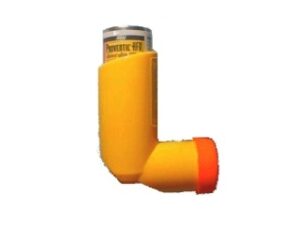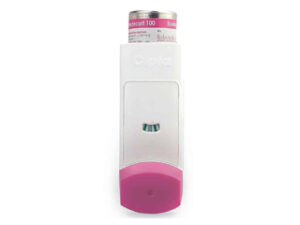
Salbutamol (Albuterol) — Patient Guide (UK)
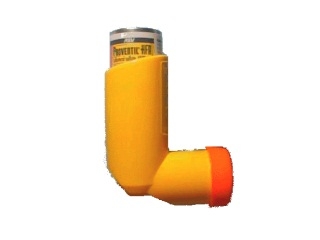
Salbutamol (also known as albuterol in some countries) is a fast-acting medicine used to relieve breathing problems caused by conditions such as asthma and chronic obstructive pulmonary disease (COPD). It helps to open the airways quickly, making it easier to breathe.
This guide explains how salbutamol works, how it’s typically used, timing considerations, common safety points, and practical tips for getting the best results.
Basic product information
| Item | Details |
|---|---|
| Generic name | Salbutamol (Albuterol) |
| Common forms | Inhaler (including metered dose inhaler), nebuliser solution |
| Common strengths | Varies by product and device (follow your specific pack/label) |
| Class | Short-acting beta2-adrenoceptor agonist (SABA) |
| How it works | Relaxes airway smooth muscle to open breathing passages |
| Onset | Often within minutes after inhalation |
| Duration | Typically several hours (variable by person and device) |
Important: Always use the exact product prescribed/recommended for you and follow the instructions supplied with your inhaler or nebuliser.
How salbutamol works (mechanism of action)
Salbutamol is a beta2-adrenoceptor agonist. When inhaled, it acts mainly on receptors in the airway smooth muscle. This leads to:
- Relaxation of airway muscles
- Widening (dilation) of the bronchi and bronchioles
- Improved airflow and symptom relief (e.g., wheeze, shortness of breath, chest tightness)
Because it acts on beta2 receptors, it can also influence other body processes, which is why some side effects (like tremor or a fast heartbeat) may occur in certain people.
Pharmacokinetics (what the body does with it)
Pharmacokinetics describes absorption, distribution, metabolism, and elimination.
Absorption
- Inhaled salbutamol primarily acts locally in the lungs. A portion of the dose is inhaled into the airways, while some may deposit in the mouth/throat and be swallowed.
- When swallowed, salbutamol is absorbed through the digestive tract.
Distribution
- Salbutamol distributes throughout the body. The clinical effect most often comes from the action in the airways.
Metabolism
- Salbutamol is largely metabolised in the body, including in the liver.
Elimination
- Most of the medicine and its metabolites are removed primarily through the kidneys and excreted in urine.
Practical takeaway: With inhaled use, the main benefit is rapid relief in the lungs, while systemic exposure is usually limited—though higher doses or frequent use can increase the risk of side effects.
Typical use: what it’s for
Salbutamol is used to relieve symptoms by relaxing airway muscles. It may be used for:
- Asthma: relief of acute symptoms (wheeze, breathlessness, chest tightness)
- COPD: relief of bronchospasm and symptoms
- Pre-exercise relief: in some people, before physical activity if symptoms are triggered by exercise
For asthma, salbutamol is generally a reliever (rescue) medicine. People with persistent asthma usually require an anti-inflammatory controller (often an inhaled corticosteroid) to reduce inflammation and prevent symptoms from worsening over time.
When it works and how to time doses
Onset
After inhalation, salbutamol often starts working within minutes.
Duration
Effects typically last for several hours. The exact duration can vary depending on the individual, severity, and the specific device (inhaler vs nebuliser).
Timing tips
- Acute symptoms: Use it as directed for relief during an asthma/COPD flare.
- Exercise-triggered symptoms: If advised, take your dose before exercise. Your clinician/pharmacist can advise the best timing for your plan.
- If symptoms persist: Follow your individual asthma/COPD action plan. Frequent reliever use may indicate poor control and should be reviewed promptly.
Seek urgent medical help if you have severe breathlessness, you cannot speak in full sentences, your reliever isn’t helping as usual, or you develop signs of a serious asthma attack (for example, worsening chest tightness, exhaustion, blue lips).
Indications (approved or commonly used reasons)
In the UK, salbutamol products are commonly indicated for:
- Reversible obstructive airway disease, including asthma and COPD
- Bronchospasm — prevention and/or relief in suitable patients as directed
Always rely on the specific instructions for your product and your overall treatment plan.
Dosing: general principles (UK-friendly guidance)
Dosing depends on your age, diagnosis, severity, device type, and whether you use an inhaler or nebuliser.
Follow your medicine label or professional advice for your exact dose. The points below are general guidance to help you understand how dosing is approached.
Inhaler (metered dose inhaler, or similar devices)
- Typically measured in puffs (each puff delivers a set dose).
- For acute symptoms, many patients are advised to use a small number of puffs and repeat if needed, according to their action plan.
- Technique is crucial—incorrect inhaler use can reduce delivery to the lungs.
Nebuliser solution
- Dosing is often based on volume and frequency, prescribed for the patient and device settings.
- Nebuliser use may be appropriate in younger children, for severe symptoms, or when inhaler technique is difficult.
Who needs extra caution?
Extra care may be needed if you:
- Have heart rhythm problems or significant heart disease
- Have uncontrolled thyroid disease
- Have low potassium levels (hypokalaemia)
- Are at risk of severe asthma attacks or require very frequent reliever doses
Key safety point: Using more salbutamol than advised can increase side effects and may indicate your underlying condition is not controlled.
Food interactions
Salbutamol inhalation is not strongly affected by food, because the medicine mainly acts in the lungs.
- If any dose is swallowed, it may be absorbed through the gut. However, for most people, food does not meaningfully interfere with typical inhaler use.
- For nebuliser doses, there are generally no special food restrictions.
Practical tip: If you notice nausea or throat irritation, taking care with inhalation technique (and using a spacer where appropriate) can help reduce swallowed medicine.
Alcohol and medicine interactions
Alcohol
There is no universal rule that alcohol must be avoided with salbutamol, but alcohol may:
- Worsen dehydration or sleep quality, which can affect breathing symptoms
- Increase the chance of feeling shaky or lightheaded if you experience side effects such as tremor or palpitations
If you notice symptoms after drinking, consider reducing alcohol and speak to a pharmacist or clinician for personalised advice.
Medicines that can interact
Salbutamol can interact with other medicines, particularly those affecting the heart or potassium levels. Common interaction considerations include:
- Beta-blockers (including some medicines for blood pressure or heart conditions): may reduce salbutamol’s effect. Non-selective beta-blockers are of particular concern. Cardioselective options may be used in some patients, but this should be individually assessed by a clinician.
- Diuretics (water tablets), especially loop/thiazide types: when combined with salbutamol, they may increase risk of low potassium.
- Corticosteroids (including tablets or high-dose inhaled steroids): in combination with high doses of salbutamol, may also contribute to lower potassium levels.
- Other asthma medicines: other inhaled relievers (like anticholinergics) generally used together are common in some treatments; however, avoid duplicating reliever doses unless advised.
- Medicines affecting heart rhythm: if you take drugs that influence cardiac rhythm, your prescriber/pharmacist may monitor you more closely.
Always tell us (and your clinician) about all medicines you use, including over-the-counter products, herbal remedies, and supplements.
Safety profile: side effects and when to get help
Like all medicines, salbutamol can cause side effects. Many are mild and related to its action on beta receptors throughout the body.
Common side effects
- Tremor (shaking)
- Headache
- Fast heartbeat (palpitations)
- Feeling jittery
- Occasional throat irritation or hoarseness (especially with poor inhaler technique)
Less common but important effects
- Low potassium (hypokalaemia), especially with frequent or high doses
- Heart rhythm disturbances (rare, but important)
- Muscle cramps or weakness (may be linked to low potassium)
- Breathing symptoms that worsen paradoxically (rare; could suggest an inhaler technique issue or alternative diagnosis)
Seek urgent help if
- Your symptoms are rapidly worsening or you’re not getting relief as expected
- You have severe chest tightness, fainting, severe palpitations, or chest pain
- You develop signs of a serious allergic reaction (e.g., swelling of face/lips, difficulty breathing, hives)
Pregnancy and breastfeeding
Salbutamol is sometimes used during pregnancy and breastfeeding when clinically needed. Decisions should be individual, considering asthma control and risk to the mother and baby. If you’re pregnant or breastfeeding, speak with a healthcare professional for guidance.
Practical use tips (to get maximum benefit)
Correct inhaler use improves how much medicine reaches your lungs and reduces side effects from medicine deposited in the mouth.
Inhaler technique basics
- Shake the inhaler if your device instructions say to do so.
- Exhale gently before use.
- Place the mouthpiece securely (or use a face mask if appropriate).
- Start inhaling slowly and press to release the dose at the correct time.
- Continue breathing in for a few seconds, then hold your breath briefly (if able).
- If using multiple puffs, wait the advised interval between them.
Using a spacer
If your inhaler type allows, a spacer can improve delivery to the lungs and reduce throat deposition. This can make it easier for some people—especially children—to use correctly.
Checking your inhaler
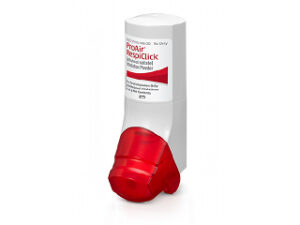
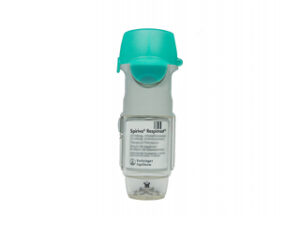
- Confirm the device type (MDI vs dry powder) and follow its instructions.
- Check dose counters where present.
- If you suspect it’s not working (e.g., symptoms don’t improve), don’t simply increase doses—check technique and device function first.
Common reasons reliever doesn’t seem to work
- Incorrect inhaler technique
- Device not primed (if required) or empty
- Incorrect timing (using too late during an attack)
- Underlying inflammation not controlled (especially in asthma)
Alternative options (what else may be used)
Depending on your condition and severity, healthcare professionals may consider:
Other reliever medicines
- Other short-acting bronchodilators (e.g., anticholinergic agents in some COPD plans)
- Different beta2-agonists formulations/devices
Controller (prevention) medicines
- Inhaled corticosteroids (ICS) to reduce airway inflammation
- ICS/LABA combinations for some patients with persistent symptoms
- Other add-on treatments in specialist care for severe asthma
If you find you need salbutamol very frequently, discuss a review of your asthma/COPD management plan. Better baseline control can reduce the need for reliever use.
UK market & legal context (what to expect)
In the UK, medicines are regulated to ensure quality, safety, and accurate labelling. Salbutamol inhalers and nebuliser products are widely used for respiratory conditions, and availability can vary by formulation and brand name.
Key UK considerations include:
- Device and brand variety: different inhaler types and strengths exist; always match the instructions to your exact product.
- Packaging information: use-by date, dose counter/function, and patient information leaflet (PIL) are important for safe use.
- Clinical governance: community pharmacies often support patients with inhaler technique checks and advice on symptom control.
Recent guidance note: UK asthma guidance emphasises that frequent use of reliever medicines can signal inadequate control. Patients are encouraged to follow a personalised action plan and to ensure appropriate anti-inflammatory therapy where needed.
Recent guidance & best-practice reminders (UK)
- Reliever overuse may be a warning: Needing salbutamol more often than usual can indicate poor control and warrants a review.
- Correct inhaler technique matters: Many patients benefit from an inhaler review and spacer use where appropriate.
- Personalised action plans: Asthma action plans guide what to do during worsening symptoms, including when to escalate care.
- Vaccinations and trigger management: For some people, reducing respiratory infections and avoiding known triggers improves overall control.
If you’re unsure how often you should use a reliever or what “normal for you” is, ask a pharmacist or clinician to help you interpret your symptoms and plan.
Delivery and availability (UK)
Availability of salbutamol products can depend on the exact formulation, strength, and device. Online pharmacy listings typically show:
- Pack size and strength
- Device type (for example, MDI vs nebuliser solution)
- Patient information and instructions relevant to that product
- Estimated delivery options within the UK
Delivery times may vary based on stock levels and selected shipping method. Where a product is temporarily unavailable, you may be offered a comparable alternative (subject to suitability and availability).
Tip: Before ordering, confirm you have the correct device for your treatment plan and that you can use it correctly at home.
FAQ
1) Is salbutamol the same as albuterol?
Yes. Salbutamol and albuterol refer to the same active medicine. Names differ by country.
2) How quickly should salbutamol work?
Often within minutes after inhalation. If you don’t feel any improvement after using it correctly, check your technique and device function. If symptoms are severe or rapidly worsening, seek urgent medical help.
3) Can I use salbutamol every day?
Some people may use it more regularly if symptoms occur frequently or if advised for exercise-triggered symptoms. However, needing frequent reliever doses can indicate asthma/COPD is not well controlled. Discuss your usage pattern with a healthcare professional.
4) What if I need my reliever much more often than usual?
That can be a sign of worsening control. Follow your action plan, and contact your healthcare professional promptly for review—especially if you’re using it more frequently than normal.
5) Does salbutamol interact with my other inhalers?
Many inhalers are used together in respiratory care. Interactions depend on the specific medicines. Tell your pharmacist about all inhalers and medicines you use so they can check for compatibility.
6) Can I take salbutamol with blood pressure or heart medicines?
Some medicines, particularly beta-blockers, may reduce salbutamol’s effect. Always seek personalised advice if you take heart- or blood pressure-related medicines.
7) Will salbutamol cause weight gain?
Salbutamol is a reliever and is not the same as steroid medicines. Weight gain is not typical of salbutamol. If weight changes occur, discuss other possible causes.
8) Is there a “best way” to use an inhaler?
Yes—correct technique, timing, and adequate inhalation are key. Consider asking a pharmacist for an inhaler technique check, and ask whether a spacer would help.
9) Can children use salbutamol?
Children may use salbutamol in appropriate doses via inhaler/spacer or nebuliser as advised. Dosing should follow the specific product instructions and a healthcare plan.
10) When should I avoid using salbutamol and get help instead?
If you have severe breathlessness, symptoms rapidly worsen, or you experience serious palpitations, chest pain, or signs of an allergic reaction, get urgent medical help rather than increasing doses.
Disclaimer: This information is for general guidance. Always refer to the patient information leaflet supplied with your specific salbutamol product and follow professional advice tailored to your condition.