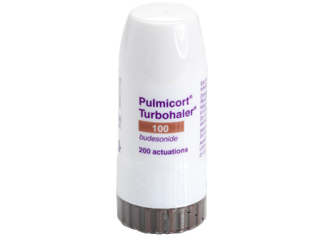
Pulmicort (Budesonide) – Patient Information (UK)
Pulmicort is a brand of budesonide, a medicine used to reduce inflammation in the airways. It is commonly prescribed for conditions such as asthma and croup (inflammation of the upper airway). This guide is written to help you understand what Pulmicort is, how it works, how to use it safely, and what to expect.
Note: Different Pulmicort products exist (for example, inhalers/nebulisers and strengths). Always follow the instructions provided with your specific product and any advice from your healthcare professional.
Basic product information
| Item | Details |
|---|---|
| Active ingredient | Budesonide |
| Medicine type | Corticosteroid (anti-inflammatory) |
| How it is used | Inhaled therapy (often via inhaler or nebuliser, depending on the formulation) |
| Common uses | Asthma control; croup (certain age/indication-dependent use) |
| Typical benefits | Reduces airway inflammation and sensitivity; helps prevent symptoms and flare-ups |
What is Pulmicort and what is it for?
In the lungs and airways, inflammation can narrow the airways and make them more reactive. Pulmicort contains budesonide, which is a corticosteroid that reduces inflammation. By lowering inflammation, Pulmicort helps to:
- Make breathing easier over time
- Reduce coughing, wheezing, and breathlessness
- Decrease the frequency and severity of asthma symptoms
- Support prevention of flare-ups in people with ongoing airway inflammation
For some presentations, budesonide is also used for croup where reduction of inflammation in the upper airway may help improve breathing.
Mechanism of action (how it works)
Budesonide is a glucocorticoid with strong anti-inflammatory effects. After reaching the airway tissues, it:
- Reduces inflammatory chemical signals (e.g., cytokines)
- Decreases recruitment and activation of inflammatory cells
- Improves the stability of airway tissues
- Helps reduce airway swelling and mucus production linked to inflammation
- Leads to improved airflow and fewer symptoms over days to weeks
Important: Pulmicort is designed for control of ongoing inflammation. It is not typically a “reliever” for sudden attacks in the way a bronchodilator (e.g., salbutamol) may be.
Pharmacokinetics (what the body does with it)
Pharmacokinetics describes how the body absorbs, distributes, metabolises, and eliminates the medicine.
- Absorption: When inhaled, budesonide deposits mainly in the lungs; some may be swallowed. Inhalation generally leads to lower whole-body steroid exposure than oral steroids.
- Distribution: Budesonide binds to plasma proteins and distributes to tissues.
- Metabolism: Budesonide is primarily metabolised in the liver. A key pathway involves the enzyme CYP3A4.
- Elimination: Metabolites are excreted mainly via the kidneys. The medicine has an elimination half-life that supports dosing schedules used in asthma care.
Why this matters: Medicines that strongly inhibit or induce CYP3A4 (such as certain antifungals or some antibiotics) can affect budesonide levels in the body, which may influence side effects or effectiveness.
Typical use and timing
Asthma control
For asthma, Pulmicort is used as a maintenance anti-inflammatory treatment. Symptoms may improve within days, but the full benefit often takes 1–2 weeks (sometimes longer) because inflammation needs time to settle.
Croup (where applicable)
For croup, budesonide (in appropriate formulation) is used to reduce airway swelling. Treatment is usually time-sensitive and may be used in healthcare settings or specific home pathways depending on age and local guidance.
When to take it
- Follow your schedule: Use at the frequency and dose given for your condition.
- Try to be consistent: Use at the same times each day if it’s a regular treatment.
- Relief of sudden symptoms: Pulmicort is not normally intended for rapid symptom relief. Use your fast-acting reliever if you have one and if advised by your clinician.
Indications (when Pulmicort is used in the UK)
In the UK, budesonide inhalation products may be used for:
- Asthma: To help prevent symptoms and reduce flare-ups by controlling airway inflammation.
- Croup: In selected patient groups, as part of anti-inflammatory management of upper airway inflammation.
Your exact indication depends on the specific Pulmicort product and strength, as well as age and clinical circumstances.
Dosing (general guidance)
Always use the dose prescribed for you and your device type. Dosing can differ widely between age groups and between formulations (for example, nebuliser solutions vs. inhaled devices).
To make dosing information easier to understand online, the sections below provide general principles rather than exact individual prescriptions.
Key dosing principles
- Start dose: Your clinician will select an initial dose based on asthma severity, symptom frequency, and prior treatments.
- Titration: Treatment may be adjusted over time to achieve good control while minimising side effects.
- Adherence matters: Regular use helps control inflammation. Missing doses can reduce effectiveness.
- Do not stop abruptly without advice: If you are using Pulmicort long term, stopping suddenly may worsen control.
Children and older adults
- Dose is often carefully adjusted by age and response.
- Children benefit from correct technique and adherence, which may require caregiver support.
Practical tip: If you’re unsure about how many breaths or how many units are needed for your dose, check the instructions for your specific product and ask your pharmacist or nurse.
How to use Pulmicort correctly (practical use tips)
Because device types differ, following your product’s instructions is essential. Below are general tips that apply to many inhaled budesonide therapies.
Use the correct technique
- Shake if required: Some liquid preparations need shaking before use; follow your leaflet.
- Breathing coordination: With inhalers, good coordination between inhalation and actuation can improve lung delivery.
- Empty lungs first: Many inhalers work best if you exhale before use.
- Hold your breath if advised: Some techniques advise holding for a few seconds to improve deposition.
Rinse and prevent mouth problems
Inhaled corticosteroids can cause thrush (oral candidiasis) or hoarseness in some people. To reduce risk:
- Rinse your mouth after use (and spit out the water).
- If you wear a denture, remove it before rinsing and clean it separately.
- Use a spacer if your product instructions support it, as this may improve delivery and reduce deposition in the mouth/throat.
Nebuliser-related tips (if using a nebuliser)
- Use only the prescribed volume and strength.
- Use the nebuliser parts correctly and keep them clean according to manufacturer instructions.
- Assemble and maintain the device to avoid incorrect dose delivery.
Food interactions
For inhaled budesonide, interactions with food are usually less significant than for some oral medicines because systemic exposure is relatively limited. However, a few practical points are helpful:
- Usually no special fasting requirements are needed.
- If any portion is swallowed, it may undergo metabolism in the body; typical meals are unlikely to meaningfully affect inhaled budesonide activity.
- Rinsing your mouth after inhalation is still important, regardless of meals.
Always check the leaflet for your exact product, particularly if it includes guidance on swallowing or stomach upset.
Alcohol interactions
There is no commonly expected “direct” interaction between alcohol and inhaled budesonide that would make alcohol categorically unsafe for all users. However, it’s sensible to consider:
- Asthma control: Alcohol can trigger symptoms in some people (varies widely). If alcohol worsens your breathing, avoid or limit it.
- Medication adherence: Heavy drinking can lead to missed doses and poorer control.
- Other medicines: If you take budesonide alongside medicines that interact with alcohol (for example, sedatives), alcohol may increase side effects.
If you have frequent asthma flare-ups or notice symptom worsening after alcohol, discuss it with your clinician.
Interactions with other medicines
Because budesonide is metabolised by CYP3A4, some medicines can change its levels. This can affect risk of steroid-related side effects and, in rare cases, control of symptoms.
Medicines that may increase steroid effects
- CYP3A4 inhibitors, such as some antifungals (e.g., ketoconazole/itraconazole) and certain antibiotics (e.g., clarithromycin), may increase budesonide exposure.
Medicines that may reduce steroid effects
- CYP3A4 inducers (some anti-epileptics like carbamazepine/phenytoin and rifampicin) may reduce budesonide levels, potentially weakening effect.
Other considerations
- Systemic steroid treatment: If you’re on oral steroids as well, your overall steroid load may be higher.
- Vaccines and infections: Inhaled steroids at prescribed doses generally have less impact than oral steroids, but infections can still occur—seek advice if you develop significant symptoms.
Tell your pharmacist or doctor about all medicines you use, including over-the-counter products and herbal remedies, so they can check for interactions.
Safety profile and side effects
Like all medicines, Pulmicort can cause side effects, though not everyone gets them. Side effects are often dose-related and are generally less frequent when inhaled correctly and when mouth rinsing is done.
Common side effects
- Hoarseness or voice changes
- Throat irritation
- Oral thrush (candidiasis) – white patches in the mouth, soreness
- Cough or mild breathing discomfort after inhalation (device dependent)
Other possible side effects (seek advice)
- Worsening infections or difficulty recovering from infections
- Skin bruising or easy bruising with higher systemic exposure (less common with inhaled use)
- Rare systemic steroid effects with prolonged high doses (e.g., effects on growth in children, adrenal suppression—your clinician will monitor where relevant)
When to seek urgent help
Get urgent medical help if you experience:
- Severe allergic reaction (swelling of face/lips, severe rash, difficulty breathing)
- Severe breathing difficulty that does not respond to your usual reliever plan
- Signs of serious infection (high fever, severe illness)
Minimising side effects
- Use correct technique and rinse your mouth after each dose.
- Use the lowest dose that keeps asthma controlled.
- Attend reviews for technique and symptoms.
Safety in special groups
Pregnancy and breastfeeding
Many inhaled corticosteroids are considered compatible with pregnancy and breastfeeding when needed for asthma control, because maintaining good asthma control is important for both mother and baby. However, decisions should be individual. If you are pregnant, planning pregnancy, or breastfeeding, discuss it with a healthcare professional who can balance benefits and risks.
Children
- Technique is crucial for effective dosing.
- Regular follow-up helps monitor control and side effects, including growth where relevant.
Older adults
- As with all patients, correct technique and monitoring are important.
- Review all medicines for interactions, particularly if you take multiple prescriptions.
Recent UK guidance and clinical context
Asthma treatment in the UK is guided by evidence-based recommendations commonly aligned with the British Thoracic Society (BTS) and Scottish Intercollegiate Guidelines Network (SIGN) and updated local care pathways. Key themes include:
- Use of inhaled corticosteroids to control airway inflammation
- Regular review of symptom control and inhaler technique
- Stepping up or down treatment based on control and risk
- Reducing flare-ups through consistent adherence and appropriate reliever use
For croup, UK emergency and primary care pathways typically emphasise timely assessment and anti-inflammatory treatment where indicated, with dosing and delivery guided by local protocols and age considerations.
Delivery and availability in the UK
Pulmicort (budesonide) availability may vary by formulation and strength. Online pharmacies in the UK typically supply authorised products subject to availability and stock levels.
- Dispensing/fulfilment: Your order is usually processed once verified and packed.
- Delivery times: Commonly depend on the selected delivery option and the pharmacy’s courier network.
- Check packaging: On arrival, confirm the product name, strength, and form match what you ordered.
Storage: Store according to the product label and leaflet (often at room temperature and away from direct sunlight). Keep medicines out of sight and reach of children.
Alternative options
If Pulmicort isn’t suitable or available, there are other treatment options for asthma and (where relevant) croup management.
Asthma controller alternatives (examples)
- Other inhaled corticosteroids (different active ingredients, similar anti-inflammatory role)
- Combination inhalers that include an inhaled corticosteroid plus a long-acting bronchodilator (used in some people for improved control)
- Other controller medicines for specific patient groups (chosen based on severity and response)
Croup alternatives
- Other anti-inflammatory approaches may be used in emergency settings depending on clinical assessment and local availability.
If you’re considering switching therapies, it’s best to do so with healthcare guidance to maintain control and avoid gaps in anti-inflammatory treatment.
Frequently asked questions (FAQ)
1) Is Pulmicort a reliever for sudden asthma attacks?
No. Pulmicort is an anti-inflammatory controller medicine. It helps prevent and reduce ongoing symptoms, but it is not designed to work instantly for a sudden attack. Use your recommended reliever for acute symptoms and follow your asthma action plan.
2) How long does Pulmicort take to work?
Some improvement can be seen within a few days, but full benefit often takes 1–2 weeks (sometimes longer) as airway inflammation settles.
3) Should I rinse my mouth after using Pulmicort?
Yes. Rinsing your mouth and spitting out the water after inhaled doses helps reduce the risk of thrush and throat irritation.
4) Can I take Pulmicort with food?
There are generally no specific food restrictions for inhaled budesonide. However, do rinse after inhalation. If your product leaflet advises otherwise for your specific formulation, follow that guidance.
5) Can I drink alcohol while using Pulmicort?
Usually alcohol is not directly contraindicated with inhaled budesonide. Still, alcohol may worsen asthma in some individuals and heavy drinking can lead to missed doses—so monitor your personal response.
6) What if I miss a dose?
If you miss a dose, take it as soon as you remember unless it is close to the time for your next dose. Don’t take extra doses to “catch up.” If you’re unsure, ask your pharmacist for advice specific to your product schedule.
7) Can Pulmicort cause thrush?
Yes, thrush can occur with inhaled corticosteroids, especially if technique is incorrect or mouth rinsing isn’t done. If you notice white patches, soreness, or persistent hoarseness, seek advice promptly.
8) Are there any medicine interactions I should know about?
Budesonide is metabolised by CYP3A4. Medicines that affect CYP3A4 can change budesonide levels. Tell your pharmacist about all medicines you take, especially antifungals and some antibiotics.
9) Is Pulmicort suitable for children?
It can be used in children for asthma (and sometimes croup depending on formulation and circumstances). Correct technique is critical. Dosing should be tailored by age and clinical status.
10) When should I seek medical advice for my breathing?
Seek urgent advice if your breathing becomes severely difficult, if symptoms rapidly worsen, or if your reliever isn’t helping. For non-urgent issues (like persistent hoarseness or thrush symptoms), contact your healthcare professional for guidance.
Summary
Pulmicort (budesonide) is an inhaled anti-inflammatory corticosteroid that helps control asthma by reducing airway inflammation. It works gradually, so regular use matters. Common side effects include hoarseness and thrush, which can often be prevented by rinsing your mouth after inhalation. Budesonide is metabolised in the liver and can interact with medicines that affect CYP3A4. If you use Pulmicort, follow your device instructions carefully, attend regular reviews, and seek help if symptoms worsen or side effects occur.