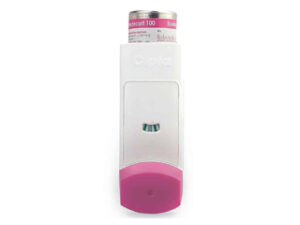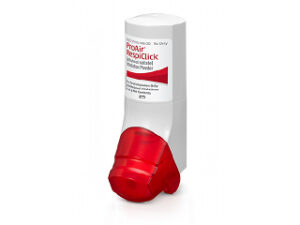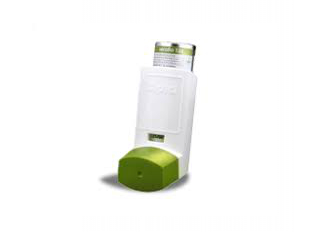
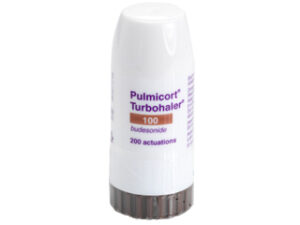
Seroflo Inhaler (Fluticasone + Salmeterol) – Patient Guide (UK)
Seroflo Inhaler contains two medicines: fluticasone (an inhaled corticosteroid) and salmeterol (a long-acting beta2-agonist). Together, they help to control inflammation in the airways and relax the breathing muscles, reducing symptoms and improving day-to-day breathing.
This page is designed to be patient-friendly and to explain how Seroflo works, how it is typically used in the UK, and what safety considerations to keep in mind.
1) Basic product information
- Brand name: Seroflo Inhaler
- Active ingredients: Fluticasone + Salmeterol
- Medicine type: Inhaled combination therapy (controller medicine)
- Common conditions: Asthma and (in some cases) COPD, depending on local prescribing practices and formulation
- How it’s taken: Inhalation using a metered dose inhaler device
Note: Seroflo strengths and device types may vary. Always check the label and the patient information leaflet for the exact strength and instructions specific to your inhaler.
2) How Seroflo works (mechanism of action)
Seroflo combines two complementary medicines:
-
Fluticasone (inhaled corticosteroid, ICS):
- Reduces airway inflammation.
- Helps decrease swelling and mucus production.
- Improves airway responsiveness over time, leading to fewer symptoms and fewer flare-ups.
-
Salmeterol (long-acting beta2-agonist, LABA):
- Relaxes smooth muscle in the airways.
- Provides long-lasting bronchodilation (up to around 12 hours in many patients).
- Helps relieve breathing difficulty and reduces symptoms such as wheeze and shortness of breath.
Important: The combination helps with long-term control. It is generally not a “quick relief” medicine for sudden attacks (for sudden symptoms, a separate short-acting reliever—such as a blue inhaler—is typically used).
3) Pharmacokinetics (how the body handles it)
Medicines delivered by inhalation act mainly in the lungs, but some drug may be swallowed and absorbed through the gut.
- Absorption: After inhalation, fluticasone and salmeterol act locally in the airways. A smaller portion may be swallowed and absorbed from the gastrointestinal tract.
- Distribution: Both components can distribute into body tissues; however, the key effect occurs in the lungs.
- Metabolism: Fluticasone is largely metabolised in the liver, primarily by CYP3A4. Salmeterol is also metabolised in the body.
- Elimination: Metabolites are removed mainly through bile/faecal pathways for fluticasone; the precise elimination profile may vary by patient.
- Systemic exposure: Although inhaled doses aim to keep systemic exposure low, higher doses and poor inhaler technique can increase absorption.
Practical implication: Because fluticasone can be affected by drugs that influence CYP3A4, certain medicines (including some antifungals and antibiotics) can increase steroid exposure.
4) Typical use in the UK (when Seroflo is used)
Seroflo is usually used for long-term control of airway disease. It may be used in:
- Asthma: When symptoms are not adequately controlled with an inhaled corticosteroid alone, or when combination therapy is considered appropriate.
- COPD: In some patients, depending on disease severity and local guidance, where a LABA/ICS combination is indicated. (Some COPD patients may be managed without inhaled steroids—your clinician will tailor treatment.)
Indications in plain terms: Seroflo helps prevent symptoms such as wheeze, coughing, chest tightness, and breathlessness, and can reduce the risk of flare-ups over time.
5) Timing and how to take it
Seroflo is typically taken on a regular schedule, often twice daily, to maintain ongoing control.
Typical timing example:
- Morning: at a consistent time
- Evening: about 12 hours later (or as advised)
Consistency matters: Using Seroflo regularly helps keep airway inflammation controlled. Even if you feel well, stopping suddenly can lead to symptom worsening.
If you miss a dose:
- Take it as soon as you remember.
- If it is close to your next dose, skip the missed dose and continue as normal.
- Do not take a double dose to make up for a missed one.
6) Dosing (general guidance)
Strengths and dosing vary by product formulation and your clinical situation. Always follow the dose on your medicine label and the instructions provided with your inhaler.
In general, for combination inhalers used twice daily:
- Common approach: 1 inhalation in the morning and 1 inhalation in the evening (or a dose equivalent to what your clinician advised).
- Do not exceed the prescribed dose.
If symptoms are not controlled: do not simply increase your dose without advice—poor technique, incorrect timing, triggers, or need for additional/alternative therapy may be the real issue.
7) Food interactions
There are usually no direct food interactions with inhaled fluticasone/salmeterol because most effects occur in the lungs.
- Swallowed portion: Some medicine may be swallowed after inhalation. This generally does not require food restrictions.
- Digestive effects: If you experience throat irritation or hoarseness, rinsing your mouth after use can help (see “Practical use tips” below).
Tip: If your clinician advises changes based on comorbidities (e.g., diabetes), follow that plan rather than making dietary changes on your own.
8) Alcohol and medicine interactions
Alcohol
There is no well-established direct alcohol interaction with fluticasone/salmeterol. However, alcohol can sometimes worsen breathing problems in some people by affecting sleep, airway tone, or medication adherence.
- If you notice that alcohol makes your breathing worse, consider reducing intake.
- Stay hydrated and avoid heavy drinking if you have asthma or COPD.
Medicine interactions (important)
Certain medicines can affect how fluticasone/salmeterol behaves in the body, especially through enzyme pathways.
-
CYP3A4 inhibitors (can increase fluticasone levels):
- Examples include some antifungals (e.g., ketoconazole, itraconazole) and certain antibiotics (e.g., clarithromycin).
- This may increase the risk of steroid side effects.
-
Beta-blockers:
- Some beta-blockers (particularly non-selective types) may reduce the effect of salmeterol.
- People using inhalers should discuss beta-blocker choice with a healthcare professional.
-
Other medicines that affect potassium:
- Some diuretics (“water tablets”) or other medicines may influence potassium levels; salmeterol can sometimes contribute to changes in potassium, especially at higher doses or with risk factors.
-
Other inhaled bronchodilators:
- Tell your clinician about all inhalers you use, including relievers and nebulised medicines.
Always check: Tell your pharmacist or clinician about all medicines, including over-the-counter products and herbal supplements.
9) Safety profile (what to watch for)
Seroflo is generally well tolerated, but like all medicines it can cause side effects. Side effects may vary depending on dose, inhaler technique, and personal risk factors.
Common side effects
- Hoarseness or voice changes
- Sore throat or irritation
- Oral thrush (candidiasis) – more likely if the mouth is not rinsed after use
- Headache
- Muscle cramps or mild tremor (more likely due to the LABA component)
Serious side effects (seek urgent advice)
Contact urgent care or seek medical help promptly if you experience:
- Sudden worsening breathing that doesn’t respond to your reliever
- Severe allergic reaction (swelling of face/lips, rash, difficulty breathing)
- Chest pain, severe palpitations, fainting, or marked dizziness
- Symptoms of adrenal suppression (more relevant with high-dose long-term use): unusual tiredness, weakness, nausea, low blood pressure
- Severe infection symptoms or fever, especially if thrush spreads or you feel unwell
Inhaled steroid considerations
- With inhaled corticosteroids, the aim is to deliver medicine locally in the lungs while limiting whole-body exposure.
- Higher doses over longer periods may increase risk of systemic effects, though this risk is usually much lower than with oral steroids.
- Good technique and mouth rinsing reduce local steroid side effects like thrush.
Beta-agonist (LABA) considerations
- LABAs can cause tremor, palpitations, or headache in some patients.
- Using extra reliever medicines or exceeding recommended doses can increase risk of side effects.
10) Practical use tips (how to get best results)
Correct inhaler technique is crucial. Even if you take the medicine regularly, poor technique can mean less medicine reaches your lungs.
Steps that commonly help (general guidance)
- Shake the inhaler if your specific device instructions require it.
- Breathe out gently away from the mouthpiece.
- Seal your lips around the mouthpiece.
- Start a slow, deep breath in while releasing the dose (for metered-dose inhalers).
- Continue breathing in fully.
- Hold your breath for about 5–10 seconds (or as comfortable).
- Wait if a second puff is prescribed, then repeat the steps.
Rinse after use
- After taking your dose, rinse your mouth with water and spit it out.
- This reduces the risk of thrush and hoarseness.
Check technique regularly
- Ask your pharmacist, nurse, or GP practice to observe your technique.
- Re-check whenever control worsens or if you change device type.
Know your reliever plan
- Ensure you have a separate reliever inhaler if your treatment plan includes one.
- If you need reliever medicine more often, it may signal poor control.
11) Alternative options
Alternative treatment options depend on your diagnosis, symptoms, severity, and response to medicines.
Common alternatives for asthma control
- Inhaled corticosteroid (ICS) alone for milder asthma or specific patient needs.
- ICS/LABA combinations with different LABAs or steroid strengths (e.g., budesonide/formoterol or beclometasone/formoterol combinations, depending on availability).
- SMART/MART approach (using the same inhaler for both maintenance and relief) may be recommended for some patients under clinician guidance—product eligibility varies.
- Leukotriene receptor antagonists (tablets) in selected cases.
- Biologic therapies for severe asthma not controlled by standard inhalers.
Common alternatives for COPD (if applicable)
- Bronchodilator therapies (e.g., LABA/LAMA combinations) are common.
- ICS-containing regimens may be chosen for patients with specific risk factors (such as frequent exacerbations or elevated eosinophils), but not everyone needs ICS.
If you are considering switching inhalers, talk to a healthcare professional to avoid loss of control.
12) Market and legal context in the UK
In the United Kingdom, inhaled medicines for asthma and COPD are widely used and regulated. Key points for customers:
- Quality and licensing: Medicines sold in the UK must be appropriately licensed and meet manufacturing standards.
- Regulatory oversight: The Medicines and Healthcare products Regulatory Agency (MHRA) and related systems oversee medicines and safety updates.
- Pharmacovigilance: Side effects can be reported to support ongoing monitoring of medicine safety.
- Guideline-based care: UK clinical practice follows evidence-based guidance such as NICE recommendations for asthma and COPD management.
Recent guidance note: Clinical guidance periodically updates how inhalers are selected, stepping up or down therapy, and emphasises correct technique and adherence. The exact recommendations may vary by guideline version and individual patient circumstances.
13) Recent guidance themes (what patients often need to know)
While guidance is updated over time, several consistent themes are commonly reflected in UK practice:
- Review inhaler technique regularly to ensure effective dosing.
- Assess adherence before stepping up treatment.
- Use reliever appropriately and monitor symptom patterns.
- Reduce steroid-related side effects by rinsing after inhalation and using the lowest effective dose.
- Personalise asthma/COPD plans based on triggers, exacerbation risk, and comorbidities.
14) Delivery and availability (online pharmacy)
Seroflo Inhaler may be available through reputable UK online pharmacies, depending on stock and the specific strength/device format. Delivery is typically organised through standard UK courier services, with delivery times varying by location and supplier.
- Availability: Stock can change; ordering depends on current supply.
- Packaging: Medicines are usually dispatched in manufacturer-approved packaging.
- Delivery tracking: Many online pharmacies provide tracking details.
- Cold chain: Inhalers generally do not require cold storage.
Storage reminder: Keep your inhaler in a dry place, away from excessive heat or direct sunlight. Ensure the device is stored safely out of children’s reach.
15) FAQ
Is Seroflo a reliever inhaler?
No. Seroflo is a controller inhaler designed for long-term symptom control. It usually works over time rather than quickly stopping an acute attack. You should have a separate reliever inhaler if your treatment plan includes one.
How long does it take to work?
Many people notice improvements within days, but full benefit—especially for inflammation control—may take longer (often a few weeks). If symptoms are not improving, consult your healthcare professional.
Can I stop Seroflo when I feel better?
Do not stop suddenly unless advised. Even if symptoms improve, airway inflammation may still be present. Stopping can lead to worsening symptoms or flare-ups.
What should I do if I get thrush or hoarseness?
Rinse your mouth after each dose and consider using a spacer if your inhaler instructions and device allow it (some patients find this improves delivery and reduces throat effects). If symptoms persist or worsen, speak to a pharmacist or clinician.
What if I need my reliever more often than usual?
That may indicate worsening control. Keep using Seroflo as prescribed and arrange medical review if you notice increased symptoms, increased reliever use, or waking at night due to breathlessness.
Are there food interactions with Seroflo?
Generally, no. Food does not typically affect inhaled fluticasone/salmeterol. The most important “aftercare” is rinsing your mouth to reduce local side effects.
Can I drink alcohol while using Seroflo?
There is no strong direct interaction, but alcohol can worsen breathing in some people or affect adherence. If you notice symptoms worsen after alcohol, reduce intake and discuss with a clinician.
Can other medicines interact with it?
Yes. Some medicines can affect steroid levels (for example, certain antifungals or antibiotics), and beta-blockers may affect the action of salmeterol. Always tell your pharmacist about all medicines you take.
Do I need to rinse after each dose?
Yes. Rinsing and spitting reduces the chance of thrush and hoarseness from the inhaled steroid.
What should I do if I accidentally take too much?
If you think you have taken more than recommended, seek advice from a healthcare professional or local urgent care. If you experience severe symptoms such as fast/irregular heartbeat, chest pain, fainting, or severe breathlessness, seek urgent help immediately.
Quick reference: key points at a glance
| Topic | Summary |
|---|---|
| Purpose | Helps control asthma/COPD symptoms over time by reducing inflammation (fluticasone) and relaxing airways (salmeterol). |
| When to use | Regular schedule, commonly twice daily. Consistency improves control. |
| Relief for sudden symptoms | Usually not. A separate reliever inhaler is typically used for acute symptoms. |
| Food interactions | No major direct food interactions expected. |
| Alcohol | No strong direct interaction, but may worsen breathing in some people. |
| Key technique tip | Correct inhalation technique + rinse mouth after use to reduce thrush/hoarseness. |
| Notable interactions | Some medicines can raise fluticasone exposure (e.g., certain antifungals/antibiotics). Beta-blockers may reduce LABA effect. |
| When to seek help | Severe allergic reaction, sudden worsening breathing, chest pain/palpitations, or signs of serious infection. |
Disclaimer: This information is for general guidance and does not replace advice from a healthcare professional or the patient information leaflet supplied with your specific inhaler.