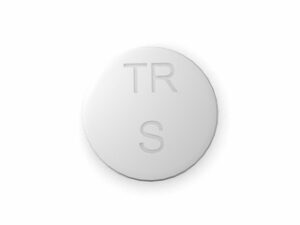

Drospirenone and Ethinyl Estradiol (Combined Oral Contraceptive) — Patient Guide
Drospirenone and ethinyl estradiol is a combined oral contraceptive (COC). It contains two female-hormone medicines: an oestrogen (ethinyl estradiol) and a progestogen (drospirenone). Together, they help prevent pregnancy and can also improve certain hormone-related symptoms for some people.
This guide is written for patients in the United Kingdom and uses plain English. It explains how the medicine works, how it is used, important safety information (including blood clot risk), likely interactions, and practical tips to help you use it correctly.
1) Basic product information
| Category | Information |
|---|---|
| Medicine type | Combined oral contraceptive (COC) |
| Active ingredients | Drospirenone + Ethinyl estradiol |
| Hormonal components | Oestrogen (ethinyl estradiol) + Progestogen (drospirenone) |
| Common dosing format | Usually a 21-day active tablet course followed by a break or placebo phase (depends on brand) |
| Typical route | Oral (by mouth) |
| Availability (UK) | Prescription medicines in the UK (availability varies by brand and supply) |
2) What it’s used for (typical use)
The primary use of drospirenone and ethinyl estradiol is contraception (to prevent pregnancy). For some products and some people, it may also be used for acne or other hormone-related symptoms, where indicated in the product licence and under clinical guidance.
Contraceptive benefits
- Prevents ovulation (releases of an egg)
- Thickens cervical mucus, making it harder for sperm to enter the womb
- Alters the lining of the womb, reducing the chance of implantation
- May make periods more regular and often lighter (varies by person)
3) How it works: mechanism of action
Drospirenone and ethinyl estradiol work by combining two hormonal actions:
- Ethinyl estradiol (oestrogen): helps stabilise the hormonal cycle and supports contraceptive control.
- Drospirenone (progestogen): prevents ovulation in most users and makes the cervical mucus thicker, which reduces sperm movement and survival.
Together, these hormones reduce the normal hormonal signals that would otherwise lead to ovulation and enable fertilisation.
4) Pharmacokinetics (how the body processes it)
Pharmacokinetics describes how the medicine is absorbed, distributed, metabolised, and eliminated. Exact figures can vary by brand and formulation, but the overall pattern is consistent for COCs.
Absorption
- Oral absorption: Both components are absorbed through the gut after swallowing the tablet. Peak levels are typically reached within a few hours for many formulations.
- Consistency matters: Taking the tablet at around the same time each day helps maintain stable hormone levels.
Distribution
- The hormones bind to proteins in the blood. This binding can influence the free (active) fraction available to tissues.
Metabolism
- Hepatic (liver) metabolism: The components are metabolised in the liver and through related biochemical pathways.
- Interaction potential: Some medicines can increase or decrease hormone levels by affecting liver enzymes.
Elimination
- Excretion: Breakdown products are eliminated primarily via urine and bile/faecal routes.
- Accumulation: During regular daily use, hormone levels reach a steady state after repeated doses.
5) When to take it: timing and missed tablets
How to start and how strict the “missed tablet” window is can vary by brand. Always follow the specific patient information for your product. In general:
Starting (common patterns)
- Day 1 start: Start on the first day of your period (often gives immediate contraceptive effect).
- Quick start: If starting outside the first day of bleeding, additional contraception may be needed for a short period (commonly the first 7 days, depending on circumstances and product guidance).
- Switching from another method: Timing depends on the previous contraceptive type and when you last had active hormones.
Daily timing
- Take one tablet once daily at about the same time each day.
- Choose a time that fits your routine (e.g., with breakfast or at bedtime) to improve adherence.
If you miss a tablet
Missing tablets can reduce protection. The exact instructions depend on: how many tablets you missed, how late you took the missed tablet, and which week of your pack you are in.
- If you are unsure, seek advice promptly (from a pharmacist or clinician) and consider using additional contraception until you have confirmed protection.
- If you had unprotected sex in the preceding days, emergency contraception may be an option, depending on timing and your personal situation.
6) Food interactions
Food usually does not affect the effectiveness of drospirenone and ethinyl estradiol in a major way for most people. You can generally take the tablet with or without food.
However, vomiting or severe diarrhoea soon after taking a tablet can prevent full absorption. If this happens, treat it as a missed tablet and follow the product’s guidance.
7) Alcohol and medicine interactions
Alcohol
Moderate alcohol intake is not expected to directly reduce the contraceptive effect for most people. The bigger concern is alcohol-related effects such as:
- Missed doses
- Vomiting (which may affect absorption)
- Changes in routine that lead to incorrect timing
If you vomit after drinking, follow the same advice as for vomiting/diarrhoea shortly after taking your tablet.
Medicine interactions (important)
Some medicines can lower contraceptive hormone levels, potentially reducing effectiveness. Others may increase side effects or affect potassium balance.
Medicines that may reduce effectiveness
- Enzyme inducers (examples include certain anti-epileptics and some treatments for infections such as some antibiotics/antifungals). Not all antibiotics behave this way.
- Medicines that alter gut bacteria (less commonly significant but can matter for some people and regimens).
- Long courses of interacting medicines may require additional contraception.
Medicines to be cautious with (especially for potassium)
Drospirenone has anti-mineralocorticoid activity, meaning it can increase potassium levels in some circumstances. Caution is needed if you take medicines that raise potassium.
- Potassium-sparing diuretics (e.g., spironolactone, eplerenone)
- Some blood pressure medicines that can raise potassium (e.g., ACE inhibitors or angiotensin receptor blockers)
- Potassium supplements
- Other medicines that may affect potassium balance
Herbal products
- St John’s wort (Hypericum perforatum) can reduce contraceptive effectiveness and is usually not recommended with COCs.
What to do if you start another medicine
- Tell your pharmacist/clinician you take a COC containing drospirenone and ethinyl estradiol.
- Ask whether you need additional contraception or whether your COC needs adjustment.
- Check interaction information before taking new medicines, including short courses.
8) Indications (what it may be prescribed for)
In the UK, the licensed indications depend on the specific brand. Most commonly:
- Contraception (prevention of pregnancy)
- Acne/hormonal symptoms where the product licence includes this benefit (not all COCs include acne indications).
Only use for non-contraceptive benefits if they are part of your product’s licensed indication and your prescriber/pharmacist has advised you to.
9) Dosing: usual regimen
The dose is taken as a tablet once daily. The pack format (e.g., 21 active tablets plus 7 days off, or 24 active plus shorter hormone-free intervals, or a mixed active/placebo schedule) differs by brand.
Typical COC schedule
- Take one tablet daily for the active phase.
- During the hormone-free interval or placebo days, withdrawal bleeding may occur.
- Start the next pack according to your brand schedule, even if bleeding has not fully stopped.
Do not exceed the recommended dose. If you think you have taken too many tablets, seek medical advice promptly for guidance.
10) Safety profile: who should be cautious and key risks
Like all combined hormonal contraceptives, drospirenone and ethinyl estradiol can have important risks. The biggest concern is the risk of blood clots (venous thromboembolism). Risk varies by person.
Blood clot risk (VTE) — essential information
Combined oral contraceptives increase the risk of blood clots compared with not using a hormonal contraceptive. The risk is still relatively low in absolute terms for most healthy people, but it can be higher if you have certain risk factors.
Seek urgent medical help if you develop signs of a clot
- Leg swelling, pain, or tenderness (often one-sided)
- Sudden shortness of breath or chest pain
- Coughing blood
- Severe headache, vision changes, trouble speaking, weakness on one side
- Severe abdominal pain (rare but can occur with unusual clot locations)
Other important safety considerations
- Migraines: Some people with migraine may be advised not to use oestrogen-containing pills, especially if you have migraine with aura.
- Smoking: Risk increases substantially with age and smoking. If you smoke, discuss suitability.
- High blood pressure: Uncontrolled hypertension may make COCs unsuitable.
- Diabetes with complications: May change eligibility depending on kidney/eye/vascular involvement.
- Liver disease: Oestrogen/progestogen metabolism involves the liver; active liver disease may make COCs inappropriate.
- Certain cancers: Your clinician will consider personal and family history.
When to stop and get advice
Do not stop abruptly without speaking to a healthcare professional if you are unsure, but get prompt medical advice if you develop warning symptoms such as clot signs, severe abdominal pain, or sudden neurological symptoms.
11) Practical use tips (to help you get the best results)
- Use a daily reminder: Calendar alerts, phone alarms, or a pill organiser.
- Same time daily: Helps reduce breakthrough bleeding and lowers the chance of missed doses.
- Plan for travel: Take tablets at the correct local time; if crossing time zones, follow your product’s guidance and keep consistent timing.
- Keep track of pack days: If your brand includes a hormone-free interval, finishing the pack correctly matters.
- Check for interactions: Before starting new medicines, ask your pharmacist about interactions.
- Breast tenderness or spotting: Some spotting can occur in early packs; persistent or heavy bleeding should be discussed.
12) Side effects: what you might notice
Many people tolerate combined pills well, but side effects vary. Common and usually manageable effects may include:
- Nausea
- Breast tenderness
- Headache
- Changes in mood
- Spotting or breakthrough bleeding, especially in the first few months
- Changes in libido
Contact a healthcare professional if side effects are severe, persistent, or you develop symptoms suggesting serious conditions, such as clot warning signs.
13) Alternative options
If drospirenone and ethinyl estradiol is not suitable or you prefer another method, alternatives may include:
Other combined pills
- COCs containing different progestogens (choice depends on your risk factors and tolerance).
Progestogen-only contraception
- Progestogen-only pill (POP)
- Injection
- Hormonal IUS (intrauterine system)
- Implant
Non-hormonal options
- Copper intrauterine device (IUD)
- Barrier methods (e.g., condoms), including condoms for STI protection
The best choice depends on your medical history, preferences, side-effect profile, and convenience. A pharmacist or clinician can help you compare options.
14) Market and legal context in the United Kingdom
In the UK, combined oral contraceptives containing oestrogen are regulated medicines and availability can be affected by licensing, packaging, and supply changes. Products are typically supplied through authorised channels, and the exact brand strength and pack format vary.
Patient guidance in the UK often emphasises: assessing suitability (including clot risk), recognising warning symptoms, reviewing drug interactions, and promoting effective use.
Recent guidance themes (UK)
In recent years, UK and European health communications have continued to highlight the importance of:
- Individual risk assessment for combined hormonal contraception
- Recognising blood clot symptoms promptly
- Reviewing interacting medicines (including enzyme-inducing medicines)
- Ensuring correct pack use and guidance for missed tablets
If you have questions about whether this specific pill is the right option for you, ask a pharmacist or clinician for tailored advice.
15) Delivery and availability
Availability varies by brand. Many online pharmacies in the UK can deliver to your home address or provide collection options, depending on their service model and regulatory requirements.
- Check stock status on the product page before placing an order.
- Delivery times depend on your location and the pharmacy’s dispatch schedule.
- Cold-chain requirements are usually not needed for this type of tablet medicine.
- Ensure you receive the correct pack (brand and strength) as ordered.
If the medicine is temporarily out of stock, you may be offered an equivalent alternative where appropriate, or asked to wait. Always confirm the brand and instructions before starting a substitute.
16) Safety checklist before starting (patient-friendly)
Before using drospirenone and ethinyl estradiol, it’s helpful to review risk factors with a pharmacist or clinician, especially if any of the following apply:
- History of blood clots (in the leg or lung) or close family history of early clotting
- Smoking and age over 35
- Migraine with aura
- High blood pressure or significant cardiovascular risk factors
- Liver disease
- Known clotting disorders
- Upcoming major surgery or prolonged immobilisation (may require temporary changes)
- Medicines that can raise potassium or strongly interact with hormone levels
17) FAQ
How quickly does drospirenone and ethinyl estradiol work?
It depends on when you start relative to your menstrual cycle and the specific brand instructions. Some starts provide immediate protection, while others require additional contraception (commonly for the first 7 days). Check the instructions for your pack and seek advice if you started at an uncertain time.
What should I do if I miss a dose?
Follow your product’s missed tablet guidance. The advice varies depending on how many tablets were missed and your pack week. If you are unsure, use additional contraception and contact a pharmacist or clinician promptly.
Can I take it with food?
Yes, you can usually take it with or without food. If you vomit or have severe diarrhoea shortly after taking your tablet, treat it as a missed tablet and follow the product’s advice.
Will alcohol affect its effectiveness?
Moderate alcohol is not expected to directly reduce effectiveness. However, alcohol may indirectly affect protection if it leads to missed doses or vomiting. If vomiting occurs after taking the tablet, follow the missed tablet guidance.
Are there medicines I should avoid while taking it?
Some medicines can reduce effectiveness (such as certain enzyme-inducing drugs) and some may interact with drospirenone due to potassium effects. Always check with your pharmacist when starting, stopping, or changing any medicines, including herbal supplements like St John’s wort.
Does it protect against sexually transmitted infections (STIs)?
No. Combined oral contraceptives protect against pregnancy only. Condoms can help reduce the risk of STIs.
What if I have spotting or breakthrough bleeding?
Spotting can happen, especially in the first few months of starting a COC. Taking the tablet at the same time daily helps. If bleeding is heavy, persistent, or unusual for you, seek advice to rule out other causes.
Can I stop taking it whenever I want?
Yes, but pregnancy risk increases immediately after stopping (depending on your cycle). If you’re stopping to switch methods, make sure the new contraception is in place at the right time.
What should I do if I think I might be pregnant?
Pregnancy is unlikely if you have taken the tablets correctly, but if you missed doses or had vomiting/diarrhoea, take a pregnancy test if bleeding is delayed or if you have symptoms. If the test is positive, seek prompt advice.
Is it safe for long-term use?
Many people use COCs long-term. Suitability depends on your individual health factors and how they change over time (such as blood pressure, smoking status, migraines, and new medicines). Regular check-ins with a healthcare professional can help ensure it remains appropriate.
18) Summary
Drospirenone and ethinyl estradiol is a combined oral contraceptive that prevents pregnancy by stopping ovulation, thickening cervical mucus, and changing the uterine environment. It should be taken once daily at the same time, with careful attention to missed tablets and sickness-related absorption issues. Like other COCs, it can increase blood clot risk, so it’s important to consider individual risk factors and to seek urgent help if warning symptoms occur.
If you’d like, you can share your age, smoking status, migraine history (including aura), medical conditions, and any regular medicines. A pharmacist can then help you check whether this type of pill is a good fit for you and how to use it safely.