Amiloride (Amiloride hydrochloride) – Patient Guide (UK)
Amiloride is a medicine used to help the body reduce salt (sodium) loss and to limit the loss of potassium. It belongs to a group of medicines called potassium-sparing diuretics (“water tablets” that do not usually cause potassium to drop as much as other diuretics). In the United Kingdom, amiloride is used for specific clinical needs, either alone or in combination with other medicines.
This guide explains what amiloride does, how it works, how it’s taken, interactions to watch for, practical tips, and when to seek advice. It is written for patients and carers.
Basic product information
- Active ingredient: Amiloride hydrochloride
- Medicinal type: Potassium-sparing diuretic
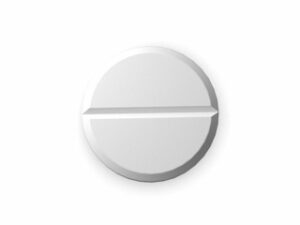
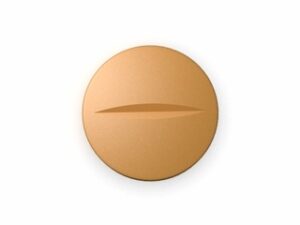
- Common strengths (may vary by brand/product): Often available in 5 mg tablets (other strengths may exist depending on product)
- What it’s used for: Reducing risk of low potassium (hypokalaemia) and treating specific fluid balance problems as advised by your clinician
Brand names vary. Always check your outer carton and patient information leaflet for the exact brand and strength you have been supplied.
How amiloride works (mechanism of action)
Amiloride works at the kidneys. After the kidneys filter blood, they reabsorb useful substances and remove waste. In the distal tubule (a part of the kidney), amiloride reduces the activity of sodium transport channels (often referred to as epithelial sodium channels or ENaC).
- Less sodium reabsorption: This allows more sodium to be excreted in urine.
- Less potassium loss: Because sodium movement and related processes are altered, fewer potassium ions are lost in urine.
- Potassium-sparing effect: Compared with many other diuretics (like loop or thiazide diuretics), amiloride tends to help preserve potassium levels.
This is particularly important when the aim is to manage fluid balance while avoiding or correcting low potassium.
What does amiloride do in the body? (pharmacokinetics)
Pharmacokinetics describes how the body absorbs, distributes, metabolises, and excretes a medicine. While individual response varies, the following points help patients understand typical behaviour in the body.
- Absorption: Amiloride is absorbed from the gut after oral dosing.
- Distribution: It distributes into body tissues and acts primarily on the kidneys.
- Metabolism: Amiloride is not extensively broken down in the body.
- Elimination: It is mainly excreted by the kidneys.
- Kidney function matters: Because elimination relies on the kidneys, reduced kidney function can lead to higher amiloride levels.
For people with kidney disease, careful monitoring is often needed to reduce the risk of side effects such as high potassium.
Typical uses (indications)
In the UK, amiloride is used for clinical situations where potassium-sparing diuresis is beneficial. Common indications may include:
- Prevention or treatment of hypokalaemia (low potassium), particularly when due to diuretic therapy or other causes
- Fluid retention (oedema) in conditions where a potassium-sparing diuretic is appropriate
- Management of hypertension in selected cases, sometimes in combination with other blood pressure medicines
- As part of combination therapy with other diuretics when lowering potassium loss is important
Your personal indication may depend on your kidney function, potassium level, blood pressure, and the overall treatment plan. Always follow the specific instructions given to you.
How and when to take amiloride (timing and regimen)
Take amiloride exactly as directed by your healthcare professional. If your dosing instructions were provided as part of a prescription or treatment plan, follow those instructions carefully. Below are general guidance points.
Typical timing
- Once daily dosing: Often taken in the morning or early afternoon to reduce the chance of needing to urinate at night.
- Twice daily dosing: If prescribed twice daily, doses are commonly spaced through the day.
With or without food
- Amiloride can typically be taken with or without food.
- If your stomach is sensitive, taking it with food may improve tolerance.
If you miss a dose
- Take it as soon as you remember unless it is close to the next dose.
- If you are near the next scheduled dose, skip the missed dose.
- Do not take a double dose to make up for a missed one.
Food interactions and lifestyle considerations
Because amiloride is potassium-sparing, diet can be relevant. The biggest dietary concern is excess potassium intake, especially if you also take potassium supplements or potassium-containing salt substitutes.
- Avoid potassium salt substitutes: Many “low-salt” products use potassium chloride. Ask your pharmacist if a particular product contains potassium.
- Be cautious with high-potassium foods if you’ve been told you have high potassium or kidney impairment.
- Alcohol and dehydration: Alcohol may contribute to dehydration in some people and may affect blood pressure and dizziness risk (see below).
Do not make major dietary changes without advice, particularly if you have kidney disease.
Alcohol interactions
There is no single “universal” alcohol rule for everyone taking amiloride, but alcohol can indirectly increase risks.
- Dizziness and low blood pressure: Alcohol can lower blood pressure and may increase light-headedness, especially when standing up.
- Dehydration: If alcohol contributes to dehydration, kidney function and electrolyte balance may be affected.
- Medication adherence: Drinking may affect how consistently you take medicines and monitor symptoms.
If you choose to drink alcohol, do so in moderation and be mindful of dizziness, thirst, and reduced urine output. Seek medical advice if you feel unwell after combining alcohol with your medicines.
Medicine interactions (important)
Amiloride can increase potassium levels. Interactions that raise potassium further can be risky and may require dose adjustments or monitoring. The list below is not exhaustive—always check with your pharmacist if you are unsure.
Medicines and supplements that can increase potassium
- Potassium supplements (including tablets or powders)
- Salt substitutes containing potassium chloride
- Other potassium-sparing diuretics (for example, spironolactone, eplerenone where applicable)
- ACE inhibitors (e.g., ramipril, lisinopril)
- Angiotensin receptor blockers (ARBs) (e.g., losartan, candesartan)
- Direct renin inhibitors (where applicable)
- Some anti-inflammatory medicines (NSAIDs such as ibuprofen, naproxen, diclofenac, particularly with ongoing use)
- Trimethoprim (an antibiotic can sometimes raise potassium)
Medicines affecting kidney function or electrolytes
- Lithium: Interactions can occur with lithium; monitor levels if used together.
- Other diuretics: When combined, your clinician may adjust doses to manage potassium balance.
When to check urgently
Contact your healthcare team urgently if you experience symptoms that may be linked to high potassium (see Safety section), particularly if you have kidney problems or are taking multiple medicines that affect potassium.
Dosing: how much amiloride is usually taken?
Dosing depends on your condition, kidney function, and electrolyte results (especially potassium and sodium). Your prescriber may start at a lower dose and adjust gradually.
For accuracy, always use the dose on your medicine label. If you are unsure, speak to your pharmacist.
General dosing principles (common practice)
- Adults: Often started at a modest dose with adjustment based on response and blood tests.
- Kidney impairment: Dose reductions and closer monitoring are usually required.
- Monitoring: Blood tests help guide dosing, typically including potassium and creatinine/eGFR.
Do not change your dose on your own, even if your urine output or swelling changes.
Safety profile: side effects and who needs extra care
Common side effects
- Dizziness, especially when standing up
- Headache
- Nausea or stomach discomfort
- Changes in urine output (as expected with diuretic effects)
Serious side effects (seek urgent advice)
The most important risk with potassium-sparing diuretics is high potassium (hyperkalaemia). High potassium can affect the heart’s electrical activity and may be dangerous.
- Symptoms of high potassium may include:
- Muscle weakness
- Tingling or numbness
- Palpitations or an unusual heartbeat
- Severe fatigue
- Allergic reactions (rare): swelling of face/lips, rash, breathing difficulties
- Severe dehydration if fluid intake is poor or if combined with other diuretics
If you develop symptoms suggesting high potassium or an allergic reaction, seek urgent medical attention.
Who needs extra monitoring
- People with kidney impairment
- Older adults (risk may be higher due to reduced kidney function)
- People taking ACE inhibitors or ARBs, or other medicines affecting potassium
- People with diabetes and kidney issues
- People with heart rhythm problems or those prone to electrolyte disturbances
Practical use tips for patients
- Keep up with blood tests: Amiloride may require monitoring of potassium, sodium, and kidney function (creatinine/eGFR).
- Know your “danger medicines”: If you’re taking ACE inhibitors, ARBs, potassium supplements, or NSAIDs regularly, tell your pharmacist.
- Check labels: Some cold/flu products and supplements may contain potassium or interact indirectly.
- Rise slowly: If you feel light-headed, stand up gradually—especially after sitting or lying down.
- Hydration matters: Maintain reasonable fluid intake unless you have been restricted by your clinician.
- Report symptoms early: Don’t wait for severe symptoms—contact your healthcare team if you feel unwell.
Alternatives to amiloride
The best alternative depends on why you are taking amiloride (for example, potassium preservation with diuretics, blood pressure control, or a specific fluid balance issue). Alternatives may include:
- Other potassium-sparing diuretics: such as spironolactone or eplerenone (suitable for different clinical scenarios)
- Different diuretic strategies: sometimes clinicians adjust loop or thiazide diuretics and add potassium supplements or use potassium-sparing approaches
- Non-diuretic options: for certain blood pressure problems, other medicine classes may be preferred
If you feel amiloride isn’t working well or you’re experiencing side effects, ask your pharmacist or prescriber about options tailored to your condition and test results.
UK market and legal context (pharmacy information)
In the UK, availability, product forms, and prescribing practices are governed by national medicines regulations and healthcare pathways. Your local pharmacy can provide information on what formulations are stocked or can be obtained through approved supply routes.
Medicines containing amiloride may be subject to standard UK medicine governance, including patient safety information and manufacturer instructions. Always check the specific product leaflet for up-to-date details.
Recent guidance and monitoring emphasis
- UK clinical practice continues to emphasise electrolyte monitoring (especially potassium) and kidney function checks when medicines that affect potassium balance are used.
- Prescribers and pharmacists also focus on interaction awareness—particularly with ACE inhibitors/ARBs, NSAIDs, potassium supplements, and potassium-containing salt substitutes.
- If you have conditions that increase hyperkalaemia risk (such as chronic kidney disease), clinicians may advise closer monitoring or alternative treatments.
Delivery and availability in the UK
Online pharmacies in the UK typically supply medicines through established distribution channels. Availability of amiloride can vary by strength, brand, and stock levels. Delivery times depend on the fulfilment location and the service option selected at checkout.
When ordering, you may be asked to provide certain details to confirm the correct product and safety checks. If amiloride is not immediately in stock, the pharmacy may offer an alternative product strength/formulation or an expected restock date, depending on supply policies.
- Product sourcing: UK-approved suppliers
- Packaging: Medicines are supplied with patient information leaflets
- Storage: Follow instructions on the outer carton (e.g., room temperature storage unless stated otherwise)
Summary table: key points at a glance
| Topic | What to know |
|---|---|
| Medicine type | Potassium-sparing diuretic (“water tablet”) |
| Main effect | Helps the body excrete sodium while reducing potassium loss |
| Key risk | High potassium (hyperkalaemia), especially with kidney problems or interacting medicines |
| Monitoring | Blood tests for potassium and kidney function are often needed |
| Timing | Often taken in the morning; follow your dosing instructions |
| Food/salts | Avoid potassium-containing salt substitutes unless advised otherwise |
| Alcohol | May increase dizziness or dehydration risk; drink moderately and monitor how you feel |
| Interactions | Be cautious with potassium supplements, ACE inhibitors/ARBs, NSAIDs, and other potassium-raising medicines |
FAQ: Frequently asked questions about amiloride
1) Why is amiloride called a “potassium-sparing” diuretic?
Unlike many other diuretics that cause the body to lose potassium in urine, amiloride reduces sodium reabsorption in the kidney in a way that helps preserve potassium levels. This doesn’t mean potassium can’t rise—so monitoring may still be needed.
2) How quickly will I notice an effect?
Diuretic effects (such as increased urination) may be noticed relatively soon after taking a dose. However, the full benefit on symptoms, blood pressure, or electrolyte stability depends on your overall condition and dose. If your swelling or blood pressure changes rapidly, contact your healthcare team.
3) What blood tests might I need?
Your clinician may check levels of potassium and kidney function (often creatinine and eGFR). Sometimes sodium and other electrolytes are also monitored.
4) Can I take painkillers like ibuprofen with amiloride?
NSAIDs such as ibuprofen can affect kidney function and may increase the risk of high potassium when used with medicines like amiloride. If you need regular pain relief, speak to your pharmacist for safer options and monitoring advice.
5) Should I avoid potassium-rich foods?
You should follow personalised advice from your healthcare team. Many people can eat normally, but if you have kidney disease or have been told your potassium is high, your clinician may recommend limiting certain potassium-rich foods. Avoid potassium-containing salt substitutes unless specifically approved.
6) What symptoms suggest my potassium might be too high?
Watch for muscle weakness, tingling/numbness, palpitations, unusual tiredness, or feeling unwell in a new or severe way. If you have concerns, seek medical advice promptly—especially if you have kidney problems or multiple interacting medicines.
7) Is it safe to stop amiloride suddenly?
Don’t stop amiloride without advice. Stopping may worsen fluid balance or affect potassium stability. If you want to stop due to side effects or other reasons, speak to your pharmacist or clinician.
8) Can I take amiloride with other diuretics?
Combination therapy may be used in certain situations. If you are taking another diuretic, the doses are often selected to balance fluid control and electrolyte safety. Confirm with your pharmacist that your combination is appropriate.
9) What should I do if I feel dizzy?
Sit or lie down immediately to reduce the risk of falls. Stand up slowly when moving. If dizziness is persistent, severe, or associated with fainting or palpitations, contact your healthcare team.
10) How should I store amiloride?
Store it according to the instructions on the outer carton or leaflet (commonly at room temperature, out of direct sunlight, and keep out of reach of children). Do not use beyond any expiry date shown on the pack.
When to seek medical advice
Contact a healthcare professional promptly if you experience:
- Symptoms possibly related to high potassium (muscle weakness, palpitations, severe fatigue)
- Severe dizziness, fainting, or signs of dehydration
- Allergic symptoms such as swelling of face/lips or trouble breathing
- Worsening swelling, breathlessness, or sudden changes in your condition
For medicines advice in the UK, your pharmacist is a helpful first point of contact, especially if you’re unsure about interactions with over-the-counter products or supplements.