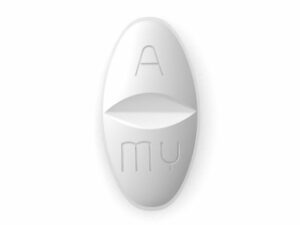


Arpamyl (perindopril erbumine) — Patient Information for the UK
Arpamyl is a medicine used to treat certain cardiovascular conditions, most commonly high blood pressure and heart failure. It belongs to a group of medicines known as ACE inhibitors (angiotensin-converting enzyme inhibitors). This page explains what Arpamyl does, how it works in the body, how it is usually taken, and the key safety points to know when using it in the United Kingdom.
Please note: individual needs vary. Always follow the advice given by your healthcare professional and read the package leaflet supplied with your medicine.
At a glance: key facts
- Medicine name: Arpamyl
- Active ingredient: Perindopril erbumine (an ACE inhibitor)
- Common uses: High blood pressure (hypertension), heart failure, and to reduce cardiovascular risk in selected patients
- How it works: Helps relax blood vessels and reduces the workload on the heart
- Typical dosing: Usually once daily (dose depends on your condition and kidney function)
- Common side effects: Dry cough, dizziness, low blood pressure
- Important warnings: Can rarely cause severe allergic reactions (angioedema) and should not be used in pregnancy
What is Arpamyl and what is it used for?
Arpamyl is an ACE inhibitor. ACE inhibitors reduce the production of angiotensin II, a substance that narrows blood vessels. By lowering angiotensin II levels, blood vessels become more relaxed, helping to lower blood pressure and improve blood flow.
In UK clinical practice, ACE inhibitors like Arpamyl may be used for:
- High blood pressure (hypertension): Helps reduce blood pressure and lower the risk of stroke, heart attack and kidney complications.
- Chronic heart failure: Helps improve symptoms, reduce hospital admissions, and support long-term heart function.
- Stable coronary artery disease / prevention after cardiac events: In some patients, ACE inhibitors may be used to reduce the risk of cardiovascular events.
Indications may vary depending on the exact formulation and the dose prescribed. Your healthcare professional will decide what is suitable for you.
How Arpamyl works (mechanism of action)
Arpamyl contains perindopril erbumine, which is converted in the body to perindoprilat, the active form.
Its main actions include:
- ACE inhibition: Blocks angiotensin-converting enzyme (ACE).
- Lower angiotensin II: Less angiotensin II leads to vasodilation (widening of blood vessels).
- Reduced aldosterone: Can help decrease salt and water retention, contributing to improved blood pressure and reduced strain on the heart.
- Increased bradykinin: ACE also breaks down bradykinin; higher bradykinin levels contribute to the blood-vessel effects but may also be associated with dry cough and, rarely, angioedema.
Pharmacokinetics: how your body handles Arpamyl
Pharmacokinetics describes what the body does to the medicine (absorption, distribution, metabolism and elimination). While individual responses vary, the general pattern for perindopril-based medicines is:
- Absorption: Perindopril is absorbed after swallowing.
- Metabolism: It is converted to the active metabolite perindoprilat.
- Distribution: The active metabolite circulates and acts on ACE in the body.
- Elimination: Primarily excreted by the kidneys. This is why dose adjustments may be needed if you have kidney impairment.
Your clinician may monitor kidney function and electrolytes (especially potassium) during treatment.
When to take Arpamyl (timing and consistency)
Arpamyl is commonly taken once daily. Many people find it easiest to take it at the same time each day.
Typical timing guidance:
- Take the tablet(s) at about the same time each day.
- If it causes dizziness, consider taking it at bedtime (only if this fits your routine and your healthcare professional agrees).
- Do not change the dose or stop suddenly without medical advice.
If you forget a dose: Take it when you remember unless it is close to the next dose. If it is almost time for the next dose, skip the missed dose and continue as normal. Do not take a double dose to make up for a missed tablet.
Food interactions and what to watch
Food can affect absorption. With perindopril-containing medicines, taking them with or without food may change how much is absorbed.
Because product-specific instructions can vary, it is important to:
- Check your packaging/leaflet for guidance on whether to take with meals.
- If your prescriber or pharmacist gave you specific instructions (for example, “take before meals”), follow those exactly.
As a general practical approach:
- Be consistent day-to-day. If your leaflet says to take before meals, try to keep the same timing.
- If you are unsure, speak to your pharmacist for clarification based on your exact strength and formulation.
Alcohol interactions
Drinking alcohol can increase the likelihood of side effects such as:
- Dizziness
- Light-headedness
- Low blood pressure (especially when starting treatment or increasing dose)
Practical advice:
- Limit alcohol if you notice dizziness or faintness.
- Be cautious the first time you drink after starting Arpamyl or after a dose change.
Interactions with other medicines
Arpamyl can interact with other medicines. Some interactions can increase risks such as low blood pressure, kidney problems, or abnormal potassium levels.
Tell your pharmacist or healthcare professional if you take:
- Potassium supplements or salt substitutes that contain potassium
- Diuretics (“water tablets”), especially if you are also dehydrated or have kidney problems
- Other blood pressure medicines (additive effect may lower blood pressure too much)
- Non-steroidal anti-inflammatory drugs (NSAIDs) (e.g., ibuprofen, naproxen, diclofenac), particularly with regular use or higher doses—these may affect kidney function and reduce blood pressure control
- Lithium
- Immunosuppressants (e.g., ciclosporin, tacrolimus) or other medicines that affect the immune system
- Medicines associated with angioedema risk (for example, some treatments used in specific conditions—your clinician will advise)
- Diabetes medicines (you may need monitoring if you experience symptoms of low blood sugar)
If you are unsure about whether a medicine is an NSAID or affects potassium/kidneys, ask your pharmacist.
Dosing: how much Arpamyl is usually taken
Dose is individual and depends on the condition being treated, your blood pressure, kidney function, and how you respond to treatment.
Many patients are started on a lower dose and increased gradually. Typical dosing patterns (as used in practice) may include:
- High blood pressure: often once daily; dose adjusted based on your blood pressure response.
- Heart failure: often initiated at a low dose with careful monitoring.
- Cardiovascular risk / stable coronary disease: dose may be adjusted according to tolerance and kidney function.
Important: Always use the strength prescribed for you. Do not switch between products or strengths without guidance, as dosing can differ.
Monitoring: Your clinician may check:
- Blood pressure
- Kidney function (creatinine/eGFR)
- Potassium levels
Practical use tips
- Take it regularly: ACE inhibitors work best when taken consistently.
- Stand up slowly: If you feel dizzy, rise gradually from sitting or lying positions.
- Stay hydrated (unless advised otherwise): Dehydration can worsen low blood pressure and affect kidneys.
- Do not stop suddenly: Stopping ACE inhibitors without advice may cause worsening of symptoms or blood pressure.
- Check your blood pressure: If you have a home monitor, use it as advised by your clinician.
- Keep appointments: Lab tests are important in the early weeks and after dose changes.
Safety profile: who should take extra care?
Like all medicines, Arpamyl can cause side effects. Many are mild, but some require urgent attention.
Common or frequently reported side effects
- Dry, persistent cough
- Dizziness or light-headedness (often early in treatment)
- Low blood pressure
- Headache
- Fatigue
- Nausea or stomach upset
Less common but important side effects
- High potassium (hyperkalaemia), especially in people with kidney impairment or when taking potassium-related medicines
- Kidney function changes (may be detected by blood tests)
- Rash or itching
Seek urgent medical help if you experience
- Signs of angioedema: swelling of the face, lips, tongue, or throat; difficulty breathing or swallowing
- Severe dizziness or fainting
- Signs of severe allergic reaction: widespread rash, swelling, or breathing difficulties
- Signs of dangerously high or low kidney function: reduced urination, unusual weakness, or severe illness
When Arpamyl may be unsuitable
Arpamyl may not be suitable if:
- You have had angioedema related to previous ACE inhibitor use
- You are pregnant or trying to conceive (ACE inhibitors are generally contraindicated in pregnancy due to harm to the developing foetus)
- You have certain kidney conditions where ACE inhibitors are not recommended—your clinician will assess your risk
Kidney and electrolyte considerations: People with kidney impairment require careful dosing and monitoring. Potassium-containing products and certain interacting medicines increase risk of abnormal potassium levels.
Are there alternative options?
If Arpamyl is not suitable due to side effects (such as cough) or other reasons, clinicians may consider other blood pressure/heart failure options, such as:
- ARBs (angiotensin receptor blockers) — often used if ACE inhibitor cough is problematic (examples depend on local prescribing)
- Beta-blockers — commonly used in heart conditions
- Diuretics — for fluid management in some heart conditions
- Calcium channel blockers — for certain blood pressure regimens
Choice of alternative depends on your diagnosis, other medical conditions, kidney function, and medication history. Ask your pharmacist or GP about options tailored to you.
Market and legal context (UK)
In the United Kingdom, medicines such as Arpamyl are regulated and authorised through UK medicines frameworks. Products must have appropriate licensing/marketing authorisation and meet quality, safety and efficacy standards.
Important: Availability in the UK may vary by strength, manufacturer, and stock levels. When ordering online, ensure you are purchasing from a reputable pharmacy and that the product description matches what you need.
Recent guidance: Clinical guidance for ACE inhibitors continues to emphasise:
- Individualised dosing and monitoring of kidney function and potassium
- Caution in patients with dehydration, kidney impairment, or high potassium risk
- Strong avoidance in pregnancy
- Awareness of angioedema symptoms and when to seek urgent help
For the most up-to-date NHS or guideline recommendations relevant to your condition, speak to your healthcare professional.
Delivery and availability in the UK
Online pharmacies in the UK typically offer home delivery for eligible medicines, subject to stock availability, compliance checks, and the delivery service operating in your area.
Before ordering, you can usually check:
- Strength and pack size to match your prescribed dose plan
- Estimated delivery times
- Packaging and whether the medicine requires any special handling (most tablets do not)
- Customer service support for order tracking and queries
If you need Arpamyl urgently (for example, you have run out), contact the pharmacy to ask about dispatch times and alternative options if stock is limited.
Frequently asked questions (FAQ)
1) What is Arpamyl used for?
Arpamyl is used to treat conditions such as high blood pressure and heart failure, and it may be used to reduce cardiovascular risk in certain patients with stable coronary artery disease. Your clinician will specify the exact reason you are taking it.
2) How quickly does Arpamyl work?
Some blood pressure lowering can happen soon after taking a dose, but the full benefit—especially for heart failure and long-term cardiovascular protection—may take weeks. Your response depends on your dose, other medicines and your individual health.
3) Should I take it before or after food?
Food instructions can depend on the specific product and strength. Follow the directions in your leaflet or as advised by your healthcare professional. If unsure, ask your pharmacist before you start or if you notice you are taking it differently than recommended.
4) Can I take Arpamyl with painkillers like ibuprofen?
NSAIDs such as ibuprofen can interact with ACE inhibitors and may affect kidney function and blood pressure control, particularly with frequent use. If you need a painkiller, ask your pharmacist which option is safest for you.
5) Why do ACE inhibitors cause a dry cough?
ACE inhibitors can increase bradykinin levels, which may trigger a persistent dry cough in some people. If this happens, speak with your healthcare professional—sometimes the treatment plan is adjusted.
6) What should I do if I feel dizzy after starting Arpamyl?
Dizziness is common early on and may be related to blood pressure changes. Sit or lie down until the feeling passes. Avoid sudden standing. Contact your healthcare professional if dizziness is severe, persistent, or you faint.
7) Is Arpamyl safe for people with kidney problems?
It can be used in some patients with kidney impairment, but dose adjustments and blood monitoring are essential. Tell your clinician about your kidney history and any recent blood test results.
8) Can I drink alcohol while taking Arpamyl?
Alcohol may increase dizziness or low blood pressure. If you choose to drink, do so cautiously, especially when you are newly starting treatment or after dose changes.
9) What are the signs of angioedema?
Angioedema may cause swelling of the face, lips, tongue, or throat, and can lead to breathing or swallowing difficulties. This is an emergency—seek urgent medical help immediately.
10) What if I miss a dose?
Take it when you remember unless it is near your next dose. If close to the next dose, skip the missed tablet and continue as normal. Do not double up.
Summary
Arpamyl (perindopril erbumine) is an ACE inhibitor used in the UK for conditions such as hypertension and heart failure. It works by relaxing blood vessels and reducing the strain on the heart. Effective use depends on taking it consistently, following instructions about timing (including food where relevant), and attending monitoring appointments for blood pressure, kidney function and potassium levels. If you experience severe swelling, difficulty breathing, or fainting, seek urgent help.
If you have questions about suitability, interactions, or how to take Arpamyl with your current medicines, speak to a qualified healthcare professional or your local pharmacist.