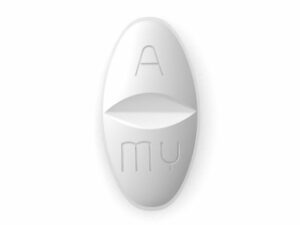


Isoptin (Verapamil) – Patient Information
Isoptin is a medicine containing verapamil, used to treat certain problems with heart rhythm and, in some cases, high blood pressure and chest pain. It belongs to a group of medicines called calcium channel blockers.
This page is designed to help you understand how Isoptin works, how it is usually taken, what to expect, and what to discuss with your pharmacist or prescriber. If you have any questions about your individual treatment, speak to a healthcare professional.
Quick product summary
| Category | Details |
|---|---|
| Active ingredient | Verapamil |
| Medicine type | Calcium channel blocker |
| Common forms | Immediate-release and modified-release formulations may be available (strengths vary) |
| Key uses | Some heart rhythm conditions; angina (chest pain); high blood pressure (depends on local practice) |
| How it works | Slows electrical signals in the heart and relaxes blood vessels |
| Typical side effects | Constipation, dizziness, headache, swelling in ankles/feet |
What is Isoptin (verapamil) used for?
Verapamil is used for conditions where controlling the heart’s electrical activity and/or relaxing blood vessels is helpful. The exact indication depends on your formulation and your personal medical history.
Common indications
- Supraventricular tachycardia (SVT) (fast heart rhythms arising above the heart’s main pumping chamber), including certain re-entry rhythms.
- Rate control in atrial fibrillation or atrial flutter (to help control the heart rate), in selected patients.
- Angina pectoris (chest pain due to reduced blood flow to the heart), where appropriate.
- High blood pressure (hypertension) in some patients (depending on local guidance and formulation).
Important: Not all rhythm problems are treated with verapamil. Your clinician will choose the most suitable option based on the ECG pattern and your overall health.
How does Isoptin work? (mechanism of action)
Verapamil works mainly by blocking calcium channels in the heart and blood vessel walls.
Key effects
- Slows conduction through the AV node: Verapamil slows the passage of electrical signals through the atrioventricular (AV) node, which can reduce heart rate in certain arrhythmias.
- Reduces heart muscle “workload”: By relaxing blood vessels and decreasing blood pressure, it can lower the heart’s demand for oxygen.
- Helps stabilise rhythm: By influencing calcium-dependent electrical activity in heart cells, it can help control specific fast rhythms.
Pharmacokinetics: how the body absorbs and processes verapamil
Pharmacokinetics describes what happens to a medicine in the body: absorption, distribution, metabolism, and elimination.
Absorption
- Bioavailability can be variable due to first-pass metabolism in the liver.
- Formulation matters: immediate-release and modified-release products may have different onset and duration.
Time to effect
- For many patients, noticeable benefits may occur within hours, but the full effect can depend on the condition being treated and the formulation.
- For modified-release versions, the medicine is designed to release over time, so peaks may be lower and steadier.
Distribution
- Verapamil is widely distributed through the body and binds to blood proteins to some degree.
Metabolism
- Verapamil is mainly metabolised in the liver. Activity and side effects can be influenced by liver function and by medicines that affect liver enzymes.
Elimination
- Verapamil and its metabolites are eliminated mainly via the kidneys and to some extent via bile/faeces.
- Because clearance depends on liver function, dose adjustments may be needed in liver disease.
Note for patients: If you develop new symptoms such as marked dizziness, fainting, or unusual breathlessness, seek urgent medical advice. These can indicate low heart rate or low blood pressure.
Typical timing: when to take Isoptin
The timing depends on the specific product and dosing schedule your clinician has recommended.
General guidance
- Follow your label instructions exactly.
- Try to take your doses at the same times each day.
- If you miss a dose, do not double up—check your medicine leaflet or ask your pharmacist for advice.
Immediate-release vs modified-release
- Immediate-release tablets/capsules are usually taken more than once daily depending on your dose.
- Modified-release preparations are designed for longer action and are typically taken fewer times per day. Do not crush, chew, or break modified-release forms unless advised by your pharmacist.
Food interactions: can you take Isoptin with meals?
Food can affect the absorption of some medicines. With verapamil, one interaction is particularly important.
Grapefruit and Seville oranges
- Avoid grapefruit (including grapefruit juice) as it can increase verapamil levels and the risk of side effects.
- Seville orange (marmalade) may also have similar effects; consider limiting or avoiding it and discuss with your pharmacist.
General meal advice
- You can usually take verapamil with or without food, but consistency helps. If your leaflet advises taking it with food, follow that guidance.
- If you notice stomach upset or dizziness around dosing times, let your pharmacist know—timing adjustments may help.
Alcohol interactions
Alcohol can worsen side effects such as dizziness and low blood pressure. Verapamil can lower blood pressure in some people, particularly when combined with alcohol.
- Moderate to heavy alcohol intake increases the chance of feeling faint, lightheaded, or unusually tired.
- If you choose to drink alcohol, keep it light and avoid sudden large amounts.
- Do not drive or operate machinery if you feel dizzy or slowed.
Seek advice if you have liver disease, heart failure, or balance problems, as the risks may be higher.
Medicine interactions: important combinations to know
Verapamil interacts with several medicines due to effects on heart rhythm, blood pressure, and liver metabolism. Always share your full medication list (including over-the-counter products and supplements) with a healthcare professional.
Common interaction themes
- Other heart rate–slowing medicines: increases the risk of slow heart rate (bradycardia) or heart block.
- Medicines affecting the liver enzymes: may raise or lower verapamil levels.
- Blood pressure medicines: can intensify low blood pressure.
- Some antibiotics and antifungals: may increase verapamil levels.
Examples of medicines that may interact
This is not exhaustive, but it highlights common categories discussed in UK practice:
- Beta-blockers (e.g., metoprolol, bisoprolol) – may overly slow the heart rate.
- Digoxin – verapamil can increase digoxin levels.
- Antiarrhythmics (other rhythm medicines) – combined effects on rhythm/conduction.
- Rifampicin (TB medicine) – may reduce verapamil effect.
- Some antibiotics/antifungals (e.g., clarithromycin, erythromycin, azole antifungals) – may increase verapamil levels.
- Medicines for HIV (some protease inhibitors) – may affect verapamil levels.
- Imatinib (certain cancers) and other drugs metabolised by similar pathways – may require monitoring.
- Statins – some interactions can raise statin levels (your pharmacist can advise which statins are safer with verapamil).
Over-the-counter and herbal products
- Herbal remedies can also interact. Examples include St John’s Wort (often affects metabolism).
- Decongestants for colds may affect heart rate and blood pressure. Ask your pharmacist if you are unsure.
Tip: If you are starting a new medicine, tell your pharmacist you take verapamil. They can check interactions quickly.
Dosing: how much is usually taken?
Dosing varies widely by indication, age, formulation, and liver function. The information below is general; always follow the dose on your medicine label or as advised by your healthcare professional.
Typical dosing considerations
- Clinicians often start at a lower dose and adjust gradually depending on response and side effects.
- In older adults or those with reduced liver function, lower doses may be used and monitoring is important.
- Heart rate and ECG findings guide whether the dose is appropriate.
How dosing schedules may differ
- Immediate-release preparations often require multiple daily doses.
- Modified-release preparations are taken less frequently and are designed for steady levels.
Do not change your dose without medical advice. Stopping verapamil suddenly may lead to worsening symptoms in some people with angina or rhythm problems.
Safety profile: side effects and when to seek help
Most people tolerate verapamil reasonably well, but side effects can occur. If you experience severe symptoms, seek urgent medical help.
Common side effects
- Constipation (very common with verapamil—often dose-related)
- Dizziness or lightheadedness
- Headache
- Swelling in ankles/feet (peripheral oedema)
- Feeling tired or weakness
- Low blood pressure symptoms (may feel “washed out”)
Less common but important side effects
- Slow heart rate (bradycardia)
- Heart block or worsening conduction issues
- Shortness of breath or sudden fatigue (especially if accompanied by slow pulse)
- Worsening heart failure in susceptible individuals
- Liver enzyme changes (rare); symptoms can include unusual tiredness, dark urine, or yellowing of the skin/eyes
Seek urgent medical attention if you have
- Fainting, severe dizziness, or collapse
- Chest pain that is new, severe, or worsening
- Very slow pulse (for example, markedly below your usual range) with symptoms
- Breathing difficulty, swelling that rapidly worsens, or sudden weight gain with breathlessness
- Signs of an allergic reaction (swelling of face/lips, rash with breathing problems)
Practical use tips (patient-friendly)
1) Manage constipation early
Constipation is a frequent issue with verapamil. To reduce discomfort:
- Increase fluid intake unless you have fluid restriction instructions.
- Include fibre (fruit, vegetables, wholegrains).
- Consider gentle activity such as walking if safe for you.
- If needed, ask your pharmacist about an appropriate stool softener or laxative. Don’t ignore constipation, especially if it persists.
2) Keep track of your pulse and symptoms
If your treatment is for rhythm control or rate control, monitoring your pulse may help you spot problems early. Discuss targets with your clinician. If you feel unwell between doses, check your pulse if possible.
3) Avoid sudden changes in grapefruit intake
Consistency matters. If you eat grapefruit or drink juice occasionally, discuss this with a pharmacist, because it can raise verapamil levels.
4) Be careful when standing up
Dizziness can happen, especially when starting treatment or after dose changes. Stand up slowly, particularly in the morning or after sitting.
5) Tell healthcare professionals before procedures
Inform dentists, surgeons, and emergency services that you take verapamil, particularly if you have a history of rhythm issues or conduction problems.
Alternative options
If verapamil isn’t suitable (for example, due to side effects, interactions, or a different type of rhythm problem), clinicians may consider alternative medicines or non-drug options.
Possible alternatives (depending on your condition)
- Other calcium channel blockers: e.g., diltiazem may be considered in some rhythm-rate situations.
- Beta-blockers: may be used for rate control in certain arrhythmias.
- Other antiarrhythmic medicines: selected based on ECG type, heart function, and comorbidities.
- Procedural options for specific rhythms: such as catheter ablation, depending on the diagnosis.
- For angina or hypertension: alternative blood pressure/angina medicines may be used (choices depend on kidney function, diabetes, and other risk factors).
Important: The best alternative depends on your exact heart rhythm diagnosis and medical history. Your cardiologist will tailor the plan.
Market and legal context in the United Kingdom
In the UK, the legal status of medicines and the way they are supplied is regulated. Medicines are classed according to safety requirements, and some require healthcare supervision.
Verapamil-containing products are used widely across the NHS and in private care. Availability and supply may vary by strength, formulation (immediate- vs modified-release), and local regulatory classification.
Always use medicines as directed by the pharmacist or healthcare professional, and ensure your product matches what was intended for you (especially modified-release forms).
Recent UK guidance and practice considerations
- For cardiovascular medicines, ongoing emphasis remains on checking interactions and monitoring blood pressure and pulse.
- Clinical decisions increasingly use shared decision-making, with patients encouraged to report side effects and symptoms promptly.
- Pharmacists and clinicians continue to review medicines regularly, particularly in people taking multiple drugs that may affect heart rate or liver metabolism.
Delivery and availability (UK online pharmacy)
Availability of specific Isoptin (verapamil) presentations can vary. When ordering online in the UK, you may see different:
- Strengths
- Formulations (immediate-release vs modified-release)
- Pack sizes
Typical delivery options may include:
- Standard delivery (typically a few working days)
- Express delivery where available
Your order confirmation and dispatch email will usually include estimated delivery times. If a product is out of stock, the pharmacy may contact you about alternatives or availability timelines.
Always check the product name and strength when it arrives to ensure it matches your usual medicine, particularly for modified-release forms.
FAQ: Isoptin (verapamil)
1) How long does it take for Isoptin to work?
Many people notice effects within hours. For modified-release versions, the benefit may build gradually over the day. Full symptom control can depend on your condition and dose adjustments.
2) Can I stop Isoptin if I feel better?
Do not stop or change your dose without medical advice. For some conditions (such as angina), stopping suddenly may worsen symptoms. If side effects are troubling, speak to a healthcare professional rather than stopping abruptly.
3) What should I do if I miss a dose?
Check your medicine leaflet for the exact instructions for your formulation. In general, do not take a double dose to make up for a missed one. Ask a pharmacist if you are unsure, especially if you miss more than one dose.
4) Is it safe to drive while taking verapamil?
Some people experience dizziness or tiredness, particularly when starting treatment or after a dose change. If you feel dizzy, avoid driving and operating machinery until you feel steady again.
5) Why do I get constipation on verapamil?
Constipation is a well-known effect of verapamil, related to its action on calcium-dependent processes in the gut. Staying hydrated, increasing fibre, and using a suitable stool softener/laxative (if recommended by your pharmacist) can help.
6) Can I drink alcohol?
Alcohol may increase dizziness and the risk of low blood pressure. If you drink, do so in moderation and avoid large amounts. If you notice lightheadedness after drinking, limit or avoid alcohol and discuss with a healthcare professional.
7) Can I take Isoptin with other heart medicines?
Some combinations can be risky because they may slow the heart rate too much or affect heart conduction. Always provide your full medication list to a pharmacist so they can check interactions.
8) Should I avoid grapefruit?
Yes. Grapefruit and some citrus products (such as Seville orange) can increase verapamil levels and raise the chance of side effects. It’s best to avoid them unless your pharmacist advises otherwise.
9) Are there any people who should be especially cautious?
Caution may be needed in people with certain heart conduction problems, very low blood pressure, significant liver impairment, or those taking multiple heart-related medicines. Your clinician will evaluate your suitability and may monitor you more closely.
10) What monitoring might I need?
Depending on why you take verapamil, monitoring may include blood pressure and pulse checks, ECG review, and—if appropriate—blood tests for liver function. If you develop new symptoms, seek medical advice promptly.
Disclaimer: This information is a guide for patients. It does not replace the advice of a healthcare professional. If you have any concerns about your medicine, symptoms, or side effects, consult a pharmacist or clinician.