Tasigna (Nilotinib) – Patient-Friendly Information (United Kingdom)
Tasigna is a prescription medicine used to treat certain types of leukaemia. This page explains, in clear terms, what Tasigna is, how it works, how it is usually taken, and the key safety and interaction points that people in the UK should know. Always follow the instructions provided by your healthcare team and the medicine’s official packaging or patient information leaflet.
Basic product information
| Item | Information |
|---|---|
| Medicine name | Tasigna |
| Active ingredient | Nilotinib |
| Medicinal class | Tyrosine kinase inhibitor (TKI) |
| Common indication | Chronic myeloid leukaemia (CML), based on specific disease phase and prior treatment |
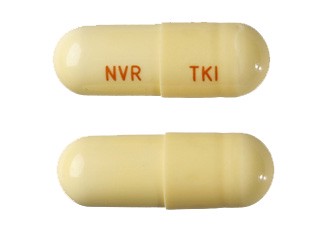
| How it’s taken | Oral capsules (swallowed whole) |
| Typical schedule | Twice daily (morning and evening), with important fasting requirements |
| Food requirement | Must be taken on an empty stomach; avoid food around each dose |
What Tasigna is used for (indications)
Tasigna (nilotinib) is used to treat chronic myeloid leukaemia (CML) and related disease phases in appropriate patients, depending on the specific diagnosis, risk profile, and prior treatments.
Your specialist will confirm whether Tasigna is suitable for you based on:
- Your exact CML phase (e.g., chronic phase versus accelerated/blast phases)
- Previous CML treatments and how well they worked
- Genetic and molecular test results (such as BCR-ABL1)
- Your overall health, including heart rhythm history
In the UK, medicines like Tasigna are typically managed within specialist haematology services and follow local and national clinical guidance.
How Tasigna works (mechanism of action)
Tasigna contains nilotinib, a targeted cancer medicine. It belongs to the group of tyrosine kinase inhibitors. In CML, a key driver is abnormal signalling caused by the BCR-ABL1 fusion protein (often called the “Philadelphia chromosome” abnormality).
Nilotinib works by blocking BCR-ABL1 signalling within cancer cells. This can slow down the growth of leukaemia cells and help reduce the level of abnormal leukaemia activity in the body.
Because it is targeted, the medicine aims to control the disease while trying to limit damage to healthy cells.
Pharmacokinetics: how the body handles nilotinib
Pharmacokinetics describes what happens to a medicine after you take it—how it is absorbed, distributed, metabolised, and eliminated.
- Absorption: Nilotinib is absorbed after oral dosing, but food significantly affects absorption. This is why Tasigna must be taken on an empty stomach with strict timing rules.
- Onset: The medicine becomes available in the bloodstream after absorption; levels rise and then stabilise with regular dosing.
- Distribution: Nilotinib is distributed throughout the body and is extensively protein-bound in plasma.
- Metabolism: Nilotinib is mainly metabolised by liver enzymes, especially CYP3A4. This means medicines that affect CYP3A4 can change nilotinib blood levels.
- Elimination: The drug and its metabolites are cleared mainly via the liver/bile and to a lesser extent via urine.
- Half-life: Nilotinib has a measurable elimination half-life, which supports a twice-daily schedule for steady exposure.
These properties explain why food restrictions and interaction checks (especially with CYP3A4-related medicines) are so important.
Typical use and treatment expectations
Tasigna is designed for long-term disease control. Many people take a TKI continuously for months or years, depending on response, side effects, and specialist review.
Treatment goals typically include:
- Reducing BCR-ABL1 levels to achieve a meaningful molecular response
- Maintaining that response over time
- Improving blood counts and preventing disease progression
Monitoring usually includes regular blood tests and scheduled specialist assessments. Your team may also track heart rhythm safety with ECGs and monitor certain blood chemistry markers.
How to take Tasigna: timing, fasting, and practical steps
General timing
Tasigna is usually taken twice daily. Because absorption is affected by food, the timing around meals is critical to keep exposure stable and reduce the risk of side effects.
Food rules (very important)
Tasigna must be taken on an empty stomach. A typical approach is:
- Take your dose at least 2 hours after eating.
- Then wait at least 1 hour after taking your dose before eating.
Some patients may be advised on an individual schedule based on tolerance and lifestyle. If you are unsure, ask your pharmacist or prescriber to confirm the schedule for your daily routine.
How to swallow capsules
- Swallow capsules whole with water.
- Do not open, crush, or chew unless your medicine-specific instructions allow it.
- Keep a consistent routine to support steady blood levels.
If you miss a dose
If you miss a dose, follow the advice given by your healthcare team or the official patient information leaflet. In general, people are advised not to take double doses to make up for a missed one. Contact your healthcare team for guidance if you are unsure.
Practical “day-to-day” tips
- Plan meals around your doses: choosing a predictable breakfast and dinner time makes fasting easier.
- Set reminders: alarms can help avoid missed doses.
- Carry a medication card or list: include Tasigna and the dose schedule to share with other clinicians.
- Hydration matters: drink water regularly unless you’ve been told to limit fluids.
- Be consistent with routine: sudden changes in meal timing can affect absorption.
Dosing: typical approach and dose adjustments
Dosing varies depending on the specific treatment setting, disease phase, and your response and tolerability. Your specialist will prescribe the appropriate dose for you.
Key points to understand:
- Tasigna dosing is usually twice daily.
- Your dose may be adjusted based on side effects, blood test results, and cardiac monitoring.
- Do not change the dose or stop treatment without discussing it with your specialist team.
If you have concerns about how you’re responding or side effects you’re experiencing, speak to your healthcare team. They can review your medicines, check interactions, and consider appropriate dose adjustments or additional monitoring.
Alcohol and medicine interactions
Alcohol
There is no universal “safe” amount of alcohol for everyone taking nilotinib, because tolerability and liver function can vary. Alcohol may also increase the risk of dehydration or worsen fatigue and nausea.
Consider the following practical guidance:
- If you drink alcohol, keep it small and infrequent, and follow your clinician’s advice.
- Avoid heavy drinking, especially if you have liver-related concerns.
- Tell your healthcare team if you notice worsening side effects after drinking.
Medicine interactions (especially CYP3A4 and heart rhythm drugs)
Nilotinib can interact with other medicines because it is metabolised by CYP3A4. Some drugs can raise nilotinib levels (increasing side effect risk), while others can reduce its effectiveness.
Also, nilotinib can affect heart rhythm (QT interval). Medicines that also prolong QT or affect electrolytes may increase risk.
Important interaction categories include:
-
Strong or moderate CYP3A4 inhibitors (may increase nilotinib levels)
- Examples can include some antifungals and certain antibiotics
- CYP3A4 inducers (may reduce nilotinib levels and effectiveness)
- Medicines known to prolong QT interval (heart rhythm risk)
- Medicines affecting electrolytes (e.g., low potassium or magnesium), which can increase QT risk
- Herbal products, such as St John’s wort, which can affect drug metabolism
Always share a complete list of your medicines and supplements (including over-the-counter products) with your pharmacist and specialist team. This includes:
- Pain relief medicines
- Acid reducers (e.g., proton pump inhibitors or H2 blockers)
- Antacids
- Antidepressants and anti-anxiety medicines
- Anticonvulsants
- Antibiotics/antifungals
- Herbal remedies
Food interactions: what to avoid
The most critical food interaction is related to absorption. Food can substantially increase blood levels of nilotinib, which may increase the risk of adverse effects.
Therefore:
- Avoid eating close to your doses (follow the “2 hours after / 1 hour before” approach).
- Do not take Tasigna with large meals or high-fat foods unless your clinician has instructed otherwise.
- Maintain consistent meal timing from day to day.
If you struggle to keep to fasting because of nausea, work patterns, or other health needs, speak to your healthcare team. They can help you develop a workable routine and check whether any additional supportive care is needed.
Safety profile: common and important side effects
Like all medicines, Tasigna can cause side effects. Not everyone experiences them, and some effects are manageable with supportive care, closer monitoring, or dose adjustment.
Common side effects
- Fatigue
- Nausea or upset stomach
- Headache
- Muscle or joint pain
- Rash
- Changes in blood tests (e.g., blood counts, liver enzymes)
Serious or urgent risks (seek medical advice promptly)
Some side effects can be serious. Contact your healthcare team urgently if you experience:
- Symptoms of abnormal heart rhythm such as fainting, severe dizziness, palpitations, or chest discomfort
- Signs of low blood counts such as unusual bruising/bleeding, severe infection symptoms (fever, chills), or extreme weakness
- Severe shortness of breath, swelling in the legs, or sudden chest pain
- Severe allergic reactions (e.g., swelling of face/lips, trouble breathing, widespread rash)
- Severe or persistent vomiting or inability to keep fluids down
Monitoring commonly includes blood tests and electrocardiograms (ECGs) because of heart rhythm considerations. Your specialist may also monitor metabolic and cardiovascular risk factors.
When monitoring is especially important
- History of QT prolongation or relevant heart disease
- Low potassium or magnesium levels
- Liver impairment or abnormal liver test results
- Concurrent medicines that interact with nilotinib
- New symptoms that start after beginning or changing the dose
Practical use tips for safer treatment
- Keep up with monitoring: attend scheduled blood tests and ECG appointments.
- Report new symptoms early: do not wait until your next appointment if you feel unwell.
- Check interactions every time: including when you start/stop antibiotics, antifungals, pain relief, or new supplements.
- Be careful with “as needed” products: some over-the-counter medicines can affect the stomach or interact indirectly.
- Maintain electrolyte balance: follow advice about hydration, diet, or supplementation if your team recommends it.
- Use a medication schedule: tick off doses to reduce missed doses and avoid double-dosing.
If you experience bothersome side effects, ask whether supportive medicines are appropriate for you and whether any dose modification is needed.
Alternative options
In CML, treatment is often with targeted TKIs. The “best” option depends on disease phase, prior responses, safety factors, and individual preferences. Alternatives can include other TKIs used in CML such as:
- Imatinib
- Dasatinib
- Bosutinib
- Ponatinib (for specific situations)
Switching between TKIs may be considered if there are unacceptable side effects, inadequate response, or changes in treatment goals. Your specialist will also consider overlap of side effect profiles (for example, heart rhythm and fluid retention patterns).
In addition to TKIs, some patients may have access to further strategies depending on their disease and response, including specialist-led supportive care and, in selected cases, treatment modification plans.
United Kingdom: market, regulatory, and guidance context
In the UK, cancer medicines including Tasigna are regulated by the Medicines and Healthcare products Regulatory Agency (MHRA) and supported by guidance and pathways for CML management within NHS specialist services.
Treatment decisions are informed by:
- National clinical guidance and recommendations for CML management (including monitoring of molecular response).
- Local NHS commissioning and availability arrangements.
- The medicine’s summary of product characteristics (SmPC) and patient information leaflet.
- Safety communications and updates when they relate to heart rhythm, drug interactions, or risk minimisation.
If you are looking for the most current information, discuss updates with your prescriber or pharmacist, who can check the latest safety communications and local formulary notes.
Recent guidance and safety communications (how to stay up to date)
Over time, guidance and safety recommendations may be updated based on new clinical evidence and post-marketing experience. Because nilotinib has important safety considerations (notably effects related to QT interval and interactions), staying informed is important.
- Ask your pharmacist if there are any updated interaction alerts relevant to your current medicine list.
- If your dose or schedule has changed, confirm your fasting routine with your clinician.
- Keep your ECG and blood test appointments—these reflect best-practice safety monitoring.
Your care team will use the latest available information to decide the safest approach for you.
Delivery and availability in the UK
Availability may vary by strength and capsule count, and stock can change. If you’re ordering Tasigna through an online pharmacy, delivery options may depend on your location and the timing requirements of the service.
Typical practical points to consider:
- Dispatch timing: many pharmacies aim to dispatch quickly after verification and processing.
- Packaging: medicines are supplied in original packaging to maintain traceability and correct identification.
- Storage guidance: store as stated on the pack/leaflet (usually at room temperature away from moisture and heat).
- Order continuity: plan ahead to avoid running out, especially if your next cycle depends on uninterrupted dosing.
For the most accurate delivery timeframe and stock availability, check the product page or contact the pharmacy directly.
FAQ
1) Can I take Tasigna with food?
No—Tasigna must be taken on an empty stomach. Food can increase nilotinib absorption, raising the risk of side effects. A common rule is to take the dose at least 2 hours after eating and wait at least 1 hour before eating again.
2) How should I manage breakfast and dinner around my doses?
Many people choose a consistent routine: eat breakfast, wait 2 hours, take the morning dose, then wait 1 hour before eating. Repeat for the evening dose. If your schedule is unusual, ask your pharmacist to help you set a safe plan.
3) What happens if I accidentally eat too close to my dose?
Don’t panic, but try to return to the correct schedule. Food effects can be significant, so it’s best to contact your healthcare team or pharmacist for advice—especially if it happens repeatedly.
4) Are there medicines I should avoid while taking Tasigna?
Yes. Interactions are important, particularly medicines that affect CYP3A4 metabolism or those that can influence heart rhythm (QT interval). Always provide a full list of your medicines and supplements to your pharmacist.
5) Can I drink alcohol while on Tasigna?
Small amounts may be acceptable for some people, but it can worsen side effects and may affect the liver or general wellbeing. If you’re unsure, ask your healthcare team. Avoid heavy drinking.
6) What side effects should I watch for most closely?
Seek urgent advice for symptoms such as fainting, severe dizziness, palpitations, chest discomfort, severe breathlessness, or signs of serious infection. Contact your specialist promptly for persistent nausea, significant rash, or unusual bruising/bleeding.
7) Do I need ECGs or blood tests?
Often, yes. Monitoring helps check blood counts, liver function, and heart rhythm safety. Follow your scheduled appointments.
8) Can my dose be adjusted?
Yes, your specialist may adjust dose or timing if side effects occur or based on response and monitoring results. Do not adjust the dose yourself without medical advice.
9) What should I do if I miss a dose?
Follow the advice in the patient information leaflet or provided by your healthcare team. In many cases, you should not take a double dose. If you’re unsure, contact your pharmacist.
10) Are there alternatives to Tasigna?
There are other TKIs used in CML. Whether one is suitable depends on your disease characteristics, prior treatment, and your safety profile. Discuss options with your specialist.
Important patient reminder
This information is intended to help you understand Tasigna (nilotinib) in everyday language. It does not replace the advice of your healthcare team. If you have questions about your treatment plan, side effects, fasting routine, or interactions with other medicines, contact your pharmacist or specialist for personalised guidance.