

Hydroxyurea (Hydroxycarbamide) — Patient-Friendly Guide
Hydroxyurea is a medicine used to treat a variety of blood disorders and certain cancers. In the United Kingdom it is widely available under different brand names and as a generic product (hydroxycarbamide/hydroxyurea). This guide explains what hydroxyurea does, how it works in the body, how it is usually taken, and how to use it safely.
This information is designed to be patient-friendly and practical. It does not replace advice from your healthcare professional, who will consider your individual diagnosis, blood test results, and overall health.
Quick product information
| Category | Details |
|---|---|
| Generic name | Hydroxyurea (also known as hydroxycarbamide) |
| What it is | A prescription medicine used in blood disorders and some cancers |
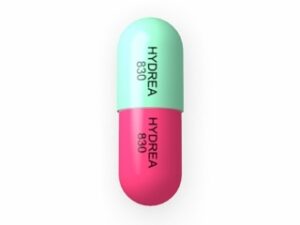
| Common forms | Oral capsules or tablets (strengths vary) |
| How it is taken | Usually once daily (dose schedule may differ by condition) |
| Typical monitoring | Regular blood tests and kidney/liver checks depending on your situation |
| Key precautions | May lower blood counts; affects DNA production in rapidly dividing cells |
How hydroxyurea works (mechanism of action)
Hydroxyurea affects cells that divide quickly. It works mainly by reducing the formation of DNA, which slows down the growth of certain cells in the bone marrow and other tissues. In blood disorders, this helps to lower excessive production of blood cells. In some cancers, it helps control tumour growth by slowing cell division.
It also supports the management of conditions where abnormal blood cell production causes symptoms and complications. For example, in sickle cell disease, hydroxyurea can increase the production of fetal haemoglobin (HbF), which helps reduce the tendency of sickled red blood cells to form.
Pharmacokinetics (how the body processes it)
Pharmacokinetics describes how the body absorbs, distributes, metabolises, and eliminates a medicine. Hydroxyurea is taken by mouth, and absorption varies between individuals but is generally adequate for clinical use.
Absorption
After oral dosing, hydroxyurea is absorbed through the gastrointestinal tract. Peak blood levels are reached within a few hours in many patients. Taking it consistently (as directed) helps maintain a predictable effect.
Distribution
Hydroxyurea distributes into body tissues, including bone marrow, where it can influence blood cell production.
Metabolism
Hydroxyurea is metabolised in the body. The degree of metabolism and the breakdown products contribute to how long it remains active.
Elimination
Hydroxyurea is mainly eliminated via the kidneys. Because of this, your clinician may adjust dosing or monitor more closely if you have kidney impairment.
Typical uses in the UK
Hydroxyurea is used in specialist care. The exact use depends on your diagnosis and your overall health. Common uses include:
- Sickle cell disease: to help reduce frequency of painful crises and complications in selected patients.
-
Myeloproliferative neoplasms (MPNs), such as:
- Essential thrombocythaemia
- Polycythaemia vera
- Sometimes other related conditions as advised by a specialist
- Certain cancers, depending on specialist assessment and treatment plan.
Your treatment plan may focus on symptom reduction, lowering blood cell counts, reducing disease activity, or controlling specific tumour processes.
How and when to take hydroxyurea (timing and consistency)
Hydroxyurea is usually taken by mouth, but the schedule can differ depending on the condition and your prescribed dose. Some regimens involve dose adjustments based on blood test results.
Timing
- Choose a time of day that you can keep consistent.
- Take your dose at about the same time each day to support steady effect.
- If you are told to alternate days or change dosing frequency, follow the exact schedule provided.
Missed dose
If you miss a dose:
- Take it as soon as you remember on the same day, unless your clinician has advised otherwise.
- If it is close to your next dose, skip the missed dose and continue with the usual schedule.
- Do not take an extra dose to make up for a missed one.
If you are unsure, ask your healthcare professional or pharmacist for guidance.
Food interactions and taking with meals
Hydroxyurea can generally be taken with or without food. However, different patients may find that taking it with food reduces stomach upset. The most important factor is consistency: if you choose to take it with food, do so each day.
- If you experience nausea or stomach discomfort, consider taking it with a meal or a light snack.
- Stay well hydrated unless you have been advised to restrict fluids.
There are no widely used “diet restrictions” that are universally required for hydroxyurea. Nevertheless, always inform your clinician about any major dietary changes, supplements, or herbal products.
Alcohol interactions
There is no single universal rule that “alcohol is forbidden” for everyone taking hydroxyurea, but alcohol can affect your health and may worsen side effects such as tiredness, nausea, and liver strain.
- Use caution and keep alcohol intake modest.
- If you have liver problems, frequent infections, or are experiencing significant blood count changes, it is best to discuss alcohol with your clinician.
- Avoid heavy binge drinking, which may increase risk of complications.
If you are unsure what is safe for you, ask your pharmacist or treating team.
Medicine interactions (including over-the-counter medicines)
Hydroxyurea can interact with other medicines, especially those that affect the bone marrow or immune system. Interactions can also occur through kidney function or effects on blood counts. Always provide your healthcare professional with a full list of medicines, supplements, and non-prescription products.
Key interaction considerations
- Other medicines that suppress the bone marrow may increase the risk of low blood counts (infection, anaemia, bruising/bleeding).
- Antiviral or immunosuppressive medicines should be reviewed carefully, particularly if you are at higher infection risk.
- Medicines affecting kidney function may influence hydroxyurea levels. Tell your clinician if you start medicines that affect the kidneys.
- Vaccines: live vaccines may be less suitable if your immune system is affected. Ask your healthcare professional before vaccinations.
Over-the-counter pain relief
If you need pain relief, ask your pharmacist what is suitable for you. Some painkillers can have effects on blood clotting or the stomach, which may matter if your blood counts are low.
Important: Avoid starting new medicines, including herbal supplements, without checking with your pharmacist—especially during periods of blood count monitoring.
Indications (conditions where it may be prescribed)
“Indication” means the medical reason hydroxyurea is prescribed. In the UK, hydroxyurea is used in specialist care for several conditions, most notably:
- Sickle cell disease in appropriate patients to reduce complications.
- Myeloproliferative neoplasms where controlling blood counts and reducing thrombotic risk is important.
- Cancers in selected circumstances as part of an overall treatment plan.
Your clinician may tailor treatment goals—for example, controlling symptoms, reducing the frequency of episodes, or lowering specific blood parameters.
Dosing guidance (how dose is commonly managed)
Dosing of hydroxyurea is individualised. Your prescribed strength and number of capsules/tablets depends on your condition and your blood test results. Dose adjustments are commonly used to achieve an effective level while avoiding excessive bone marrow suppression.
General principles
- Start at a dose determined by your specialist based on your condition and current blood counts.
- Regular blood tests help guide dose changes.
- Your dose may be reduced if blood counts drop too far, or increased if counts are stable and the medicine is not achieving the desired effect.
Typical administration approach
- Often once daily.
- Some regimens may involve stepwise changes every few weeks.
- Follow the schedule exactly—do not adjust your dose yourself.
If you have kidney impairment, your clinician may use a modified dose and closer monitoring. If you have liver disease, monitoring may also be adjusted.
Handling and safety precautions for tablets/capsules
Hydroxyurea can affect cell growth. Protect your skin from accidental contact with broken capsules or crushed tablets. If medication is accidentally spilled, avoid direct contact and follow local cleaning/disposal guidance from your pharmacy or clinic.
Safety profile and side effects
Like all medicines, hydroxyurea can cause side effects. Not everyone experiences them, and the severity varies. The most important risks relate to the effect on rapidly dividing cells in the bone marrow, which can lower blood counts. This is why routine monitoring is essential.
Common side effects
- Tiredness or weakness
- Stomach upset, nausea, or loss of appetite
- Headache
- Skin changes (for example, dryness or rash in some people)
- Low blood counts detected on blood tests (which may or may not cause symptoms)
- Oral ulcers or mouth sores
Serious side effects (seek urgent medical advice)
Contact a healthcare professional promptly if you experience:
- Signs of infection, such as fever, chills, or feeling suddenly unwell
- Unusual bruising or bleeding (e.g., nosebleeds that won’t stop, bleeding gums, unexpected blood in urine/stool)
- Severe mouth sores or trouble swallowing
- Breathlessness or marked fatigue (which may suggest anaemia)
- Any rapidly worsening symptoms
Long-term considerations
Long-term use requires ongoing monitoring and review by your specialist. Your team will balance benefits against risks and may adjust dose over time.
Practical use tips for patients
- Keep blood test appointments: blood counts guide safe dosing.
- Use a medication organiser if helpful (weekly pill boxes can reduce missed doses).
- Stay consistent with timing and whether you take it with food.
- Hydrate unless you’ve been told to restrict fluids.
- Monitor your skin and mouth: report persistent rashes, mouth ulcers, or painful sores.
- Infection prevention: practise good hand hygiene and seek advice early if you develop fever or feel unwell.
- Avoid handling broken medicine: if a capsule or tablet is damaged, wear gloves if possible and avoid skin contact.
Missed doses and what to do if you accidentally take too much
Accidentally taking an extra dose
If you take more than prescribed, contact a healthcare professional for advice as soon as possible. Symptoms may relate to low blood counts, nausea, or general illness.
Do not stop suddenly without guidance
Hydroxyurea can be important for controlling symptoms and complications. If you are considering stopping or changing your dose, speak with your healthcare professional first.
Alternative options
“Alternative” depends on the condition being treated. In specialist care, options may include other medicines, lifestyle interventions, and—where relevant—disease-specific therapies.
For sickle cell disease (examples of alternatives)
- Other disease-modifying therapies may be considered depending on eligibility and availability.
- Supportive care such as vaccinations, infection prevention, and appropriate pain management.
- Transfusion strategies in specific circumstances.
For myeloproliferative neoplasms (examples of alternatives)
- Other cytoreductive medicines may be considered depending on risk profile and blood count targets.
- Some patients require different combinations of medicines to reduce clotting risk.
- In selected cases, specialist treatment options may include procedural approaches or clinical trial therapies.
Discuss alternatives with your specialist team. They can compare expected benefits, monitoring needs, and side effect profiles for your specific diagnosis.
UK market, legal and availability context (overview)
Hydroxyurea is an established medicine in the UK and is available through licensed supply channels. Availability may depend on stock levels, strength, and formulation (capsules vs tablets). Your healthcare professional will prescribe the formulation and strength most appropriate for you.
What this means for patients ordering online
Online pharmacy services in the UK follow legal requirements for patient safety, identity checks, and appropriate information governance. Availability is subject to licensed distribution, regional stock, and manufacturer supply.
Recent guidance (general trends)
Recent years have reinforced the importance of:
- Regular blood monitoring to minimise risks associated with low blood counts.
- Careful dose adjustment in response to results and symptoms.
- Patient education on infection warning signs and when to seek urgent help.
- Special attention during periods of illness, dehydration, or kidney impairment.
Local protocols may vary by hospital and condition. Your specialist team will provide the most up-to-date instructions for your care pathway.
Delivery and availability (how to plan ahead)
When ordering hydroxyurea online in the UK, delivery times can vary depending on:
- Where you live (UK region)
- Stock availability at the supplier
- The formulation and strength required
- Bank holidays and cut-off times
To avoid running out, consider ordering early—especially if you need ongoing therapy and your dose schedule is stable. If you are between dose adjustment cycles, your clinician may schedule blood tests; planning delivery around appointment dates can help prevent gaps.
Storage and handling
- Store at room temperature unless your packaging specifies otherwise.
- Keep out of sight and reach of children.
- Store in the original container to protect from light and moisture where relevant.
- Do not use after the expiry date printed on the packaging.
FAQ — Hydroxyurea
1) What is hydroxyurea used for?
Hydroxyurea is used for conditions such as sickle cell disease and certain blood cancers (myeloproliferative neoplasms), and in some circumstances for particular cancer treatments. The exact reason depends on your diagnosis.
2) How long does it take to work?
Some effects may be seen within weeks, but the timing varies by condition. For blood disorders, dose is often adjusted based on repeated blood tests, so early results may guide how quickly benefits appear.
3) Will hydroxyurea lower my immunity?
It can lower certain blood cells involved in immunity (such as white blood cells), which may increase infection risk. Monitoring and prompt attention to infection symptoms are therefore important.
4) What blood tests will I need?
You will usually need regular full blood counts (FBC) to check haemoglobin, white cells, and platelets. Kidney function tests may be monitored as well, especially if you have existing kidney issues.
5) Can I take it with food?
Hydroxyurea can generally be taken with or without food. Many patients find taking it with food helps reduce stomach upset—just keep your approach consistent day to day.
6) Is it safe to drink alcohol?
It’s best to keep alcohol modest and discuss your situation with your healthcare professional, particularly if you have liver problems or significant side effects. Avoid heavy drinking.
7) What should I do if I get fever or feel unwell?
Fever can be an emergency if your white blood cell counts are low. Seek urgent medical advice if you develop a fever, chills, or you feel suddenly unwell, especially during times when your blood counts may be low.
8) Can I stop hydroxyurea if I feel better?
Do not stop or change your dose without medical advice. Hydroxyurea is often used as ongoing therapy, and stopping suddenly may cause disease activity to return.
9) Are there alternatives if I cannot tolerate hydroxyurea?
Depending on your condition, alternatives may be available. Options may include other disease-modifying medicines or supportive strategies. Your specialist team can advise based on your history and blood test pattern.
10) How should I manage skin or mouth side effects?
Report new or worsening mouth sores, persistent rash, or skin ulcers. Your pharmacist or clinician may recommend mouth care steps or adjust your treatment depending on severity and blood test results.
Need help choosing or checking availability?
If you have questions about hydroxyurea strength, formulation (capsule/tablet), or delivery options in the UK, you can contact the pharmacy team. They can also help ensure you have the right item for your treatment schedule and advise on safe handling.