Urso (Ursodiol) — Patient Information (UK)
Urso (ursodiol, also called ursodeoxycholic acid) is a medicine used to help treat certain liver and bile-duct conditions. It works by improving the composition and flow of bile, which can reduce bile-related damage in specific situations. This guide explains what Urso is, how it works, how to take it safely, and what to expect.
Quick facts
- Active ingredient: Ursodiol (ursodeoxycholic acid)
- Common uses: Certain types of cholesterol gallstones and specific bile-related liver disorders
- How it helps: Alters bile composition and protects bile duct cells
- How long it takes: Gallstones may take months to dissolve; long-term use may be required for some liver conditions
- Key safety notes: Regular follow-up and blood tests may be needed
Basic product information
Urso is a brand name for ursodiol. Ursodiol is taken by mouth and is absorbed from the small intestine. It then helps the body’s bile function by changing the types of bile acids present.
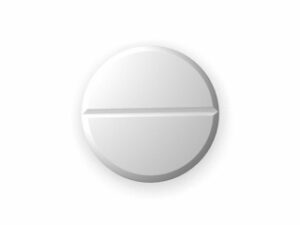
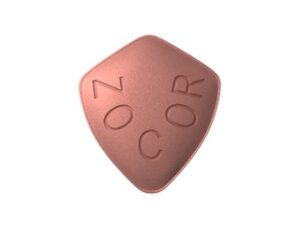
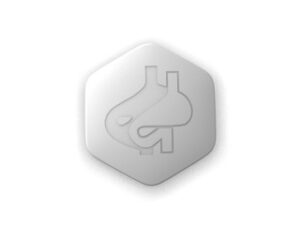
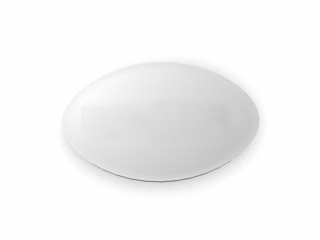
Available presentations: Depending on the supplier, Urso may be available as capsules or tablets in different strengths. Your exact dosage and schedule should follow the instructions provided with your medicine and your healthcare team.
How Urso (ursodiol) works
Mechanism of action (patient-friendly)
Urso is a bile acid. In the body, bile acids help digest fats and carry waste products out through the liver into the bile and then the gut.
Ursodiol helps in two main ways:
- Changes bile composition: It replaces more harmful bile acids with ursodiol in the bile, making bile less irritating to the liver and bile ducts.
- Improves bile flow and reduces toxicity: It can help protect the lining of bile ducts and may reduce cholestatic (bile-flow-related) injury.
For gallstones (where appropriate)
In people with certain cholesterol gallstones, ursodiol can slowly dissolve stones by reducing cholesterol saturation in bile.
Pharmacokinetics (how the body handles it)
“Pharmacokinetics” describes what the body does to the medicine—absorption, distribution, metabolism, and excretion.
- Absorption: Ursodiol is absorbed in the small intestine. The extent of absorption can vary between individuals.
- Distribution: After absorption, it enters the bile acid pool and circulates through bile and blood pathways.
- Metabolism and bile recycling: Like other bile acids, it undergoes metabolism and is subject to enterohepatic circulation (a normal recycling process between the liver and intestines).
- Elimination: Ursodiol and its metabolites are eliminated mainly via bile and, to a smaller extent, through the faeces. The long-term nature of bile acid recycling is one reason treatment may take time.
Typical uses in the UK
Urso is used for specific medical conditions where the benefits outweigh risks. Indications may vary slightly between product licences and patient circumstances.
Common indications include:
- Cholesterol gallstones in a functioning gallbladder (for appropriate stone types and sizes)
- Primary biliary cholangitis (PBC) (formerly known as primary biliary cirrhosis) in adults
- Other cholestatic liver disorders depending on specialist assessment and local guidance
Important: Not all gallstones dissolve. Ursodiol is generally most effective for cholesterol stones and when stones are suitable for medical therapy. Imaging may be needed to confirm eligibility.
How to take Urso: timing and practical guidance
Typical dosing timing
Many people take ursodiol once or twice daily, depending on their prescribed regimen and product strength. The key points are:
- Take it consistently at the same times each day.
- Follow your dosing schedule on your packaging or as advised by your clinician.
- Swallow whole if capsules/tablets are designed for whole swallowing (do not crush unless instructed).
With or without food
Ursodiol can be taken with food. Taking it with food may improve comfort for some people. If your dosing is split into two or more doses, consider spreading them evenly (e.g., morning and evening) to maintain steady exposure.
If you miss a dose
- Take it when you remember unless it is close to the time for the next dose.
- Do not take a double dose to make up for the missed one.
- If you frequently miss doses, discuss with a healthcare professional for practical adjustments.
Food interactions and digestion tips
Food can influence bile and digestion, which may affect how well ursodiol works. Most patients can take Urso in normal meals without issue, but consider these practical points:
- High-fat meals: Since bile helps digest fats, large high-fat meals may change digestive demand and bile flow. This generally does not make ursodiol unsafe, but it may affect tolerance. If you notice discomfort, try taking your dose with a moderate meal.
- Consistency matters: Try to keep your meal pattern stable while on treatment.
- Cholestyramine/colestipol-type products: These are not food, but they can affect absorption. They are discussed under “medicine interactions.”
If you have significant digestive symptoms, it’s sensible to consult your clinician to ensure the regimen is optimised.
Alcohol interactions
Ursodiol is used to manage bile and liver-related conditions, so liver health is an important consideration.
- Alcohol use is not usually directly contraindicated by ursodiol, but it may worsen underlying liver disease in some people.
- If you have primary biliary cholangitis or other liver conditions, it’s best to discuss alcohol intake with a healthcare professional.
- Practical advice: If you drink, keep to moderate amounts and avoid “binge” drinking. Report any worsening symptoms such as increased fatigue, itching, jaundice, or abdominal pain.
Medicine interactions (important)
Some medicines can change ursodiol absorption or how bile acids behave in the gut. Always check interactions, especially if you take long-term medicines.
Medicines that may reduce ursodiol effect
- Bile acid sequestrants such as cholestyramine or colestipol: these can bind bile acids and may reduce ursodiol absorption. If both are needed, spacing doses may be required, but this should be planned with a clinician.
Medicines that may affect bile composition
- Hormonal treatments (e.g., certain oestrogen-containing therapies): in some situations, they can increase cholesterol in bile, potentially reducing gallstone-dissolution effectiveness.
- Cholesterol-lowering and lipid medicines: effects depend on the specific drug. Discuss with a pharmacist if you take lipid-lowering therapy.
Other potential interactions
Ursodiol may interact with some treatments metabolised in the liver. Your pharmacist can check your full list of medicines (including over-the-counter products and supplements) for safety.
Always tell your healthcare provider about:
- All medicines you take (including herbal products)
- Recent changes to your medicines
- Any history of bile duct blockage or gallbladder dysfunction
Dosing: typical approach
Dosing depends on the condition being treated, your weight, liver function, and how you respond to therapy. For UK patients, dosing regimens are usually individualised by the prescriber.
General principles
- Follow the dose on the label exactly.
- Use the same daily schedule to help maintain steady treatment.
- Regular monitoring may be done with blood tests for liver enzymes and bile markers, especially in chronic bile disorders.
Typical dosing ranges (educational)
Because strengths and licences vary, the table below provides a general overview rather than a personal prescription:
| Condition | Typical ursodiol dosing approach | Notes |
|---|---|---|
| Cholesterol gallstones | Often taken once or in divided doses daily | Effect may take months; not all stone types respond. |
| Primary biliary cholangitis (PBC) | Typically a stable daily dose, sometimes split | Long-term treatment is often required; monitoring is important. |
| Other cholestatic conditions | Doses may be individualised by specialists | Follow specialist plans and lab monitoring. |
Important: Your exact dose should come from your clinician and the product packaging. Do not change the number of capsules or tablets without guidance.
What to expect: onset of effect and follow-up
- Gallstones: Many people will not notice immediate changes. Imaging follow-up may assess stone size and whether dissolution is occurring.
- Chronic bile disorders: Liver blood tests and symptoms (such as itching, tiredness, or abnormal liver enzymes) can improve over time, often over months.
- Monitoring: Regular blood tests are commonly used to check liver function and treatment response.
Safety profile and side effects
Like all medicines, ursodiol can cause side effects. Many people experience mild effects, and not everyone gets them.
Common side effects
- Loose stools or diarrhoea
- Stomach discomfort, nausea, or mild indigestion
- Weight or appetite changes (less common)
Less common but important
- Worsening of itching in early treatment for some patients
- Abnormal liver test results that require review
Seek urgent medical help if
Contact urgent medical services or seek prompt advice if you develop signs of a serious reaction, such as:
- Swelling of the face/lips, difficulty breathing, or severe rash
- Severe abdominal pain, persistent vomiting, or rapid worsening yellowing of the skin/eyes
Who should take extra care?
- People with a history of gallbladder infection, complete bile duct blockage, or complications may require specialist assessment.
- If you have advanced liver disease or multiple medical conditions, ongoing monitoring is especially important.
Practical use tips for better results
- Stick to your schedule: Consistency improves the chance of treatment benefit, particularly for conditions requiring long-term bile acid adjustments.
- Use reminders: Phone alarms or pill organisers can reduce missed doses.
- Track symptoms: Note changes in itching, fatigue, abdominal discomfort, stool colour, or signs of jaundice and report them during follow-up.
- Keep appointment schedules: Blood tests and imaging (when relevant) help guide whether therapy is working.
- Avoid sudden changes in medicines: If you start or stop any medicine, check interactions.
Alternative options (depending on your diagnosis)
The “best alternative” depends on whether you’re treating gallstones, PBC, or another bile-related condition. Options may include:
For cholesterol gallstones
- Laparoscopic cholecystectomy (surgical removal of the gallbladder) is often considered for eligible patients, depending on symptoms and risk.
- Other medical or procedural options may be considered when stones cannot be dissolved reliably with ursodiol.
For primary biliary cholangitis (PBC)
- Ursodiol is a standard therapy in many cases, but specialists may consider additional treatments if response is incomplete.
- Supportive care for symptoms (e.g., itch management) may be used alongside bile-related therapies.
Supportive lifestyle measures
While they don’t replace medical treatment, general measures may support liver and gallbladder health:
- Maintain a balanced diet
- Avoid smoking
- Use alcohol cautiously
- Follow vaccination and health-check recommendations relevant to chronic liver disease
Always discuss alternatives with a healthcare professional who knows your diagnosis and test results.
Market & legal context in the United Kingdom
In the UK, medicines are regulated by the Medicines and Healthcare products Regulatory Agency (MHRA), and advertising and supply are governed by UK medicines legislation and pharmacy standards.
- Urso (ursodiol) is an established medicine with ongoing use in appropriate liver and bile disorders.
- Brands and product presentations may vary. Your pharmacist can help match the active ingredient and strength.
- For chronic conditions, treatment success depends on proper diagnosis, imaging where relevant, and appropriate monitoring.
Important: UK availability can depend on formulation and supplier. Your online pharmacy can check stock and confirm the correct strength and format before dispatch.
Recent guidance and clinical practice updates (UK context)
Clinical care for PBC and other cholestatic conditions continues to evolve. Common themes in contemporary practice include:
- Early diagnosis and monitoring: Regular follow-up with liver function tests is used to assess response.
- Response-guided management: Clinicians may review treatment effectiveness using blood markers and patient symptoms.
- Safety and interaction awareness: Ongoing checking of medications that can affect bile acid handling.
For gallstone dissolution, eligibility depends on stone characteristics and gallbladder function. Specialist review may be needed before ursodiol is chosen over other options.
Delivery and availability (online pharmacy)
Availability of Urso depends on supply and the specific strength you need. Many online pharmacies in the UK offer home delivery with options such as:
- Standard delivery (times vary by provider)
- Express delivery where available
- Packaging designed for safe transport
Before dispatch, the pharmacy typically checks that the product strength and format match your order and that it is suitable for the intended use.
Tip: If you require a specific dosage form (e.g., capsule vs tablet) or strength, ensure it matches what is stated on your treatment plan.
Safety checklist before you start (or continue)
- Confirm your diagnosis (especially for gallstones—only certain types dissolve).
- Tell your pharmacist about all current medicines, including bile-binding products.
- Plan for monitoring blood tests if you have PBC or other liver conditions.
- Discuss alcohol habits and any liver-related symptoms.
FAQ about Urso (ursodiol)
1. Is Urso the same as ursodeoxycholic acid?
Yes. Ursodiol is another name for ursodeoxycholic acid. Brand name products like Urso contain the active bile acid used for bile-related conditions.
2. How long does Urso take to work?
It depends on the condition. For cholesterol gallstones, dissolution may take months, and follow-up imaging may be used. For chronic bile disorders, liver enzymes and symptoms may improve over weeks to months, with ongoing monitoring guiding progress.
3. Can I take Urso with food?
Typically, yes. Many people find it easier with meals. The most important factor is taking it regularly and at the times prescribed for you.
4. What should I do if I get diarrhoea?
Mild diarrhoea can occur. If it is persistent or severe, contact your healthcare professional. They can advise whether you should adjust the timing, manage hydration, or review the dose.
5. Does Urso interact with bile acid binding medicines?
It can. Medicines such as cholestyramine or colestipol may reduce ursodiol absorption. Your pharmacist can advise on how to separate doses if both are needed.
6. Can I drink alcohol while taking Urso?
It’s best to discuss your alcohol intake with a clinician, especially if you have a liver condition. Alcohol can worsen liver health in some people. If advised to limit alcohol, follow that advice closely.
7. Who should not take Urso?
Suitability depends on your condition and medical history. Do not start Urso unless it is appropriate for your diagnosis. If you have concerns about bile duct blockage, gallbladder dysfunction, or serious liver problems, seek medical advice before use.
8. Are there any signs that I should stop and get help?
Seek prompt medical advice if you develop signs of a serious allergic reaction (such as swelling or breathing difficulties), or if you experience significant worsening jaundice, severe abdominal pain, or other alarming symptoms.
9. Are there alternative treatments?
Yes, alternatives depend on your diagnosis. For gallstones, surgery or other approaches may be considered. For PBC, ursodiol is common and other treatments may be added if response is inadequate. Your clinician can advise the best option for your situation.
10. How do I store Urso?
Follow the storage instructions on the pack. In general, keep medicines in a safe place away from moisture and heat and out of reach of children. Do not use after the expiry date.
When to ask your pharmacist or clinician
If you are unsure about:
- How many capsules/tablets to take and when
- Whether another medicine may interact with ursodiol
- What follow-up tests you should expect
- Whether your gallstones are suitable for medical dissolution
…ask your pharmacist. They can provide medication-specific guidance based on your order, your current medicines, and the product strength.