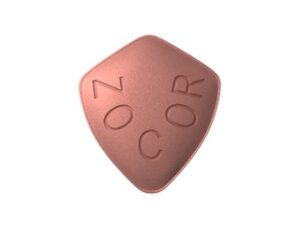
Simvastatin (for cholesterol management) — Patient Information (UK)
Simvastatin is a commonly used medicine from the statin group, designed to lower cholesterol levels in the blood and reduce the risk of cardiovascular events such as heart attack and stroke. This guide explains what simvastatin does, how it works in the body, how to take it safely, and what to expect.
This information is written to be patient-friendly and UK-focused. It does not replace advice from a healthcare professional, and individual dosing and monitoring may differ depending on your medical history and medicines you take.
1) Basic product information
- Medicine name: Simvastatin
- Medicine type: Statin (lipid-lowering medicine)
- Common uses: Lowering “bad” LDL cholesterol, reducing triglycerides, raising HDL cholesterol slightly
- Typical presentation: Tablets in various strengths (exact strength and brands vary by product)
- UK availability: Widely available through pharmacies and dispensing channels
Simvastatin is used alongside lifestyle measures such as diet, exercise, and weight management. For long-term benefit, it is usually taken consistently over time.
2) How simvastatin works (mechanism of action)
Simvastatin works by reducing cholesterol production in the liver and increasing the liver’s ability to remove LDL cholesterol from the bloodstream.
- Inhibits HMG-CoA reductase: This is a key enzyme involved in cholesterol synthesis.
- Reduces LDL cholesterol: More LDL particles are removed from circulation by liver LDL receptors.
- Helps improve overall lipid profile: Triglycerides may decrease and HDL may rise modestly.
- Cardiovascular risk reduction: Statins reduce the risk of heart-related events even beyond cholesterol lowering in some patients.
3) Pharmacokinetics (what happens to the medicine in the body)
“Pharmacokinetics” describes how the body absorbs, processes, and clears simvastatin.
- Absorption: Absorbed through the gastrointestinal tract; absorption can be affected by food and interacting medicines.
- Activation: Simvastatin is a prodrug and is converted in the body to its active form, primarily in the liver.
- Metabolism: Metabolised mainly by CYP3A4 (an important liver enzyme).
- Elimination: Excretion occurs mainly via the bile and faeces; a smaller amount is eliminated through urine.
- Half-life (general): The effects are related to the active metabolites; the timing of dosing can matter.
Because simvastatin is metabolised by CYP3A4, interactions with medicines that inhibit or strongly affect CYP3A4 can increase the risk of side effects, particularly muscle-related problems.
4) Typical uses and indications (what it’s for)
Simvastatin is used to treat lipid disorders and to lower cardiovascular risk. Your exact indication depends on your lipid levels and overall risk factors.
Common indications in the UK include:
- High cholesterol (hypercholesterolaemia): Particularly when diet and lifestyle alone are not enough.
- Mixed dyslipidaemia: When both LDL cholesterol and triglycerides are raised.
- Prevention of cardiovascular disease: Reducing the risk of heart attack and stroke in people at increased risk, including those with established cardiovascular disease.
- Coronary artery disease (secondary prevention): To help reduce future cardiovascular events.
In some patients, statin therapy is recommended even if cholesterol levels are not extremely high, because lowering cardiovascular risk is a key goal.
5) Dosing — typical regimens and how to start
Doses vary by individual circumstance, including cholesterol levels, other medicines, age, kidney/liver function, and interaction risk. Always follow the dosing plan provided for you.
General starting and adjustment principles
- Starting dose: Often lower for new users and increased gradually if needed.
- Titration: Dose may be adjusted based on response in blood tests (lipid profile) and tolerability.
- Monitoring: Lipid levels are typically rechecked after starting or changing dose.
- Maximum dose (interaction-dependent): Some medicines require dose limits due to interaction risks.
Typical timing of dosing
- Many people take simvastatin in the evening because cholesterol synthesis in the body is higher at night.
- Use consistently: Take your dose at about the same time each day.
If your prescription instructions differ (for example, due to a specific treatment plan), follow those instructions.
6) Timing and practical ways to take simvastatin
Good “medication routine” improves adherence and reduces missed doses.
- Best time: Often in the evening (commonly with dinner or at bedtime).
- With or without food: Simvastatin can usually be taken regardless of meals; however, food and drink interactions should still be considered (see below).
- Missed dose: If you forget a dose, take it when you remember unless it is near the time for the next dose. Do not take a double dose.
- Stopping: Stopping suddenly may reverse cholesterol benefits. Speak with a healthcare professional before stopping.
7) Food interactions (including grapefruit)
Food interactions are particularly important with simvastatin due to CYP3A4 involvement.
Grapefruit and certain citrus drinks
- Avoid grapefruit: Grapefruit juice can increase simvastatin levels in the blood, raising the risk of side effects.
- Be cautious with “grapefruit-like” products: Some citrus products may have similar interaction potential.
If you are unsure about a particular food or drink, ask a pharmacist. They can help check interaction risk.
8) Alcohol and medicine interactions
Alcohol
Moderate alcohol intake may be acceptable for some people, but alcohol can increase the risk of liver stress. If you drink heavily or have liver disease, you should seek medical advice before using simvastatin.
- Recommendation: Keep alcohol within recommended limits.
- Seek advice promptly: If you develop unusual fatigue, dark urine, or yellowing of the skin/eyes, contact a clinician urgently.
Important medicine interactions (UK-relevant)
The biggest interaction risks are medicines that inhibit CYP3A4 or increase muscle toxicity risk. Some combinations are contraindicated or require strict dose limits.
| Medicine / medicine type | Why it matters | Typical advice |
|---|---|---|
| Strong CYP3A4 inhibitors (e.g., some antifungals and certain antibiotics) | Can raise simvastatin blood levels | Often avoid or use only under specialist guidance |
| Macrolide antibiotics (e.g., clarithromycin, erythromycin) | Can increase simvastatin concentrations | May require avoidance or temporary change |
| HIV protease inhibitors / antivirals | Increase statin levels | Discuss urgently with a pharmacist/clinician |
| Immunosuppressants (e.g., ciclosporin) | Higher statin levels and muscle risk | Often avoid simvastatin or use strict specialist dosing |
| Other lipid-lowering medicines (certain fibrates) | May increase risk of muscle-related side effects | May need dose limits and close monitoring |
| Warfarin (anticoagulant) | Can alter bleeding risk by affecting clotting control | Extra blood test monitoring may be needed |
| Digoxin | May increase digoxin levels | Monitoring may be needed |
| Amiodarone (for some heart rhythm disorders) | Can raise simvastatin-related side effects | May require reduced simvastatin dose and monitoring |
This list is not exhaustive. If you start, stop, or change any medicine (including over-the-counter products and supplements), inform your pharmacist or healthcare professional.
9) Safety profile — common and serious side effects
Like all medicines, simvastatin can cause side effects. Many people take it without problems, but it’s important to know what to watch for.
Common side effects
- Headache
- Nausea / digestive upset
- Constipation or diarrhoea
- Muscle aches (mild aches can occur)
Serious side effects (seek prompt medical advice)
-
Muscle problems (myopathy) and rare rhabdomyolysis:
- Symptoms may include unexplained muscle pain, tenderness, weakness, or cramps.
- Rhabdomyolysis can cause severe symptoms and dark urine.
-
Allergic reactions:
- Swelling of the face/lips, difficulty breathing, or widespread rash.
-
Liver problems:
- Unusual tiredness, abdominal pain, dark urine, or yellow skin/eyes.
Urgent action: If you experience severe muscle pain or weakness, or signs of liver problems, contact a healthcare professional immediately. Avoid taking additional doses until you receive advice.
10) Practical use tips (how to get the most benefit safely)
- Keep lipid test appointments: Your response is assessed through blood tests (usually total cholesterol, LDL cholesterol, triglycerides, and sometimes other parameters).
- Adopt lifestyle measures: Simvastatin works best alongside a heart-healthy diet (e.g., reducing saturated fats), regular physical activity, and not smoking.
- Report muscle symptoms early: Don’t wait if you feel unusual muscle pain—especially if you recently started or increased the dose, or began a new interacting medicine.
- Be careful with “natural” products: Some supplements can interact with statins. Ask your pharmacist before starting new supplements.
- Check medication changes: If antibiotics, antifungals, antivirals, or heart rhythm medicines are started, confirm interaction risk.
- Understand adherence: Statin benefits build over time. Taking simvastatin regularly helps maintain cholesterol reduction and risk lowering.
11) Monitoring and follow-up (what your clinician may check)
Monitoring helps ensure safety and effectiveness.
- Lipid profile: Typically checked after initiation and dose changes.
- Liver function tests: May be performed before and/or during treatment depending on your risk factors and local practice.
- Muscle-related checks: If symptoms suggest muscle injury, tests such as CK (creatine kinase) may be used.
- Blood clotting (if relevant): If you take warfarin or similar medicines, you may need closer INR monitoring.
12) Alternative options (other ways to treat cholesterol)
If simvastatin isn’t suitable or doesn’t achieve targets, healthcare professionals may consider alternatives. Options depend on your cholesterol pattern, cardiovascular risk, and tolerance.
Other statins
- Atorvastatin
- Rosuvastatin
- Pravastatin (often considered in certain interaction-sensitive patients)
Non-statin options
- Ezetimibe: Reduces cholesterol absorption in the gut
- Bempedoic acid
- PCSK9 inhibitors: injections used in higher-risk or treatment-resistant cases
- Fibrates: mainly for triglyceride lowering (selected cases)
Your clinician will choose the option that best balances benefits, side effects, monitoring needs, and interactions.
13) Simvastatin in the UK — market and legal context
In the United Kingdom, simvastatin is an established cholesterol-lowering medicine and forms part of routine cardiovascular risk management. Statin therapy is widely used and supported by clinical guidelines that focus on both lipid lowering and prevention of cardiovascular events.
- Clinical guidelines: Treatment decisions are guided by national recommendations, which consider cardiovascular risk and cholesterol levels.
- Safety communications: Like other statins, simvastatin has ongoing monitoring and periodic safety updates through the UK medicines framework.
- Pharmacy supply: Availability and packaging may vary between products and strengths.
UK medicines regulation includes requirements for quality, labelling, and patient information. Pharmacies must follow appropriate legal and safety standards for supply.
14) Recent guidance — what patients should know
While recommendations can evolve, the core principles for statins remain consistent: use appropriate dosing, check interactions carefully, and monitor for muscle and liver-related symptoms.
- Risk-based use: Statin choice and intensity are commonly based on cardiovascular risk.
- Interaction awareness: More emphasis is placed on identifying interacting medicines early, particularly CYP3A4 inhibitors.
- Patient monitoring: Patients are advised to report symptoms promptly, and clinicians may adjust therapy rather than continuing combinations that raise risk.
- Shared decision-making: Benefits and potential risks should be discussed to support adherence and appropriate duration of therapy.
If you would like, tell us which medicines you take and we can help highlight interaction questions to discuss with your pharmacist (without replacing professional advice).
15) Delivery and availability (UK online pharmacy)
Simvastatin is a well-established medicine and is commonly available through UK pharmacy supply networks. Availability of specific strengths (and whether the product is a particular brand or generic) may vary.
- Packaging: Tablets are supplied in manufacturer-approved packaging.
- Delivery: Delivery times can vary by location and courier service. Most online pharmacies provide tracking once your order is dispatched.
- Stock checks: Strengths may occasionally go out of stock; you may be offered an equivalent alternative if appropriate.
- Temperature/safety: Statin tablets do not typically require special temperature storage, but follow storage instructions on the label.
For the most accurate delivery estimate, check the ordering page for available options for your postcode.
16) FAQ — Frequently asked questions
Can simvastatin be taken every day?
Yes, simvastatin is typically taken once daily. It is important to take it at the same time each day for best consistency. If you miss a dose, do not double up—take the next dose at the usual time and contact a pharmacist for advice if you are unsure.
What time of day should I take simvastatin?
Many people take simvastatin in the evening. This matches the natural daily rhythm of cholesterol production. Follow your specific instructions, especially if your regimen has been tailored by your clinician.
Does food change how simvastatin works?
Food can generally be taken with simvastatin, but avoid grapefruit or grapefruit juice as it can increase simvastatin levels and side effect risk.
Can I drink alcohol while taking simvastatin?
In many cases, moderate alcohol may be acceptable. However, alcohol can increase liver stress, so keep within recommended limits and seek medical advice if you drink heavily or have liver problems. Stop and get medical help if you develop symptoms suggestive of liver problems.
What medicines should I avoid with simvastatin?
Some medicines can significantly increase simvastatin levels. This includes certain antibiotics and antifungals, HIV antivirals, immunosuppressants, and strong CYP3A4 inhibitors. Always inform your pharmacist about all medicines and supplements you use, including over-the-counter products.
What muscle symptoms are concerning?
Mild aches can occur, but you should seek prompt medical advice if you have unexplained muscle pain, tenderness, weakness, or cramps, especially if severe or persistent. Dark urine or feeling very unwell can be a sign of a serious muscle problem.
How long does it take to see results?
Cholesterol reductions may be seen within days to weeks, but the full effect is often assessed after a period of consistent use. Lipid tests help confirm the response.
What if simvastatin does not lower my cholesterol enough?
Your clinician may adjust the dose, improve adherence and lifestyle factors, or consider switching to a different statin or adding another cholesterol-lowering medicine such as ezetimibe, depending on your risk and tolerance.
Is simvastatin safe for older adults?
Many older adults take statins safely, but the likelihood of side effects and interactions can be higher. Your healthcare professional may choose a suitable starting dose and monitor you more carefully.
Should I stop simvastatin if I feel well?
Statins work to reduce cardiovascular risk over time. Feeling well is common—cholesterol and risk can still be reduced. Do not stop without speaking to a clinician, especially if you take it for secondary prevention.
17) Summary
Simvastatin is a widely used statin medicine in the UK for lowering LDL cholesterol and reducing the risk of cardiovascular events. It works by decreasing cholesterol production in the liver and improving LDL clearance. Because simvastatin is metabolised by CYP3A4, certain medicines (and grapefruit) can interact and increase the risk of side effects, particularly muscle problems.
- Take consistently, often in the evening
- Avoid grapefruit
- Check interactions with all new medicines
- Seek help promptly for severe muscle pain/weakness or liver-related symptoms
If you have questions about how simvastatin fits your personal treatment plan, speak with a pharmacist or healthcare professional for advice tailored to you.