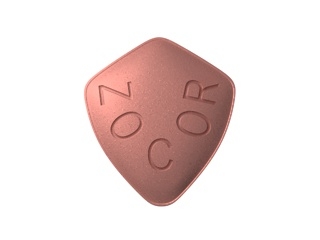

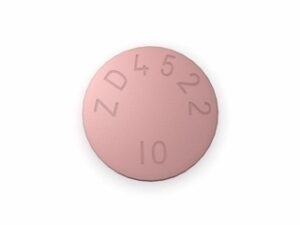
Zocor (Simvastatin) – Patient-Friendly Guide (UK)
Zocor contains simvastatin, a medicine used to help reduce cholesterol levels and lower the risk of certain cardiovascular (heart and blood vessel) events. This guide explains what Zocor is used for, how it works, how it’s taken, and important safety information.
In the UK, Zocor is a prescription medicine. This article is for general information and does not replace advice from a healthcare professional.
1) Basic product information
| Feature | Information |
|---|---|
| Medicine name | Zocor |
| Active ingredient | Simvastatin |
| Medicine type | Statin (HMG-CoA reductase inhibitor) |
| How it’s taken | Oral tablets, usually once daily |
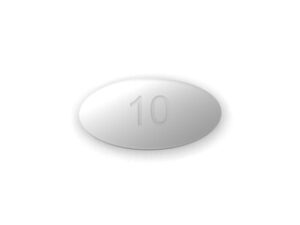
| Common strengths | 5 mg, 10 mg, 20 mg, 40 mg (availability may vary) |
2) What is Zocor and how does it work?
Zocor is a member of the statin group of medicines. Statins lower “bad” cholesterol and help stabilise fatty deposits in blood vessel walls. They may also slightly raise “good” cholesterol (HDL) and reduce triglycerides.
Mechanism of action (simple explanation)
- Your liver makes cholesterol using an enzyme called HMG-CoA reductase.
- Simvastatin blocks this enzyme.
- As a result, the liver takes up more cholesterol from the blood, lowering LDL cholesterol.
- Over time, this reduces the risk of heart attacks, strokes, and other cardiovascular events in people at risk.
3) Pharmacokinetics (how your body handles simvastatin)
“Pharmacokinetics” means how the medicine is absorbed, processed in the body, and removed. While individuals vary, the key points for simvastatin are:
- Absorption: Simvastatin is absorbed after being taken by mouth, but absorption can vary.
- Activation: Simvastatin is not fully active on its own; it is converted in the body to active forms.
- Metabolism: It is mainly metabolised by CYP3A4 in the liver and gut. This is why interactions with other medicines can be important.
- Peak effect/time: Blood levels rise after dosing; the cholesterol-lowering effect continues over time.
- Elimination: Metabolites are cleared primarily via the liver and into bile (with elimination also through other pathways).
Because the body’s natural cholesterol production has a daily rhythm, the timing of dosing (especially evening dosing) can matter.
4) What is Zocor used for?
Zocor is used to treat high cholesterol and to reduce cardiovascular risk. Common indications in the UK include:
- Primary hypercholesterolaemia (high LDL cholesterol) or mixed dyslipidaemia, when diet and lifestyle measures alone are insufficient.
- Familial hypercholesterolaemia (inherited high cholesterol), as part of a broader treatment plan.
- Prevention of cardiovascular events in people at increased risk (for example, those with established coronary heart disease, or those at high risk due to other factors).
- Reduction of risk of events such as heart attack and stroke in certain high-risk groups, depending on overall clinical circumstances.
Your clinician may also consider other cholesterol-lowering options depending on your results and risk profile.
5) When should you take Zocor? (Timing)
Simvastatin is often taken in the evening, typically at or shortly before bedtime. This is because cholesterol production in the body tends to be higher overnight.
Typical timing guidance
- Common approach: once daily, usually in the evening.
- Consistency: try to take it at about the same time each day.
- If you forget a dose: take it when you remember unless it’s close to the next scheduled dose. Do not take a double dose.
If you’re unsure about your specific schedule, follow the instructions given by your healthcare professional or the patient information leaflet provided with your medicine.
6) Food and Zocor: interactions and practical considerations
Food can affect how medicines are absorbed. For simvastatin:
- Grapefruit (and grapefruit juice): should generally be avoided, because it can increase simvastatin levels by affecting CYP3A4. This may raise the risk of side effects, including muscle problems.
- General meals: many people can take simvastatin with or without food, but your individual plan may vary.
Practical tip: if you change your diet significantly (for example, switching to grapefruit-containing beverages), discuss this with a healthcare professional.
7) Alcohol and Zocor: what to know
Moderate alcohol use may be acceptable for many people, but it depends on your liver health, other medical conditions, and what other medicines you take.
- Alcohol and liver safety: both alcohol and statins can affect the liver in different ways. Heavy alcohol intake can increase the chance of liver-related side effects.
- If you have liver disease: you may need extra monitoring or a different approach.
- Seek advice urgently if: you develop symptoms such as unusual tiredness, persistent nausea, dark urine, yellowing of the skin/eyes, or severe abdominal pain.
Discuss your alcohol intake with your clinician to tailor safe use for your situation.
8) Medicine interactions (important)
Simvastatin’s metabolism involves CYP3A4, so some medicines can raise simvastatin levels. Higher levels increase the risk of muscle injury (including a rare serious condition called rhabdomyolysis).
Common interaction categories
- Antifungal medicines: for example, ketoconazole, itraconazole (and similar CYP3A4 inhibitors).
- Macrolide antibiotics: for example, clarithromycin.
- Some HIV medicines: for example, certain protease inhibitors.
- Hepatitis C medicines: some antiviral combinations may increase statin levels.
- Immunosuppressants: for example, ciclosporin.
- Other cholesterol medicines:
- Some combinations (such as with certain fibrates) may increase muscle risk.
- In some cases, dose adjustments or alternative statins may be recommended.
Alcohol, diet supplements, and herbal products
- Herbal products: St John’s wort is a CYP enzyme inducer and can affect cholesterol medicine effectiveness (and may alter levels unpredictably). Discuss any herbal supplements with your healthcare professional.
- Grapefruit: avoid as noted above.
Other medicines where caution is often advised
- Warfarin: statins can affect clotting control. If you take warfarin, you may need more monitoring of INR.
- Diabetes medicines: statins can slightly affect blood sugar control in some people. Monitoring may be needed.
- Blood pressure medicines: some combinations can be safe, but it’s important to check for interactions.
Always provide your clinician or pharmacist with a complete list of medicines, including over-the-counter products and supplements. If a new medicine is started, ask whether it interacts with simvastatin.
9) Dosing: how much is usually taken?
Dosage depends on your cholesterol levels, cardiovascular risk, and any factors that increase interaction risk. A healthcare professional will choose a starting dose and may adjust it over time.
General dosing principles
- Starting dose: may be low initially and increased if needed.
- Usual maximum: in the UK, there are important limits linked to interaction risk. In particular, higher doses may be restricted when certain interacting medicines are used. Your clinician will follow the current local guidance and product information.
- Follow-up blood tests: clinicians may check cholesterol levels and sometimes liver enzymes after starting or adjusting the dose.
How dose changes are handled
- Dose increases are usually done gradually, depending on response and tolerability.
- If side effects occur (especially muscle pain), you may need review of the dose or a switch to another option.
Do not change your dose unless advised. Taking more does not always mean better outcomes and may increase side effect risk.
10) Safety profile: common and serious side effects
Most people tolerate simvastatin well. However, like all medicines, it can cause side effects in some individuals. Below is an overview of important risks to be aware of.
Common or less serious side effects
- Headache
- Stomach upset (nausea, constipation, or abdominal discomfort)
- Mild muscle aches in some people
- Increased liver enzymes on blood tests (often without symptoms)
Serious side effects (seek urgent medical advice)
- Muscle injury (myopathy/rhabdomyolysis): look out for unexplained muscle pain, tenderness, weakness, especially if accompanied by fever or feeling unwell. If you notice these symptoms, contact a healthcare professional promptly.
- Liver problems: symptoms may include yellow skin/eyes, dark urine, severe fatigue, persistent nausea, or right upper abdominal pain.
- Allergic reactions: swelling of face/lips, breathing difficulty, or widespread rash.
Risk factors for muscle problems
The risk of muscle-related side effects is higher in certain situations, for example:
- Higher doses
- Use of medicines that interact with simvastatin (particularly CYP3A4 inhibitors)
- Older age
- Reduced kidney function
- Hypothyroidism (underactive thyroid) that is not well controlled
- Some medical conditions that affect muscles
11) Practical use tips for everyday life
- Use a routine: choose a consistent time in the evening. Setting a phone reminder can help you take it reliably.
- Keep lifestyle measures going: statins work best alongside healthy eating, staying active, and not smoking.
- Know what to report: tell your clinician about new muscle pain or weakness, unusual fatigue, or liver-related symptoms.
- Check medication changes: if you’re prescribed antibiotics, antifungals, or other new medicines, ask about interactions.
- Be careful with supplements: “natural” does not always mean safe for interactions. Discuss herbal products and supplements first.
- Attend follow-ups and blood tests: these help confirm the medicine is working and check safety.
12) Alternative options (if you can’t take simvastatin or it isn’t enough)
If simvastatin doesn’t suit you (due to side effects, interactions, or insufficient cholesterol reduction), clinicians may consider other treatments. Alternatives may include:
Other statins
- Atorvastatin
- Rosuvastatin
- Pravastatin
Non-statin cholesterol-lowering medicines
- Ezetimibe (reduces intestinal cholesterol absorption)
- Bile acid sequestrants
- Fibrates (often used when triglycerides are high; may require caution with statins)
- Omega-3 fatty acids (in selected cases, particularly for high triglycerides)
- PCSK9 inhibitors (for certain high-risk or familial conditions; typically specialist-led)
The best option depends on your cholesterol pattern, cardiovascular risk, kidney/liver health, and what other medicines you need.
13) UK market and legal context
In the United Kingdom, Zocor (simvastatin) is an established treatment for cholesterol management and cardiovascular risk reduction. As with other statins, it is regulated by the Medicines and Healthcare products Regulatory Agency (MHRA) and is supplied according to UK prescribing and dispensing rules.
- Prescription medicine: Zocor is generally available via NHS pathways or private healthcare where clinically appropriate.
- Information for safe use: the Patient Information Leaflet and the summary product characteristics guide safe dosing and interaction information.
- Pharmacist support: pharmacists can help review interactions and advise on missed doses and safe administration.
Recent guidance (high-level)
UK cholesterol management is informed by clinical guidance such as those from the National Institute for Health and Care Excellence (NICE) and other professional bodies. In general, current approaches emphasise:
- Choosing statins based on overall cardiovascular risk and cholesterol profile
- Starting at an appropriate intensity and titrating to achieve treatment targets where applicable
- Monitoring for side effects and considering alternative therapies where necessary
- Managing drug interactions to minimise harm
Because recommendations can evolve, clinicians use the most up-to-date local and national advice.
14) Delivery and availability (UK online pharmacy)
Availability can vary by strength and pack size. When ordering online in the UK:
- Stock depends on strength: some strengths may be more readily available than others.
- Lead times: if an item is temporarily out of stock, delivery dates may change.
- Packaging and handling: medicines should be delivered in appropriate packaging to protect tablets and support safe use.
- Confirm details: ensure your delivery address and name match the order exactly to prevent delays.
If you need urgent medication, contact the online pharmacy’s customer service to discuss fastest options and stock status.
15) FAQ – Frequently asked questions
Can I take Zocor if I’m trying to lose weight or change my diet?
Yes. Diet and weight management are strongly encouraged alongside statins. Keep taking Zocor as directed while you make healthy lifestyle changes, and have your cholesterol reviewed as planned.
What happens if I miss a dose?
If you forget a dose, take it when you remember unless it’s close to the next dose. Do not take a double dose to make up for the missed tablet. If you’re unsure, ask your pharmacist for advice.
Is it safe to drink alcohol while taking simvastatin?
Many people can drink in moderation, but it depends on your health and liver risk. If you drink heavily or have liver problems, ask your clinician for personalised advice.
Should I avoid grapefruit completely?
It’s generally recommended to avoid grapefruit and grapefruit juice because it can increase simvastatin blood levels and raise the risk of side effects.
Why is Zocor usually taken in the evening?
Cholesterol production in the body tends to be higher overnight, so evening dosing can improve the cholesterol-lowering effect for many people.
What should I do if I get muscle aches?
Mild aches can happen, but you should report unexplained muscle pain, tenderness, weakness, or cramps—especially if you feel unwell or have fever. Stop and seek medical advice promptly rather than waiting.
Do I need blood tests?
Your clinician may check cholesterol and sometimes liver enzymes after starting or changing your dose. The aim is to confirm the benefit and monitor safety.
Can Zocor interact with antibiotics or antifungal medicines?
Yes. Some antibiotics and antifungals strongly affect CYP3A4 and can increase simvastatin levels. This can raise the risk of muscle problems. Always tell your pharmacist about any new medicine.
Are there alternatives if simvastatin doesn’t work for me?
Yes. Options include other statins or adding non-statin treatments such as ezetimibe, depending on your cholesterol level and risk factors.
How long does it take to see cholesterol changes?
Cholesterol levels can start to improve within weeks. Your clinician will schedule blood tests to check progress and decide whether a dose adjustment is needed.
What should I do if I’m pregnant or breastfeeding?
Simvastatin is not recommended during pregnancy or while breastfeeding. If you become pregnant or plan to breastfeed, contact a healthcare professional as soon as possible for advice on safe alternatives.
16) Summary
Zocor (simvastatin) is a statin used in the UK to lower LDL cholesterol and reduce the risk of cardiovascular events in people with high cholesterol and/or increased heart risk. It works by reducing cholesterol production in the liver, and it is usually taken once daily in the evening.
For safest use, take it at the recommended time, avoid grapefruit, be mindful of alcohol intake, and ensure your healthcare professional knows about all medicines and supplements you take—particularly those that can interact with simvastatin. If you develop unexplained muscle pain or symptoms suggesting liver problems, seek prompt medical advice.