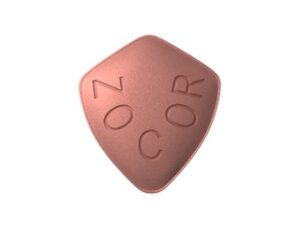
Tricor (Fenofibrate) – Patient Guide (UK)
Tricor contains fenofibrate, a medicine used to improve abnormal blood fat levels. This guide explains what Tricor is, how it works, how it’s taken, important interactions and safety points, and what to consider in the United Kingdom. Always follow the advice given by your healthcare professional and read the medicine packaging for the most up-to-date details.
1) Basic product information
| Item | Details |
|---|---|
| Medicine name | Tricor |
| Active ingredient | Fenofibrate |
| Medicinal group | Fibrate (lipid-lowering medicine) |
| Common use | Treatment of high triglycerides (and certain mixed dyslipidaemias), often alongside lifestyle measures |
| Availability (UK) | Available via UK pharmacy channels; availability depends on strength/formulation and local stock |
Note: Tricor may come in different strengths and formulations. Your exact dose and schedule depend on the product strength and your medical circumstances.
2) How Tricor works (mechanism of action)
Fenofibrate belongs to the fibrate class of medicines. It helps reduce certain fats in the blood—especially triglycerides—and can also improve HDL cholesterol (“good cholesterol”).
Key mechanisms include:
- Activation of PPAR-α (a receptor that helps regulate lipid metabolism in the liver).
- Increased breakdown of triglycerides by enhancing enzymes involved in fat clearance.
- Changes to lipid production and processing leading to lower very-low-density lipoprotein (VLDL) levels.
- Possible increase in HDL cholesterol and reduction in lipid particles associated with risk.
By improving the overall lipid profile, Tricor can help reduce the risk of complications related to abnormal blood fats—particularly in people with significantly raised triglycerides.
3) Pharmacokinetics (how the body processes it)
Pharmacokinetics describes how a medicine is absorbed, distributed, metabolised, and excreted.
- Absorption: Fenofibrate is absorbed from the gastrointestinal tract. The extent of absorption can vary with food intake and formulation.
- Metabolism: Fenofibrate is converted mainly to its active metabolite(s), which are responsible for much of its lipid-lowering effect.
- Elimination: The active components are cleared largely via the kidneys. This means dose selection may be affected by kidney function.
- Onset: Lipid changes usually begin after starting treatment, but it may take several weeks to see the full benefit.
Your healthcare professional may monitor blood tests (such as lipids and sometimes liver or kidney function) to ensure it’s working safely for you.
4) Typical uses and indications in the UK
Tricor is used to manage abnormal blood lipids. The exact indication depends on your lipid levels, overall risk profile, and medical history.
Common clinical indications include:
- High triglycerides (hypertriglyceridaemia): especially when levels are significantly raised.
- Mixed dyslipidaemia: when triglycerides are elevated and other measures alone are insufficient (often alongside diet and sometimes other lipid-lowering therapy).
- Risk reduction strategies: in certain patients as part of a broader plan targeting cardiovascular risk factors.
Important: Tricor is not a direct substitute for lifestyle changes. It should be used alongside dietary changes, exercise, weight management, and stopping smoking if relevant.
5) When and how to take Tricor (timing and dosing principles)
Correct timing helps improve consistency of treatment. Your dosing instructions will be based on the strength of your Tricor product and your kidney function.
Typical timing
- It’s usually taken once daily for many formulations.
- Try to take it at the same time each day to help maintain consistent blood levels.
With or without food
Food can influence absorption for some fenofibrate formulations. To reduce variability, many people are advised to take fenofibrate with food. Follow the specific instructions on your pack or provided by your clinician/pharmacist.
If you miss a dose: Take it when you remember unless it is close to the time for your next dose. Do not take a double dose to make up for a missed tablet.
6) Food interactions and practical eating tips
General guidance:
- Take with food if your product instructions recommend it. This can help absorption and reduce fluctuations.
- Maintain a low-fat, calorie-appropriate diet if you have high triglycerides. Your clinician or dietitian may advise a tailored plan.
Fenofibrate may also work better when combined with:
- Reducing sugary foods and drinks (especially for triglyceride elevation).
- Limiting refined carbohydrates where appropriate.
- Choosing healthier fats (such as unsaturated fats) rather than saturated fats.
7) Alcohol and medicine interactions
Alcohol
Alcohol can increase triglyceride levels in some people and may raise the risk of liver-related side effects. If you take Tricor:
- Limit alcohol, especially if your triglycerides are high.
- Avoid binge drinking.
- Seek medical advice if you have a history of liver disease or drink heavily.
Medicine interactions
Some medicines can increase the risk of side effects when taken with fenofibrate. Tell your pharmacist or healthcare professional about all medicines you use, including over-the-counter products and supplements.
Particular care is needed with:
- Statins (e.g., simvastatin, atorvastatin): In combination, there may be an increased risk of muscle-related problems in certain people. Monitoring and dose selection are important.
- Warfarin or other vitamin K antagonists: Fenofibrate can enhance the effect of warfarin, increasing bleeding risk. Your INR may require closer monitoring.
- Other lipid-lowering medicines: Combining therapies should be guided by a clinician due to interaction risk.
- Immunosuppressants or medicines affecting muscle/liver: may increase risk of adverse effects; individual assessment is essential.
- Diabetes medicines: Your glucose levels may change; monitoring may be required.
Kidney-related medicines: Because fenofibrate is cleared through the kidneys, any medicine that affects kidney function may influence risk. Your healthcare team will consider your kidney tests before and during treatment.
8) Dosing information (general guidance)
Always follow your specific prescribed instructions. Doses vary by formulation and patient factors.
Typical dosing approach (general):
- Adults commonly take fenofibrate once daily.
- Dose adjustments may be needed for reduced kidney function.
- Your clinician may adjust therapy based on lipid test results and how you tolerate the medicine.
Monitoring commonly includes:
- Fasting or non-fasting lipid profile (as advised).
- Liver enzymes and kidney function tests.
- Assessment of any symptoms suggesting muscle problems or gallbladder issues.
If you have concerns about the dose you were given, speak to your pharmacist or clinician before changing it.
9) Safety profile: who should be cautious and what to watch for
Most people take Tricor without serious problems, but it’s important to understand potential side effects and when to seek help.
Common and expected effects
- Digestive symptoms such as stomach upset, nausea, or abdominal discomfort.
- Changes in blood test results (e.g., liver enzymes or kidney function markers) may occur.
Important potential risks
- Muscle problems (myopathy/rhabdomyolysis): Seek urgent medical advice if you develop unexplained muscle pain, tenderness, weakness, or dark urine, particularly if accompanied by fever or feeling very unwell.
- Liver issues: Get medical advice if you develop yellowing of the skin/eyes (jaundice), persistent nausea/vomiting, unusual fatigue, or upper abdominal pain.
- Gallbladder disease: Fenofibrate can increase the risk of gallstones in some people. Seek advice if you have severe upper right abdominal pain, pain after meals, or symptoms of jaundice.
- Blood count changes: Rarely, blood cell counts may be affected—monitoring helps detect issues early.
Who should use Tricor with extra caution
- People with kidney impairment (dose adjustments and closer monitoring may be needed).
- People with liver disease or significant liver enzyme elevations.
- People taking interacting medicines (especially some lipid-lowering or anticoagulant therapies).
- Older adults may be more susceptible to certain side effects and should be monitored carefully.
Pregnancy and breastfeeding (general)
If you are pregnant, trying to conceive, or breastfeeding, discuss the risks and benefits with your healthcare professional. Lipid medicines are chosen carefully during these times.
10) Practical use tips for getting the best results
- Pair with lifestyle changes: Tricor works best when combined with a heart-healthy diet, regular exercise, and weight management.
- Check your triglyceride drivers: High triglycerides can be influenced by excess calories, alcohol, uncontrolled diabetes, and certain medications. Addressing these often improves results.
- Keep follow-up appointments: Lipid levels and blood tests may be reviewed after starting or changing dose.
- Stay hydrated and don’t ignore symptoms: If you feel unwell or notice muscle pain, contact your clinician promptly.
- Use a routine: Taking your tablet at the same time daily can reduce missed doses.
- Inform every healthcare professional: Let clinicians and dentists know you take fenofibrate, particularly if procedures or new medicines are planned.
11) Alternative options
Alternatives depend on your lipid pattern (high triglycerides vs high LDL/“bad cholesterol” vs mixed issues), your cardiovascular risk, and any medical conditions such as diabetes or kidney disease.
Possible medication alternatives (not exhaustive)
- Statins: primarily reduce LDL cholesterol and cardiovascular risk; may be preferred when LDL is the main problem.
- Omega-3 fatty acids (e.g., EPA/DHA products): can reduce triglyceride levels in some patients.
- Ezetimibe: lowers cholesterol by reducing absorption in the intestine (more relevant to LDL than triglycerides).
- Other fibrates: alternative fibrate medicines may be considered in some cases.
- Niacin: less commonly used in many settings due to side effects and changing guidance.
Your clinician may choose a different option or combination depending on your results and safety profile.
12) Market and legal context for the UK (overview)
In the United Kingdom, medicines are regulated by the Medicines and Healthcare products Regulatory Agency (MHRA) and monitored through systems such as the Yellow Card scheme for reporting suspected side effects. Tricor (fenofibrate) is an established lipid-lowering medicine with documented clinical use.
What this means for you:
- Licensed products are required to meet standards for quality and safety.
- Packaging information (including leaflets) provides product-specific dosing and safety details.
- Pharmacies and online medicine suppliers must follow UK legal requirements for supply, storage, and patient information.
Online pharmacies typically provide medicine information and may require details to ensure you receive the correct product and quantity safely.
13) Recent guidance and clinical practice considerations (UK)
Over time, UK lipid management practice has emphasized:
- Lifestyle first: Diet, physical activity, weight management, and alcohol reduction are foundational.
- Targeted treatment: Therapy selection is based on measured lipid abnormalities and overall cardiovascular risk.
- Triglyceride-specific focus: For significantly elevated triglycerides, reducing levels is important to lower the risk of pancreatitis and improve metabolic health.
- Risk–benefit assessment: For drug combinations (such as fibrate–statin), clinicians weigh cardiovascular benefit against increased side effect risk, especially muscle-related events.
Because guidance evolves with new evidence, your healthcare professional will tailor decisions to current best practice and your personal test results.
14) Delivery and availability (UK online pharmacy)
Availability of Tricor may vary by supplier and strength. When ordering from a UK online pharmacy, delivery typically depends on stock status and your postcode area.
- Stock status: Some strengths may be in greater demand; if out of stock, you may be offered alternatives or an estimated restock date.
- Delivery times: Most UK deliveries are made within standard postal or courier timelines; exact timings are shown at checkout.
- Packaging: Medicines should arrive in appropriate packaging to protect tablets from moisture and light as required.
- Storage: Keep tablets in a cool, dry place, away from direct sunlight, and out of reach of children.
If you have specific questions about a product strength or delivery schedule, contact the pharmacy before placing an order.
15) Frequently Asked Questions (FAQ)
What is Tricor used for?
Tricor (fenofibrate) is used to help treat abnormal blood fat levels, particularly high triglycerides, and certain types of mixed dyslipidaemia. It is used alongside dietary and lifestyle measures.
When will I notice results?
Some improvement may be seen after starting treatment, but a full lipid response usually requires several weeks. Follow-up blood tests help confirm effectiveness.
Should I take Tricor with food?
For many fenofibrate products, taking with food can improve absorption. However, the exact instruction can depend on the specific Tricor formulation. Always follow the directions on your pack or from your pharmacist.
Can I drink alcohol while taking Tricor?
It’s best to limit alcohol, particularly if you have raised triglycerides. Alcohol can worsen triglyceride levels and may increase risk of liver-related side effects. Ask your clinician if you’re unsure about what is safe for you.
What medicines should I be careful with?
Important interaction considerations include warfarin (bleeding risk), statins (muscle risk), and other lipid-lowering drugs. Tell your pharmacist about all medicines and supplements you take.
What side effects are serious?
Seek urgent medical advice if you experience muscle pain/weakness with dark urine, signs of jaundice, or severe abdominal pain that could suggest gallbladder problems.
Do I need blood tests while on Tricor?
Often, yes. Your clinician may monitor lipid levels and may check liver and kidney function and other relevant parameters to ensure safe use.
What if I miss a dose?
Take it when you remember unless it’s close to the time of your next dose. Do not take a double dose.
Can Tricor be taken if I have kidney problems?
Kidney function affects fenofibrate clearance, so dose adjustment or extra monitoring may be needed. Your clinician will advise based on your test results.
Are there alternatives to Tricor?
Yes, depending on your lipid pattern and risk factors. Alternatives may include statins, omega-3 fatty acids, ezetimibe, or other triglyceride-lowering approaches. Your healthcare professional can help choose the most appropriate option.
Important: This information is for general education and does not replace personalised medical advice. If you are unsure about your dose, interactions, or side effects, speak to a healthcare professional or pharmacist.