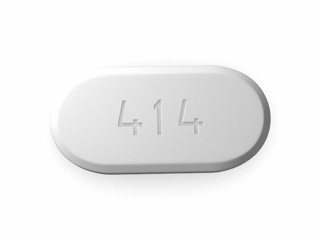
Zetia (Ezetimibe) – Patient Guide (UK)
Zetia contains ezetimibe, a medicine used to help lower cholesterol. It is often prescribed when lifestyle measures (such as diet, exercise and weight management) are not enough, or when a cholesterol-lowering medicine needs extra support.
This guide explains how Zetia works, how it’s typically taken, important safety information, and practical advice for everyday use in the United Kingdom.
1. Basic product information
- Medicine name: Zetia
- Active ingredient: Ezetimibe
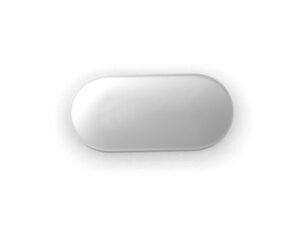
- Medicinal form: Tablets
- Typical strength: 10 mg tablets
- How it works: Reduces cholesterol absorption in the intestine
Note: Always check the specific pack strength and directions given by your healthcare professional or pharmacist.
2. What Zetia is used for (indications)
In the UK, ezetimibe is commonly used to treat conditions where lowering blood cholesterol can reduce the risk of cardiovascular disease. Your clinician may recommend Zetia in several scenarios, including:
- Primary hypercholesterolaemia (high LDL-cholesterol) when lifestyle changes alone are insufficient.
- Mixed dyslipidaemia (raised cholesterol with other lipid abnormalities).
- Familial (inherited) hypercholesterolaemia—particularly in adults and certain paediatric groups depending on clinical guidance and local criteria.
- Adjunct therapy with a statin when further LDL lowering is needed.
- Monotherapy in people who cannot take a statin or where additional options are considered.
- With other cholesterol-lowering medicines as part of an individual treatment plan (this depends on your lipid results and medical history).
Your doctor will consider your cholesterol levels, overall cardiovascular risk, other medicines, and liver health before choosing Zetia.
3. How Zetia works (mechanism of action)
Zetia works by reducing the amount of cholesterol absorbed from your gut.
- Ezetimibe inhibits intestinal cholesterol absorption by targeting the NPC1L1 transporter in the small intestine.
- As a result, less cholesterol enters the bloodstream from dietary and biliary sources.
- With less cholesterol absorbed, the liver removes more cholesterol from the blood, which can lower LDL-cholesterol (often referred to as “bad cholesterol”).
Key point: Unlike statins, ezetimibe primarily acts in the intestine rather than directly changing cholesterol production in the liver.
4. Pharmacokinetics (how the body handles Zetia)
Understanding how a medicine moves through the body can help explain how and when it works.
- Absorption: Ezetimibe is absorbed from the gastrointestinal tract. It undergoes extensive metabolism in the intestinal wall and liver.
- Active form: The main pharmacologically active component is ezetimibe itself (and its metabolites contribute to the overall effect).
- Distribution: Once absorbed, it distributes into the body; it is partly bound to plasma proteins.
- Metabolism: It is metabolised mainly in the liver and small intestine via glucuronidation.
- Elimination: It is eliminated primarily through the bile and faeces.
- Onset: LDL-lowering effects can be observed within weeks; cholesterol checks are often scheduled after starting or adjusting therapy.
Practical takeaway: Regular daily use helps maintain consistent cholesterol-lowering benefits. Missing doses may reduce the overall effect.
5. Typical use and timing
Zetia is usually taken . Many people take it at the same time each day to help remember.
When to take your dose
- You can take Zetia with or without food.
- Choose a time that fits your routine (e.g., morning or evening).
- If you miss a dose, take it as soon as you remember unless it is close to the next dose. Do not take a double dose.
How long until you see results?
- Cholesterol changes typically occur over 2–4 weeks, though your clinician may monitor sooner or later depending on your situation.
- Your healthcare team may check blood lipids after starting therapy or changing dose/combination medicines.
6. Food interactions and diet considerations
Food and drink generally do not significantly affect how Zetia works.
- Food: Zetia may be taken with or without meals.
- Grapefruit and citrus: There are no well-known specific dietary grapefruit restrictions for ezetimibe; however, always follow advice tailored to your medicines.
Diet still matters: Zetia complements diet and lifestyle measures. For best results, maintain the dietary plan you were given (for example, reducing saturated fats and increasing fibre as advised by your healthcare team).
7. Alcohol interactions
Zetia is not classed as a medicine with a direct “alcohol interaction” in the way some drugs are. However, alcohol can affect cholesterol and overall health and may stress the liver indirectly—especially if heavy drinking occurs.
- If you drink alcohol, keep within UK guidelines and discuss your intake with your clinician.
- Be extra cautious if you have liver problems, as ezetimibe is processed by the liver.
Important: If Zetia is being used with a statin, alcohol considerations may be more relevant because statins are also metabolised by the liver. Seek medical advice if you regularly drink heavily or have abnormal liver tests.
8. Medicine interactions (important)
Most people can take Zetia safely with their other medicines, but certain medicines require extra attention.
1) Bile acid sequestrants
Some cholesterol-lowering medicines bind bile in the gut. These can reduce absorption of ezetimibe.
- Your pharmacist may advise taking Zetia either 2 hours before or 4 hours after these medicines (timing guidance can vary).
2) Anticoagulants (blood thinners)
In some people, ezetimibe may affect clotting control when used with medicines such as warfarin.
- If you take warfarin (or another vitamin K antagonist), you may need closer monitoring (for example, INR checks) when starting, stopping, or adjusting therapy.
3) Statins
Zetia is often used with statins. When combined, doctors monitor for potential liver-related effects and side effects such as muscle symptoms (a well-known consideration with statins).
- Report any unexpected muscle pain, weakness, or dark urine promptly.
4) Liver-related medicines and supplements
- Inform your healthcare professional about all medicines, including herbal supplements and “over-the-counter” products.
- Some supplements can affect liver function. Your clinician can advise what to continue or stop.
Tip: Keep an up-to-date list of medicines and show it to your pharmacist when starting Zetia or if your treatment changes.
9. Dosing (how much to take)
Adults and adolescents (where applicable): The usual dose is 10 mg once daily.
Combination therapy: When used with a statin, the statin dose is determined separately according to your lipid targets and tolerance.
Children and young people: Eligibility and dosing may depend on age, diagnosis, and local prescribing practices. Follow the directions provided for your specific prescription.
Missed dose: If you miss a dose, take it when you remember on the same day. If you remember the next day, take your usual dose at the usual time. Avoid doubling doses.
10. Safety profile (side effects and who should be careful)
Like all medicines, Zetia can cause side effects. Many people experience no problems, but it’s important to know what to watch for.
Common side effects
Reported side effects can include:
- Headache
- Gastrointestinal symptoms (such as abdominal pain, diarrhoea, or indigestion)
- Fatigue
Side effects are usually mild. If they persist or worsen, consult your pharmacist or doctor.
Serious but less common risks
Seek urgent advice if you experience signs of a serious reaction, such as:
- Allergic reaction (swelling of face/lips, rash, severe itching, breathing difficulties)
- Severe liver problems (yellowing of the skin or eyes, dark urine, persistent nausea/vomiting, unusual tiredness, right upper abdominal pain)
- Muscle symptoms (especially when Zetia is used with a statin): unexplained muscle pain, tenderness, weakness, or dark urine
Who should be extra cautious?
- Liver disease or a history of abnormal liver blood tests
- People taking combination cholesterol therapy (e.g., statins, bile acid sequestrants)
- People prone to muscle problems (particularly with statins)
Monitoring
- Your clinician may check liver function tests and lipid levels at appropriate times.
- If you’re taking a statin alongside Zetia, monitoring for statin-related safety may also be carried out.
11. Practical use tips (making Zetia part of daily life)
- Use a daily reminder: Phone alarms or a weekly pill organiser can help maintain consistency.
- Keep it simple: Take one tablet each day at a time you can remember; with or without food is fine.
- Track your cholesterol: Attend planned blood tests and follow results discussions—don’t stop the medicine because you “feel fine” or because results aren’t immediate.
- Check for interactions: Before starting any new medicine or supplement, ask your pharmacist if it’s safe to combine.
- Report unusual symptoms: Particularly muscle pain, severe abdominal discomfort, rash, or signs of liver problems.
- Don’t double up: If you miss a dose, take the next dose at the usual time.
12. Alternative options (if Zetia isn’t suitable or isn’t enough)
Whether an alternative is appropriate depends on why you’re taking Zetia, your lipid results, and your medical history. Common alternatives include:
Dietary and lifestyle measures
- Reducing saturated fat
- Increasing soluble fibre (e.g., oats, beans)
- Weight management and regular physical activity
- Stopping smoking and limiting alcohol (as advised)
Other cholesterol-lowering medicines
- Statins (e.g., atorvastatin, rosuvastatin): often first-line for LDL reduction.
- Bile acid sequestrants: can be used in specific cases.
- PCSK9 inhibitors (in selected patients): for high-risk individuals when LDL goals are not met.
- Fibrates and omega-3 fatty acids: typically targeted to triglycerides rather than LDL.
- Other add-on therapies: choices may vary based on guidance and availability.
If Zetia is not enough, your clinician may adjust the regimen—either changing the statin dose, adding another medicine, or exploring adherence and lifestyle factors.
13. Market and legal context for the United Kingdom
In the UK, medicines are regulated by the Medicines and Healthcare products Regulatory Agency (MHRA) and medicines supply is overseen under UK pharmacy and medicines legislation.
Cholesterol-lowering medicines such as ezetimibe are part of long-term cardiovascular risk management. Availability can differ between:
- Prescription-only channels used by clinicians and pharmacies, and
- Pharmacy supply routes where permitted by UK law and the specific product status.
Online pharmacies in the UK must follow the rules for safe supply, storage, and distribution, and may require account checks or guidance prior to purchase. Product availability also depends on stock levels, packaging, and the chosen supplier.
Always follow UK pharmacy advice and the information provided with your medication.
14. Recent guidance (what’s commonly emphasised in UK practice)
While individual care plans vary, recent UK cholesterol management practice broadly continues to emphasise:
- Risk-based treatment: treating people according to overall cardiovascular risk, not only a single cholesterol number.
- Stepwise intensification: starting with lifestyle and often a statin, then adding other agents such as ezetimibe when additional LDL lowering is needed.
- Monitoring: follow-up blood tests to assess response and safety, including liver-related checks where appropriate.
- Shared decision-making: discussing benefits, side effects, and treatment goals.
Your healthcare team may tailor recommendations according to guidelines and your personal health profile.
15. Delivery and availability (UK online pharmacy)
Availability of Zetia can vary by supplier and stock status. If you order online, delivery timing generally depends on the dispatch process and your address within the UK.
- Dispatch: Many online pharmacies dispatch within 24–72 hours (this varies by provider and stock).
- Delivery options: Some suppliers offer standard and express delivery.
- Tracking: Some orders may include tracking details.
- Cold/controlled handling: Zetia tablets do not generally require cold storage, but always follow any storage instructions on the pack.
When you receive your medicine, check the tablet strength, expiry date, and packaging integrity. If anything looks unusual or incorrect, contact the supplying pharmacy.
16. Storage
- Store tablets at room temperature.
- Keep them in the original packaging to protect from moisture.
- Keep out of the sight and reach of children.
- Do not use after the expiry date shown on the pack.
17. FAQ about Zetia (Ezetimibe)
Can I take Zetia with food?
Yes. Zetia can usually be taken with or without food. Many people find it easiest to take it at the same time each day.
How quickly does Zetia start working?
Cholesterol improvements are typically seen within weeks. Your clinician will usually arrange blood tests to check how well your LDL levels have responded.
What happens if I miss a dose?
If you miss a dose, take it when you remember unless it’s close to the next dose. Don’t take two tablets to make up for a missed dose.
Are there any food restrictions?
There are generally no specific food restrictions for ezetimibe. However, maintaining a heart-healthy diet helps maximise the benefit.
Does Zetia cause weight gain?
Weight gain is not a typical side effect of ezetimibe. If you notice unexpected weight changes, discuss them with your pharmacist or doctor—especially if you’re taking a statin alongside Zetia.
Can I drink alcohol while taking Zetia?
Moderate alcohol intake is usually not directly prohibited, but alcohol can affect liver health and overall cardiovascular risk. If you drink heavily or have liver conditions, seek advice.
Can I take Zetia with a statin?
Yes. Zetia is frequently prescribed together with statins to improve LDL-cholesterol lowering. Your clinician may monitor liver tests and advise you about muscle-related side effects.
What should I do if I experience muscle pain?
If you have unexplained muscle pain, weakness, or dark urine—especially if you’re taking a statin with Zetia—stop and seek prompt medical advice.
Who should not take Zetia or should get extra advice first?
People with liver problems should discuss this before starting. Also discuss any medicine or supplement you take, particularly anticoagulants (like warfarin) or other cholesterol-lowering medicines.
Is Zetia suitable for everyone with high cholesterol?
Zetia is used for selected people based on cholesterol levels, cardiovascular risk, and treatment goals. Often it is an add-on to statins or used when statins aren’t suitable.
What are common alternatives to Zetia?
Alternatives depend on your needs and may include statins (first-line), bile acid sequestrants, PCSK9 inhibitors, or other therapies targeted to LDL or triglycerides.
Important: This website information is for general guidance. If you have specific questions about your condition, medications, or side effects, speak to a qualified healthcare professional.